
Understanding Remote Film Production in India
Remote film production in India refers to projects executed outside the country’s primary film infrastructure hubs such as Mumbai, Hyderabad, or Chennai. These productions operate in regions where logistical networks are thinner, infrastructure support is limited, and environmental conditions introduce additional complexity to scheduling and execution. India’s geography presents an unusually wide spectrum of such environments, ranging from Himalayan mountain systems and desert plateaus to dense forests and island territories.
Productions entering these environments must evaluate terrain accessibility, transport corridors, accommodation capacity, and regulatory jurisdiction before committing to a location. Remote filming rarely involves a single constraint. Instead, it represents a convergence of geographic isolation, administrative fragmentation, and operational uncertainty. In many cases, local infrastructure exists but is not designed to support large film crews, heavy equipment movement, or complex multi-unit shooting schedules.
As a result, international producers often begin their planning process with structured feasibility analysis. Understanding how global productions evaluate location feasibility before committing to remote shoots becomes essential when assessing whether a visually compelling location can realistically support the operational demands of a professional film set.

What Defines a Remote Production Environment
A remote production environment is not defined solely by distance from urban centers. Instead, it is determined by the operational constraints imposed on the production system. These constraints may involve limited road access, restricted air transport infrastructure, fragile ecological zones, or jurisdictions where filming permissions require coordination across multiple government authorities.
In India, such environments frequently occur in mountainous regions, protected forest reserves, border territories, and island ecosystems. Locations like Ladakh, Kashmir valleys, desert interiors of Rajasthan, and the Andaman archipelago illustrate how visually powerful landscapes can exist far from the logistical networks that normally sustain film production.
Operational planning in these environments typically begins with terrain analysis and supply-chain mapping. Crew accommodation, medical access, power generation, satellite communication, and emergency evacuation protocols must often be designed specifically for the shoot. Unlike urban productions, where vendors and equipment rentals are readily available, remote shoots frequently require equipment to be transported across long distances and stored in temporary base camps.
These conditions transform production planning into a risk-management exercise. Line producers must account for weather volatility, travel delays, and infrastructure limitations while maintaining tight production schedules.
Why Global Productions Seek Remote Locations
Despite these operational challenges, global film productions continue to pursue remote locations because of the cinematic value these landscapes provide. Remote environments offer scale, visual authenticity, and geographic uniqueness that cannot easily be replicated within studio environments or densely populated cities.
India’s remote regions deliver a wide spectrum of cinematic backdrops within relatively short geographic distances. High-altitude Himalayan valleys can resemble Central Asian or Tibetan landscapes. Desert territories evoke Middle Eastern environments. Tropical islands and coastal forests provide visuals comparable to Southeast Asian or Pacific settings. This geographic diversity allows international productions to simulate multiple global environments within a single country.
However, the decision to shoot in remote terrain is rarely driven by aesthetics alone. Production planners must evaluate infrastructure reliability, political stability, and operational predictability before committing to such locations. Many studios therefore apply structured decision frameworks when comparing remote filming options across countries. These frameworks resemble the analysis of how global productions choose locations through structured execution corridors, where geography, regulatory governance, and logistics networks collectively determine whether a location can support a large-scale shoot.
In practice, the attraction of remote landscapes must always be balanced against operational complexity. Productions succeed in these environments only when planning, logistics coordination, and local expertise align to transform geographic isolation into a workable production ecosystem.
Himalayan and Mountain Regions for Film Production
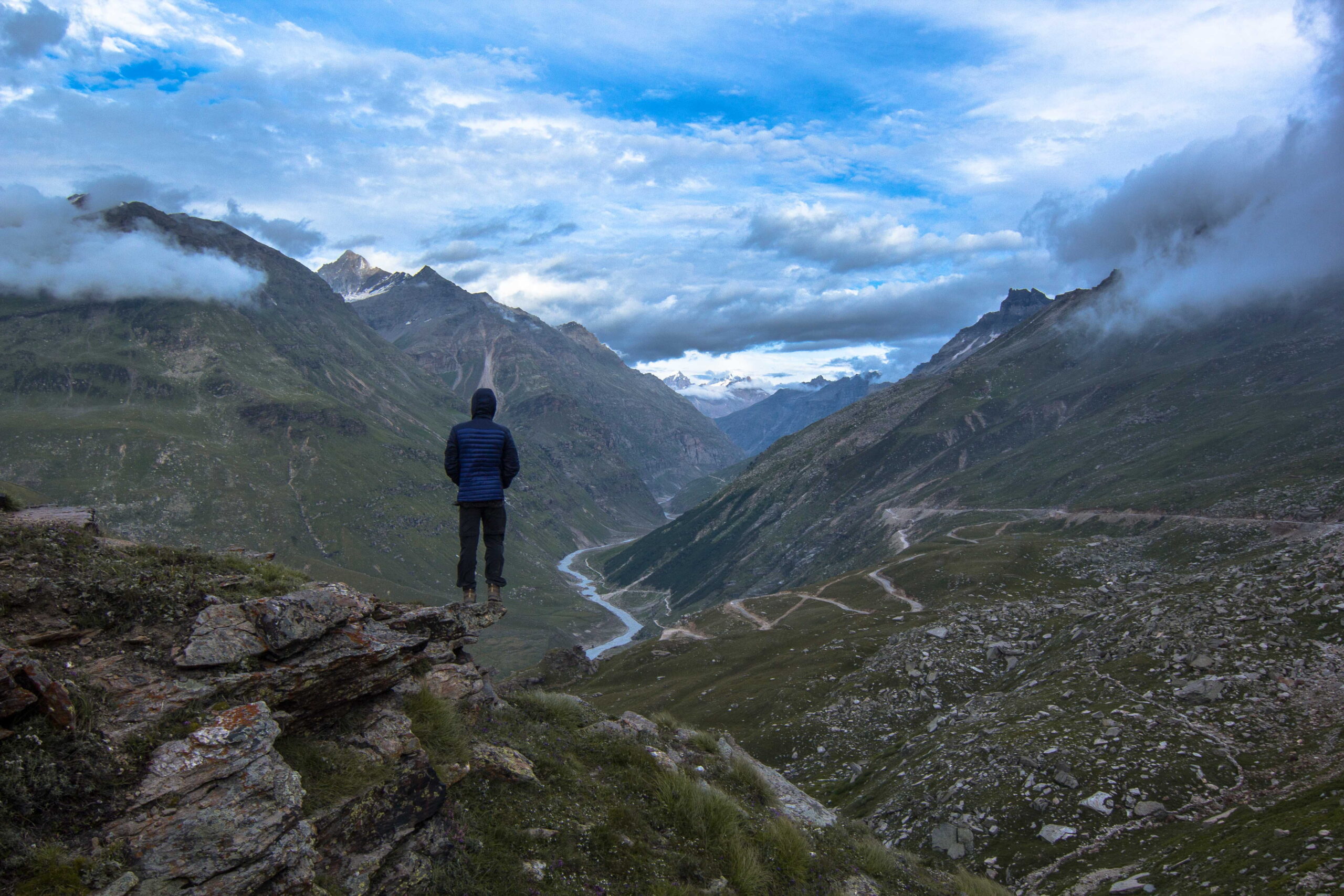
India’s Himalayan belt presents one of the most visually dramatic filming environments in the world. Stretching across Ladakh, Kashmir, Himachal Pradesh, and parts of Uttarakhand, this region offers landscapes defined by vast mountain ranges, high-altitude deserts, glacial valleys, alpine forests, and remote villages. For filmmakers seeking locations that convey scale and geographic intensity, the Himalayas provide cinematic environments that are difficult to replicate through studio production or digital effects.
Among these regions, Ladakh represents one of the most extreme remote filming environments in India. Located at elevations often exceeding 3,000 meters, Ladakh combines stark high-altitude deserts, expansive plateaus, frozen lakes, and dramatic mountain ridges that create visually striking cinematic frames. Productions filming in such environments frequently rely on local execution support through services like line producer in Leh Ladakh to coordinate high-altitude logistics, permits, transport planning, and crew movement across challenging terrain.
The terrain allows productions to simulate a wide range of global settings. Snow-covered peaks can represent Central Asian or Tibetan landscapes, while rugged mountain passes and isolated valleys often double for remote war zones, expedition narratives, or historical epics. Wide panoramic frames, minimal urban development, and natural topography give directors the ability to capture expansive visuals rarely possible in densely populated environments.
However, filming in Himalayan regions requires a high level of operational planning. Terrain accessibility varies widely across seasons, road networks are limited in certain areas, and environmental conditions can change rapidly. These constraints require production teams to coordinate closely with local authorities and experienced production partners. In regions such as Kashmir, international crews frequently rely on local execution expertise provided through services like line producer Kashmir to manage permits, logistics, and crew coordination across mountainous terrain.

Filming in Ladakh, Kashmir and Himachal Terrain
Ladakh, Kashmir, and Himachal Pradesh collectively represent the core Himalayan filming corridor in India. Each region offers distinct visual characteristics that attract different types of productions.
Ladakh is known for its stark high-altitude desert environment, characterized by barren mountains, dramatic ridgelines, and expansive plateaus. The region’s visual austerity makes it suitable for films portraying remote planetary landscapes, Central Asian territories, or isolated expedition environments. The thin population density and minimal urban interference also allow for uninterrupted landscape cinematography.
Kashmir, in contrast, offers alpine valleys, rivers, pine forests, and snow-covered peaks that resemble European mountain regions. Its visual diversity allows filmmakers to capture pastoral landscapes, winter sequences, and scenic aerial shots within relatively compact geographic distances. Himachal Pradesh contributes forested hillsides, colonial-era hill towns, and terraced agricultural landscapes that add architectural variety to mountain filming environments.
Productions operating across these regions often integrate multiple Himalayan locations within a single shoot. This creates visual variety while maintaining geographic continuity. In some cases, filmmakers extend their exploration of mountain environments into eastern Himalayan regions as well, including locations examined in a deeper exploration of filming across Himalayan environments and mountainous terrain.

Logistics of High-Altitude Productions
Filming at high altitude introduces logistical conditions that differ significantly from lowland productions. Reduced oxygen levels, extreme weather fluctuations, and limited infrastructure require production teams to implement specialized planning protocols before filming begins.
Crew acclimatization becomes a critical factor in regions above 3,000 meters. Production schedules often incorporate buffer days to allow crew members to adjust to altitude and avoid health risks such as altitude sickness. Medical preparedness, emergency evacuation planning, and portable oxygen systems are frequently incorporated into high-altitude production planning.
Equipment transport presents another challenge. Mountain roads are often narrow and subject to weather disruptions, particularly during winter or monsoon seasons. Heavy camera equipment, generators, and lighting systems must be transported carefully across long distances, sometimes requiring staged transport routes that involve trucks, smaller vehicles, and manual portage.
Accommodation infrastructure also varies significantly across Himalayan locations. While major tourist hubs provide hotels and guesthouses, remote valleys may require temporary production camps or adapted local facilities for crew housing. Power supply, internet connectivity, and communication networks often require supplementary solutions such as satellite communication systems or portable generators.
These logistical constraints do not deter productions; instead, they shape how projects are planned and executed. With proper preparation, experienced line production support, and realistic scheduling, the Himalayan regions of India remain among the most visually rewarding yet operationally complex environments for film production.
Desert and Arid Landscapes in Western India
Western India contains some of the most distinctive desert environments available to filmmakers in Asia. The Thar Desert, which stretches across large portions of Rajasthan, presents a landscape defined by sweeping sand dunes, arid plains, rocky outcrops, and centuries-old desert settlements. These environments have long attracted filmmakers seeking visually powerful backdrops that convey scale, isolation, and historical depth.
For global productions, desert locations often serve as cinematic substitutes for regions across the Middle East, North Africa, or Central Asia. Rajasthan’s terrain offers similar visual textures while providing access to India’s established film workforce and logistical networks. Wide horizons, uninterrupted landscapes, and dramatic lighting conditions allow cinematographers to capture expansive desert imagery that enhances epic storytelling.
Beyond pure geography, Rajasthan also combines natural desert terrain with architectural heritage. Fortified cities such as Jaisalmer and Jodhpur, desert caravan routes, and historic trade settlements create visually rich settings for period dramas, adventure films, and historical narratives. The combination of landscape and architecture enables productions to construct layered visual worlds without requiring multiple international locations.
Operating within these environments, however, requires experienced regional coordination. Productions frequently depend on local expertise provided through services such as line producer Rajasthan to manage permits, crew logistics, location access, and vendor coordination across widely dispersed desert locations.

Rajasthan’s Desert Ecosystems for Global Productions
Rajasthan’s desert ecosystems offer filmmakers a wide variety of terrain within the broader Thar Desert system. While many productions associate the region primarily with sand dunes, the landscape actually includes diverse ecological zones that expand visual storytelling possibilities.
The Sam and Khuri dune systems near Jaisalmer are among the most frequently filmed desert locations. These areas feature large, shifting sand formations that create the classic desert imagery often required for cinematic sequences. Sunrise and sunset lighting across these dunes produces dramatic contrasts and shadows that are particularly valued by cinematographers.
Beyond the dunes, Rajasthan includes dry grasslands, rocky desert plateaus, salt flats, and semi-arid scrubland. These landscapes provide visual variation while maintaining the overall desert aesthetic required for many film narratives. Historic desert towns also contribute architectural texture, offering sandstone forts, narrow alleyways, and centuries-old trade routes that enrich the visual identity of the region.
Because many of these locations are geographically dispersed, productions often integrate multiple desert sites within a single schedule. The operational planning behind these shoots is explored in a production guide explaining filming logistics across Rajasthan’s heritage and desert environments, where transportation corridors and location access strategies play a central role in scheduling.

Managing Crew Mobility and Equipment in Desert Terrain
Desert filming introduces logistical considerations that differ significantly from urban or mountainous production environments. Extreme temperatures, shifting sand surfaces, and limited infrastructure require careful planning to maintain both safety and production efficiency.
Transportation becomes a primary operational challenge. Many desert filming locations are accessible only through narrow rural roads or unpaved routes that require specialized vehicles. Equipment trucks must often stop at designated base points where smaller vehicles, camel carts, or manual transport methods carry equipment to filming sites across dunes or rocky terrain.
Temperature management also becomes a key production concern. Desert regions experience intense daytime heat followed by rapid nighttime cooling. These temperature fluctuations affect both crew working conditions and equipment performance. Cameras, batteries, and electronic gear must be protected from overheating, dust infiltration, and sand exposure.
Crew mobility planning often involves establishing temporary base camps near filming areas. These camps serve as staging zones for equipment storage, power generation, catering, and medical support. In large productions, logistical coordination may also include water transport, mobile cooling stations, and protective shelters for cast and crew.
Despite these challenges, desert filming remains highly attractive because of the visual rewards these landscapes provide. With structured planning, local expertise, and careful scheduling, Rajasthan’s arid terrain can support complex productions while delivering some of the most visually striking environments available in global filmmaking.
Forests, Wildlife and Ecological Filming Zones
India’s forest ecosystems represent some of the most visually rich and environmentally sensitive filming environments available to global productions. From dense tropical rainforests and mangrove ecosystems to dry deciduous forests and wildlife reserves, the country offers a wide range of natural landscapes that support diverse cinematic storytelling.
Filming within these environments requires a balance between creative objectives and environmental responsibility. Unlike urban or desert locations, forest ecosystems are governed by strict conservation laws designed to protect biodiversity and wildlife habitats. Many of these regions fall under national parks, tiger reserves, wildlife sanctuaries, or protected forest zones where filming activities are carefully regulated.
For productions seeking authentic jungle environments, these regions provide cinematic advantages that cannot easily be replicated through studio sets or artificial landscapes. Natural forest canopies create distinctive lighting conditions, dense vegetation provides immersive visual depth, and wildlife habitats add realism to environmental storytelling.
However, operating inside these ecosystems requires careful planning and adherence to environmental regulations. Productions must coordinate closely with forest departments, wildlife authorities, and local administrative bodies to ensure filming activities do not disrupt protected habitats.
A comprehensive operational breakdown of how productions prepare for filming in these environments is explored in a detailed guide to shooting in wildlife environments and protected forest zones, which outlines equipment considerations, transport logistics, and ecological safeguards required for responsible filming.

Filming Inside India’s Forest and Wildlife Regions
India’s forest ecosystems vary significantly across geographic regions, offering filmmakers a wide spectrum of visual environments. Tropical rainforests in the Western Ghats, dense sal forests across central India, mangrove ecosystems in the Sundarbans, and evergreen forests in the Northeast all provide distinctive natural backdrops for film productions.
Many of these regions support wildlife habitats that include elephants, tigers, deer, primates, and diverse bird species. For productions focused on environmental storytelling, wildlife documentaries, or adventure narratives, these ecosystems offer authenticity that studio environments cannot replicate.
Filming within such locations often requires operating inside or near protected forest reserves. These areas are managed by regional forest departments and national conservation authorities responsible for safeguarding wildlife populations and natural habitats. Production activity is therefore subject to strict guidelines governing crew movement, filming equipment, lighting systems, and sound levels.
Crew size is often restricted in sensitive ecological zones to minimize environmental disturbance. Productions may also be required to operate only within designated filming corridors or approved areas within larger forest reserves. These restrictions ensure that filming activities do not interfere with wildlife migration patterns, breeding zones, or protected vegetation.
Despite these operational constraints, India’s forest landscapes remain attractive to international productions because of their ecological diversity and cinematic realism. With proper planning and compliance, these environments can support visually powerful productions while preserving the ecological balance of the region.

Environmental Permissions and Conservation Compliance
Filming inside forest and wildlife zones requires navigating a multi-layered regulatory framework designed to protect ecological systems. Permissions are typically issued through forest departments at the state level, often in coordination with national conservation authorities depending on the protected status of the location.
Productions must submit detailed applications outlining filming schedules, equipment lists, crew size, and intended filming locations. Environmental impact considerations form an important part of this approval process. Authorities evaluate whether the proposed filming activity could affect wildlife habitats, vegetation, or protected ecosystems.
Certain restrictions commonly apply across most forest filming permits. Productions may be prohibited from using artificial lighting in sensitive areas, restricted from operating heavy vehicles within forest interiors, and required to maintain minimum distances from wildlife habitats. Noise levels are also regulated to avoid disturbing animal populations.
In some cases, forest departments may require ecological supervision during filming. Environmental officers or forest officials may accompany film crews to ensure compliance with conservation guidelines and location boundaries.
Understanding the administrative structure behind these approvals is essential for productions planning to shoot in ecological zones. The regulatory framework governing these permissions is explained in how film permits and regulatory compliance operate for productions across India, which outlines the broader permit architecture that governs filming activities nationwide.
Through careful coordination, environmental planning, and regulatory compliance, productions can successfully operate within India’s forest ecosystems while maintaining respect for the natural environments that make these locations visually extraordinary.
Coastal, Island and Tropical Remote Locations
India’s coastal and island regions represent some of the most visually distinctive remote filming environments in the country. Stretching across thousands of kilometers of shoreline and extending into tropical island territories, these regions offer filmmakers a combination of ocean landscapes, dense vegetation, backwater ecosystems, and coastal settlements that support a wide range of cinematic narratives.
Unlike mountainous or desert terrains, coastal filming environments introduce a different set of operational variables. Productions must plan around tidal cycles, seasonal monsoons, marine transport routes, and coastal environmental regulations. Infrastructure availability also varies significantly across regions, particularly when productions move away from major urban coastal hubs.
Nevertheless, the cinematic advantages of these locations remain significant. Tropical coastlines provide natural lighting conditions, lush landscapes, and distinctive cultural settings that are difficult to replicate elsewhere. Palm-lined beaches, fishing villages, backwater networks, and coral islands all create visually rich environments suitable for feature films, advertising campaigns, and international productions seeking exotic coastal aesthetics.
Southern India in particular offers several production-ready coastal environments supported by experienced regional crews and well-established filming infrastructure. A broader overview of how film production operations function across southern regions can be explored in a deeper overview of film production logistics across southern Indian locations, which explains how coastal and tropical filming environments are integrated into wider regional production networks.

Filming in Andaman, Kerala and Coastal Landscapes
India’s coastal geography spans multiple ecological zones, each offering distinct visual and cultural characteristics. Tropical islands in the Andaman archipelago present crystal-clear waters, coral beaches, and dense rainforests that create an ideal environment for cinematic storytelling set in remote or exotic locations.
Kerala’s coastline offers a different but equally distinctive visual language. Known for its extensive backwater networks, coconut-lined lagoons, and historic port towns, the region provides a combination of inland waterways and coastal landscapes rarely found in other parts of the world. These environments allow productions to capture riverine and oceanic visuals within relatively short travel distances.
Beyond these specific regions, India’s broader coastline includes fishing villages, historic trading ports, colonial settlements, and modern harbor infrastructure. This diversity allows filmmakers to recreate a variety of international settings while maintaining logistical feasibility within the country.
Productions operating in these environments often coordinate closely with local production partners who understand regional permitting systems, coastal transport networks, and environmental regulations. Operational coordination for such environments is typically managed through experienced regional teams such as a line producer Kerala who can facilitate local crew hiring, equipment sourcing, and location access.
Transporting Crew and Equipment to Island Locations
Filming in island environments introduces logistical complexities that differ significantly from mainland productions. Transportation becomes a central operational consideration, particularly when crew members, heavy filming equipment, and production infrastructure must be moved across sea routes or limited-access air corridors.
For island regions like the Andaman Islands, production teams typically rely on a combination of commercial flights, charter aircraft, and maritime transport to move personnel and equipment. Equipment shipments often require advance coordination with cargo handlers, port authorities, and customs officials to ensure timely delivery.
Limited infrastructure within island territories also requires productions to carefully plan resource availability. Camera systems, lighting equipment, generators, and support vehicles must often be transported from mainland production hubs. Accommodation planning becomes equally important, as island environments may have limited capacity for large international crews.
Weather conditions further complicate logistics in tropical regions. Monsoon seasons, sea conditions, and tropical storms can affect maritime transport schedules and production timelines. Consequently, production planning must incorporate contingency scheduling and flexible logistics management.
By coordinating transport networks, cargo routing, and local operational partnerships in advance, productions can successfully execute complex filming operations within island environments while preserving both schedule reliability and production efficiency.
Coordinating Remote Film Production Through Line Producers
Remote filming environments introduce logistical challenges that differ significantly from productions operating in major urban film hubs. When productions move into mountainous terrain, desert regions, forest reserves, or island territories, infrastructure becomes less predictable and operational coordination becomes more complex. In such environments, the role of the line producer becomes central to the success of the production.
Line producers function as the operational backbone of film production. They coordinate budgets, logistics, crew movement, permits, vendors, and infrastructure across multiple regions while maintaining production schedules and financial oversight. When filming takes place in remote areas, these responsibilities expand further because production teams must often build operational systems from scratch.
Remote environments rarely provide ready-made production ecosystems. Equipment may need to be transported across long distances, temporary accommodations must be arranged for crew members, and local authorities must be coordinated for location access and regulatory approvals. Managing these elements requires deep familiarity with regional administrative structures and logistical networks.
The operational responsibilities handled by line producers in India typically include budgeting, regional vendor coordination, permit management, and crew logistics across geographically diverse filming locations. Their ability to coordinate multiple operational layers ensures that production activity remains stable even when filming occurs far from established studio infrastructure.
Why Local Line Producers Are Critical for Remote Locations
Local line producers play a critical role when productions operate in geographically complex environments. Remote regions often lack established production infrastructure, which means filmmakers must rely heavily on regional knowledge to coordinate logistics and operational planning.
Local line producers understand the administrative frameworks that govern filming in different regions. This includes working with state authorities, district administrations, forest departments, and local police agencies to obtain filming permissions and coordinate on-ground operations. Without this knowledge, international productions can face delays or operational disruptions.
Regional expertise also extends to understanding transportation routes, accommodation availability, and environmental conditions that may affect filming schedules. For example, mountain filming may require specialized vehicles and altitude planning, while island shoots may depend on limited ferry routes or charter transport systems.
Local professionals also maintain established networks of vendors, technicians, equipment suppliers, and service providers who operate within these regions. These relationships significantly reduce the time required to mobilize production resources.
In remote environments where production margins are often tighter and operational uncertainty is higher, the ability of local line producers to anticipate logistical risks and coordinate regional stakeholders becomes essential to maintaining production continuity.

Vendor Networks, Logistics Systems and Multi-Region Coordination
Large productions frequently operate across multiple regions during a single filming schedule. A project may begin in an urban production hub, move into mountainous terrain for landscape sequences, and later shift to coastal or desert environments. Coordinating such geographically distributed production activity requires an integrated logistical system.
Line producers manage these systems by organizing regional vendor networks, equipment transport, crew movement, and accommodation planning across multiple filming environments. Equipment suppliers, camera teams, lighting technicians, transportation providers, and catering services must be coordinated across each production location while maintaining continuity of schedules and budgets.
Transport logistics also become complex when filming spans several remote environments. Equipment trucks may need to travel across mountain roads, specialized vehicles may be required for desert operations, and marine transport may be necessary for island locations. Each shift in terrain introduces new operational variables that must be carefully planned.
Managing these transitions requires a structured production framework that integrates logistics, compliance systems, and vendor coordination across multiple territories. A detailed explanation of these operational systems is provided in a broader framework explaining how line production execution operates across complex multi-location shoots, which outlines how productions maintain logistical continuity when operating across diverse geographic environments.
Through structured planning and coordinated vendor networks, line producers enable film productions to operate efficiently across India’s most geographically remote filming locations.
Conclusion
India’s remote filming environments continue to attract international productions because of the country’s extraordinary geographic diversity. Within a single national landscape, filmmakers can access Himalayan mountain ranges, expansive desert ecosystems, dense forest habitats, and tropical island environments. This diversity allows productions to recreate a wide range of cinematic settings without leaving the country.
However, filming outside major urban production hubs introduces logistical complexities that require careful planning. Transporting equipment, coordinating crew accommodation, securing regulatory approvals, and managing environmental conditions all become more challenging when productions operate in geographically isolated areas.
Remote filming therefore depends heavily on structured production planning. Permissions must be secured across multiple government departments, infrastructure must be temporarily established, and equipment must be moved through challenging terrain. These logistical variables must be integrated into production schedules and budgets from the earliest stages of pre-production.
Line producers play a central role in coordinating these operations. By managing regional vendor networks, navigating regulatory frameworks, and organizing logistics across multiple environments, they ensure that productions remain operational even in the most remote filming locations.
Through coordinated execution and strong regional partnerships, India’s diverse landscapes continue to support complex international productions seeking visually distinctive environments beyond traditional studio settings.
