
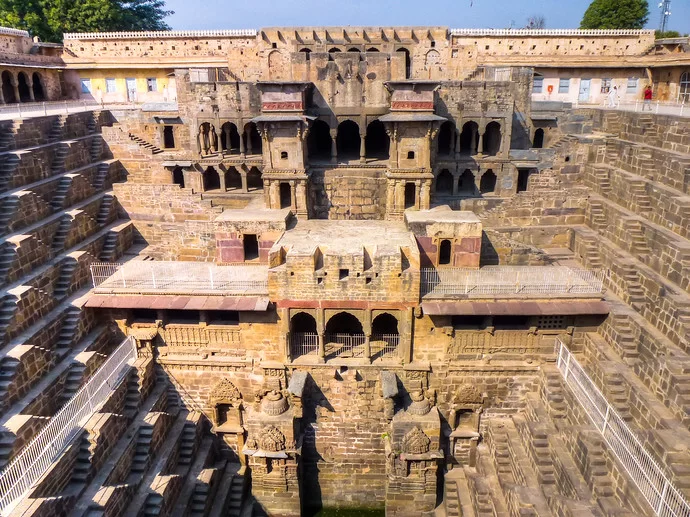
Line producer India and international co-productions are becoming the backbone of global filmmaking. Today, filmmakers seek authenticity, diverse landscapes, and cost efficiency. Asia and the Middle East have emerged as powerful destinations, blending cinematic beauty with strategic economic advantages. From the deserts of Jordan to the palaces of Rajasthan, from Vietnam’s emerald bays to Indonesia’s tropical landscapes, this is your complete guide to planning a cross-border production.
Why Asia and the Middle East are the Next Global Filming Hubs
The global film economy is shifting eastward. Hollywood studios, OTT platforms, and independent filmmakers are increasingly setting up shoots in South Asia and the Middle East. Why? Three compelling reasons:
- Cost Efficiency: Filming in India, Jordan, Vietnam, or Indonesia often costs 30–50% less than Western markets.
- Visual Diversity: Rajasthan’s forts, Kashmir’s snow-capped valleys, Jordan’s deserts, and Bali’s beaches offer unmatched versatility.
- Government Incentives: Tax rebates, simplified permit systems, and film-friendly policies are attracting large-scale productions.
Example: Jordan provided massive incentives to blockbusters like Star Wars: The Rise of Skywalker and Dune, while India’s Rajasthan hosted sequences of The Dark Knight Rises and several Bollywood epics.

India’s Role in Global Cinema
India isn’t just Bollywood. It’s a powerhouse of world-class crews, sound stages, and heritage locations. States like Rajasthan, Delhi, and Kashmir are magnets for international filmmakers.
Top Filming Destinations in India
- Rajasthan: Jaipur’s palaces, Jodhpur’s forts, and Udaipur’s lakes create royal backdrops.
- Delhi: Perfect for urban drama and political thrillers.
- Kashmir: Scenic landscapes ideal for romance and adventure.
Production Advantages
- Skilled Crew Base: India offers English-speaking technicians and line producers experienced in global workflows.
- Competitive Costs: Filming in India can reduce production budgets significantly.
- Incentives: The Indian government offers up to 30% cash rebates for international productions.
Jordan’s Film Advantage
Jordan has positioned itself as a cinematic hub in the Middle East. The Royal Film Commission actively promotes Jordan as a destination for international shoots.
Key Highlights
- Petra and Wadi Rum: Iconic locations used in Indiana Jones, Lawrence of Arabia, and Star Wars.
- Film-Friendly Laws: Quick permit approvals and dedicated government support.
- Rebate Program: Up to 25% cash rebate for foreign productions spending in Jordan.
Why Filmmakers Choose Jordan: Stunning desert landscapes, cultural authenticity, and ease of doing business in the region.

Vietnam and Indonesia – The Rising Stars
As OTT platforms expand in Asia, Vietnam and Indonesia are stepping into the spotlight.
- Vietnam: Known for Ha Long Bay and its vibrant urban settings.
- Indonesia: Bali and Jakarta attract lifestyle and adventure productions.
- Advantages: Competitive labor costs, emerging film commissions, and diverse locations.
Example: Recent Netflix Originals have explored Vietnam’s cities, while luxury ad campaigns frequently shoot in Bali.
Economic & Cultural Impact of Co-Productions
International co-productions do more than tell stories—they build bridges.
- Economic Benefits: Jobs for local crews, growth in hospitality, and tourism spikes post-release.
- Cultural Diplomacy: Films shot in Jordan or India promote heritage and soft power globally.
- Trade Synergy: Cross-border film agreements foster stronger economic ties.
Fact: After The Best Exotic Marigold Hotel was filmed in Rajasthan, tourism inquiries in Udaipur rose by 32%.
How to Plan Your Shoot Across Borders
Planning a multi-country shoot involves legal, logistical, and cultural coordination.
Step 1: Engage a Local Line Producer
Hiring a line producer in India or Jordan ensures:
- Accurate budgeting.
- On-ground crew management.
- Vendor negotiations.
Step 2: Secure Permits and Visas
Every region has its rules. For example:
- Jordan: Royal Film Commission oversees film permits.
- India: Single-window clearance under the Film Facilitation Office.
Step 3: Understand Customs and Regulations
Importing equipment? Both India and Jordan have clear but distinct customs processes.
Building a Co-Production Ecosystem
Co-production treaties unlock mutual benefits like funding and rebates. India has treaties with:
- UK
- France
- Germany
- South Korea
- And more under negotiation with Jordan and Southeast Asian nations.
These treaties help reduce costs and simplify visa processes for international talent.
Case Studies: Success Stories
Case 1: Rajasthan Meets Hollywood
The Dark Knight Rises included sequences in Jodhpur’s Mehrangarh Fort, boosting global interest in Indian heritage sites.
Case 2: Star Wars in Jordan
Jordan’s Wadi Rum transformed into alien landscapes, generating a tourism boom post-release.
Why This Matters for Filmmakers
Global cinema is no longer about Hollywood dominance. Asia and the Middle East are the future, thanks to affordability, talent, and stunning locations. With streaming platforms demanding diverse stories, producers who embrace cross-border production gain a competitive edge.
Download Our Complete Research
Want an in-depth framework on Indo-Jordan-South Asia film collaborations?
This thesis includes:
- Detailed policy analysis.
- Economic impact models.
- Step-by-step co-production frameworks.
Final Thoughts
Cross-border film production isn’t just a trend—it’s the next evolution of global cinema. Whether you’re planning a Bollywood-Hollywood hybrid, an OTT original, or a documentary, regions like India, Jordan, Vietnam, and Indonesia offer unmatched advantages. The future belongs to those who blend creativity with global strategy.
Internal Links
