
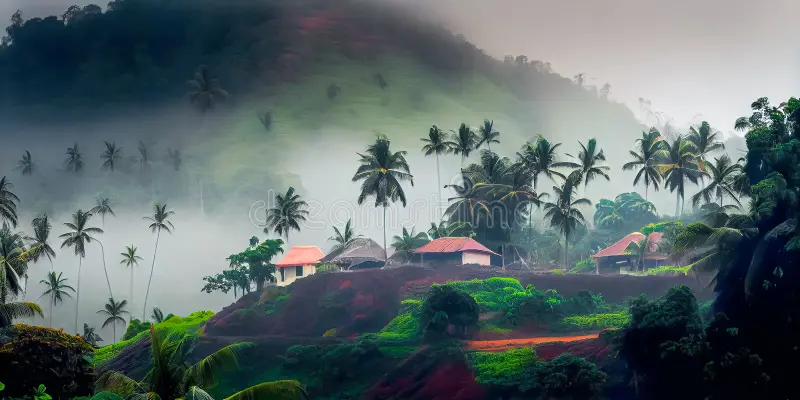
In-Depth Guide to Crew, Budgets, and Travel
Kerala, renowned for its lush landscapes and vibrant culture, is a prime location for film production. As a professional line producer in Kerala, understanding the local crew dynamics, budget considerations, and travel logistics can significantly enhance the production experience. This guide provides detailed insights into these aspects, helping you navigate the film production process effectively in this beautiful region.
Filming in Kerala and other coastal regions of South India offers a unique blend of scenic beauty, cultural richness, and professional filmmaking resources. From the tranquil backwaters of Kerala to the vibrant coastal towns of Gokarna, Mangalore, and South Goa, these locations provide diverse backdrops for any film. This guide will explore why South India stands out in the film industry, detailing the advantages of filming here, including crew quality, location variety, and logistical considerations.
South India Line Production Ecosystem
South India does not operate as a single-location market. Instead, it functions as a connected execution corridor where multiple states support one production pipeline. Kerala, Tamil Nadu, Karnataka, Telangana, and Goa are typically used in combination rather than isolation. This allows productions to optimize terrain, cost, and infrastructure without being restricted to one geography.
Working with a line production network across South India enables flexible routing of shoots. Kerala can deliver backwaters and greenery, Chennai supports studio-heavy schedules, Hyderabad provides large-scale set infrastructure, and Bangalore offers modern urban environments. This multi-state integration reduces downtime and improves scheduling control.
For international productions, this corridor approach is critical. Instead of relocating units across countries, producers can simulate multiple visual environments within South India itself. This reduces logistics complexity, lowers cost exposure, and maintains continuity under a single production management system.

Multi-State Shoot Planning and Location Routing
Large productions rarely stay confined to Kerala alone. A structured routing strategy is required to determine which parts of South India serve specific script requirements. This involves mapping terrain to narrative, aligning crew availability, and balancing travel efficiency.
For example, coastal sequences may be executed in Kerala or Goa, while controlled interior builds shift to Chennai or Hyderabad. Similarly, high-density urban scenes are often routed through Bangalore or Chennai depending on permit ease and visual requirements. This layered planning ensures that each location is used for its strongest production advantage.
A well-designed routing plan also reduces idle crew time. Instead of transporting entire units repeatedly, productions segment schedules across zones. This allows parallel preparation across states while maintaining a continuous shoot cycle.
Expanding Beyond Kerala: Tamil Nadu, Karnataka and Hyderabad
Kerala is often the entry point, but the broader South Indian ecosystem expands production capability significantly. Tamil Nadu, particularly Chennai, remains one of India’s strongest studio-driven production bases. It supports controlled shoots, set builds, and post-production workflows.
Karnataka, led by Bangalore and regions like Coorg and Gokarna, adds a mix of urban and natural environments. These locations are particularly useful for contemporary narratives and hybrid scripts requiring both city and landscape transitions.
Hyderabad line production ecosystem, anchored by Ramoji Film City, provides scale that few other locations in India can match. Large sets, art departments, and controlled environments allow productions to execute complex sequences without external disruptions.
Together, these territories form a production grid rather than standalone options.
Kerala vs Other South Indian States for Film Production
Kerala operates very differently when compared to other South Indian production hubs. While it offers unmatched natural environments—backwaters, greenery, and coastal depth—its strength lies in realism rather than controlled production. Tamil Nadu, particularly Chennai, dominates studio-based filmmaking with structured indoor shoots and predictable scheduling. Hyderabad, anchored by large-scale studio ecosystems, allows productions to build entire worlds within controlled environments.
Karnataka sits in between, offering both urban density through Bangalore and natural terrains like Coorg and Gokarna. However, Kerala remains the preferred choice when the script demands authenticity, water-based landscapes, or culturally rooted visuals. The decision is rarely about choosing one state over another—it is about combining them strategically within a single production pipeline.
Permits and Film Permissions in Kerala
Filming in Kerala requires structured coordination with local authorities, especially when working across public spaces, coastal zones, and culturally sensitive locations. Unlike metro cities where permissions are centralized, Kerala often involves multiple layers—municipal approvals, local police coordination, and in some cases, community-level alignment.
Coastal regulation laws can impact shoots near beaches and backwaters, particularly for large equipment setups or drone usage. Similarly, temple and heritage locations require strict adherence to cultural protocols and restricted access timings. Working with an experienced local line production team ensures these approvals are pre-aligned, preventing delays during principal photography.
Equipment and Production Infrastructure in South India
South India has evolved into a highly reliable equipment and infrastructure ecosystem. Cities like Kochi, Chennai, and Hyderabad offer access to high-end cameras, lighting rigs, and grip equipment at competitive rates. While Kerala itself supports most standard production needs, large-scale builds or specialized equipment are often routed through Chennai or Hyderabad.
Studio infrastructure also varies by state. Kerala leans more toward real-location shooting, whereas Chennai and Hyderabad provide controlled studio environments with art departments, set construction capabilities, and post-production integration. This allows productions to balance realism with control by splitting schedules across regions.

Location Diversity Within Kerala
Kerala’s strength lies in its compact yet highly diverse geography. Within a few hours of travel, productions can move between backwaters, hill stations, dense forests, and coastal belts. This reduces the need for long-distance relocation while still offering visual variation.
Backwaters provide a unique aquatic landscape rarely found elsewhere in India. Hill stations like Munnar introduce mist, elevation, and plantation visuals, while coastal regions deliver clean, less-commercialized beach environments. This density of locations allows tighter scheduling and reduces logistical fatigue across units.
Managing Weather and Climate Risks
Weather is one of the most critical variables when filming in Kerala. The monsoon season can significantly disrupt schedules, especially for outdoor shoots and water-based sequences. Even outside monsoon months, high humidity levels can affect equipment performance and crew endurance.
Planning buffers into the schedule is essential. Productions often allocate flexible shoot days or parallel indoor setups to mitigate weather-related risks. Additionally, protective measures for equipment—especially cameras and lighting—are necessary to prevent moisture damage during extended outdoor shoots.
Transportation and Movement of Film Units
Logistics in Kerala require careful planning due to terrain and road conditions. While major cities like Kochi and Thiruvananthapuram are well-connected, interior locations such as backwaters and hill stations involve additional travel time and coordination.
Efficient productions segment their units instead of moving entire crews across locations. Equipment trucks, camera units, and art teams are often scheduled independently to reduce downtime. When integrated with a broader South India routing plan, this approach ensures continuity without overloading a single location.
Vendor Ecosystem and Local Partnerships
Kerala has a dependable but relatively localized vendor ecosystem. From equipment rentals to catering and transport, most services are available within key hubs like Kochi. However, scaling production often requires supplementing local vendors with resources from Chennai or Bangalore.
Strong local partnerships are critical. Local fixers, transport providers, and hospitality teams play a major role in maintaining schedule efficiency. Productions that invest in these relationships early tend to experience fewer disruptions during execution.
Safety, Compliance, and On-Ground Risk Management
Safety management in Kerala differs from high-density urban shoots. Crowd control is generally easier in rural and semi-urban locations, but environmental risks—such as water bodies, uneven terrain, and weather—require attention.
Compliance also extends to environmental regulations, especially in ecologically sensitive zones. Insurance coverage, risk assessments, and emergency protocols must be aligned before shoot commencement. A structured line production setup ensures these factors are integrated into daily operations rather than handled reactively.

Digital and OTT Production Trends in South India
The rise of OTT platforms has significantly increased demand for South Indian locations, including Kerala. Productions now require visually rich but cost-efficient environments, making Kerala’s landscapes highly relevant for streaming content.
Multi-language productions are also becoming standard. South India’s ability to support Tamil, Telugu, Malayalam, and Kannada workflows allows simultaneous or adapted shoots across markets. This has strengthened the region’s position as a scalable production corridor rather than a regional industry.
Scaling Productions from Small Crews to Large Units
Kerala supports both small independent shoots and larger productions, but scaling requires structural adjustments. Smaller crews benefit from flexibility and lower costs, while large productions need tighter coordination, especially across locations.
Multi-unit shooting becomes essential at scale. Separate teams handle locations, equipment, and schedules in parallel, reducing idle time. When integrated with other South Indian hubs, this scaling model allows productions to expand without compromising efficiency.
Cultural Sensitivity and Local Integration
Kerala’s cultural landscape requires respectful engagement, particularly when filming in temples, villages, or traditional settings. Local communities are generally cooperative, but productions must align with social norms and practices.
Language can also be a factor. While English is widely understood in professional environments, local coordination often benefits from Malayalam-speaking crew members. Cultural alignment not only avoids friction but also enhances authenticity within the film itself.
Post-Production and Wrap-Up Logistics
Post-production workflows are typically split across cities. While Kerala handles principal photography, editing, VFX, and sound design are often completed in Chennai, Hyderabad, or Mumbai.
Wrap-up logistics include equipment returns, vendor settlements, and financial reconciliation. Efficient productions pre-plan exit strategies to avoid delays after shoot completion. This ensures that resources are cleared systematically without extending production timelines.
Why Choose Kerala for Filming?
Scenic Beauty and Unique Vibes
Kerala, often dubbed “God’s Own Country,” offers unparalleled natural beauty with its serene backwaters, lush landscapes, and traditional houseboats. Locations such as Alappuzha and Kumarakom provide picturesque settings ideal for both dramatic and romantic scenes. The coastal regions of Kerala, including Vypin Island and Kovalam Beach, offer diverse coastal vibes that can add depth to your film.


Back Waters & House Boats
Mythical and Cultural Significance
Kerala’s rich cultural heritage adds a layer of authenticity to your project. The state’s traditional art forms, festivals, and historic temples provide a unique backdrop that can enhance the narrative of any film. Whether you’re filming in ancient temples or capturing vibrant local festivals, Kerala’s cultural landscape can significantly enrich your production.

Coastal Filming Locations in South India
Gokarna
Gokarna, in Karnataka, for its pristine beaches and laid-back atmosphere. Its coastal charm and less commercialized environment make it an ideal spot for capturing authentic beach scenes without the crowds. The town’s temples and surrounding natural beauty also offer interesting filming opportunities.
Mangalore
Mangalore, a bustling port city, combines urban and coastal aesthetics. Its picturesque beaches, such as Panambur and Tannirbhavi, along with the city’s vibrant markets and cultural sites, provide diverse filming options. Mangalore’s blend of modernity and tradition can be perfect for films seeking a mix of contemporary and traditional Indian settings.
South Goa
South Goa is famous for its tranquil beaches and lush landscapes. Unlike the more commercialized North Goa, South Goa offers serene beaches like Palolem and Agonda, ideal for films that require a peaceful and idyllic coastal backdrop. The area’s natural beauty and relaxed vibe can add a unique atmosphere to your scenes.

Advantages of Filming in South India
High-Quality Crew and Technicians
South India is home to some of the finest film technicians and crew. The industry with superior VFX and production quality, often surpassing Bollywood standards. The success of films like Baahubali demonstrates the high caliber of local talent, ensuring that your project benefits from professional expertise.
Efficient and Professional Film Production
South Indian film crews, renowned for their professionalism and efficiency. The availability of skilled technicians, including camera operators, sound engineers, and VFX artists, means that you can expect top-notch production values. Hyderabad’s Ramoji Film City, located just an hour’s flight away, offers a vast array of props and an experienced art team to support your filming needs.
Cost-Effective Filming
South India is more cost-effective compared to other regions, due to lower costs of living and production expenses. The high-quality resources available at a competitive price make it an attractive option for filmmakers.
Practical Considerations for Filming
Best Time to Visit
The ideal time to film in Kerala and South India is between November and January. During this period, the weather is pleasant, with cooler temperatures and less humidity. Outside this window, the climate can be extremely humid and tiring, which may affect production schedules and crew comfort.
Logistics and Travel
While Kerala and South India’s filming locations are diverse and stunning, they can be spread out, requiring considerable travel between sites. Planning and coordinating transportation is crucial to ensure smooth operations and minimize downtime. It’s advisable to work with local scouts and production managers to streamline logistics and optimize your filming schedule.
Local Hospitality
The people of South India are warm, humble, and honest This friendly atmosphere not only makes the filming experience enjoyable but also fosters a positive working environment. Engaging with local communities can enhance the authenticity of your film and create lasting memories.
Crew Management: Assembling a Talented Team
Line production teams in Kerala are responsible for managing diverse film crews, coordinating departments, and maintaining schedule discipline across locations. They are responsible for managing a diverse and skilled film crew. Kerala’s film industry, though smaller compared to major hubs, offers a range of experienced professionals ready to support various production needs.
Crew Options in Kochi
Kochi (Cochin) is the heart of Kerala’s film industry and provides a rich pool of talent. From directors and cinematographers to production assistants and sound engineers, Kochi’s film professionals are well-versed in both local and international standards.
- Experienced Professionals: Kochi is home to several renowned production houses and talent agencies. These professionals are experienced in handling different genres and scales of projects, from small indie films to large-scale productions.
- Specialized Services: The city offers specialized services including high-end cinematography and advanced visual effects, supported by modern equipment and technology.
Crew Availability in Thiruvananthapuram and Munnar
Thiruvananthapuram and Munnar also provide skilled crews, although on a more localized scale.
- Thiruvananthapuram: As the state capital, Thiruvananthapuram has a growing film industry with talented crew members capable of handling various production roles. The city’s proximity to government offices can also be beneficial for obtaining necessary permits and approvals.
- Munnar: Known for its picturesque landscapes, Munnar has a smaller film industry but provides local crew members adept at working in natural settings. Local professionals are well-acquainted with the logistics of shooting in rural and scenic areas.
Budgeting for Film Production: Effective Cost Management
Managing the budget effectively is a key responsibility for a producer in Kerala. The region offers competitive pricing, making it an attractive option for film production.
Cost Considerations in Kochi
Kochi offers a favorable budget environment for film production. Here are key areas to consider:
- Equipment Rental: Kochi has several equipment rental companies offering competitive rates for cameras, lighting, and sound equipment. Rentals are generally more affordable compared to other major film hubs producing in Kochi.
- Studio Rentals: Studio space in Kochi is reasonably priced. Studios provide a range of amenities and support services tailored to various production needs.
- Labor Costs: Crew rates in Kochi are lower compared to Western countries, providing significant cost savings for film productions.
Budgeting in Thiruvananthapuram and Munnar
- Thiruvananthapuram: The capital city offers cost-effective options for equipment and studio rentals. While labor costs are similar to those in Kochi, some specialized services may be priced higher due to limited availability.
- Munnar: Production costs in Munnar can be higher due to the remote location. Costs for transporting equipment and crew may add to the overall budget, but the breathtaking scenery often justifies these expenses.
Tax Incentives
Kerala provides tax incentives for film productions, including rebates on local expenditures. For more information on these incentives, visit the Kerala State Film Development Corporation.
Travel and Accommodation: Ensuring Comfort and Efficiency
Arranging travel and accommodation is crucial for a successful film shoot; on-ground line production teams, managing these aspects efficiently ensures the crew’s comfort and productivity.
Future of Film Production in South India
South India is transitioning into a structured production corridor with increasing global relevance. Infrastructure investments, improved connectivity, and growing technical expertise are positioning the region as a long-term alternative to traditional global hubs.
Kerala will continue to play a key role within this system—not as a standalone destination, but as a specialized location within a larger execution network. Productions that understand this integrated approach will extract maximum value from the region while maintaining operational control.
Travel Tips for Kochi, Thiruvananthapuram, and Munnar
- Kochi: Kochi’s international airport offers frequent flights to major cities worldwide. The city’s infrastructure supports smooth travel within and around the metropolitan area.
- Thiruvananthapuram: The city’s airport provides domestic and international flights, facilitating easy access for international crews. Thiruvananthapuram is also well-connected to other parts of Kerala by road and rail.
- Munnar: Travel to Munnar involves a domestic flight to Kochi followed by a scenic drive. While the journey to Munnar can be longer, the stunning landscapes provide a rewarding experience.
Accommodation Options
- Kochi: The city offers a wide range of accommodation options, from luxury hotels to budget guesthouses. Many hotels cater specifically to film crews, providing services such as meeting rooms and business centers.
- Thiruvananthapuram: Accommodation in Thiruvananthapuram includes high-end hotels and budget-friendly options. Many hotels offer special rates for film crews and are well-equipped to handle larger groups.
- Munnar: Munnar features a variety of resorts and hotels, ranging from upscale to budget-friendly. The scenic beauty of the area often influences accommodation prices, but there are options available to suit different budgets.

Conclusion
For a production team in Kerala, managing a film production involves navigating crew dynamics, budgeting, and travel logistics effectively. Kerala’s rich talent pool, cost-effective production environment, and stunning locations make it an excellent choice for filmmakers. By leveraging local expertise and resources, you can ensure a smooth and successful production process in this enchanting region.
Filming in Kerala and South India offers a rich tapestry of locations, cultural depth, and professional resources. From the serene backwaters of Kerala to the vibrant coastal towns of South Goa, the region provides diverse and captivating settings for any film project. With a highly skilled crew, cost-effective production options, and unparalleled scenic beauty, South India is a top choice for filmmakers looking to create memorable and impactful stories.
