
Line Production in Andaman and Nicobar Islands: Strategic Overview
Line production in the Andaman and Nicobar Islands is emerging as a serious alternative for filmmakers seeking visually rich, controlled, and logistically manageable locations within India. The archipelago offers cinematic diversity that ranges from turquoise coastlines and dense rainforests to colonial-era settlements and untouched interiors. Because of this range, the islands increasingly function as effective stand-ins for parts of Europe, Southeast Asia, and island nations, while remaining cost-efficient and legally simpler than overseas shoots.
A professional line production setup in the Andaman and Nicobar Islands ensures that creative ambition aligns with on-ground realities. Filming here requires careful coordination due to geographic isolation, environmental protections, and transport dependencies. Therefore, experienced line producers play a central role in managing permissions, crew movement, equipment flow, and daily production logistics. When structured correctly, productions benefit from reduced noise, minimal public disruption, and exceptional production value.
Why Filmmakers Are Choosing Andaman and Nicobar for Line Production
Geographic Versatility and Visual Range
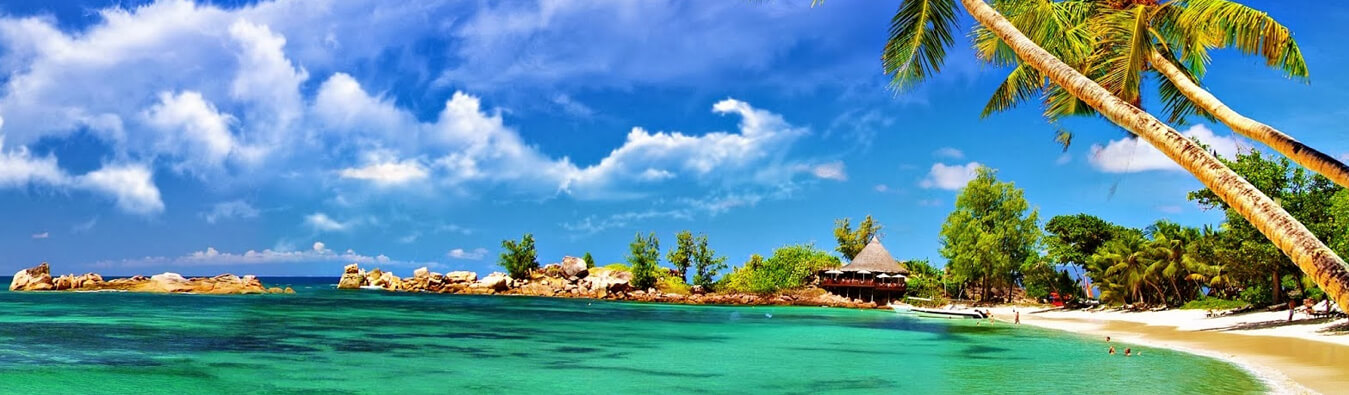
The Andaman and Nicobar Islands offer a rare combination of visual elements within short travel distances. White-sand beaches, coral reefs, tropical forests, mangroves, and rocky coastlines exist within the same shooting radius. Locations such as Radhanagar Beach, Havelock Island, Neil Island, and Ross Island provide distinct looks that can double for Mediterranean coastlines, Southeast Asian resorts, or remote European island settings.
Because of this diversity, filmmakers can achieve multiple visual environments without relocating units extensively. As a result, shooting schedules remain compact, and travel fatigue reduces significantly. This geographic efficiency directly improves budget control and crew productivity.
A Controlled and Distraction-Free Shooting Environment
Unlike metropolitan filming hubs, the Andaman Islands offer a calm, low-density environment. Traffic interruptions, crowd control issues, and ambient noise remain minimal. Consequently, directors achieve cleaner sound, uninterrupted takes, and better continuity.
The absence of large-scale commercial clutter also helps period films, travel narratives, and international stand-in projects. For productions aiming to simulate European or island destinations without modern intrusions, this becomes a major advantage.
Andaman as an Effective Stand-In for Europe and International Locations
Natural Locations That Replace Overseas Shoots
Several coastal and forested locations in the Andaman Islands successfully double for parts of Southern Europe, island Greece, coastal Italy, and even sections of Southeast Asia. The clarity of water, untouched shorelines, and tropical lighting conditions closely resemble international destinations that otherwise involve high travel and permit costs.
This stand-in value becomes particularly effective for:
- Travel films and lifestyle commercials
- Romantic dramas and independent features
- International OTT productions with budget sensitivity
Moreover, weather consistency across most of the year allows flexible scheduling, reducing the risk of extended holding costs.
Films That Demonstrate the Islands’ Cinematic Potential
Over the years, several notable productions have leveraged the Andaman Islands effectively:
- Life of Pi (2012) utilized island landscapes to support oceanic and survival visuals
- Shaurya (2008) used the region’s isolation to heighten dramatic tension
- Rang De Basanti (2006) featured select sequences shot in the islands
- Kaal (2005) used dense forests to enhance atmospheric suspense
- Classic films such as Shaan (1980) and Goopy Gyne Bagha Byne employed the islands’ natural backdrops
These projects demonstrate how the region supports both contemporary and classic storytelling formats.

Films Shot in Andaman and Nicobar Islands
Numerous films highlight the islands’ charm. Line production Andaman Nicobar supported these projects. Below, a table lists key movies with details.
| Film Title | Year | Genre | Key Locations | Notable Aspects |
|---|---|---|---|---|
| Kaalapani | 1996 | Drama | Cellular Jail, Port Blair | Depicts independence struggles in the islands. |
| Shaan | 1980 | Action | Havelock Island | Features picturesque beaches and action sequences. |
| Rang De Basanti | 2006 | Drama | Various islands | Includes scenic shots enhancing patriotic themes. |
| Kaal | 2005 | Horror | Forests | Uses eerie landscapes for thriller effects. |
| The Fall | 2006 | Adventure | Andaman beaches | Stunning visuals of natural beauty. |
| Nanban | 2012 | Comedy | Island settings | Captures youthful energy amid tropics. |
| Captain Miller | 2024 | Action | Nicobar areas | Modern take on historical events. |
| Andaman Kaidhi | 1952 | Drama | Port Blair | Early film showcasing island life. |
| Retro | 2025 | Thriller | Various | Recent production using remote spots. |
| Akashathinte Niram | 2012 | Drama | Nicobar | Explores isolation themes. |
These films demonstrate versatility. For example, Kaalapani used the Cellular Jail effectively. Similarly, Hollywood considered the islands for projects like Peter Weir’s film.
Role of Line Producers in Andaman and Nicobar Film Projects
Navigating Permissions and Local Compliance
Filming in the Andaman and Nicobar Islands requires coordination with multiple authorities, including local administration and environmental departments. Certain beaches, forests, and coastal zones fall under protected categories. A line producer ensures that location access aligns with regulations while preventing delays caused by incomplete documentation.
Single-location permits, environmental clearances, and movement permissions often need to be sequenced carefully. Without structured handling, productions risk downtime. With experienced line production support, approvals remain predictable and manageable.
Managing Logistics in an Island Geography
Island-based filming presents unique logistical challenges. Equipment transport relies on flights and ferries. Crew movement depends on weather conditions and inter-island schedules. Accommodation availability fluctuates seasonally.
Line producers plan these variables in advance. They schedule buffer days, pre-book ferries, manage cargo timelines, and coordinate local transport. As a result, production timelines remain intact even when working across multiple islands.
Cultural Sensitivity and Local Engagement
Respecting Indigenous and Local Communities
The Andaman and Nicobar Islands are home to indigenous groups and long-settled communities. Filming requires sensitivity to cultural norms and restricted zones. A responsible line production framework ensures that shoots respect local customs and avoid areas that require special protection.
Engaging local talent, vendors, and support staff also strengthens community cooperation. This approach not only smoothens production but also contributes positively to the local economy.
Benefits of Hiring Local Crew and Services
Local technicians, boat operators, drivers, and production assistants bring valuable regional knowledge. They understand terrain conditions, weather shifts, and logistical shortcuts. Integrating them into the production workflow improves efficiency and reduces dependency on mainland resources.
From a budget perspective, local hiring also helps control costs while maintaining operational reliability.

Setting the Foundation for Production Success
Line production in the Andaman and Nicobar Islands works best when approached as a planned ecosystem rather than an improvised location shoot. The islands reward preparation with exceptional visuals, controlled environments, and international stand-in potential.
Line Production in Andaman and Nicobar Islands: Pre-Production Framework
Pre-production determines whether a shoot in the Andaman and Nicobar Islands remains efficient or becomes logistically strained. Because the islands operate within a limited-resource ecosystem, every production decision must be planned with precision. A structured line production approach ensures that creative intent translates smoothly into executable schedules, budgets, and workflows.
Experienced line producers begin by mapping the script against island realities. Scene requirements, water access, night shoots, crowd presence, and equipment intensity all influence feasibility. Consequently, detailed breakdowns help avoid over-scaling sequences that may strain transport or environmental permissions.
Script Breakdown and Location Mapping
Every project starts with a script-to-location alignment exercise. Beaches, forests, jetties, colonial structures, and residential areas each fall under different administrative controls. Therefore, line producers evaluate which locations can realistically support the script without compromising timelines.
For example, sunrise or sunset sequences on west-facing beaches require ferry timing coordination. Similarly, jungle interiors demand daylight windows and wildlife compliance. By addressing these factors early, production teams avoid costly last-minute rewrites or relocations.
Budget Structuring for Island Productions
Budgeting for line production in Andaman and Nicobar Islands differs from mainland projects. While location fees remain reasonable, transport and accommodation require careful allocation. Line producers structure budgets to balance savings from minimal crowd control and location rentals against higher logistics costs.
Key budget heads include:
- Air freight and excess baggage for equipment
- Inter-island ferry movements
- Contingency buffers for weather-related delays
- Accommodation blocks during peak tourist seasons
This approach keeps overall expenditure predictable and transparent.
Location Scouting Across Andaman and Nicobar Islands
Coastal and Beach Locations
The islands’ beaches remain their strongest cinematic asset. Radhanagar Beach, Elephant Beach, Kalapathar Beach, and Neil Island offer distinct textures—from soft white sands to rugged coastlines. These locations often double convincingly for Southern Europe, island Greece, or Mediterranean coastlines when framed correctly.
Line producers secure early-morning or late-evening access to avoid tourist overlap. They also coordinate with local authorities to ensure minimal environmental impact during filming.
Forests, Interiors, and Stand-In Landscapes
Dense tropical forests in Baratang and surrounding interiors provide atmospheric depth. These locations work effectively for thrillers, adventure films, and international stand-ins for Southeast Asia or remote European woodlands.
Because these zones fall under environmental oversight, line producers coordinate restricted crew sizes, limited equipment loads, and strict restoration protocols post-shoot.
Permits, Compliance, and Regulatory Workflow
Filming Permissions and Clearances
Filming permits in the Andaman and Nicobar Islands involve district administration, tourism authorities, and in some cases environmental departments. A line producer manages the entire application cycle, ensuring documents, story outlines, and location maps align with regulatory expectations.
Environmental clearance becomes mandatory for shoots near coral reefs, protected beaches, or forest reserves. Early submission prevents delays and allows authorities to allocate filming windows without conflict.
Drone and Aerial Filming Regulations
Drone usage remains tightly regulated due to strategic and environmental considerations. Line producers coordinate permissions with aviation and local authorities, define flight paths clearly, and ensure compliance with no-fly zones.
When approved, aerial shots add significant production value, especially for island-to-island transitions and establishing visuals.

Production Management on the Islands
On-Ground Coordination and Scheduling
Once filming begins, daily coordination becomes critical. Island geography means that delays compound quickly if ferry schedules or weather patterns shift. Line producers manage call sheets with built-in flexibility, ensuring that alternate scenes remain ready if conditions change.
This adaptive scheduling keeps crews productive even during unforeseen interruptions.
Crew Management and Local Hiring
Local crew integration strengthens production efficiency. Boat operators, drivers, location assistants, and production runners bring invaluable local insight. Line producers vet and onboard these teams early, ensuring alignment with production standards.
At the same time, specialized departments—camera, sound, or art—are supplemented by mainland professionals where required. This hybrid crew model balances expertise with practicality.
Equipment Handling and Technical Logistics
Transporting Equipment to the Islands
Equipment transport requires advance planning. Airlines impose strict weight limits, while ferries demand precise cargo manifests. Line producers coordinate staggered equipment movement to ensure essential gear arrives ahead of principal photography.
Sensitive equipment such as cameras, lenses, and sound gear often travels as cabin baggage, while lighting and grip move separately.
Local Rentals and Backup Planning
Although local rental options exist, availability remains limited. Therefore, productions typically carry core equipment from the mainland while using local vendors for supplementary items. Line producers also arrange backup plans to mitigate equipment failure in remote locations.
Accommodation and Crew Welfare
Stay Options for Film Units
Accommodation availability varies by season. Port Blair and Havelock Island offer a mix of luxury resorts, mid-range hotels, and budget lodges. Line producers block rooms early, negotiating long-stay rates and ensuring proximity to shooting locations.
Crew welfare remains a priority. Reliable power, water supply, and connectivity influence accommodation choices more than luxury alone.
Catering and Daily Operations
Catering on the islands adapts to local supply chains. Line producers coordinate menus that balance nutrition, availability, and cultural preferences. For remote shoots, packed meals and hydration plans become essential.
Efficient catering reduces downtime and maintains morale, especially during long outdoor shoots.
Line Production Andaman Nicobar: Safety, Risk, and Environmental Management
Line Production Andaman Nicobar requires a heightened focus on safety and environmental responsibility. Because the islands operate within ecologically sensitive and geographically isolated conditions, risk planning becomes a central production function rather than a secondary task. Therefore, experienced line producers integrate safety protocols into every operational decision from day one.
Risk Assessment and Pre-Shoot Planning
Before principal photography begins, line producers conduct structured risk assessments. These assessments evaluate terrain access, weather volatility, marine exposure, medical reach, and evacuation timelines. As a result, productions avoid reactive decision-making during shoots.
For instance, coastal shoots involve tide charts, wind conditions, and boat availability. Similarly, forest locations require wildlife awareness, daylight constraints, and controlled crew movement. Consequently, Line Production Andaman Nicobar relies heavily on pre-visualization and scenario planning.
Medical Preparedness and Emergency Protocols
Because hospital infrastructure is limited outside Port Blair, medical preparedness is non-negotiable. Line producers coordinate on-site medical staff for medium to large productions. Moreover, emergency response plans outline transport routes to the nearest medical facility.
In addition, first-aid training for key crew members improves response time. As a result, even remote shoots maintain acceptable safety benchmarks comparable to mainland standards.

Environmental Compliance and Sustainable Filming
Working Within Protected Ecosystems
The Andaman and Nicobar Islands fall under strict environmental oversight. Therefore, Line Production Andaman Nicobar must comply with coastal regulation zones, forest conservation norms, and marine protection rules.
Line producers limit crew size, restrict vehicle movement, and enforce zero-waste policies on sensitive locations. Consequently, authorities remain cooperative, and repeat permissions become easier to secure.
Sustainable Production Practices
Sustainability increasingly influences filming approvals. Hence, productions adopt reusable set materials, controlled lighting rigs, and minimal ground disruption. Furthermore, waste segregation and post-shoot restoration plans form part of the permission documentation.
Because of this approach, Line Production Andaman Nicobar aligns with global sustainability standards, making the islands attractive for international co-productions and environmentally conscious brands.
Andaman and Nicobar as a Stand-In for Europe
Visual Parallels With European Coastal Regions
One of the strongest advantages of Line Production Andaman Nicobar lies in its ability to double for European destinations. With careful framing, beaches in Havelock and Neil Island convincingly resemble Mediterranean coastlines, southern Italy, or island Greece.
Moreover, the clear water, natural rock formations, and uncluttered horizons reduce the need for heavy visual effects. As a result, productions achieve European aesthetics at a fraction of overseas costs.
Architectural and Colonial Elements
Port Blair features colonial-era structures, jetties, and heritage buildings that adapt well to European-period narratives. When combined with art direction and costume design, these locations support period dramas and international commercials effectively.
Therefore, Line Production Andaman Nicobar enables filmmakers to simulate Europe without dealing with Schengen visas, high union costs, or language barriers.
Notable Films and Projects Shot in the Islands
Indian Feature Films and Commercial Projects
Several Indian films have leveraged the islands’ visual range. Rang De Basanti used island sequences to enhance emotional impact. Kaal employed dense forests to intensify suspense. Similarly, Shaurya relied on the islands’ isolation to strengthen its narrative tone.
Additionally, projects like Life of Pi utilized the region’s water and sky textures as visual references, even when final execution involved studio work. Consequently, the islands gained credibility as a serious filming destination.
International and Independent Productions
Independent films and international crews increasingly explore Line Production Andaman Nicobar for controlled-budget projects. Because permissions remain centralized and local support systems are reliable, small to mid-scale productions benefit significantly.
As a result, the islands continue to appear on global location scouting radars as a practical alternative to European island shoots.

Post-Production Coordination and Workflow
Data Management and Transfers
Post-production planning begins during the shoot itself. Since internet bandwidth can fluctuate, line producers schedule data backups using physical storage redundancy. Furthermore, footage transfers to mainland post facilities follow secure logistics timelines.
This system ensures no data loss while maintaining post-production schedules.
Editing, Sound, and Finishing Support
Although most editing occurs off-island, Line Production Andaman Nicobar includes coordination with mainland editors, sound designers, and VFX teams. Consequently, creative continuity remains intact from shoot to final delivery.
Line producers also assist with documentation required for film festivals, broadcasters, and streaming platforms, ensuring compliance at every stage.
Distribution, Festivals, and Strategic Value
Leveraging Location Value in Marketing
Films shot in the Andaman and Nicobar Islands gain strong marketing leverage. Location-driven storytelling attracts festival programmers, tourism boards, and digital platforms. Therefore, line producers often collaborate with marketing teams to highlight the islands’ contribution.
This positioning enhances a project’s visibility beyond its core narrative.
Repeat Productions and Long-Term Benefits
Because Line Production Andaman Nicobar prioritizes compliance and local engagement, authorities encourage repeat filming. Over time, this builds trust, shortens approval timelines, and improves logistical coordination.
As a result, producers who return to the islands benefit from cumulative operational efficiencies.
Strategic Advantages of Line Production in Andaman Nicobar
Line Production Andaman Nicobar combines natural beauty, regulatory clarity, and cost control. Moreover, the islands offer rare visual versatility that supports both Indian and international narratives. When managed by experienced line producers, logistical challenges transform into predictable workflows.
Therefore, filmmakers seeking European stand-ins, controlled environments, and visually rich landscapes find the Andaman and Nicobar Islands uniquely positioned. With structured planning, adaptive scheduling, and sustainable practices, the region delivers cinematic value that continues to grow in relevance.
Line Production Andaman Nicobar: Future Outlook and Strategic Planning
Line Production Andaman Nicobar is steadily moving from a niche option to a strategic long-term filming destination. As production patterns shift globally, the islands are no longer viewed as exotic one-off locations. Instead, they are increasingly positioned as repeatable, scalable, and cost-efficient alternatives for complex film and commercial shoots.
Policy Direction and Administrative Evolution
In recent years, administrative frameworks in the Andaman and Nicobar Islands have improved considerably. Because authorities recognize the economic value of film tourism, coordination between local administration, forest departments, and maritime agencies has become more structured. As a result, permission timelines have shortened, and clarity around filming zones has increased.
Moreover, discussions around digitizing application workflows and location databases continue to gain traction. Consequently, Line Production Andaman Nicobar is expected to benefit from more predictable approval cycles in the coming years. This stability directly supports international productions that rely on fixed delivery schedules.
Infrastructure Growth and Production Readiness
Although the islands will never mirror mainland scale, infrastructure growth remains focused and intentional. Port Blair continues to see improvements in accommodation capacity, transport reliability, and medical readiness. Meanwhile, ferry connectivity between islands has improved, reducing downtime between locations.
Because of these upgrades, line producers can now plan multi-location shoots with greater confidence. Furthermore, the gradual increase in trained local crew reduces dependency on large mainland teams. Therefore, Line Production Andaman Nicobar becomes more efficient with each successive project.

Long-Term Cost Efficiency and Budget Predictability
Managing Costs in an Island Environment
Island shoots often raise cost concerns initially. However, when managed correctly, Line Production Andaman Nicobar delivers predictable and controlled budgets. Since locations require minimal set construction, art department costs reduce significantly. Similarly, natural light conditions lower lighting expenditure for daytime shoots.
Additionally, controlled environments reduce reshoot risks. As a result, production timelines remain tight, which directly impacts cost efficiency. When compared to overseas European shoots, savings in visas, freight, and insurance further strengthen the value proposition.
Repeat Economics for Serial Content
OTT platforms increasingly seek locations that support multi-season continuity. Because of visual consistency and administrative familiarity, the islands suit serialized storytelling. Therefore, Line Production Andaman Nicobar fits well into long-term content strategies rather than single-project planning.
This repeatability benefits both producers and authorities. Over time, costs reduce further due to established vendor relationships and institutional knowledge.
Community Engagement and Local Collaboration
Integrating Local Communities Into Production
Successful Line Production Andaman Nicobar depends on respectful community integration. Line producers actively involve local stakeholders, guides, boat operators, and service providers. Consequently, productions gain smoother access and local goodwill.
Moreover, hiring local crew for support roles builds trust and economic inclusion. This approach reduces friction while improving operational efficiency. Therefore, community engagement is not only ethical but also strategically beneficial.
Cultural Sensitivity and Narrative Responsibility
Because the islands host indigenous and protected communities, cultural awareness remains essential. Line producers brief creative teams on boundaries, restricted zones, and representation sensitivities. As a result, productions avoid conflicts and maintain positive relationships.
This sensitivity enhances credibility, especially for international productions operating under global compliance standards.
Positioning Andaman and Nicobar in Global Location Strategy
Competing With International Island Destinations
Globally, island destinations such as Greece, Croatia, and Thailand dominate location scouting lists. However, Line Production Andaman Nicobar competes effectively by offering similar visuals with reduced operational complexity.
Because travel remains domestic for Indian crews, logistics become simpler. Additionally, English-language coordination eliminates communication gaps. Therefore, the islands offer a hybrid advantage: international aesthetics with domestic operational ease.

Strategic Use as a European Stand-In
With controlled art direction and selective framing, the islands double convincingly for Southern Europe, island Spain, and coastal France. As a result, advertising films, travel narratives, and romance-driven stories benefit significantly.
Line Production Andaman Nicobar thus becomes a strategic visual substitute rather than an aesthetic compromise.
Technology, Workflow, and Future Adaptation
Digital Planning and Virtual Scouting
As technology advances, virtual scouting tools allow producers to pre-plan island shoots remotely. Because terrain remains consistent year-round, digital location libraries retain long-term value.
Consequently, Line Production Andaman Nicobar integrates seamlessly into global pre-production workflows, reducing the need for repeated physical recces.
Remote Collaboration and Post-Production Integration
With improved connectivity and mainland coordination, post-production workflows now integrate earlier in the shoot process. Editors, sound teams, and VFX supervisors collaborate remotely while filming continues on the islands.
This overlap shortens delivery timelines and improves creative alignment across departments.
Economic Impact of Film Industry in Andaman Nicobar
Films boost tourism. In 2016, over 400,000 visitors arrived. The sector grows with adventure tourism.
| Year | Tourist Arrivals | Growth Rate |
|---|---|---|
| 2016 | 400,000 | – |
| 2019 | 525,000 | 31% |
| 2025 (est.) | 600,000 | 14% |
This table shows rising numbers.
Benefits of Remote Island Production
Line production in remote areas like Andaman offers advantages. Local knowledge navigates challenges. Cost savings come from lower labor rates. Skilled crews ensure quality.
Moreover, incentives attract international projects. Beautiful locations inspire creativity.
Challenges and Solutions in Line Production in Andaman Nicobar
Challenges include ecology sensitivity. Solutions involve sustainable practices.
Tribal reserves require care. Expert services mitigate risks.
References
- Andaman and Nicobar Islands Tourism: Visit Andaman
- Local Filming Regulations: Ministry of Information and Broadcasting, India
