
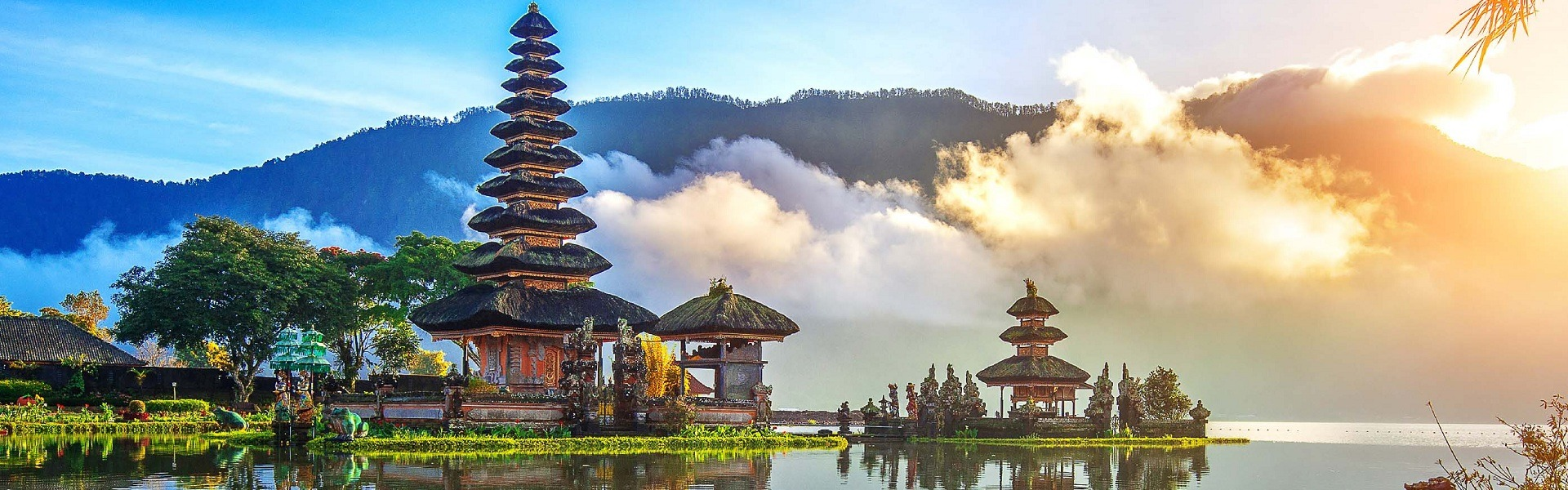
A Line Producer in Bali runs the kind of shoot the island is actually built for: visually rich, tightly scheduled, and kept compact. Bali is a location-led base rather than a studio market, which is why it suits commercials, fashion and branded films, travel narratives and select feature or OTT sequences more than large stage builds. Because beaches, rice terraces, temples, jungle and resort architecture sit within short drives of each other, a production clears several looks in a day without the company moves that the same range would cost elsewhere. This page sits under the wider line producer Indonesia framework and covers Bali specifically.
Bali is a strong execution base: it has the crew, the locations and the permit knowledge to run a clean shoot, and contained productions can run island-based from end to end. Larger units may draw on Jakarta for specialist equipment, additional department heads or a logistics and customs route better handled through the capital, so the line producer decides early which model the brief requires. Because that call is a budget one, our guide to Jakarta crew, equipment and studio costs sets out the crew, equipment and studio rates that shape a Bali plan. What follows is how the permits, cultural access, crew, costs and any Jakarta support actually work.
What Bali Is Built For
Bali rewards productions that need visual authenticity within controlled scope. It works on real environments rather than built sets, so high-end commercials, destination and fashion branding, music videos and travel-led narratives get the most out of it. Feature and OTT units use it for specific sequences rather than as a full production base. The compact geography is the operational advantage: beaches, cliffs, rice fields, temples, forests and resorts sit within short radiuses, which keeps travel fatigue down, limits overtime and holds the shooting day predictable.
That concentration is what protects the budget. A production that clusters a beach, a temple and a villa into one day is using Bali the way it works best, rather than spreading locations across the island and losing the days to transfers. Film fixers in Bali carry the access side of that: which sites sit on communal land, which need a temple committee’s sign-off, and which realistically clear in the time available. The line producer builds the schedule around what the fixers confirm can be reached and permitted, not around the map alone.
The formats follow from that. A fashion or beauty shoot uses the resort-and-coast look and moves fast; a travel or destination-branding piece ranges wider across terrace, temple and volcano; a commercial builds around two or three hero locations in a tight cluster; and a feature or OTT unit takes a specific Bali sequence rather than basing a whole production here. Matching the format to the island’s compact, location-led strength is what keeps the shoot inside budget and schedule.

What a Line Producer in Bali Handles
A line producer in Bali coordinates the Indonesian sponsor and production-services company, secures filming approvals and foreign-crew visas, and arranges banjar, temple and landowner access alongside location scouting and cultural liaison. The same desk sources local and travelling crew, plans equipment supply and any import clearance, and holds the budget, contracts, transport and accommodation. Marine, drone and protected-location work is scheduled with its own logistics and permissions, and the shoot runs on daily scheduling and reporting from prep through wrap.

Locations and Looks Across Bali
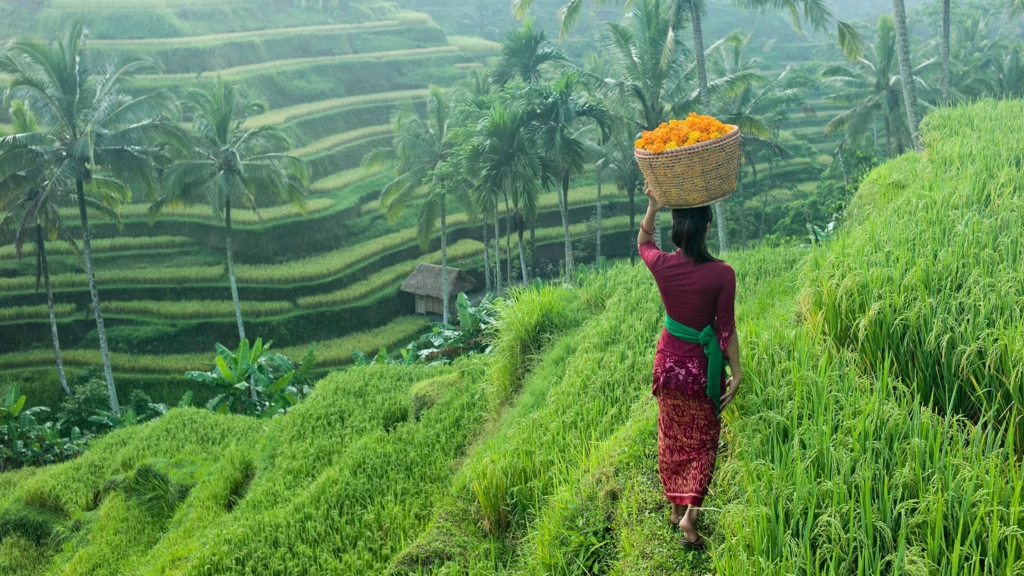
The island’s recognisable registers cluster by region. The south holds the beach-and-resort look: Seminyak, Canggu and the Bukit peninsula for surf coast and cliff, Uluwatu for the dramatic clifftop temple, and Nusa Dua for controlled resort settings. Central Bali around Ubud carries the jungle, river-gorge and terrace look, with the Tegallalang and the UNESCO-listed Jatiluwih rice terraces the most photographed and Tanah Lot the signature sea temple. Ubud and its rice terraces are also where Julia Roberts shot Eat Pray Love in 2010. These sit close enough that a production moves between coast, terrace and temple inside a single schedule.
Beyond the tourist south, Bali opens into landscape that reads very differently on camera. The volcanic north around Mount Batur and Kintamani gives caldera and lake vistas, Munduk adds highland forest and waterfalls, and the west runs to quieter black-sand coast. Offshore, Nusa Penida and Nusa Lembongan carry the island’s most dramatic cliffs and marine backdrops, reached by fast boat and planned as their own mini-leg because crew, equipment and vehicles all cross by sea. A fixer who knows the island steers a brief toward the version of each look that can actually be permitted and reached in the time the schedule allows.
Permits and Cultural Access in Bali
Foreign productions filming in Bali work through both Indonesia’s national production requirements and Bali’s local access structure. The production first appoints an eligible Indonesian production-services company or sponsor, confirms the applicable filming approval and secures the correct visa route for incoming foreign crew. Individual locations are then coordinated with landowners, village councils, temple committees, district authorities and protected-site managers. National approval does not replace local access consent, and local consent does not replace the national production and immigration requirements. The Indonesian film-production visa requires a local sponsor and permission from the relevant authority for location use, applied for through official Indonesian immigration channels.
The banjar, the local community council, is central to this. Village-level cooperation is what opens access to much of the island’s most photographed ground, and it is earned through early, respectful coordination rather than a paperwork submission. A fixer who works a given area knows which council to approach, who speaks for a temple, and how much notice a ceremony period demands. That relationship layer is worth more in Bali than in most markets, because access often turns on it.
Because approvals are local rather than centralised, lead time depends on the specific site rather than a national queue. A straightforward private or commercial location can clear quickly; communal land, a temple, or anything touching a ceremony period needs more notice and more relationship work. The fixer maps the whole location list against the local and religious calendar early, sequences the approvals so a later permission does not block an earlier day, and confirms each access in the order the shoot needs it rather than requesting everything at once.

The Ceremony Calendar and Nyepi
Bali’s ceremony calendar shapes the schedule as much as the weather does. Temple festivals, processions and religious days close specific locations and pull local crew, and they move on the Balinese calendar rather than the Gregorian one, so they have to be mapped early. Nyepi, the Balinese Day of Silence, closes the entire island to all outside movement for 24 hours, usually in March, with the airport shut and no travel permitted. A shoot that lands on Nyepi or the days around it loses time it cannot recover, which is why the calendar is checked before dates are locked.
Cultural conduct on set matters just as much as the permit. Dress codes at temples, restricted inner sanctums, offerings and ceremonial timing all affect what can be filmed and when. Fixers brief the crew before arrival so the unit works without giving offence, which protects both the day and the island access for the next production. Handled well, a ceremony is not only an obstacle to schedule around but occasionally something extraordinary to put on camera, with the right permissions in place.
Equipment and Location Restrictions
Access rules extend to how a location can be worked. Some sites restrict heavy vehicles, drones or artificial lighting, particularly around temples and protected land, and drone flight carries its own clearances. A fixer confirms these limits before the recce locks, arranges escorts or local supervision where a site requires it, and flags where a location that photographs well simply cannot take the rig a shot needs. Establishing that early is what keeps a Bali day from stalling on a restriction discovered on location.
Crew, Costs and Seasonality
Bali runs on lean, efficient crews. Core creative and technical heads usually travel in, while local teams cover grip, art, transport, set support and logistics. That hybrid keeps daily costs predictable and matches the compact units and fast-turnaround formats the island suits. A smaller footprint also unlocks access that a large unit cannot, since sensitive village and temple locations are far more workable with a contained crew than a heavy one. Most local heads have worked international commercials and fashion, so the imported spine can stay small.
Costs sit moderate when they are negotiated correctly, but they climb quickly once a shoot moves into religious sites or protected land, where access fees and conditions change. A location fixer flags those variables before a site is locked, so the production decides whether a location earns its cost or creates budget pressure. Compact geography keeps transport spend down, and lean crewing limits payroll exposure, but uncontrolled access fees and late changes are where a Bali budget slips.
Season and traffic drive the schedule. The dry months bring stable weather but heavier tourism, while the wet season thins the crowds and raises weather risk, and festivals, national holidays and peak travel windows all move crew availability and accommodation rates. Roads are narrow and tourist zones congested, so a Bali day is planned around location clustering and traffic hours rather than distance, with early starts and controlled wrap times protecting the shoot from the island’s own congestion.
Basing and Equipment
Where the unit bases shapes the days. Most productions sit the crew in Seminyak, Canggu or Ubud depending on whether the schedule leans coast or interior, and the base shifts if the shoot moves north or offshore. Accommodation runs from international resorts to villa complexes that double as unit bases and occasional locations, and rates swing hard with the tourism calendar, which is another reason dates are checked against festivals and peak season before they lock.
Equipment follows the same logic as crew. Standard camera, grip and lighting packages are available on the island for the formats Bali usually handles, while specialist or heavy gear is drawn from Jakarta and built into the schedule as a shipped item rather than assumed to be waiting. For imported kit, sourcing locally where possible keeps customs risk down; where an import is unavoidable it clears through Jakarta and travels on to Denpasar, which is another reason the Jakarta tail is planned in.

When a Bali Shoot Needs Jakarta Support
Many commercials, fashion productions, documentaries and contained location units can be based directly in Bali using island-based production companies, crews and suppliers. Jakarta becomes relevant when the production needs specialist department heads, large equipment packages, studio infrastructure or a logistics route better handled through the capital. The line producer determines that requirement from the production brief rather than adding a Jakarta leg automatically.
When a production does route through Jakarta, the workable model is a short prep tail of two to three days for equipment arrival, customs clearance, crew staging and vehicle assembly before the unit moves to Bali. Jakarta-based production accountants, legal representatives and import agents can be retained for the full engagement without deploying to the island. Used that way, the capital carries the heavier infrastructure where it exists while Bali keeps a clean location schedule.
Into Bali itself, the unit flies into Ngurah Rai in Denpasar, and from there the island is road-served except for the offshore days. Shoots that reach Nusa Penida, Lembongan or across to the Gili islands add a sea crossing for cast, crew and equipment that is planned as a separate movement with its own weather margin, since a rough channel can hold a boat as easily as traffic holds a van. Building those crossings into the plan, rather than treating them as a short hop, is part of keeping an island schedule honest.

Bali in the Southeast Asia Coastal Context
Producers weighing a coastal shoot in the region compare Bali against a line producer Vietnam shoot on the central coast, Thailand’s southern islands, and the island range a line producer Philippines can open across the archipelago. Bali’s edge is specific: visual richness and cultural texture within compact distances, best used when the beach is one element in a multi-location day rather than the sole hero environment.
Where a brief wants long open coastline and neutral geography at scale, Vietnam or Thailand usually serve it better; a line producer Cambodia shares Bali’s Angkor-era temple and heritage texture but on a quieter, frontier footing with thinner crew and infrastructure; and where a brief wants the beach, the temple, the terrace and the villa inside one week, Bali is the stronger call. For projects routing several territories in one trip, the Asia film production corridor sets out how these regional markets connect.

Working With a Line Producer and Film Fixers in Bali
The division of labour on a Bali shoot is clear. A line producer controls the plan, the budget, the schedule and the risk; film fixers in Bali execute access, relationships and real-time coordination on the ground, working under the line producer’s direction. Fixer-led coordination alone suits small crews and short formats, commercials, music videos and editorial shoots that need fast local access more than extended budgeting oversight. Once a schedule expands or multiple locations enter play, that arrangement drifts on cost and time without line-producer control above it.
Timing the engagement matters as much as the split of roles. Bringing the line producer and fixers in at the brief stage, before locations lock, is what lets the schedule be built around what Bali can actually permit and reach rather than reverse-engineered once dates are fixed. A single-location Seminyak commercial can engage close to prep without much cost; a multi-location piece that crosses temple ground, terraces and an offshore day gains far more from early involvement, when the calendar, the crossings and the access can still shape the plan.
Bali can operate as a self-contained production base for commercials, fashion films, documentaries and selected location-led sequences. When a project requires larger equipment packages, specialist crew, studio work or wider Indonesian routing, the Bali unit can connect with Jakarta and the broader Asia line producer network under one production plan. The correct structure depends on the brief: Bali should be supported by Jakarta where necessary, not treated as dependent on it by default.
