
Line Producer in Ooty: A Guide to Filming
A line producer in Ooty, operating within India-level line production frameworks, under Line Producer Tamil Nadu execution frameworks, plays a critical role in delivering film and commercial projects in one of India’s most visually distinctive hill regions. Located in the Nilgiri Hills of South India, Ooty is frequently used in India-based productions and Kerala-linked shooting schedules, especially for stories requiring temperate climates, misty landscapes, and colonial-era settings.
Filming in Ooty offers access to sweeping tea plantations, forested hills, heritage architecture, and serene lakes—often functioning as a controlled extension of South Indian and Kerala-centric production routes. For multi-state projects, Ooty is typically integrated into production workflows executed from Line Producer Chennai, where crew planning, equipment routing, and escalation authority are centralised under Line Producer Tamil Nadu oversight, ensuring continuity, compliance, and schedule control.
This guide outlines key filming locations in Ooty, the practical role of a line producer, coordination with state and central authorities in India, notable production assets such as established studio facilities, and essential tips for planning a smooth and compliant shoot in Ooty.
Overview
Ooty (Udhagamandalam) is situated in the Nilgiri district of Tamil Nadu, close to the Kerala border, and is part of a larger South Indian filming circuit within India. The region offers high-altitude weather conditions, expansive tea estates, colonial-era bungalows, pine forests, lakes, and access to the UNESCO-listed Nilgiri Mountain Railway (NMR).
Film production in Ooty typically involves coordination with state authorities, central government bodies, and location-specific departments such as Forest, Railways, and Horticulture. Union structures and regional production practices in South India also influence scheduling and crew deployment, making the involvement of a knowledgeable line producer in Ooty essential.
Why Choose Ooty for Filming?
Ooty, also known as Udhagamandalam, is valued across Indian film production for its cool climate, year-round greenery, and visual versatility. Its landscapes seamlessly support period films, romantic narratives, travel campaigns, and song sequences, often doubling for other hill regions in India and South India.
For productions operating alongside Kerala-based shoots or wider India schedules, Ooty provides an efficient and visually consistent extension. A line producer in Ooty ensures that permissions, logistics, crew coordination, and environmental guidelines are handled professionally, allowing filmmakers to focus on creative execution while maintaining schedule and budget control.
Top Filming Locations in Ooty

Ooty offers numerous stunning locations that filmmakers can utilize. Here are some notable shooting spots:
- Ooty Lake
This serene lake surrounded by lush gardens provides beautiful reflections, making it ideal for romantic scenes. Boating opportunities can enhance visual storytelling. - Botanical Gardens
The sprawling Botanical Gardens feature a variety of flora and stunning landscaping. This location is perfect for showcasing vibrant colors and nature’s beauty. - Doddabetta Peak
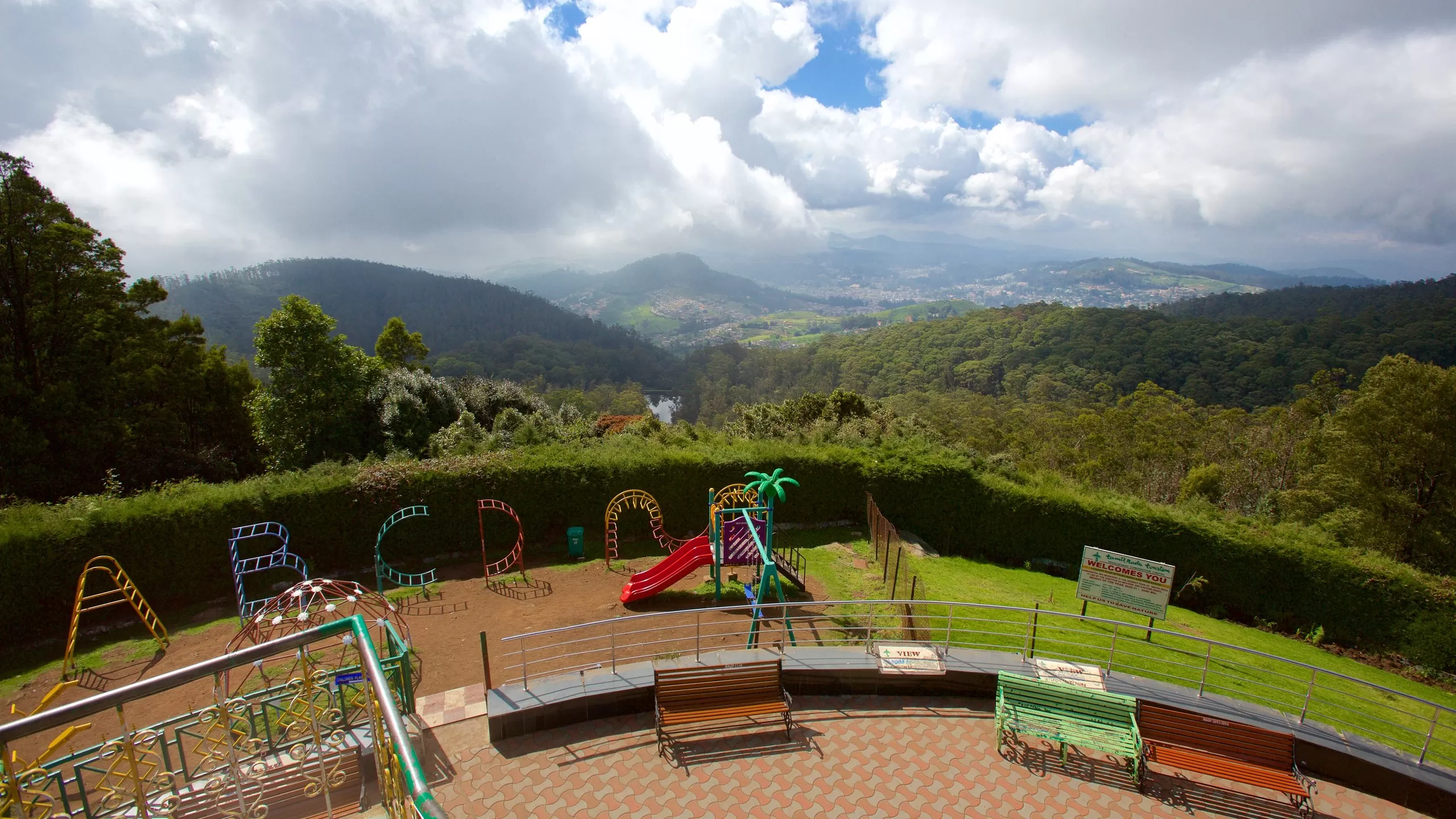
As the highest point in the Nilgiri Hills, Doddabetta Peak offers breathtaking panoramic views. A line producer in Ooty can ensure seamless access for filming at this majestic location. - Tea Gardens
The lush tea plantations create picturesque settings that highlight the region’s heritage. Locations like the Nilgiri Tea Estate provide excellent backdrops for various film genres. - Nilgiri Mountain Railway
This UNESCO World Heritage Site is renowned for its scenic train rides. Filming on this historic railway adds a nostalgic and adventurous element to any production. - St. Stephen’s Church
One of the oldest churches in the region, St. Stephen’s Church features stunning architecture and serene surroundings. It’s perfect for capturing a sense of history and tranquility.

Permissions Matrix (who governs what)
| Asset / Activity | Competent Authority / Mechanism | Key Requirements (indicative) |
|---|---|---|
| Government locations in TN (roads, buildings, etc.) | TN DIPR via TN Single Window Portal | Application, supporting docs, location-specific fees & refundable caution deposit. |
| Horticulture parks (e.g., GBG, GRG) | TN Horticulture Dept. + DIPR final permit | Horticulture NOC → DIPR permit; published camera/photoshoot line items. Seasonal filming curbs may apply. |
| Rail premises / trains / NMR | Indian Railways (zonal CPRO) via FFO single window | Licence fee, security deposit, insurance, indemnity; rolling-stock charges as per coaching tariff. |
| Forests / tiger reserves (e.g., Mudumalai, Western Catchment access) | TN Forest Dept. / MoEFCC Wildlife Division (as applicable) | Protected-area filming permissions; access restricted; designated tourism zones only. |
| Urban Local Bodies (ULBs) inside town limits | ULB + local police NOC (TN Urban e-pay procedure) | ULB permission & police intimation; adherence to municipal conditions. |
Notes:
• The DIPR “Government-owned places” procedure details documents, fee slabs, and caution deposit (₹5,000 refundable).
• For Railways, the MIB guideline specifies licence fees, insurance, indemnity, and liaison officer conditions; FFO enables centralized online applications across zones.
Operational Context (2025)
- Seasonal embargo: Nilgiris Horticulture Dept. temporarily barred film crews from eight parks (incl. GBG, GRG) Apr–Jun 2025.
- Union/crew landscape: FEFSI–TFPC MoU lapsed Mar 9, 2025; the dispute is under court-advised mediation; producers have discussed alternate labour formations. Crew engagement norms may vary during 2025.
Drone Operations (for aerials over Ooty)
- Governing Rules: Drone Rules, 2021 + subsequent amendments; Digital Sky interactive airspace map governs red / yellow / green zones.
- Principle: No permission required in Green Zones up to specified limits; Yellow needs ATC/permissions; Red is no-fly unless specially authorised. Always verify live map status for Nilgiris sector.
Access & Logistics (distances / gateways)
- Nearest airport: Coimbatore International (CJB), ~86–90 km by road to Ooty; typical driving time ~1 h 45 m–2 h 15 m (ghat roads).
- District portal: Nilgiris district official site (administrative references & contacts).
Existing Facilities & Pre-Built Sets
- Mithun’s Dream Factory (historical reference): Frequently cited as a studio base in Ooty; primary-source detail online is sparse.
Featured Productions (illustrative)
- Deiva Thirumagal (2011, Tamil): Shot predominantly in and around Ooty; included a constructed chocolate-factory set.
- Historical—‘Anbe Vaa’ (1965) song “Rajavin Parvai”: Filmed at GBG; large public turnout recorded in contemporary reporting (contextual heritage of GBG as a filming site).
- Category listing: Numerous titles across languages are catalogued as being shot in Ooty (curated list on Wikipedia; verify per-title as needed).
Climate & Windows (production planning data points)
- Climatology: Subtropical highland climate; wet spells in SW monsoon (Jun–Sep) and NE monsoon (Oct–Dec). Monthly precipitation peaks around June in some datasets.
- 2025 backdrop: IMD reported early SW monsoon onset (May 24, 2025); above-normal seasonal rainfall outlook. Production calendars may encounter atypical early-season rains in TN highlands.
Equipment Considerations (availability context)
- What productions commonly bring from metros: cinema cameras & lens kits, lighting packages, sync-sound kits, and UAVs with DGCA compliance; specialised rentals are typically sourced from Chennai/Bengaluru/Hyderabad, with Coimbatore as a regional logistics node. (General market pattern; check vendor availability per schedule.)
Contact & Reference Hubs
- TN Single Window (DIPR workflows & fee slabs): procedure PDF.
- DIPR contact (via IndiaCineHub): authority & linkage for horticulture → DIPR route.
- Ooty Horticulture ticketing (fee line items for cameras/photoshoots): official booking page.
- TN Tourism—Shooting Point (location brief): official destination page.
- Railways—film shooting requirements (licence fee, insurance, indemnity) & FFO: guidelines + PIB press note on integrated single window.
- DGCA Digital Sky—Airspace Map: live zoning reference.
Appendix: Quick-Scan Tables
A. Horticulture Parks—Published Line Items (illustrative)
| Item | Published Line (₹) |
|---|---|
| Still camera (per unit) | 50 |
| Video camera (per unit) | 100 |
| Photoshoot (per unit) | 5,000 |
| Source: Ooty Horticulture online ticketing. |
B. Railways—Typical Filming Compliance Elements (as per central guideline)
Licence fee; security deposit/bank guarantee; comprehensive insurance; indemnity bond & agreement; hire charges for rolling stock as per Coaching Tariff; on-ground Railway liaison; safety restrictions during live operations.
Existing Sets and Mock-Ups: Mithun Chakraborty’s Dream Factory
Mithun Chakraborty’s Dream Factory is a prominent example of a mock-up studio available for filming in Ooty. This facility offers:
- Ready-Made Sets: Various thematic sets are designed to facilitate quick shooting. This can save time and resources compared to building new sets from scratch.
- Equipment Availability: The studio often provides essential filming equipment, reducing the need to transport everything from metro cities.
- Versatile Spaces: With multiple configurable sets, filmmakers can shoot diverse scenes without changing locations, ensuring efficiency.
Popular Movies Shot in Ooty
Several films have beautifully captured Ooty’s essence. Here are a few notable productions:
- “Kadhal Kondein” (2003)
This Tamil film features many scenes shot in Ooty, showcasing its natural beauty and charm. - “Iru Mugan” (2016)
This action thriller includes breathtaking visuals of Ooty’s landscapes, enhancing the film’s narrative. - “Deiva Thirumagal” (2011)
Many scenes were filmed in the hills of Ooty, beautifully highlighting the town’s appeal. - “Vinnaithaandi Varuvaayaa” (2010)
This romantic drama features iconic scenes set against the backdrop of Ooty’s stunning scenery. - “Anniyan” (2005)
A classic in Tamil cinema, this film utilized Ooty’s visuals to enhance its storyline, making it memorable for audiences.
The Role of Line Producers in Ooty
A line producer is essential in ensuring film projects run smoothly in Ooty. Their responsibilities include:
- Budget Management
Line producers create and manage budgets, ensuring funds are allocated efficiently across various departments. - Scheduling
They develop shooting schedules, coordinating with crew members and locations to maximize efficiency. - Logistics Coordination
From arranging transportation to securing accommodations, line producers handle all logistical needs for the crew. - Location Scouting
They scout for suitable filming locations, considering accessibility, visual appeal, and local regulations.
Equipment to Carry from Metro Cities
When planning a film shoot in Ooty, filmmakers should consider bringing specific equipment, especially if local rentals are limited. Here are some essential items:
- Cameras and Lenses: High-quality cameras and a variety of lenses are essential for capturing Ooty’s stunning landscapes.
- Lighting Equipment: Bring portable lighting solutions to manage varying natural light conditions, particularly for interior shots.
- Sound Gear: Ensure you have quality microphones and recording devices to capture clear audio, as ambient noise can be a challenge in outdoor settings.
- Drones: Drones can provide breathtaking aerial shots of Ooty’s landscapes, enhancing visual storytelling.
Travel, Stay, and Food Options
When planning a film shoot in Ooty, consider these travel and accommodation tips:
- Travel Arrangements: Ooty is well-connected by road, and the nearest airport is Coimbatore, located about 85 km away. Pre-book transportation for a smoother journey.
- Accommodation: Ooty offers a range of options, from luxury hotels to budget guesthouses. Booking in advance is advisable, especially during peak tourist seasons.
- Food Options: Ooty has a variety of dining choices, from local South Indian cuisine to international dishes. Consider local catering services to provide meals for the crew, ensuring convenience and authenticity.
Cultural Considerations for Filming
Filming in Ooty requires an understanding of local customs and traditions. Line producers should educate the crew about cultural sensitivities, promoting respectful engagement with the community. This awareness enhances collaboration and fosters goodwill.
Challenges for Line Producers in Ooty
Despite its beauty, filming in Ooty comes with challenges. Line producers must navigate:
- Geographical Limitations: The hilly terrain presents logistical challenges. A line producer must plan transportation routes carefully to avoid delays.
- Weather Conditions: Ooty’s weather can be unpredictable. Line producers should prepare for sudden changes and have contingency plans.
- Resource Availability: While Ooty has local resources, line producers may need to source specific equipment or materials from larger cities.
The Filmmaking Process in Ooty
The filmmaking process in Ooty involves several stages, with line producers playing a key role at each step.
Pre-Production
During pre-production, line producers coordinate meetings with the creative team to discuss budgets, schedules, and locations. They develop detailed production plans to guide the entire filming process.
Production
Once filming begins, line producers manage daily operations. They oversee crew members, monitor expenses, and ensure the schedule is closely followed. This phase is crucial, as delays can disrupt the entire project.
Post-Production
In the post-production phase, line producers assist with editing, sound design, and visual effects. They ensure that the film is completed on time and within budget.
Collaborating with Local Talent
As Ooty’s film industry grows local talent becomes increasingly involved in productions. Line producers connect filmmakers with local actors, technicians, and artisans, enriching the storytelling process and fostering cultural exchange.
Conclusion
Filming in Ooty provides filmmakers with a unique opportunity to capture the stunning beauty of the Nilgiri Hills. With diverse landscapes, rich cultural heritage, and a supportive local community, Ooty is an ideal destination for various film genres. A line producer in Ooty plays a vital role in managing logistics and ensuring successful productions, making them indispensable to the filmmaking process in this charming hill station.
For more information about Ooty’s shooting points, visit Tamil Nadu Tourism – Ooty Shooting Points.
References for Further Reading for A Line Producer in Ooty
- Tamil Nadu Tourism – Tamil Nadu Tourism
- Ooty Travel Guide – Ooty Travel Guide
- Nilgiri Mountain Railway – UNESCO Heritage
This article provides an in-depth overview of filming in Ooty for a Line Producer in Ooty, emphasizing the role of line producers, existing sets like Mithun Chakraborty’s Dream Factory, and key filming locations. By understanding the local environment and logistics, filmmakers can successfully navigate the challenges of shooting in this picturesque hill station.
Line Producer Guide Tamil Nadu (Chennai & Ooty)
