
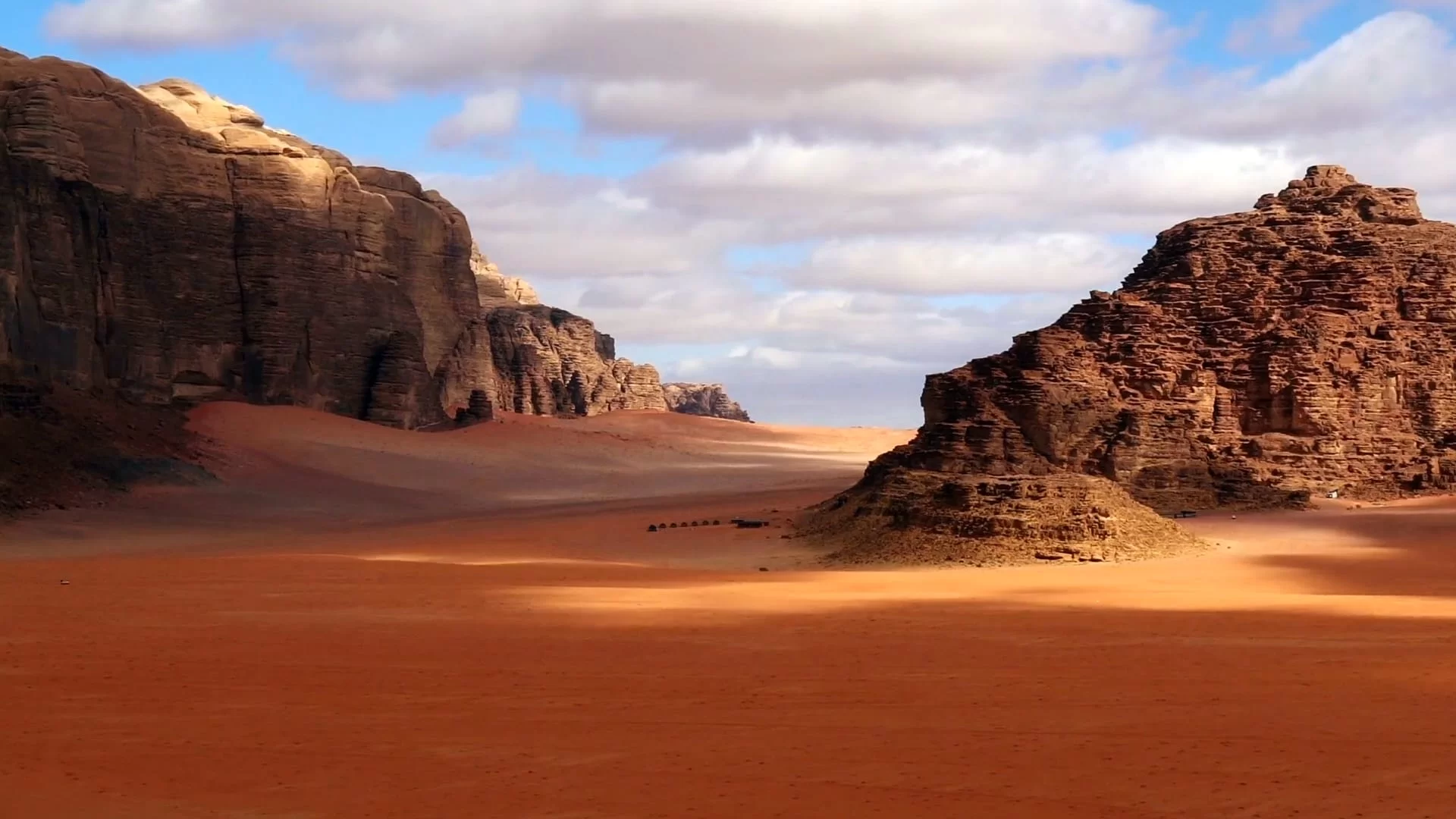
Filming in Jordan offers a blend of dramatic landscapes, historic sites, and modern infrastructure, making it one of the Middle East’s most versatile production hubs. Productions operating in Jordan typically work with experienced local line production teams to coordinate permits, logistics, and on-ground execution across regions. International studios frequently collaborate with a line producer in Jordan to manage location access, vendor networks, budgeting, and operational planning across the country’s diverse filming environments:
From Amman’s urban environments to Wadi Rum’s cinematic desert terrains, Jordan supports complex shoots through structured approvals, experienced crews, and established film infrastructure. With government-backed incentives and internationally proven locations, Jordan continues to rise as a preferred destination for global film and streaming productions.
Filming in Jordan’s wild landscapes creates cinematic magic. Picture red dunes in Wadi Rum, doubling as alien planets in Dune. Imagine Petra’s ancient canyons, iconic in Indiana Jones. Filmmakers can access deserts, mountains, and wetlands within hours, supported by streamlined permissions and generous incentives. This guide outlines Jordan’s locations, production logistics, and practical considerations for filmmakers evaluating the country as a shooting destination.
Why Choose Jordan for Nature Filming?
Jordan’s diverse ecosystems captivate filmmakers worldwide. Its deserts, forests, and canyons transform into otherworldly settings or historical epics. Wadi Rum’s vast sands featured in Star Wars and The Martian, while Petra’s ruins appeared in Aladdin. Beyond visuals, Jordan offers practical production advantages. The Jordan Film Commission simplifies filming permissions, often free for public spaces, while cash rebates of 10–25% significantly reduce budgets. Most locations are connected by road, and non-union crews operate on flexible 12-hour workdays. The country’s safety and political stability further support uninterrupted filming schedules. Recent international shoots, including Andor Season 2, reinforce Jordan’s reliability as a production base. The country’s compact geography and established production systems allow filmmakers to consolidate locations, timelines, and budgets within a single territory.
Jordan’s cultural depth and local participation add production value beyond its landscapes. Local communities contribute authentic props, costumes, and extras that enhance realism on screen. The ability to move between deserts, canyons, and forests within a single day supports tight schedules and efficient unit planning. Stable infrastructure enables quick setups for equipment rentals, catering, and transport, while coordination with the Jordan Film Commission allows productions to access protected and remote locations under clearly defined guidelines.
Top Nature Locations for Filming in Jordan
Jordan’s ecosystems offer endless cinematic possibilities. From iconic deserts to hidden reserves, these locations elevate any project. Below, dive into the best spots, their unique features, and practical filming tips to make your shoot unforgettable.

Wadi Rum: The Desert Icon
Wadi Rum, the “Valley of the Moon,” stuns with red dunes, jagged cliffs, and vast arches. Its otherworldly terrain played Arrakis in Dune and Mars in The Martian. Sci-fi, adventure, or historical epics thrive here. The desert’s natural light creates dramatic shadows, especially in March-May when green hues add vibrancy. Scout with the Jordan Film Commission for exclusive access to remote areas. Summer heat hits 40°C, so pack hydration packs and plan sandstorm contingencies. Drones capture sweeping shots but require permits from the Jordanian authorities. Local Bedouin guides navigate tricky terrain, ensuring safety. Over 400 locals supported Dune’s massive production, proving robust crew availability. Use lightweight gear to move quickly across dunes. Early morning shoots avoid harsh midday sun, enhancing visual quality.
Wadi Rum’s versatility suits diverse genres. Its rock formations double as ancient ruins or alien landscapes. The area’s silence enhances sound recording, minimizing post-production edits. Coordinate with local fixers for transport—4×4 vehicles are essential for remote sites. Budget for extra water and shade structures to keep crews comfortable. The Jordan Film Commission offers detailed maps and scouting support, ensuring you find the perfect backdrop.
Petra: Ancient Canyons and Tombs
Petra’s rose-red cliffs and carved Treasury dazzle in Indiana Jones and Aladdin. The narrow Siq gorge creates gripping entrances for adventure or fantasy films. Its ancient tombs and rugged canyons evoke history or mystery. Crowds flood midday, so shoot at dawn for clear shots. Permits, managed by the Jordan Ministry of Tourism and Antiquities, take 20+ days for iconic sites like the Treasury. Hire local guides to navigate tourist-heavy zones efficiently. Small crews keep setups agile in tight spaces. Sturdy gear handles rocky terrain. Petra’s warm tones glow in evening light, ideal for dramatic scenes. Coordinate with the Jordan Film Commission for crowd control and exclusive access.
Petra’s archaeological significance demands care. Avoid touching carvings to preserve sites. Lightweight cameras capture dynamic angles in narrow gorges. Plan for early call times to beat heat and tourists. Local vendors supply authentic props, like Nabataean-style costumes, adding realism. The Jordan Ministry of Tourism and Antiquities provides guidelines on filming restrictions, ensuring compliance. Petra’s unique blend of history and beauty makes it a must-visit for cinematic storytelling.

Dead Sea: Salt Flats and Dramatic Shores
The Dead Sea, Earth’s lowest point, offers surreal salt flats and tropical plants. Its barren shores doubled as alien terrain in The Martian. The salty, reflective landscape adds visual texture to sci-fi or drama. September-November brings milder weather, ideal for shooting. Public areas need minimal permits, easily secured via the Jordan Film Commission. Summer heat exceeds 40°C, so schedule early or late-day shoots. Hydration is critical—equip crews with ample water. The Dead Sea’s unique ecosystem suits experimental or futuristic projects. Its calm waters create striking reflections, perfect for wide shots.
Use drones for aerial views of salt-encrusted shores, but secure permits first. Local fixers arrange transport and catering, keeping costs low. The area’s isolation minimizes crowd issues, allowing focused shoots. Pair Dead Sea scenes with Wadi Rum for contrasting textures within a short drive. The Jordan Film Commission offers logistical support, ensuring quick setups.
Dana Biosphere Reserve: Mountains and Wildlife
Dana Biosphere Reserve spans mountains, valleys, and rare wildlife. Its Rift Valley views blend four ecosystems, perfect for adventure or nature documentaries. Vibrant flora in March-April creates lush backdrops. Sustainable filming protects endangered species—follow leave-no-trace rules from the Jordan Ministry of Culture. Small crews minimize environmental impact. RFC guides ensure safe access to remote trails. Dana’s rugged beauty suits survival stories or eco-focused films. Morning mist adds cinematic depth to shots.
Bring portable gear for hiking trails. Local guides know hidden spots, like scenic overlooks or wildlife habitats. Avoid heavy equipment to preserve delicate ecosystems. The Jordan Ministry of Culture provides sustainability guidelines, ensuring compliance. Dana’s diverse terrain, from rocky peaks to green valleys, offers dynamic visuals within one location.

Other Hidden Gems
Jordan’s lesser-known sites spark creativity. Ajloun Forest’s pine woodlands and ancient ruins fit medieval or fantasy films. Wadi Mujib’s canyons and hot springs deliver dramatic water shots for action sequences. Azraq Wetland’s oasis and birdlife create serene, reflective scenes. Fifa Nature Reserve’s salt-tolerant plants and endangered species suit eco-conscious projects. Permits for these sites process quickly via the Jordan Film Commission. Year-round access makes them flexible for tight schedules.
Each location offers unique visuals. Ajloun’s green canopy contrasts Wadi Rum’s arid reds. Mujib’s waterfalls add sound design potential. Azraq’s wetlands suit wildlife close-ups. Fifa’s tropical flora feels otherworldly. Use local fixers for transport and scouting. The Jordan Film Commission connects you to guides who know these hidden gems, maximizing your shoot’s potential.
| Location | Key Features | Films Shot | Best Season |
|---|---|---|---|
| Wadi Rum | Red dunes, arches, vast deserts | Dune, The Martian, Star Wars | March-May |
| Petra | Canyons, Treasury, ancient ruins | Indiana Jones, Aladdin | Sept-Nov |
| Dead Sea | Salt flats, tropical plants | The Martian | Sept-Nov |
| Dana Biosphere | Mountains, wildlife, Rift Valley | Documentaries | March-April |
| Ajloun/Mujib/Azraq | Forests, canyons, wetlands | Various | Year-round |
Filming Jordan Airports
Explore the unique opportunities for filming at Jordan’s airports, including Queen Alia International Airport (QAIA) and Amman Civil Airport (Marka). These locations offer modern terminals and controlled runways, ideal for dynamic scenes. The Royal Film Commission streamlines permits, while local fixers ensure smooth logistics. Discover detailed workflows, from securing approvals to managing stunts.
Permits and Logistics for Filming in Jordan
Securing permits ensures smooth productions. The Jordan Film Commission streamlines applications, offering free permits for public spaces like Wadi Rum’s streets. Processing takes 5-30 days—public areas are faster, while Petra or military zones require longer. Apply early via the Commission’s online portal. Drones need approval from Jordanian authorities; submit detailed flight plans. Military sites, often used for desert shoots, grant easy access with Commission coordination.
Local fixers are game-changers. They handle customs, secure equipment, and manage crews, saving time. Challenges include border area delays or sandstorms, so build buffer days. Plan 3-6 months for scouting, permits, and logistics. The Jordan Film Commission provides maps, contacts, and safety guidelines.

Steps to Secure Permits:
- Submit project details to the Jordan Film Commission.
- Specify locations, crew size, and equipment.
- Request drone permits through authorities.
- Await approval (5-30 days).
- Partner with fixers for seamless execution.
Logistics thrive on local expertise. Fixers arrange 4×4 transport for remote deserts, catering for crews, and accommodation near sites. Budget for extra fuel and water in rural areas. The Jordan Ministry of Tourism and Antiquities oversees Petra and other heritage sites, ensuring compliance. Coordinate with them for restricted zones. Pre-scout locations virtually using Commission resources to save time.
Incentives and Cost-Saving Tips
Jordan’s incentives boost budgets. The Jordan Film Commission offers 10-25% cash rebates on local spend, like crew wages, rentals, or catering. Tax exemptions cover sales, customs, and salaries, easing costs. Minimum spends (e.g., $200K for features) unlock rebates. Productions like Dune hired hundreds locally, maximizing savings.
Negotiate with vendors for deals. Our Fixers in Jordan connect you to affordable transport, accommodation, and equipment. Use natural light, as in Dune, to cut lighting costs. Local crews work efficiently, reducing overtime. A mid-scale shoot with 50 crew members might cost $500K, with 20% rebated if spent locally.

Incentive Breakdown:
| Type | Details | Requirements |
|---|---|---|
| Cash Rebate | 10-25% | Min. local spend |
| Tax Exemption | Sales, customs, salaries | Commission coordination |
| Local Crew Discount | Negotiable via fixers | Hire through approved vendors |
Plan budgets early. Contact the Jordan Film Commission for rebate eligibility. Use local catering to feed crews affordably. Rent equipment in Amman to avoid import fees. Sustainable practices, like minimal sets, cut costs and environmental impact.
Best Practices for Nature Filming in Jordan
Filming in Jordan’s wild terrain requires strategy. Weather swings from 40°C summers to 0°C winters. Sandstorms disrupt desert shoots, so plan indoor backups or CGI hybrids. Sustainable filming protects reserves like Dana—follow leave-no-trace rules from the Jordan Ministry of Culture. Lightweight cameras and drones (with permits) capture vast landscapes efficiently. Natural light saves costs and enhances authenticity, as seen in Dune.
Safety is critical. Equip crews with hydration packs and hire local guides for remote areas. Scout Wadi Rum or Dana with Commission support to avoid hazards. Early morning or late afternoon shoots dodge harsh sun. Use 4×4 vehicles for desert access.
Case Study: Dune: The team scouted Wadi Rum for six months, hired 400 locals, and shot in spring for ideal light. They used natural light and minimal sets, blending CGI for scale. Mad Max’s desert strategies—hybrid CGI, small crews—apply similarly.

15 Tips for Success:
- Scout with the Jordan Film Commission for exclusive access.
- Shoot in spring (March-May) for mild weather.
- Use natural light to save costs.
- Hire fixers for logistics.
- Secure drone permits early.
- Plan sandstorm contingencies.
- Follow sustainable filming rules.
- Equip crews with hydration gear.
- Use small crews in crowded Petra.
- Leverage rebates for local hires.
- Rent equipment in Amman.
- Shoot early to avoid tourists.
- Use 4x4s for desert access.
- Partner with Bedouin guides.
- Budget for extra water and shade.
Additional considerations include crew comfort. Provide shade tents and cooling systems in deserts. Coordinate catering with local vendors for fresh, affordable meals. Pre-plan shot lists to maximize tight schedules in tourist-heavy sites like Petra. The Jordan Film Commission offers safety protocols, ensuring compliance with local regulations.

Case Studies: Successful Films Shot in Jordan’s Nature
Jordan’s landscapes elevate global blockbusters. Dune transformed Wadi Rum’s dunes into Arrakis, hiring 400 locals for logistics. The team used natural light and minimal sets, blending CGI for epic scale. The Martian turned Wadi Rum’s red sands into Mars, capturing stark beauty with lightweight gear. Lawrence of Arabia set the standard for desert epics, using Jordan’s vast sands for iconic scenes. Indiana Jones showcased Petra’s Treasury, blending history and adventure. Aladdin leveraged Petra’s canyons for magical visuals. Recent Andor Season 2 shoots in Wadi Rum reinforce Jordan’s sci-fi appeal.
Each film highlights Jordan’s strengths. Local crews streamline logistics, while diverse landscapes cut location costs. Directors return for sequels, drawn by reliable support and stunning visuals. Contact the Jordan Film Commission to replicate their success.
Comparing Jordan to other locations
Considering filming in Jordan’s stunning landscapes? Compare it with Tunisia’s rising star status. Tunisia offers a 30% cash rebate, VAT exemptions, and fast-track permits, making it a cost-effective alternative to Jordan and Morocco. Its deserts, coasts, and ruins, seen in Star Wars and The English Patient, rival Jordan’s iconic Wadi Rum and Petra. Learn how Tunisia’s incentives and logistics stack up.
Planning Your Shoot: Step-by-Step Guide
Start planning six months ahead. Scout locations with Jordan Film Commission guidance—Wadi Rum and Petra require in-person visits. Apply for permits via the Commission’s portal; expect 5-30 days. Secure drone permits early. Hire fixers for equipment, transport, and crew coordination. Budget for local hires to qualify for rebates. A 30-day shoot with 50 crew might cost $500K, with 20% rebated. Schedule spring or fall for optimal weather.
Timeline Example:
- Month 1-2: Scout locations virtually and in-person.
- Month 3: Submit permit applications.
- Month 4: Hire fixers, book equipment.
- Month 5: Finalize crew, catering, transport.
- Month 6: Shoot, with daily check-ins via Commission.
Use local guides for safety and access. The Jordan Ministry of Tourism and Antiquities oversees heritage sites, ensuring compliance. Pre-plan shot lists to maximize efficiency.
Visas and Insurance for Filming in Jordan
Filmmakers need proper visas. Apply for business visas via Jordanian embassies, typically valid for 30 days. Crews staying longer can extend through the Jordan Ministry of Tourism and Antiquities. Processing takes 5-10 days; start early. Fixers assist with paperwork, ensuring compliance.
Insurance is critical. Secure coverage for equipment, crew health, and liability. Desert shoots face risks like heatstroke or sand damage, so include environmental clauses. Local insurers, recommended by the Jordan Film Commission, offer tailored plans. Budget $5,000-$10,000 for comprehensive coverage on a mid-scale shoot. Verify policies cover remote areas like Wadi Rum.
Financial Planning and Budgeting
Budgeting ensures cost efficiency. A mid-scale shoot (50 crew, 30 days) might cost $500K-$700K, including crew, equipment, and catering. Local hires qualify for 10-25% rebates, potentially saving $100K. Rent gear in Amman to avoid import fees. Use natural light to cut lighting costs. Negotiate with fixers for affordable accommodation—hotels near Wadi Rum start at $50/night.
Sample Budget:
- Crew Wages: $200K (local hires reduce costs).
- Equipment Rentals: $100K (Amman-based).
- Transport/Catering: $100K.
- Permits/Fees: $10K (mostly free via Commission).
- Contingency: $90K (sandstorms, delays).
Contact the Jordan Film Commission for rebate details and vendor recommendations. Plan for currency exchange—Jordanian Dinar (JOD) fluctuates slightly.
Cultural and Environmental Considerations
Respect Jordan’s culture and environment. Dress conservatively on set, especially in rural areas. Engage local communities for authentic props or extras, boosting goodwill. Sustainable filming protects reserves like Dana or Fifa. Follow Jordan Ministry of Culture guidelines—avoid disturbing wildlife or archaeological sites. Use biodegradable materials for sets. Involve Bedouin guides in Wadi Rum for cultural authenticity and navigation.
Community engagement enhances productions. Hire local artisans for costumes or set pieces. Partner with schools or cultural groups for extras, as seen in Dune. These efforts build trust and enrich storytelling. The Jordan Ministry of Culture offers resources on cultural protocols.
Conclusion
Filming in Jordan involves navigating various regulatory and procedural steps. From obtaining the right visas to securing local permits, managing insurance, and handling financial matters, thorough preparation is essential. Engage with local experts and follow guidelines from the Jordan Film Commission to ensure a successful filming experience.
For additional information and updates, refer to the Jordan Film Commission, Jordan Ministry of Tourism and Antiquities, and Jordanian Ministry of Culture. These websites provide comprehensive information on filming regulations, permits, and other essential details for production houses interested in shooting in Jordan. Contact us for a cost estimate and further assistance with your production needs in Jordan.
FAQs
What permits do I need for filming in Jordan?
Apply through the Jordan Film Commission. Public areas take 5 days; Petra needs 20+ days.
When is the best time to film in Jordan’s nature?
March-May or September-November offer mild weather and vibrant visuals.
How do I access Jordan’s film incentives?
Spend locally on crew or rentals to qualify for 10-25% rebates via the Jordan Film Commission.
Can I use drones for filming?
Yes, with permits from Jordanian authorities. Submit plans early.
How do I hire local crews?
The Jordan Film Commission connects you to experienced fixers and crews.
