
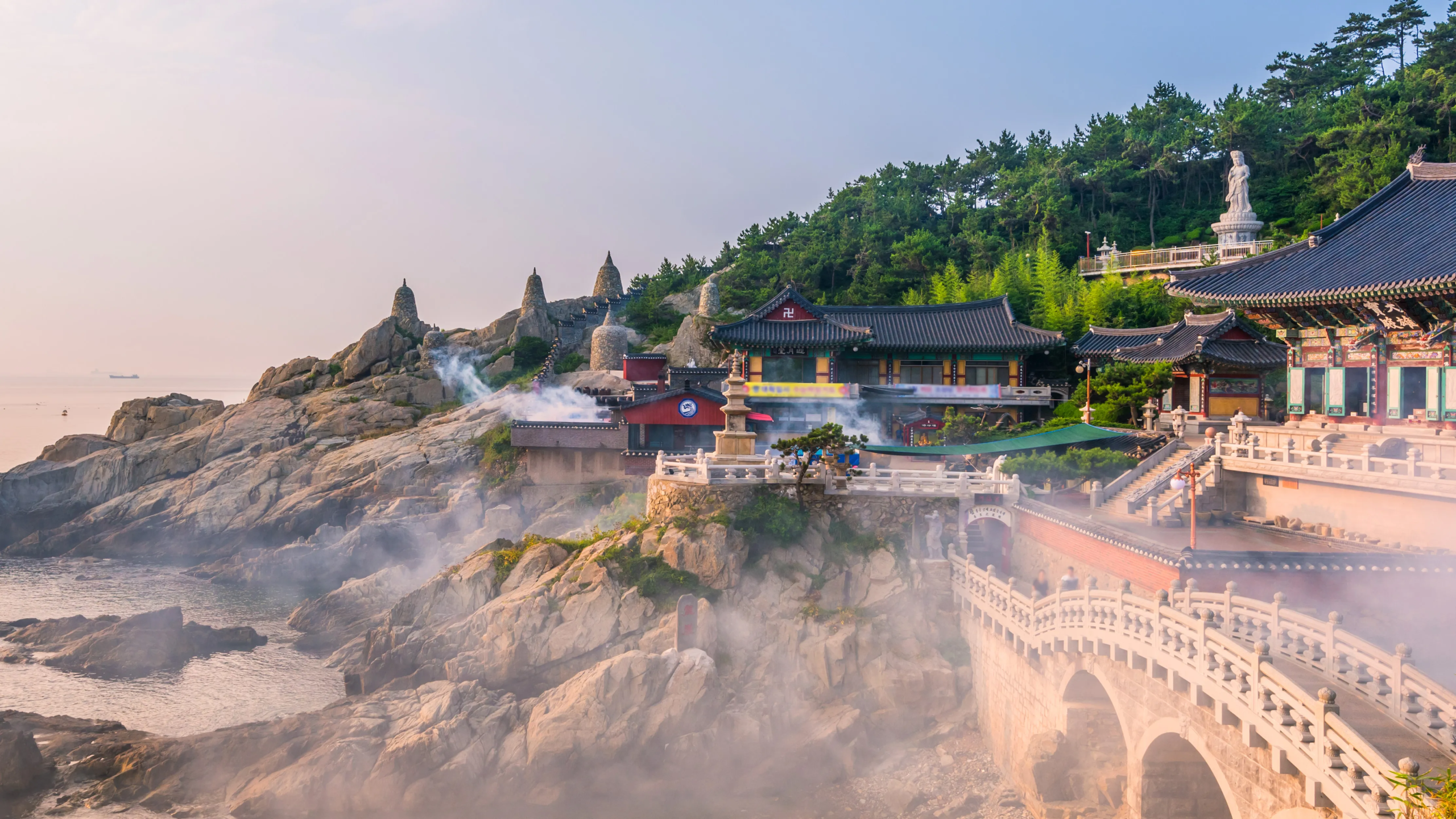
Global Producers provides film fixing in South Korea for features, documentaries, commercials and other location-based shoots. We help research locations, arrange recce visits, follow up access enquiries and coordinate local suppliers and shoot-day arrangements.
The work starts before the crew arrives. A useful location shortlist needs more than photographs: it should establish who controls access, what activity is proposed, where vehicles and equipment can go, and which questions remain unanswered.
For budget preparation, scheduling, supplier commitments and production reporting, a line producer in Korea can support the wider production.
What a Film Fixer in Korea Can Help With
A film fixer’s work in Korea covers the practical ground between a location shortlist and a shoot that actually runs. The scope depends on the production:
- Location research and recce documentation.
- Access enquiries and application follow-up.
- Korean-language liaison, with interpretation requirements agreed for the production.
- Local crew, equipment and supplier enquiries.
- Transport, catering and unit-base arrangements.
- Coordination at the location during filming.
A smaller unit may combine several of these responsibilities in one appointment; a larger production may appoint dedicated location, transport or production staff instead. Either approach can work, and the right structure depends on the shoot rather than a fixed rule.
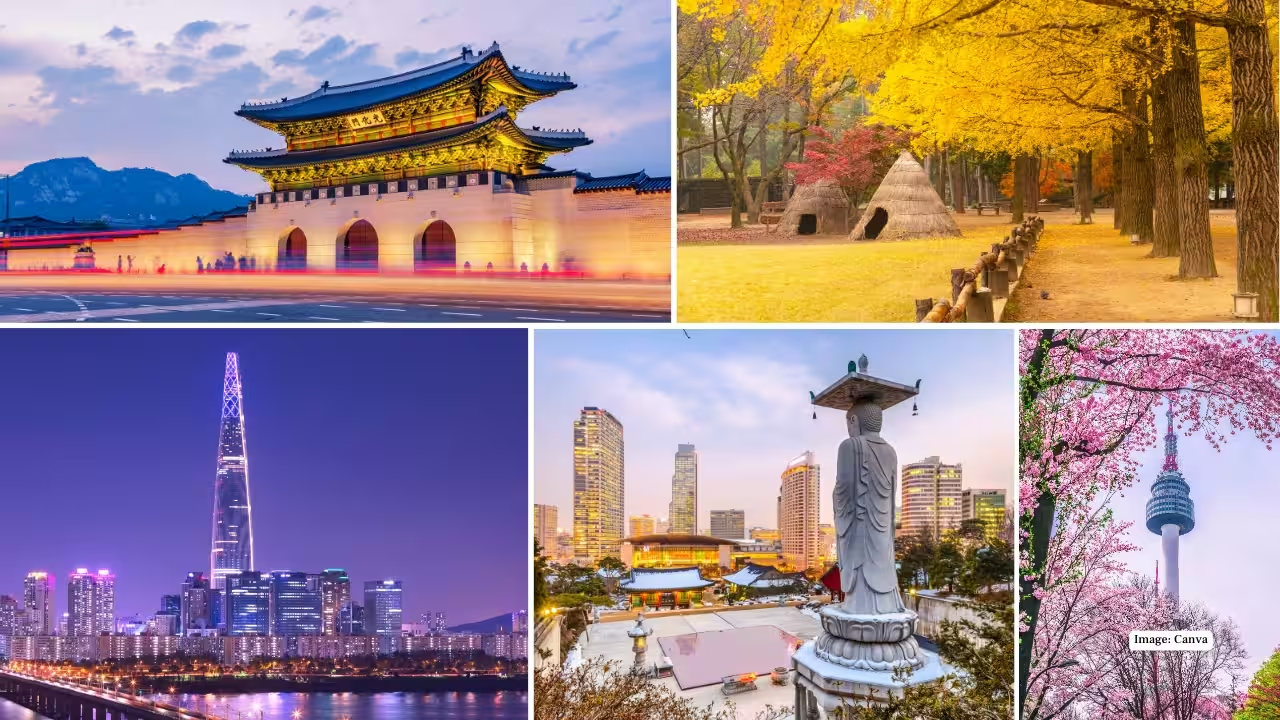
Location Recce Across Seoul, Busan and Jeju
Recce work considers both the setting and the practical needs of the shoot: access, sound, vehicle movements and space for the unit.
Seoul and Gyeonggi
Seoul offers urban streets, retail properties and traditional neighbourhoods such as Bukchon. Neighbouring Gyeonggi Province adds studio and controlled-environment options. The practical recce questions are the same whatever the setting: loading access, pedestrian activity, sound, parking, the equipment footprint, and the filming hours the location can actually support.
For studio work, confirm stage dimensions, facilities, availability and booking conditions against the production’s requirements.

Busan
Busan offers coastal, market and residential settings. Recce visits assess the proposed activity, vehicle access, surrounding businesses and available filming hours.
Jeju and Other Regional Locations
For Jeju’s coastal and volcanic locations, check site access, weather alternatives and equipment movements before fixing the itinerary. Protected sites may have additional restrictions, with requirements confirmed for each selected location.
Access Enquiries and Filming Applications
A location enquiry should describe the scene, dates, hours, crew size, equipment and any effect on public access. We help identify the relevant contact, prepare the location information and follow up the application. Permission comes from the responsible authority, property owner or site manager; submitting an enquiry does not secure access.
Depending on the location, this can also cover:
- Public streets and any traffic or pedestrian arrangements.
- Private venues and property conditions.
- Heritage, protected or restricted sites.
- Drone operations and other specialist activities requiring separate checks.
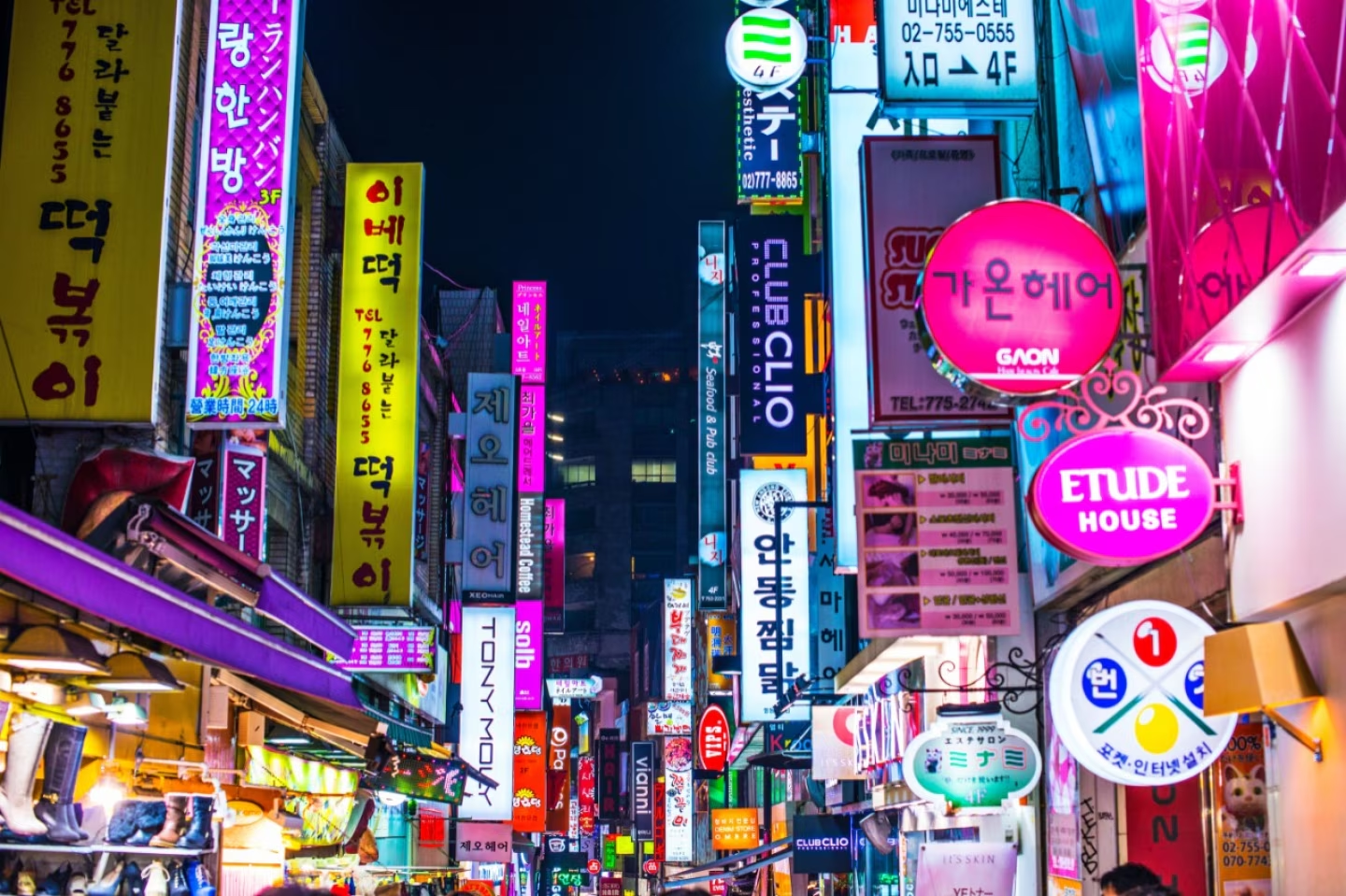
Local Crew, Suppliers and Shoot-Day Coordination
Before filming, we confirm supplier contacts, delivery arrangements, access conditions and who approves changes. During the shoot, local support can coordinate arrivals, communicate with the location contact and help respond to changes in weather, access or equipment availability.
A delayed delivery or a location becoming unavailable at short notice are familiar examples. Any alternative needs its own access check, and any resulting cost or schedule change goes to the production’s designated decision-maker rather than being resolved informally on location.
Preparing Your Visiting Crew
Before the crew travels, agree how the visiting departments and local team will communicate. Identify where Korean–English interpretation or another language is needed, and who will relay location instructions and production changes.
Share the crew list, equipment requirements, dietary needs and proposed working schedule during preparation. These details help us arrange transport, catering and local support around the people and equipment actually travelling.
Productions travelling from India can use the Korea shoot preparation guide for Indian production units for additional planning considerations.
Briefing Your Korea Fixer
Send the treatment or scene outline, proposed filming dates, location references and visiting crew details. Tell us which locations are essential, which are alternatives, and whether you need remote recce before travelling. We can then identify the local work required and prepare a scope and estimate.
