
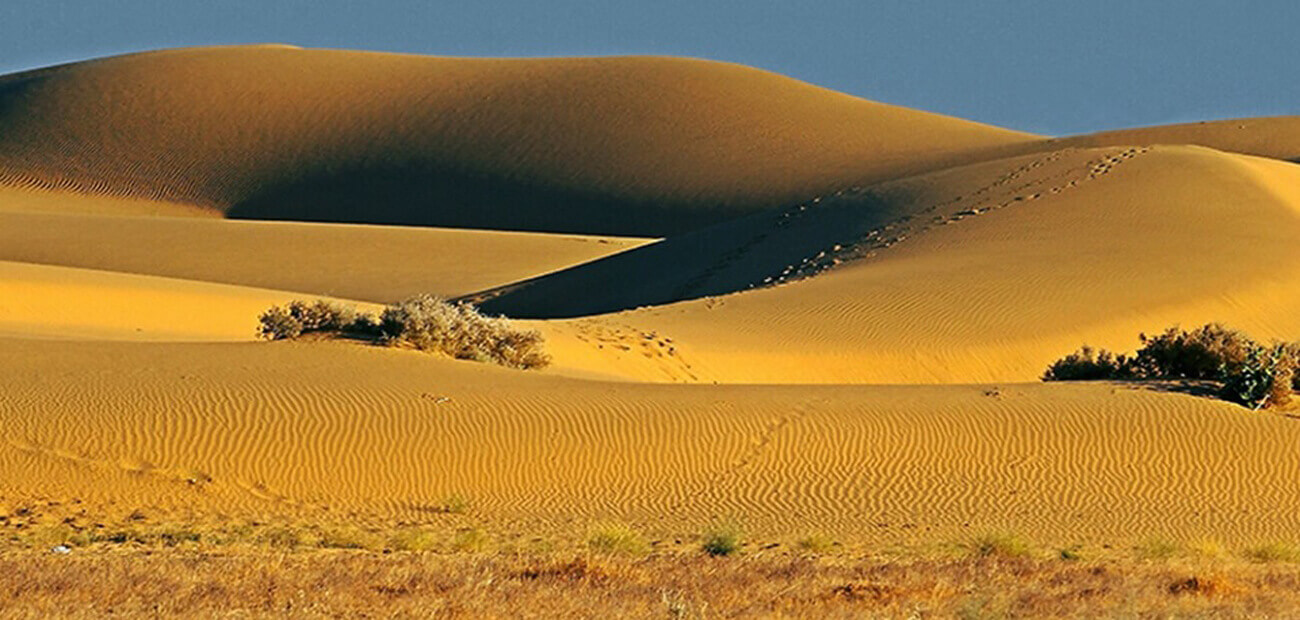
Filming alternatives in India can be assessed against the setting required for a particular scene. For scripts set in Pakistan, Afghanistan, China or Nepal, Rajasthan’s desert landscapes, Himalayan terrain, historic streets and contemporary city districts offer different possibilities, but suitability depends on the reference images, camera angles, season and what remains visible in frame.
A stand-in does not automatically reproduce another country’s architecture, culture or geography. Recce establishes which details match, which require set dressing or visual effects, and whether access and production logistics support the proposed shoot. Line producers in India coordinate the agreed budget, schedule and suppliers across the selected locations.
How to Assess a Stand-In Location
The assessment starts from the reference frames for the scene rather than from a country name. For each candidate location the recce records what the frame will contain and what has to change:
- Reference frames: the specific shots the scene needs, with the setting’s identifying features marked.
- Architecture and street furniture: building forms, materials, rooflines, doors and windows, signage and script, vehicles and street fittings visible in frame.
- Terrain and vegetation: landform, rock colour, soil, plant types and the season in which they will be filmed.
- Season and light: the dates available, the weather expected and whether the light matches the reference.
- Sound: traffic, public activity, aircraft and other background that post-production would need to remove.
- Access and logistics: who controls the site, the permissions involved, unit movement, parking and holding, and travel between locations.
- Required alterations: set dressing, signage changes, costume and extras, and the visual-effects work needed to close the remaining gap.
The outcome is a list of what matches, what can be changed and what cannot. A location that matches the terrain but not the architecture may still work for a wide shot and fail for a street scene; that distinction is decided per shot, not per country.
Rajasthan: Desert and Historic-Street Options
Rajasthan’s western districts around Jaisalmer, Barmer and Bikaner provide sand-desert landscapes with open horizons, and the Sam and Khuri dune fields near Jaisalmer are the most commonly used large dune areas. For scenes set in the desert regions of Pakistan or southern Afghanistan, the recce compares dune form, ground cover, rock outcrops and the colour of sand and sky in the reference frames with what the Rajasthan sites show in the planned season; the match varies between sites and between times of year.

For historic streets, forts and walled-city settings, Jaisalmer’s old city, Jodhpur with Mehrangarh Fort, Bikaner’s Junagarh Fort and Jaipur’s walled city offer sandstone and painted-town streetscapes, carved facades and fortified exteriors. Whether they read as a Central Asian or frontier town depends on framing, dressing of signage and vehicles, and the extras and costume in the scene. Fort interiors and monument areas carry their own permissions and conditions, and some areas near the border require additional clearances.
Our film fixers across Rajasthan can recce candidate sites against the reference frames, confirm the controlling authority or owner for each, and report the access, dressing and timing requirements for the shoot days proposed.

Ladakh and Himalayan Locations
Ladakh provides high-altitude arid terrain: a cold desert plateau around Leh, the Nubra valley with its sand dunes between glacial peaks, Pangong Lake and the passes that connect them. For mountain and frontier scenes set in northern Pakistan, Afghanistan or the Chinese side of the Himalaya, the recce compares valley shape, rock colour, vegetation, settlement form and the presence of roads and infrastructure in the reference frames. The visual match can be close for landscape and distant for villages, and each is checked separately.
Access is route-specific. Roads over the passes and to outlying valleys have seasonal closures and weather-dependent conditions. Entry requirements for foreign crew and filming permissions are checked separately for each proposed route and location. Working at altitude requires a project-specific safety plan prepared with qualified specialists, covering acclimatisation for the actual elevations and schedule, medical support, communications and evacuation; the number of acclimatisation days is set by that plan, not by a standard figure.
Himachal Pradesh and Uttarakhand offer varied Himalayan settings, including Spiti, Lahaul, Kullu and Dharamshala, and the Garhwal and Kumaon hills, river gorges and pilgrimage towns. Elevation, access and seasonal conditions vary by location. Chandigarh is a common staging point for Himachal work, and a line producer in Chandigarh can coordinate that leg. Kashmir adds Mughal gardens, Dal Lake and Srinagar’s old city, with access and filming requirements confirmed for each selected location.

Monastery and Cultural Settings
Ladakh’s monasteries, including Thiksey, Hemis, Diskit, Lamayuru and Alchi, and Sikkim’s Rumtek, Pemayangtse and Tashiding, are working religious institutions in the Tibetan Buddhist tradition. For scenes set in Tibet or other Himalayan Buddhist regions of China or Nepal, their architecture, setting and interiors may match the reference frames; whether they do is checked building by building. A monastery’s appearance does not establish that it represents the specific tradition, region or community in the script, and it does not establish permission to film there. Access is agreed with the monastery administration, alongside any additional permissions required for the site or proposed activity.
Communities in the Northeast, including Naga villages and their festivals, and Tibetan communities in Dharamshala and Majnu Ka Tilla in Delhi, are specific peoples with their own cultural practices. They are not interchangeable with each other or with communities in the countries a script is set in, and their events are not production backdrops. Where a scene calls for a particular cultural setting, the production decides with the community concerned what can be filmed, on what terms, and how the people and practices will be represented; a resemblance in landscape or dress is not a basis for that decision.
Delhi and Gurugram: Contemporary and Historic Urban Scenes
For contemporary city scenes set in China or in Pakistan’s larger cities, Gurugram’s high-rise districts along Cyber City and Golf Course Road, and parts of Noida and central Delhi, provide glass-and-steel towers, elevated roads and dense traffic. The recce assesses individual frames and properties: which buildings and road sections appear, what signage, number plates, vehicles and street fittings identify the place, and what has to be dressed or replaced. Tower exteriors, road closures and private properties each involve their own owner, municipal and police permissions, and none of these is assumed to be quick.

Delhi’s historic fabric adds Mughal-era monuments, the lanes and markets of Old Delhi, the Mehrauli and Hauz Khas complexes and the Tibetan enclave at Majnu Ka Tilla. A monument or heritage day in Delhi still needs its own permissions, which for centrally protected monuments come from the Archaeological Survey of India, and it is scheduled against those permissions rather than added to a Gurugram day on the assumption that it fits.
Comparing a Stand-In with the Original Location
The comparison is between actual production requirements, not between countries. For the Indian option, list the set dressing, signage, extras, costume and visual-effects work needed to close the gap identified at recce, together with the travel, access and permissions for each site. For the original location, list the permissions, crew-entry and equipment arrangements, local partner, insurance position and travel for the same scenes. The production then compares cost, schedule and creative outcome for the specific shots, and either option may come out ahead. Choosing between India and the original location involves comparing the total cost, schedule and creative requirements for the same scenes.
When a scene depends on recognisable Nepalese locations or a specific cultural setting, filming in Nepal should be assessed alongside an Indian stand-in. Nepal film production costs inform that comparison, while a line producer in Nepal coordinates the agreed budget, schedule and supplier arrangements for a Nepal shoot.
The same comparison applies where a script set elsewhere in Asia is considered for Indian locations. For a Japanese setting, for example, a line producer in Japan can cost the direct shoot so that it is weighed against an Indian option on the same basis.
Permissions and Multi-Location Planning
A shoot that uses several Indian states for one script holds a separate set of location permissions in each, alongside the national project permission for an eligible foreign production, and each has its own documents, conditions and review period. Filming permits in India depend on the production format, selected locations and proposed activities; national permission does not replace location-specific approvals. For planning, the production confirms the permissions for each selected location before the schedule is fixed, allows for the review periods the authorities indicate, and keeps unit moves between states consistent with the approvals held. Global Producers coordinates that work within an agreed line-production appointment, with approval decisions remaining with the responsible authorities and site owners.
