
Wildlife Forest Shooting India: Equipment and Logistics

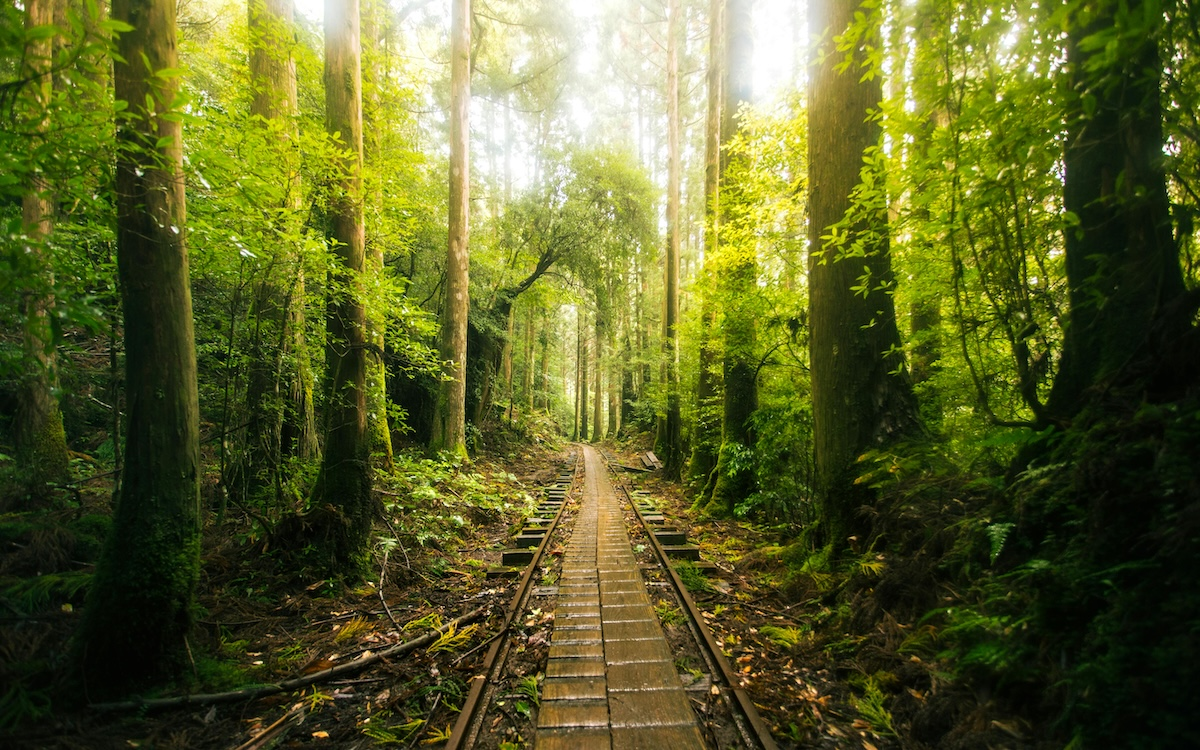
Shooting in wildlife forests in India showing dense forest landscape used for film production

Forest and wildlife filming environment in India showing dense natural landscape used for film production. The image represents shooting in wildlife forests in India, highlighting the remote environments, natural ecosystems, and operational conditions filmmakers encounter when filming inside protected forest locations.

Shooting in Wildlife Forests in India: Execution Realities Beyond Location Appeal

Wildlife forests in India are often evaluated through their cinematic value—dense canopies, layered landscapes, and biodiversity that create visually rich frames. However, for production teams, the defining factor is not visual appeal but execution feasibility. Forest environments fundamentally shift filmmaking from a controlled process into a constrained operational exercise where access, movement, and infrastructure dictate every decision.

Access Limitations and Controlled Entry

The first constraint emerges at the point of entry. Wildlife forests operate under restricted access systems where entry gates, time windows, and movement permissions are tightly controlled. Production units cannot scale freely; instead, they must align crew size, equipment load, and shooting schedules with predefined access frameworks.

Unlike urban shoots where logistics can be expanded or adjusted dynamically, forest access is fixed and non-negotiable. A delay in entry clearance or a mismatch in documentation can halt production before it even begins. This makes access planning not just a logistical step, but a foundational execution requirement.

These limitations exist within a broader regulatory structure that determines whether filming can occur at all. The legal and compliance architecture governing such access is explained in Wildlife Filming in India: Permits, Rules and Legal Framework, which outlines how production entry into protected ecosystems is structured.

Filming permit approval document issued by Indian authorities for a film production shoot
Filming permit issued by Indian authorities authorising regulated film production activities on location

Terrain and Infrastructure Constraints

Once inside, terrain becomes the dominant operational variable. Forest environments are inherently uneven and unpredictable. Dense vegetation restricts movement, natural obstacles slow down transport, and even basic equipment setup becomes time-intensive. What would take minutes in a controlled location can take hours in forest conditions.

The absence of infrastructure amplifies these constraints. There is no reliable power supply, limited communication coverage, and no built-in production support systems. Productions must therefore operate as self-contained units, carrying power sources, communication devices, and logistical support into the environment.

This forces a shift in production design. Instead of relying on scale, productions must prioritize mobility. Equipment must be lightweight and modular, crew roles must be optimized for movement efficiency, and shooting plans must adapt to terrain limitations rather than creative convenience.

In this context, wildlife filming is less about capturing landscapes and more about navigating constraints. Execution is defined by how well a production adapts to restricted access, difficult terrain, and the complete absence of supporting infrastructure.

Ladakh in November landscape with snow-covered mountains in Leh Ladakh India
Snow-covered mountains and cold desert scenery in Leh Ladakh during November, showcasing early winter conditions in northern India

Wildlife Forest Shooting India: Terrain, Access and Environmental Constraints

Wildlife forest shooting in India operates within environments where natural conditions actively shape production outcomes. These are not passive backdrops but dynamic systems that impose limitations on movement, timing, and execution. Understanding these constraints is essential for any production attempting to operate within forest ecosystems.

These environmental controls are not arbitrary but are defined through formal regulatory frameworks governing filming in protected ecosystems, including official guidelines issued for forest filming permissions in India.

Dense Vegetation and Restricted Movement

Dense vegetation is one of the most immediate operational barriers. Thick forest cover reduces visibility, narrows pathways, and restricts how equipment can be transported. Large production vehicles are rarely permitted, and even smaller vehicles are often limited to designated tracks.

As a result, equipment must be broken down into smaller loads, and in many cases, transported manually. This directly reduces production scale. Lighting setups, camera rigs, and support infrastructure must be simplified to fit within mobility constraints.

Movement is further restricted by predefined routes. Most wildlife reserves allow travel only along designated paths, often shared with conservation or tourism activity. Productions cannot deviate from these routes, which means shot design, camera placement, and scene blocking must adapt to spatial limitations rather than creative intent.

Nagaland tribe members in Fakim village practicing community-driven conservation
Fakim village in Nagaland, a model of community-led conservation and ecological stewardship.

Seasonal Closures and Environmental Unpredictability

Seasonal conditions introduce another layer of complexity. Many forest regions in India close during monsoon periods due to flooding, damaged access routes, and safety concerns. Even during operational months, weather conditions can shift rapidly, affecting terrain accessibility and shooting schedules.

Environmental unpredictability extends beyond weather. Wildlife movement, ambient sound conditions, and ecological sensitivity all influence filming. Animals cannot be directed, natural light cannot be controlled, and environmental disturbances must be minimized. This creates a production environment where adaptability becomes more important than precision planning.

These realities highlight why location selection must go beyond visual evaluation. Forest environments must be assessed based on operational feasibility—how crews move, how equipment is deployed, and how conditions evolve during filming. A broader understanding of how productions assess such constraints across challenging terrains is explored in Navigating Film Production in India’s Remote Locations, where execution planning is framed within real-world geographic limitations.

In wildlife forest shooting, terrain and environment are not secondary considerations—they are the primary forces shaping how production unfolds.

Grasslands and wildlife landscape of Kaziranga National Park in Assam, India, a UNESCO World Heritage Site known for its biodiversity
Kaziranga National Park in Assam, a UNESCO World Heritage Site renowned for its grasslands, wetlands, and rich wildlife diversity.

Equipment Strategy for Wildlife Forest Shooting in India

Filming in wildlife forests requires a complete shift in equipment philosophy. Conventional production setups—heavy rigs, extensive lighting systems, and infrastructure-dependent gear—are not viable in environments where mobility, access, and environmental sensitivity define operational limits. Equipment strategy must therefore prioritize efficiency, portability, and minimal environmental impact.

Lightweight Systems and Minimal Footprint

The primary requirement in forest filming is weight reduction. Every piece of equipment must justify its presence based on utility and transport feasibility. Lightweight camera systems, compact stabilization rigs, and minimal support gear replace traditional large-scale setups. This allows crews to move quickly through dense terrain while reducing setup time at each location.

A minimal footprint is equally critical. Wildlife reserves impose restrictions on ground disturbance, noise, and visual intrusion. Large equipment setups not only slow down production but may also violate environmental guidelines. As a result, productions must operate with stripped-down configurations that maintain functionality without increasing ecological impact.

This approach also improves adaptability. Smaller systems allow crews to respond quickly to changing conditions—whether it is shifting light, unexpected wildlife movement, or terrain limitations. In forest environments, flexibility is often more valuable than technical complexity.

Battery-First Setups and Self-Sufficient Systems

Power availability is one of the most significant constraints in wildlife filming. Without access to grid electricity, productions must rely entirely on portable energy systems. Battery-first setups become the backbone of operations, powering cameras, monitors, communication devices, and lighting equipment.

These systems must be carefully planned. Power consumption needs to be calculated in advance, with backup capacity built into daily operations. Charging cycles are typically managed outside the forest zone, requiring efficient rotation of batteries to avoid downtime during shooting hours.

The shift toward battery-based workflows reflects broader changes in production technology. Modern filming systems are increasingly designed for mobility and low-power operation, enabling shoots in remote environments where traditional infrastructure does not exist. This evolution is examined in Cameras in Global Film Production: Execution and Compliance, which outlines how equipment design aligns with execution constraints across global productions.

In wildlife forest shooting, equipment is no longer just a technical choice—it is a logistical decision that directly determines whether production can function within environmental limits.

Camera, Lens and Mobility Systems in Forest Environments

Camera and lens selection in wildlife forests is driven by one core principle: maintain cinematic quality while maximizing mobility. Unlike controlled environments where setups can be optimized for stability and scale, forest filming requires systems that can adapt to constant movement, uneven terrain, and limited setup time.

Telephoto Lenses and Distance-Based Filming

Wildlife filming depends heavily on distance. Direct proximity to animals is both unsafe and environmentally disruptive, making telephoto lenses essential. These lenses allow filmmakers to capture detailed footage without interfering with natural behavior, ensuring both safety and authenticity.

Long-range optics also influence shot planning. Instead of moving closer to the subject, crews adjust framing through lens selection. This reduces physical movement within sensitive zones and minimizes disturbance to the environment. However, it also requires precise camera handling and stabilization to maintain image quality at extended focal lengths.

Mobility-First Rigs and Terrain Adaptability

Mobility defines camera systems in forest environments. Heavy tripods, cranes, or dolly systems are rarely practical. Instead, productions rely on handheld rigs, gimbals, and lightweight tripods that allow rapid repositioning across uneven terrain.

Terrain adaptability is critical. Forest locations often include slopes, loose ground, dense vegetation, and narrow pathways. Equipment must function reliably in these conditions without requiring extensive setup. Quick deployment becomes essential, especially when capturing unpredictable wildlife activity.

Weather Protection and Environmental Durability

Forest environments expose equipment to humidity, dust, and sudden weather changes. Cameras and lenses must be protected against moisture, condensation, and debris that can affect performance. Weather-sealed equipment, protective covers, and controlled storage systems are necessary to maintain reliability throughout the शूट.

Durability also affects continuity. Equipment failure in remote forest locations cannot be easily resolved, as replacements or repairs may not be immediately accessible. This makes reliability a key factor in equipment selection.

In wildlife forest shooting, camera systems are not chosen for maximum capability alone, but for their ability to operate consistently under environmental stress. Mobility, protection, and adaptability become the defining criteria that shape how footage is captured in these conditions.

Periyar Wildlife Sanctuary forest landscape in Kerala India used as a filming location for wildlife and nature film production
Periyar Wildlife Sanctuary in Kerala is one of India’s most visually rich forest ecosystems used for wildlife filming and nature cinematography.

Power Systems and Energy Management in Remote Forest Shoots

Power management is one of the most critical operational challenges in wildlife forest shooting. Unlike urban environments where electricity is readily available, forest locations operate without any stable power infrastructure. This forces productions to rely entirely on portable energy systems, making power planning a core component of execution strategy rather than a secondary technical concern.

Battery Grids and Distributed Power Systems

Modern wildlife shoots are built around battery grids rather than centralized power sources. Multiple high-capacity batteries are deployed across departments—camera, monitoring, communication, and lighting—ensuring that each unit operates independently. This distributed approach reduces the risk of a single point of failure and allows crews to function across multiple locations within the forest.

Battery selection must balance capacity, weight, and recharge cycles. High-output batteries provide longer runtime but increase transport load, while smaller units improve mobility but require more frequent rotation. Production teams must therefore design battery grids that align with both energy demand and terrain constraints.

Charging Cycles and Power Rotation

Since charging infrastructure is rarely available inside forest zones, power systems depend on structured charging cycles managed outside the shooting area. Base camps or nearby facilities typically act as charging hubs where batteries are rotated, recharged, and redeployed.

This creates a continuous loop: charged batteries move into the forest while depleted units return for recharging. Efficient labeling, tracking, and scheduling of battery usage become essential to prevent downtime. Any disruption in this cycle—such as delayed transport or insufficient backup capacity—can halt filming operations entirely.

Silent Power Systems and Environmental Compliance

Noise control is a key requirement in wildlife environments. Traditional generators are often restricted due to sound pollution and environmental impact. As a result, productions rely on silent power systems such as lithium battery packs and low-noise energy solutions that do not disturb wildlife.

This shift toward silent, portable power reflects broader technological changes in film production. Advances in energy-efficient equipment and battery technology have made it possible to operate in remote environments without compromising performance. These developments are explored in film production technology advances, where evolving tools are reshaping execution capabilities across challenging locations.

In wildlife forest shoots, power is not just a utility—it is a logistical system that must be engineered with precision to support uninterrupted production.

Logistics of Shooting in Wildlife Forests in India

Logistics in wildlife forest shooting operates under constraints that fundamentally differ from conventional production environments. Movement is restricted, access is controlled, and infrastructure is minimal. As a result, logistics planning must be structured, sequential, and tightly coordinated to ensure that equipment, crew, and operations function within environmental and regulatory limits.

Entry Points and Controlled Access Systems

All forest filming begins at designated entry points where authorities regulate movement into protected zones. These checkpoints control vehicle access, verify permissions, and monitor equipment lists before allowing crews to proceed. Unlike urban shoots where entry is flexible, forest access is strictly scheduled and limited.

This creates a fixed operational window. Productions must align arrival times, crew readiness, and equipment loading with these entry systems. Any delay at this stage affects the entire day’s schedule, making precision in logistics planning essential.

Multi-Stage Transport and Equipment Movement

Transporting equipment into forest locations requires a multi-stage approach. Large production vehicles typically stop at base entry zones, where equipment is offloaded and redistributed into smaller vehicles or carried manually into the forest.

This staged movement increases complexity. Equipment must be pre-sorted, prioritized, and packaged for efficient transfer across transport modes. Fragile gear requires protection during repeated handling, while essential equipment must be accessible at each stage to avoid delays.

Terrain conditions further complicate movement. Narrow routes, uneven ground, and environmental restrictions limit how far vehicles can travel, often requiring the final stretch to be completed on foot or through minimal transport systems.

Base Camp Strategy and Operational Coordination

Base camps serve as the logistical backbone of forest shoots. Positioned outside or at the edge of protected zones, they function as operational hubs for equipment storage, battery charging, crew coordination, and contingency planning.

From these hubs, daily operations are executed in controlled sequences. Equipment is dispatched in phases, crew movement is scheduled in batches, and return logistics are planned to ensure that all resources cycle efficiently between the forest and the base.

This structured approach reflects broader logistics frameworks used in complex production environments. The coordination required to manage such systems is examined in coordination and logistics in film production, where multi-layered execution strategies are applied across large-scale shoots.

In wildlife forest filming, logistics is not a background function—it is the central system that determines whether production can operate efficiently within constrained environments.

Bagheera the black panther moving through dense jungle environment representing wildlife forest settings used in film production
A jungle book scene featuring Bagheera moving through dense forest terrain, illustrating cinematic wildlife environments often recreated or filmed in natural forest locations.

Transporting Equipment into Restricted Forest Zones

Transporting equipment into wildlife forest zones requires a structured approach that differs significantly from conventional production logistics. Access restrictions, terrain limitations, and environmental regulations prevent the use of large transport systems, forcing productions to break down equipment movement into controlled and adaptive stages.

Safari Vehicle Dependency and Controlled Transport

In most wildlife reserves, movement inside forest zones is limited to approved vehicles, typically safari jeeps or designated forest department transport. These vehicles are designed for minimal environmental impact and can navigate narrow, uneven forest tracks where standard production vehicles cannot operate.

This creates a dependency on limited transport capacity. Equipment must be prioritized based on immediate necessity, as multiple trips may be required to move all essential gear into the shooting area. Timing becomes critical, since vehicle availability is often shared with park operations or tourism schedules.

Load Segmentation and Equipment Prioritization

Given transport constraints, equipment must be segmented into smaller, manageable loads. Instead of moving complete setups, productions divide gear into essential units—camera kits, power systems, support rigs—each transported in sequence.

This segmentation requires careful planning. Equipment must be organized based on usage priority, ensuring that critical items arrive first and are operational without delay. Poor segmentation can disrupt shooting schedules, especially when key components are delayed or inaccessible during setup.

Repeated handling across transport stages also increases risk. Equipment must be packed securely to withstand movement across uneven terrain and multiple transfers between vehicles and manual carry systems.

Manual Carry Systems and Final Access Challenges

In many cases, the final stage of transport cannot be completed by vehicle. Dense vegetation, narrow pathways, and environmental restrictions often require crews to carry equipment manually to the filming location.

This significantly limits what can be used on set. Heavy or complex gear becomes impractical, reinforcing the need for lightweight, modular equipment systems. Support teams or local guides may assist in carrying loads, but movement remains slow and physically demanding.

Manual transport also affects shooting efficiency. Setup times increase, repositioning becomes more difficult, and every movement must be calculated to avoid unnecessary strain on crew and resources.

In wildlife forest filming, transport is not a single-step process—it is a layered system where each stage introduces constraints that shape how equipment is selected, moved, and deployed.

Crew Mobility and Movement Planning in Forest Filming

Crew mobility in wildlife forest filming is governed by strict limitations on movement, access, and environmental impact. Unlike urban productions where large teams can operate simultaneously, forest shoots require precise control over how many people enter, where they move, and how long they remain within protected zones.

Crew Size Optimization and Role Consolidation

One of the first adjustments in forest filming is reducing crew size. Wildlife authorities often impose limits on the number of individuals allowed inside protected areas, requiring productions to operate with compact teams.

This leads to role consolidation. Crew members may take on multiple responsibilities, combining technical and operational functions to maintain efficiency with fewer people. Departments that would normally function independently must coordinate closely, ensuring that essential tasks are completed without increasing personnel footprint.

Smaller crews also improve mobility. Moving through dense terrain becomes more manageable, setup times are reduced, and the overall environmental impact is minimized.

Movement Scheduling and Operational Timing

Movement inside forest zones is not continuous but scheduled. Entry and exit are typically restricted to specific time windows, and internal movement must align with approved routes and environmental guidelines.

This requires detailed planning. Crew movement is often organized in phases, with teams entering the forest in sequence based on their role in the shooting process. Equipment teams may move first, followed by camera and direction units, ensuring that setups are ready before filming begins.

Timing also depends on environmental conditions. Wildlife activity, light availability, and weather patterns influence when filming can occur, requiring schedules to remain flexible while still adhering to access restrictions.

Controlled Access and Coordinated Mobility Systems

Access within forest environments is tightly controlled. Crews must remain within designated zones, and any deviation from approved routes can result in operational disruptions or permit violations.

This makes coordination essential. Communication systems, movement protocols, and supervision by local authorities or guides ensure that crew mobility remains organized and compliant. Efficient movement planning reduces delays and prevents congestion within restricted areas.

Managing such controlled mobility requires a structured approach that aligns personnel, timing, and location constraints. These systems reflect broader frameworks used in global productions to coordinate crew movement across complex environments, as outlined in global crew mobility in film production.

In wildlife forest shoots, mobility is not just about movement—it is about maintaining control, efficiency, and compliance within a highly restricted operational environment.

Communication Systems in Remote Wildlife Environments

Wildlife forest environments operate with limited or no access to conventional communication infrastructure. Mobile networks are often unreliable or completely absent, especially in dense forest zones, mountainous terrain, or protected reserves where signal towers are restricted. As a result, communication planning becomes a critical operational layer rather than a background support function.

Radio Systems as Primary Communication Backbone

Two-way radio systems form the foundation of communication in forest shoots. These systems allow real-time coordination between departments such as camera, logistics, safety, and transport without relying on external networks. Dedicated radio channels are typically assigned to different operational units to prevent interference and maintain clarity during active filming periods.

Radio communication also supports rapid response scenarios. When crews are spread across multiple zones within a forest, immediate communication becomes essential for coordinating movement, adjusting shooting plans, or responding to wildlife activity. Unlike mobile phones, radio systems provide continuous connectivity within defined ranges, making them more reliable in remote environments.

Managing No-Network Zones and Signal Gaps

In many forest regions, production teams operate entirely within no-network zones. This requires pre-planned communication protocols before entering the location. Teams must establish fixed check-in intervals, predefined communication hierarchies, and fallback procedures in case of signal disruption.

Satellite communication devices may be used for emergency coordination, particularly in high-risk or extremely remote areas. However, these are typically reserved for critical situations due to cost and limited availability. Most day-to-day operations rely on structured radio communication supported by disciplined usage protocols.

Coordination Protocols for Multi-Team Operations

Clear communication protocols ensure that multiple teams can operate without confusion or overlap. Each department follows defined reporting structures, where information flows through designated coordinators rather than uncontrolled chatter across channels.

Call signs, time-based updates, and movement confirmations are commonly used to maintain operational clarity. For example, transport teams confirm entry and exit movements, camera units communicate setup readiness, and safety teams monitor environmental conditions.

Without structured communication systems, even small delays or misalignments can disrupt entire shooting schedules. In wildlife forest filming, communication is not just about connectivity—it is about maintaining control across dispersed, unpredictable environments.

Risk and Safety in Wildlife Forest Shooting India

Filming in wildlife forests introduces a complex risk environment that combines natural hazards, unpredictable wildlife behavior, and limited access to emergency infrastructure. Unlike urban shoots where risks are controlled and response systems are readily available, forest environments require proactive risk planning before production begins.

Clean green mountain landscape symbolizing stability, continuity, and resilience
Stable environments reflect the continuity and predictability required for long-term execution planning.

Terrain Risks and Environmental Hazards

Forest terrain is inherently unstable and variable. Uneven ground, dense vegetation, hidden water bodies, and steep inclines create movement challenges for both crew and equipment. During monsoon periods, paths can become slippery or inaccessible, increasing the risk of falls, equipment damage, and logistical delays.

Heat, humidity, and exposure to insects or reptiles add another layer of environmental risk. Crew fatigue becomes a significant factor when operating in such conditions, particularly during long shooting schedules. These factors require careful planning of movement routes, rest intervals, and protective measures to maintain operational safety.

Understanding how structured location feasibility and risk assessment is conducted helps production teams evaluate whether a forest location can safely support filming before deployment begins.

Risk management and insurance framework representing film production insurance India governance and capital protection systems
Risk architecture and capital protection under film production insurance India.

Wildlife Encounters and Behavioral Uncertainty

Wildlife presence is one of the most critical risk factors in forest filming. Animals such as elephants, big cats, or snakes move unpredictably within their natural habitats. Unlike controlled environments, there is no physical separation between crew and wildlife.

To mitigate this risk, productions rely on trained local guides and forest officials who understand animal behavior patterns. Filming plans are often adjusted based on wildlife movement, and strict distance protocols are enforced to prevent disturbance or confrontation.

Crew members must also be trained in behavioral discipline—avoiding sudden movements, loud noise, or actions that could trigger defensive responses from animals. Even minor lapses in discipline can escalate into serious safety incidents.

Emergency Systems and Response Planning

Emergency response in forest environments is constrained by distance and accessibility. Medical facilities may be located far from the filming site, and evacuation routes can be limited or time-sensitive. As a result, productions must establish self-contained emergency systems.

This includes on-site medical kits, trained first responders, and clearly defined evacuation procedures. Satellite communication devices or emergency radio channels are often designated specifically for crisis situations.

Risk management in wildlife forest shooting is not reactive—it is preventive. Every operational decision, from crew movement to equipment placement, must account for safety implications. Without structured risk planning, the unpredictability of forest environments can quickly disrupt production and endanger both crew and wildlife.

Film crew filming a live scene on location with controlled access and on-ground coordination
Filming in progress as production teams manage crew movement, equipment, and location control on set

Wildlife Safety Protocols and Crew Behaviour in Forest Shoots

Wildlife forest shooting in India requires strict adherence to safety protocols that prioritize both human protection and ecological stability. Unlike controlled environments, forests operate as active ecosystems where animals move unpredictably. As a result, maintaining safe distances from wildlife is not optional—it is a foundational rule that governs how filming is executed.

Distance Rules and Observation Discipline

Production teams must rely on long-range observation rather than proximity. Telephoto lenses and remote camera systems replace physical closeness, ensuring that animals are filmed without disturbance. Approaching wildlife for visual gain is strictly avoided, as it can alter behavior patterns and create safety risks for both crew and animals. Controlled positioning, often determined by forest authorities or guides, defines where filming can safely occur.

Behaviour Discipline Inside Forest Zones

Crew behaviour is tightly regulated within wildlife environments. Movements must remain slow, predictable, and quiet. Sudden gestures, loud communication, or artificial lighting can disturb animals and disrupt natural activity. Teams are typically briefed before entering forest zones, with clear instructions on movement protocols, communication methods, and emergency responses.

This discipline extends to equipment handling as well. Gear must be operated in a way that minimizes noise and visual disruption. Even minor deviations—such as unnecessary repositioning or crowding—can compromise both safety and filming continuity.

Dependence on Local Guides and Forest Authorities

Local guides and forest officials play a central role in wildlife filming operations. Their understanding of animal movement patterns, terrain behavior, and risk zones informs every operational decision. Productions rely on their direction for positioning, timing, and movement within forest areas.

Guide dependency is not just advisory—it is operational. Without local expertise, crews risk entering unsafe zones or disrupting wildlife habitats. Effective collaboration between production teams and forest authorities ensures that filming remains both safe and compliant with environmental expectations.

Environmental Constraints and Sustainable Shooting Practices

Wildlife forest shooting in India operates within ecosystems that cannot absorb production impact in the same way as urban or controlled locations. Environmental constraints therefore shape every aspect of how filming is planned and executed, from equipment selection to waste management and crew movement.

No-Trace Filming and Ecological Preservation

A core principle governing forest shoots is minimal environmental impact. Productions are expected to follow no-trace filming practices, ensuring that locations remain unchanged after filming concludes. This means avoiding ground disturbance, vegetation damage, or any form of ecological alteration during production activity.

Temporary setups must be carefully controlled. Equipment placement is restricted to designated areas, and no permanent or semi-permanent infrastructure is allowed within protected zones. These constraints ensure that filming does not interfere with natural habitats or wildlife behavior.

Film clapboard labeled “Green Filming” placed on an environmentally conscious film set
Clapboard highlighting green filming practices within a sustainability-driven production environment.

Waste Control and Resource Management

Waste management is one of the most strictly enforced aspects of forest filming. Every material brought into the location must be removed after the shoot. This includes food packaging, batteries, cables, and all production-related materials.

Plastic usage is often restricted or monitored, and disposal systems must be planned before entering the forest. Productions that fail to maintain waste discipline risk both environmental damage and permit violations.

These practices align with broader frameworks outlined in sustainable film production practices, where ecological responsibility is integrated into modern production workflows.

Infrastructure Restrictions and Operational Limits

Forest environments impose strict limitations on infrastructure deployment. Large lighting rigs, generators, and heavy construction are typically restricted due to their environmental impact. Productions must therefore adapt to low-footprint setups that rely on portable, battery-powered systems.

Transport routes are also controlled to prevent soil damage and habitat disruption. Vehicles must remain on designated paths, and off-road movement is generally prohibited. These restrictions reinforce the need for careful planning, ensuring that operational efficiency does not come at the cost of environmental integrity.

Line Production for Wildlife Forest Shooting in India

Wildlife forest shooting in India requires a level of operational coordination that exceeds standard production environments. The complexity of terrain, regulatory oversight, and environmental constraints demands structured execution planning, where line production becomes the central control system managing all moving parts of the shoot.

Execution Coordination Across Departments

Line production functions as the operational backbone of forest shoots, aligning creative requirements with real-world constraints. Every department—camera, transport, safety, logistics—must operate within tightly defined parameters. Coordination ensures that equipment arrives on time, crew movement follows approved routes, and filming schedules align with environmental restrictions.

Unlike urban shoots, where flexibility is higher, forest environments require precise sequencing. Delays in one department can disrupt the entire operation due to limited access windows and controlled entry conditions.

Department Control and Operational Discipline

Forest filming demands strict control over crew size and departmental presence. Only essential personnel are allowed into protected zones, while support teams operate from base camps outside restricted areas. This segmentation reduces environmental impact and ensures compliance with forest regulations.

Line producers manage this distribution by assigning roles based on necessity rather than convenience. Equipment loads are also controlled, ensuring that only critical gear is transported into filming zones. This disciplined approach prevents operational congestion and maintains efficiency within constrained environments.

Compliance Alignment and Regulatory Integration

Operational success in wildlife filming depends on maintaining continuous alignment with environmental and regulatory frameworks. Line producers coordinate with forest authorities, ensuring that all activities adhere to permit conditions, safety guidelines, and ecological restrictions.

This alignment reflects broader execution systems detailed in line production execution frameworks, where structured coordination enables productions to operate within complex regulatory environments.

Through centralized control, logistical planning, and regulatory coordination, line production ensures that wildlife forest shoots are executed efficiently while maintaining environmental responsibility and operational safety.

Multi-Department Coordination in Forest Film Production

Wildlife forest shooting in India requires tightly controlled coordination across multiple departments operating under environmental and logistical constraints. Unlike urban productions, where departments function with relative independence, forest shoots demand synchronized execution due to restricted access, limited crew capacity, and controlled movement within protected zones.

Crew Segmentation and Role Prioritization

Crew segmentation is essential in forest environments where authorities restrict the number of individuals allowed inside filming areas. Only critical personnel—such as camera operators, directors, and safety supervisors—are permitted within active zones. Supporting departments, including lighting, logistics, and production management, often operate from base camps outside restricted areas.

This segmentation ensures minimal environmental disruption while maintaining operational efficiency. Each department must clearly define its role before entering the forest, as improvisation on-site is limited by access constraints and regulatory oversight.

Timing Synchronization Across Departments

Timing becomes a central operational factor when multiple departments depend on limited access windows. Entry permits, vehicle movements, and wildlife activity patterns all influence when filming can occur. Departments must therefore align their schedules precisely, ensuring that equipment arrives, setups are completed, and filming begins within approved timeframes.

Any delay—whether in transport, setup, or communication—can disrupt the entire schedule, as re-entry into restricted zones may not be immediately possible. Synchronization reduces idle time and ensures that all departments operate within tightly defined timelines.

Dependency Mapping and Operational Flow

Forest shoots operate through interdependent workflows where each department relies on the timely execution of others. Camera teams depend on logistics for equipment delivery, safety teams depend on location control, and production management depends on regulatory compliance.

Mapping these dependencies in advance allows productions to anticipate bottlenecks and allocate resources efficiently. Without this structured coordination, even minor disruptions can cascade into larger operational failures, affecting both schedule and compliance.

Why Wildlife Forest Locations Fail Without Execution Planning

Wildlife forest locations often appear visually ideal but fail during production due to gaps in execution planning. The difference between a viable shoot and a failed one is rarely the landscape itself—it is the ability to manage operational constraints that determines success.

Failure Scenarios in Forest Productions

Common failure scenarios include delayed equipment transport, restricted access preventing full crew deployment, and inability to operate within environmental guidelines. Productions that rely on visual appeal without understanding access limitations often encounter immediate obstacles once on-site.

Seasonal closures, unpredictable weather, and terrain challenges can further disrupt schedules. Without contingency planning, these variables can halt production entirely, leading to budget overruns and missed timelines.

Execution Gaps and Planning Deficiencies

Execution gaps typically arise when production planning does not fully account for forest-specific constraints. Overestimating crew capacity, underestimating transport complexity, or relying on conventional equipment setups can create operational mismatches.

In many cases, productions fail because planning assumes urban or semi-controlled conditions, while forest environments require a completely different approach. Equipment, crew size, and scheduling must all be adapted to environmental restrictions before filming begins.

These challenges are examined in detail in why certain filming locations fail under production pressure, where execution breakdowns are analyzed from a production systems perspective.

Planning vs Reality in Forest Environments

The gap between planning and on-ground reality is often the most critical failure point. Forest shoots operate under dynamic conditions where access, safety, and environmental factors can change rapidly. Plans that lack flexibility or fail to incorporate risk scenarios struggle to adapt.

Successful productions treat planning as a dynamic process rather than a fixed blueprint. By anticipating constraints and building operational flexibility, they bridge the gap between conceptual location appeal and executable production strategy.

Conclusion: Executing Wildlife Forest Shoots in India

Wildlife forest shooting in India is defined less by visual opportunity and more by execution capability. While these environments offer unparalleled cinematic value, they also impose constraints that require disciplined planning, adaptive logistics, and precise coordination.

Successful productions prioritize execution over aesthetics. Location selection is only the starting point—operational feasibility determines whether a project can be completed efficiently. Access limitations, terrain challenges, and environmental regulations shape every aspect of filming, from equipment selection to crew movement.

Planning therefore becomes the primary driver of success. Productions that invest in detailed logistical frameworks, risk assessment, and departmental coordination are better equipped to navigate the complexities of forest environments. In contrast, projects that rely solely on visual appeal often encounter delays, compliance issues, or operational breakdowns.

Ultimately, logistics define the outcome of wildlife forest shoots. Equipment strategy, transport systems, crew mobility, and regulatory alignment must function as an integrated system. When these elements are managed effectively, filmmakers can capture the cinematic potential of India’s forests while maintaining safety, efficiency, and environmental responsibility.

Back to top: