
Why Dubai Is a Strategic Filming Destination
Dubai has evolved into one of the most efficient filming environments in the Middle East and North Africa. The city combines visual diversity, administrative clarity, and production infrastructure within a compact geography that allows filmmakers to execute complex shoots without extended travel or fragmented approvals. For international productions, this combination reduces logistical risk while maintaining visual flexibility.
Unlike larger countries where locations are spread across vast distances, Dubai allows crews to move between radically different visual environments within a short driving radius. Urban skylines, heritage neighborhoods, desert landscapes, luxury resorts, and waterfront promenades can all be accessed within the same metropolitan area. This structural efficiency allows production schedules to compress multiple cinematic looks into fewer shooting days.
The appeal of Dubai as a filming destination also reflects broader shifts in global production patterns. Emerging media hubs increasingly compete with traditional filmmaking centers by offering infrastructure, safety, and administrative predictability. A broader analysis of the global comparison of emerging film production ecosystems explains how cities such as Dubai have positioned themselves as viable alternatives to older production hubs.
For producers evaluating international locations, Dubai represents a balance between visual versatility and operational control. The ability to combine diverse cinematic environments with reliable infrastructure is the primary reason why the city continues to attract advertising shoots, feature films, documentaries, and streaming productions.
Compact Geography and Diverse Cinematic Looks
One of Dubai’s defining advantages for filmmakers is the concentration of visually distinct locations within a relatively small urban footprint. A single production schedule can transition from futuristic skylines to historic trading districts, waterfront promenades, and desert landscapes without the long relocation timelines that often complicate international shoots.
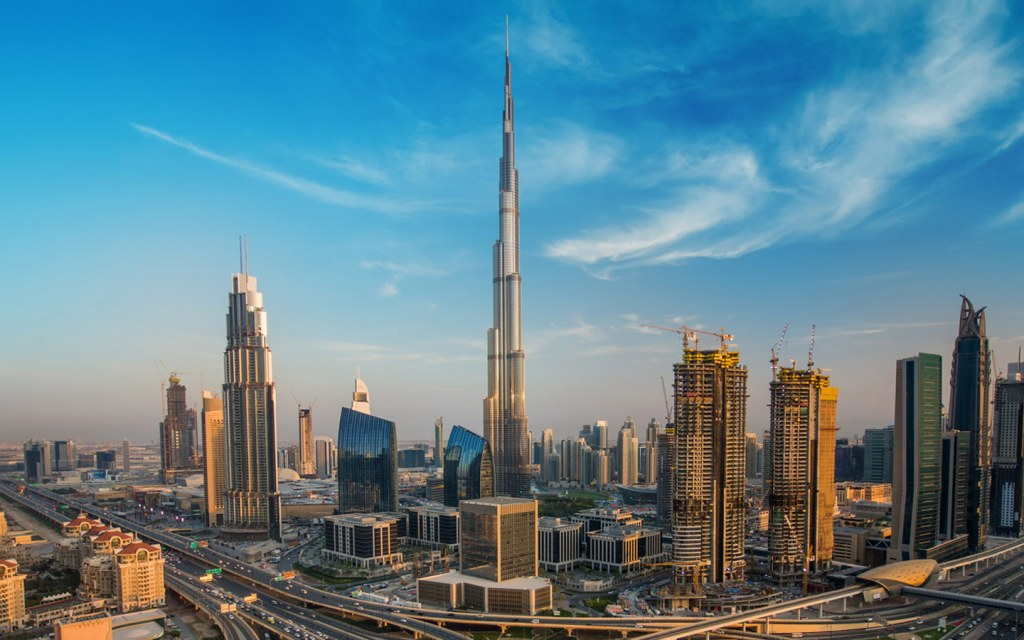
Districts such as Downtown Dubai, Business Bay, and the Dubai International Financial Centre offer glass-and-steel cityscapes suitable for contemporary corporate dramas or science-fiction aesthetics. Just a short distance away, areas like Al Fahidi Historical District and the souqs of Deira provide textured heritage environments that evoke older Middle Eastern trading ports.

Waterfront locations further expand the visual palette. Dubai Marina, Jumeirah Beach, and the city’s canal networks create cinematic settings frequently used for lifestyle advertising, luxury narratives, and contemporary urban storytelling. Meanwhile, the red dunes outside the city provide expansive desert backdrops suitable for epic landscapes or automotive productions.
From a storytelling perspective, these environments illustrate how physical locations influence visual narrative design. The broader theory of how cities function as cinematic language in film storytelling explains how filmmakers use urban spaces to shape atmosphere, character movement, and visual tone. Dubai’s spatial variety allows productions to create multiple narrative environments within a single metropolitan area.
Infrastructure That Supports International Film Crews
Beyond visual diversity, Dubai’s production infrastructure is designed to support international crews operating under tight schedules. The city maintains one of the most connected aviation networks in the world, allowing equipment, personnel, and production cargo to arrive quickly from Europe, Asia, and North America.
Logistics inside the city are equally efficient. Modern highways, predictable traffic management systems, and advanced freight infrastructure make it possible to move equipment between locations without significant delays. For productions working on compressed schedules, this level of logistical reliability becomes a critical operational advantage.
Accommodation and support services also play a major role. Dubai’s hospitality sector includes a wide range of hotels capable of hosting large film crews, while local rental houses supply professional camera systems, lighting rigs, grip equipment, and post-production services. These resources allow productions to minimize international shipping costs by sourcing equipment locally.
Equally important is the city’s administrative predictability. Film permits are managed through centralized coordination structures, and regulatory agencies are accustomed to working with international production companies. As a result, Dubai has developed a reputation for combining creative flexibility with professional operational standards.
How Dubai Film Permits Work for International Productions
Filming in Dubai requires coordination between several authorities, but the permitting process is designed to remain centralized and predictable. The primary oversight body for film activity in the city is the Dubai Film and TV Commission (DFTC), which manages production permits, location approvals, and coordination with other government departments.
The permitting framework ensures that productions can operate safely while respecting public spaces, infrastructure, and cultural guidelines. Although multiple authorities may be involved—such as municipal departments, aviation regulators, and police units—the process is typically routed through the DFTC permit system. This centralized structure allows production companies to submit applications through a unified platform rather than navigating multiple agencies independently.
For international filmmakers, this system simplifies the administrative side of production planning. Scripts, shooting schedules, crew details, and location requests are reviewed as part of the permit process, ensuring that authorities understand the nature of the shoot before approvals are issued.
Dubai’s permit model reflects broader regulatory patterns seen in emerging production hubs worldwide. The underlying structure mirrors the broader frameworks discussed in the governance architecture behind international filming compliance, where centralized film commissions coordinate between multiple public authorities to streamline production approvals.

The Role of the Dubai Film and TV Commission
The Dubai Film and TV Commission functions as the central administrative body for film production within the emirate. Established to promote the city as a global filming destination, the commission also serves as the main point of contact for permit applications, location coordination, and regulatory approvals.
Production companies planning to shoot in Dubai typically begin by submitting their filming requests through the commission’s permit portal. This submission outlines the intended shooting locations, production schedule, equipment requirements, and the size of the crew involved. Depending on the project, additional documentation such as script summaries or risk assessments may also be required.
Once an application is received, the commission coordinates internally with other authorities that may need to approve specific activities. For example, filming in public streets may involve coordination with municipal authorities and traffic departments, while scenes involving aerial filming require aviation clearance.
The DFTC’s role is therefore both administrative and operational. By centralizing communication between production companies and government agencies, the commission reduces bureaucratic complexity and ensures that filming activities remain compliant with local regulations.
Permit Applications, Scripts, and Location Permissions
The permit application process typically begins during the early stages of pre-production. Producers submit detailed information about the planned shoot, including locations, production dates, equipment lists, and the number of personnel involved. For projects that include sensitive locations or complex sequences, authorities may request additional documentation such as story outlines or scene descriptions.
Location permissions represent another important step in the process. Even when filming occurs within publicly accessible areas, property owners or estate managers may need to provide formal approval before permits are finalized. This requirement ensures that filming activities do not disrupt commercial operations or residential environments.
Additional approvals may be required for specific activities. Drone filming requires clearance from aviation authorities, while large-scale productions involving traffic control or crowd scenes may involve coordination with police or municipal agencies. Insurance documentation and risk assessments are often included as part of the permit file to demonstrate that production activities meet safety standards.
For producers seeking a deeper operational overview of the system, the official Dubai filming permits and location approvals handbook provides detailed guidance on the documentation, timelines, and compliance structures involved in securing filming permissions across the city.

Key Filming Locations Across Dubai
Dubai’s appeal to filmmakers is strongly tied to its visual range. Within a single metropolitan area, productions can access futuristic architecture, historic districts, waterfront promenades, luxury resorts, and expansive desert landscapes. This variety allows directors to stage multiple narrative environments without relocating to different countries or production hubs.
For international projects working with tight schedules, this concentration of locations reduces travel time and logistical complexity. Urban skylines can be captured in the morning, heritage districts in the afternoon, and desert sequences by sunset. Such flexibility allows producers to compress production timelines while still maintaining visual diversity across scenes.

The decision to use any filming location is rarely aesthetic alone. Producers evaluate locations using a mix of logistical feasibility, regulatory clarity, visual flexibility, and cost efficiency. These criteria form part of broader industry frameworks discussed in how productions evaluate locations through global scoring systems, where production teams measure locations through a structured assessment of risk, cost, infrastructure, and cinematic value.
Dubai performs well across all of these metrics. The city offers predictable infrastructure, strong government coordination, and a wide range of visually distinct environments, making it a practical choice for feature films, commercials, documentaries, and streaming productions.

Modern Skylines, Waterfronts, and Urban Districts
Dubai’s contemporary architecture has become one of its most recognizable cinematic features. Districts such as Downtown Dubai, Business Bay, and the Dubai International Financial Centre present glass-and-steel skylines that often stand in for global financial capitals in film and advertising productions.
These urban districts offer highly controlled filming environments. Wide boulevards, modern plazas, and waterfront promenades provide visual scale while allowing production crews to manage camera movement, lighting setups, and background activity with relative ease. Locations such as Dubai Marina and the city’s canal developments add a distinctive waterfront aesthetic that frequently appears in lifestyle advertising, travel content, and international television productions.
Another advantage of these modern districts is their adaptability. With careful framing, set dressing, and signage adjustments, parts of Dubai can represent cities across different regions of the world. This ability to “cheat” locations allows filmmakers to create diverse visual settings without relocating entire production units.
Understanding why certain cities can successfully double for others requires a broader perspective on global location strategy. A deeper exploration of these dynamics appears in a deeper discussion of how global productions choose filming environments, which explains how producers combine visual design, logistics, and regulatory considerations when selecting shooting locations.
Heritage Zones, Souqs, and Desert Landscapes
While Dubai is widely associated with futuristic skylines, the city also preserves historic environments that provide strong visual contrast to its modern districts. Areas such as Al Fahidi Historical District and the restored waterfront district of Al Seef showcase traditional wind-tower architecture, narrow alleyways, and gypsum walls that reflect the region’s trading history.

These heritage districts are frequently used for period scenes, cultural narratives, and documentaries exploring Middle Eastern history. Their preserved architecture offers a textured visual environment that differs sharply from the polished modernity of Dubai’s financial districts.
Nearby, the older commercial quarters of Deira introduce another cinematic environment. The traditional souqs—such as the Gold Souq and Spice Souq—provide dense street patterns, market activity, and authentic trading environments that can support both narrative films and documentary production.
Beyond the city limits, Dubai’s desert landscapes expand the visual possibilities even further. The red dunes of Lahbab and the protected areas of the Dubai Desert Conservation Reserve offer sweeping natural backdrops used in automotive campaigns, action sequences, and epic cinematic storytelling.
Together, these environments allow Dubai to present a remarkable visual spectrum within a relatively small geographical area, making it one of the most versatile filming destinations in the region.
Compliance, Safety, and Drone Filming Rules
Filming in Dubai operates within a structured regulatory environment designed to balance creative production needs with public safety and urban management. While the city encourages international productions, it also maintains clear compliance requirements to ensure that filming activities do not disrupt infrastructure, compromise safety, or interfere with public spaces.
These compliance structures apply to a range of production activities including drone filming, stunt coordination, road closures, crowd scenes, and equipment installation in public areas. The permit system requires producers to disclose such activities in advance so authorities can evaluate potential risks and coordinate with the relevant departments.
Safety planning therefore forms an essential part of the production approval process. Risk assessments, insurance documentation, and crew safety protocols are often included as part of permit submissions. These requirements align Dubai with international production standards where filming activities must demonstrate operational accountability.
Such regulatory frameworks are not unique to the UAE. They reflect a broader global approach to production oversight described in the broader compliance frameworks governing international productions, where film commissions and government agencies coordinate to maintain safety while supporting the creative industry.

Aviation Permissions and Drone Regulations
Drone cinematography has become a critical component of modern filmmaking, particularly in visually dramatic environments such as Dubai’s skyline and desert landscapes. However, aerial filming requires strict compliance with aviation regulations.
Drone operations in Dubai must receive approval from aviation authorities, typically involving coordination between the Dubai Civil Aviation Authority (DCAA) and the federal General Civil Aviation Authority (GCAA). Production teams must submit flight plans specifying coordinates, altitude limits, equipment specifications, and pilot credentials.
These permissions are especially important in urban areas where airspace overlaps with airports, helipads, and high-rise structures. Drone flights near sensitive infrastructure require additional review to ensure that aircraft movements remain safe and controlled.
Producers must also demonstrate that their drone operators hold appropriate certifications and that equipment is properly registered within the UAE’s aviation systems. Depending on the complexity of the shoot, approvals may take several days to finalize, making early planning essential during pre-production.

Insurance, Safety Protocols, and On-Set Compliance
Insurance coverage forms a central part of compliance for film productions operating in Dubai. Most permits require proof of public liability insurance to ensure that any accidental damage to property or injury to individuals is financially covered.
Additional insurance endorsements may be required for specialized activities such as stunts, pyrotechnics, drone operations, or marine filming. These policies provide financial protection not only for the production company but also for location owners and public authorities involved in approving the shoot.
On-set safety protocols complement these insurance structures. Productions are typically required to appoint safety officers or designated supervisors responsible for enforcing risk management procedures. Safety briefings, hazard assessments, and emergency response plans are commonly included within daily call sheets to ensure that all crew members understand operational guidelines.
The importance of these safeguards becomes clearer when examining how production insurance structures protect international shoots, which outlines the financial and legal mechanisms that allow large-scale productions to operate across multiple jurisdictions while managing operational risk.
Together, these compliance systems ensure that Dubai remains both a creative and operationally secure environment for international filmmaking.

The Role of Line Producers and Fixers in Dubai
Film production in Dubai depends heavily on experienced line producers and local fixers who understand the operational systems behind the city’s filming ecosystem. While directors and producers focus on the creative direction of a project, line producers translate those creative goals into logistical execution. They coordinate permits, crew management, equipment sourcing, transportation, accommodation, and location negotiations.
In a city with diverse filming environments and multiple regulatory authorities, these operational roles become essential. International production teams often arrive with limited familiarity with local regulations, property permissions, and municipal procedures. A knowledgeable line producer ensures that production plans align with Dubai’s permit structure, safety requirements, and scheduling constraints.
Fixers also play an important role during early production planning. They scout potential locations, arrange meetings with property owners, coordinate municipal approvals, and help production teams estimate realistic shooting schedules. Because many filming locations involve private estates, commercial properties, or government-managed spaces, early negotiation and logistical planning can significantly reduce delays during principal photography.
For international producers evaluating operational partners, working with an experienced line producer Dubai film production team ensures that creative planning aligns with the practical realities of filming within the city. These professionals act as the central coordination layer between production companies, government authorities, and local vendors.

Coordinating Permits, Locations, and Crew Logistics
One of the primary responsibilities of a line producer in Dubai is coordinating the entire permitting and logistics workflow that allows a production to move from pre-production planning to on-set execution. This process begins with permit applications through the Dubai Film and TV Commission and expands to include location owner approvals, insurance documentation, and safety compliance planning.
Line producers also manage the technical logistics of the production itself. They coordinate equipment rentals, crew hiring, transportation routes, accommodation arrangements, and shooting schedules. In a city where multiple filming environments are accessible within a short distance, careful logistical planning allows productions to capture multiple locations within a single shooting schedule.
Another key responsibility involves working directly with property owners and municipal authorities. Locations such as hotels, shopping districts, heritage zones, and waterfront promenades require formal approvals before filming begins. A local fixer typically negotiates these permissions while ensuring that the production’s operational plan remains compliant with municipal regulations.
This coordination ensures that filming days run smoothly. When permits, equipment logistics, crew movement, and location access are aligned, productions can operate efficiently without costly delays or administrative interruptions.
Working Within International Line Production Networks
Modern film production frequently involves collaboration across multiple countries. A feature film might shoot scenes in several regions, while streaming productions often coordinate post-production workflows across continents. In these scenarios, local line producers operate within larger international production networks.
Dubai’s role within these networks has expanded significantly in recent years. The city functions as both a standalone filming destination and a regional production hub connecting Europe, Asia, and the Middle East. As a result, many international productions integrate Dubai shoots within broader cross-border production schedules.
Local line producers facilitate this integration by coordinating with production partners in other countries. Budget structures, vendor contracts, equipment logistics, and crew scheduling must align across multiple jurisdictions to maintain financial and operational consistency. This coordination requires a clear understanding of international production workflows.
A broader overview of these collaborative structures appears in how international productions structure cross-border collaboration, which explains how production companies coordinate creative and operational teams across multiple countries.
In Dubai, experienced line producers serve as the local operational anchor within these networks. They ensure that international production strategies translate effectively into on-the-ground execution.
Conclusion
Dubai has established itself as one of the most efficient and visually diverse filming environments in the Middle East. Its combination of modern infrastructure, varied locations, and coordinated permit systems allows international productions to operate with a high degree of predictability. For filmmakers planning shoots across multiple locations, the city offers a rare balance between cinematic variety and logistical efficiency.
The permit governance system plays a central role in maintaining this balance. By coordinating filming approvals through structured administrative frameworks, Dubai ensures that productions can access public spaces, private properties, and complex urban environments while maintaining safety and regulatory compliance.
Equally important is the relationship between locations, logistics, and production planning. Filming across urban districts, heritage areas, and desert landscapes requires careful coordination of transportation, equipment, and crew schedules. Without proper operational planning, even visually ideal locations can become difficult to manage.
This is where line producers and fixers become indispensable. Their understanding of local permitting systems, vendor networks, and location access procedures allows international productions to move from concept to execution efficiently. By bridging creative ambitions with operational realities, they ensure that Dubai’s cinematic potential can be translated into successful film and television productions.
