
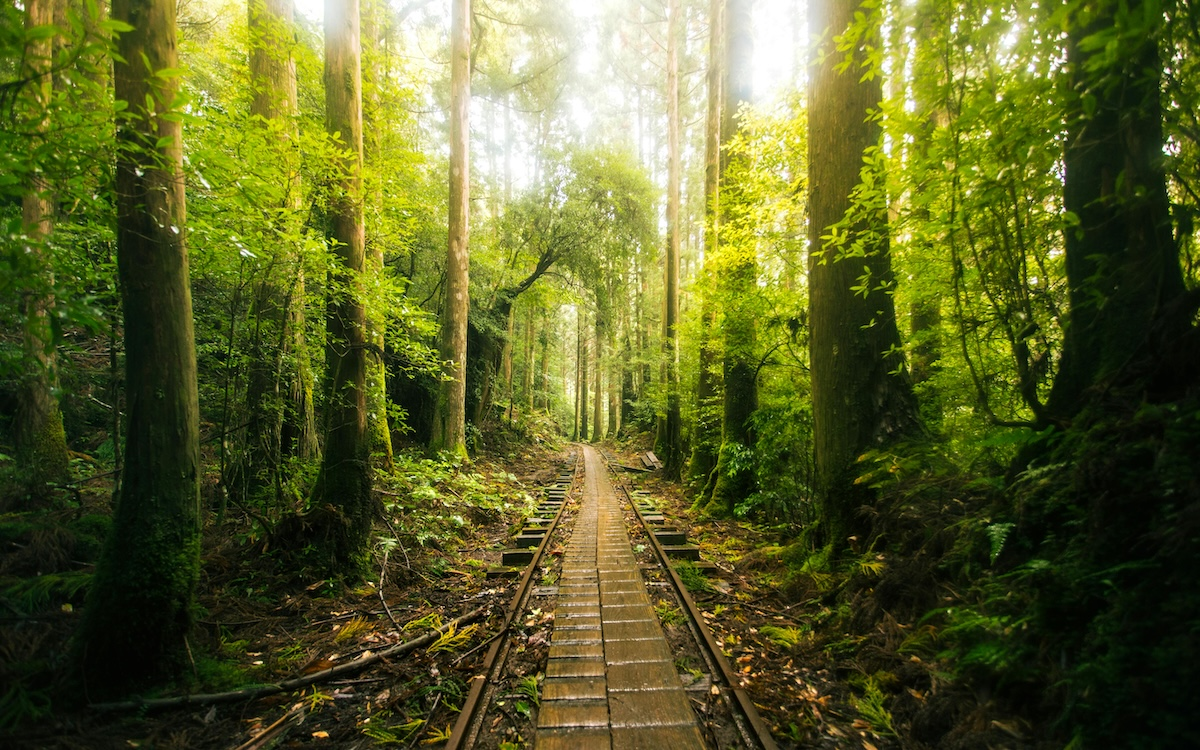
Why Wildlife Forests in India Attract Film Productions
India’s forests provide some of the most visually diverse natural environments available to filmmakers. From dense tropical jungles and bamboo forests to high-altitude alpine ecosystems and dry deciduous landscapes, the country offers a wide spectrum of natural backdrops within relatively accessible geographic distances. This diversity allows filmmakers to capture multiple ecological settings without moving production units across continents.
International productions often search for locations capable of visually representing wilderness, isolation, and untouched natural environments. India’s national parks, wildlife sanctuaries, and protected forests provide exactly this kind of cinematic authenticity. Landscapes such as the Western Ghats, central Indian tiger reserves, Himalayan foothill forests, and northeastern rainforests can visually replicate environments ranging from Southeast Asia to parts of Africa.
At the planning stage, producers and location departments rarely evaluate forests only by visual appeal. Environmental accessibility, wildlife safety rules, road infrastructure, and government permissions all influence whether a location can realistically support a production unit. Understanding how international productions evaluate filming locations through structured execution corridor analysis helps explain why certain forest regions become repeat filming destinations while others remain visually impressive but operationally impractical.

India’s Forest Diversity and Cinematic Value
India hosts one of the world’s largest networks of protected forests, national parks, and biodiversity reserves. These ecosystems span several climatic zones, including tropical rainforests, mangrove ecosystems, temperate mountain forests, and dry woodland environments. For filmmakers, this range creates a powerful location palette capable of supporting many narrative settings.
The Western Ghats, for example, contain dense rainforests with layered vegetation and mist-covered hills. These areas can visually resemble Southeast Asian jungle environments. Central India’s tiger reserves provide open forests, grasslands, and river systems that often serve as cinematic representations of untamed wilderness landscapes. In the northeast, forests such as those in Arunachal Pradesh and Meghalaya deliver remote jungle settings rarely seen in mainstream film production.
Such environments are especially valuable for productions involving wildlife documentaries, adventure films, survival narratives, or historical stories set in natural landscapes. Filmmakers frequently rely on natural forests to convey realism that studio-built sets cannot replicate.
Another important factor is geographic proximity between diverse forest types. Within a single country, filmmakers can move between different ecological settings without the logistical complexity of cross-border production. This reduces travel costs and simplifies equipment movement, while still offering visually distinct environments that support multiple scenes or story locations.

Challenges Unique to Wildlife Filming Environments
While forests provide remarkable cinematic potential, they also introduce a range of operational challenges that do not exist in controlled filming environments. Wildlife habitats are protected ecosystems, and film productions must operate within strict environmental and legal frameworks designed to preserve biodiversity.
One of the most significant challenges is limited access. Many forest areas restrict vehicle movement, crew size, lighting equipment, and drone usage. These restrictions exist to prevent disturbances to wildlife and to minimize environmental damage. As a result, production teams often need to adapt their equipment strategy, relying on lighter camera systems and minimal infrastructure.
Weather and terrain also influence filming operations. Dense vegetation can block sunlight, making natural lighting unpredictable. Monsoon seasons may render forest roads inaccessible for weeks, delaying filming schedules and complicating transport planning. In some areas, crews must move equipment on foot or with limited off-road vehicles.
Wildlife safety is another critical concern. Film crews operating in forests may encounter animals such as elephants, tigers, leopards, or snakes. Productions therefore require trained local guides, forest department supervision, and clearly defined safety protocols.
These operational realities mean that successful wildlife filming depends on careful planning long before a production unit enters the forest environment. Proper risk assessment, permit coordination, and logistical preparation are essential to balance cinematic ambition with environmental responsibility.
Forest Filming Permissions and Regulatory Framework
Filming inside wildlife forests in India involves a structured permission process governed by multiple government authorities. Unlike urban or privately controlled locations, forests fall under protected environmental jurisdictions. Production teams must therefore coordinate with forest departments, wildlife authorities, and sometimes national conservation bodies before any filming activity can begin.
India’s wildlife reserves, national parks, and protected forest zones operate under strict conservation frameworks. These regulations are designed to ensure that film activity does not disrupt wildlife habitats or damage fragile ecosystems. As a result, permits typically regulate the size of film crews, the type of equipment allowed inside forest zones, and the duration of shooting schedules.
Understanding how film permissions and compliance structures operate across India helps producers anticipate the approval timelines and documentation required before filming begins. Permit applications often include script summaries, shooting schedules, environmental assurances, insurance coverage, and equipment lists submitted to the relevant forest authorities.
In many cases, filming approvals must also align with local administrative bodies and district authorities. This layered approval system ensures that both environmental protection and logistical oversight remain in place when productions operate inside wildlife areas. As a result, successful forest filming depends not only on creative planning but also on regulatory coordination and compliance with conservation policies.
Government Authorities and Permit Structures
Wildlife forests in India are primarily managed by state forest departments operating under national environmental laws. Each state maintains its own forest administration responsible for supervising national parks, wildlife sanctuaries, and conservation reserves. Film productions seeking access to these areas must submit formal permission requests to the respective state forest department.
The approval process typically begins with an application outlining the nature of the film project, proposed locations, crew size, equipment specifications, and shooting duration. Forest departments review these details to determine whether filming activity could affect wildlife behavior or environmental stability.
In several protected parks, filming activities are supervised directly by forest officers or wildlife wardens. These officials monitor crew movement, ensure compliance with environmental guidelines, and verify that no unauthorized equipment or infrastructure enters protected zones.
Certain forest areas also require security deposits or conservation fees. These financial guarantees help ensure that production teams restore locations to their original condition after filming concludes. The permit structure therefore balances access for filmmakers with strict environmental oversight designed to preserve natural ecosystems.

Wildlife Protection Laws and Filming Restrictions
India’s wildlife forests are protected under comprehensive environmental legislation, including the Wildlife Protection Act and various state conservation regulations. These laws establish strict rules governing activities within national parks and wildlife sanctuaries, including film production.
One of the primary objectives of these laws is to prevent disturbances to animal habitats. Film crews may face restrictions on the use of lighting rigs, generators, drones, or sound equipment that could disrupt wildlife movement. In sensitive zones, authorities may also limit crew size or prohibit night filming to protect nocturnal species.
Another important regulation concerns vehicle movement inside forest reserves. Many protected parks allow only designated safari vehicles or approved transport systems to operate within forest areas. Productions must therefore adapt equipment transport plans to fit these controlled mobility rules.
Environmental responsibility also plays a major role in permit approvals. Productions must ensure that filming does not involve deforestation, ground alteration, or waste generation that could harm natural ecosystems. Authorities may require waste management plans and strict supervision of crew activities.
These legal protections reinforce the importance of responsible filmmaking in wildlife environments. By adhering to conservation laws and regulatory guidelines, film productions can operate within India’s forests while ensuring that wildlife habitats remain protected for the future.

Equipment Planning for Wildlife Forest Film Shoots
Filming inside wildlife forests requires a very different equipment strategy compared to urban or studio environments. Forest terrain is often uneven, access roads are limited, and vehicle movement may be restricted by conservation regulations. These conditions require production teams to prioritize mobility, reliability, and minimal environmental disturbance when selecting filming equipment.
Unlike conventional productions that transport large lighting rigs and heavy infrastructure, forest shoots depend on compact camera systems, lightweight rigs, and portable power solutions. Equipment planning must consider how gear will physically reach the filming area, how it will operate without stable electricity sources, and how quickly it can be moved between locations inside protected forest zones.
Modern filmmaking tools increasingly support these requirements. Advances in camera stabilization, compact digital cinema cameras, and battery-efficient lighting systems have made it possible to operate in remote environments without sacrificing image quality. Understanding the expanding role of production technology across modern filmmaking workflows helps illustrate how these technological shifts have made wildlife filming more feasible for both documentary teams and narrative productions.
In wildlife environments, equipment planning is therefore closely linked to environmental constraints. Every piece of gear must serve a clear operational purpose while minimizing weight, noise, and ecological impact inside protected forest ecosystems.

Cameras, Lenses and Mobility Considerations
Camera selection for forest filming prioritizes portability and flexibility. Wildlife environments rarely allow the transport of large studio camera packages, especially when filming occurs deep inside protected areas. Production teams therefore rely on compact digital cinema cameras or high-end mirrorless systems capable of delivering cinematic quality while remaining lightweight.
Long telephoto lenses are particularly important when filming wildlife. Animals must be observed from safe distances to avoid disturbing their natural behavior. Telephoto lenses allow filmmakers to capture detailed footage while maintaining the required physical separation between crew and wildlife habitats.
Mobility is another critical factor. Forest terrain can include steep slopes, dense vegetation, river crossings, and narrow trails that restrict equipment movement. Camera operators often rely on handheld rigs, gimbals, or lightweight tripods that allow rapid repositioning without requiring extensive setup time.
Weather conditions also influence equipment selection. Forest environments can be humid, dusty, or exposed to sudden rainfall. Protective camera housings, waterproof gear covers, and sealed equipment cases become essential to protect sensitive electronics from environmental damage.
By prioritizing mobility and durability, film crews can adapt quickly to changing forest conditions while maintaining the visual quality required for professional productions.
Power Supply, Batteries and Remote Operations
Power management is one of the most critical technical challenges when filming in wildlife forests. Unlike studio environments, remote forest locations rarely provide reliable electricity infrastructure. Production teams must therefore operate entirely on portable power systems throughout the shoot.
High-capacity battery systems form the backbone of most remote filming setups. Cameras, monitors, wireless transmitters, lighting equipment, and communication devices all rely on battery power during forest shoots. Production planners typically calculate energy consumption carefully to ensure that sufficient battery capacity is available for each day of filming.
Portable generators may sometimes be used, but their deployment is often limited by environmental regulations and noise restrictions within wildlife reserves. As a result, many productions depend on silent battery systems and solar charging units that can operate without disturbing surrounding ecosystems.
Charging logistics also require careful coordination. In extended forest shoots, base camps may serve as charging stations where batteries are rotated and recharged overnight. Efficient battery labeling and power management systems help prevent equipment downtime during filming hours.
Reliable power planning ensures that cameras and recording systems remain operational throughout the production schedule, allowing crews to capture critical wildlife moments that often occur unpredictably in natural environments.

Logistics and Transport for Forest Filming
Transport logistics become one of the most complex operational components when filming inside wildlife forests. Unlike urban locations where trucks, cranes, and production vehicles can move freely, forest areas impose strict movement limitations designed to protect natural habitats. Roads inside protected reserves are often narrow, seasonal, or restricted to authorized vehicles, requiring productions to carefully plan how equipment and crew members will enter and operate within these environments.
Access to filming zones may also be controlled by forest authorities, who regulate the number of vehicles and crew members allowed inside a protected area at any given time. Productions often establish base camps outside forest boundaries where equipment is unloaded and repacked into smaller vehicles or portable transport systems that comply with conservation guidelines.
Planning these operations requires coordination between production managers, location teams, and local forest officials. Understanding how global crew mobility systems support international film production logistics highlights how structured transport planning allows film units to move personnel and equipment efficiently across restricted environments while maintaining operational safety and environmental compliance.
Successful forest shoots therefore depend on carefully sequenced transport strategies that move equipment in stages while minimizing environmental disturbance and maintaining the efficiency required for filming schedules.
Transporting Equipment into Restricted Forest Zones
Transporting filming equipment into protected forests often involves multiple logistical stages. Heavy production vehicles rarely receive permission to enter deep forest zones. Instead, equipment is usually transported to a designated forest entry point where it is transferred into smaller vehicles or manually carried by trained support crews.
In many wildlife reserves, only approved safari vehicles or forest department transport may operate within protected areas. Film crews must therefore adapt equipment packages to fit these vehicle constraints. Camera kits, lightweight lighting systems, and portable support gear become essential because bulky production equipment cannot easily navigate forest terrain.
Terrain conditions further complicate equipment movement. Forest roads may include steep inclines, river crossings, or dense vegetation that restricts vehicle access. In such cases, crews may rely on off-road vehicles, pack animals, or manual transport teams to move essential gear to filming locations.
Environmental guidelines also limit the type of equipment allowed inside forest zones. Large generators, heavy cranes, or ground-altering infrastructure may be restricted to protect wildlife habitats. As a result, productions must carefully balance technical requirements with conservation regulations when planning their transport logistics.
Communication Systems and Crew Movement
Effective communication is critical when filming inside remote forest environments. Dense vegetation, mountainous terrain, and limited cellular coverage can disrupt conventional communication networks, making it difficult for production teams to coordinate activities across different filming zones.
To address this challenge, film crews often deploy portable radio communication systems that operate independently of mobile networks. These radios allow directors, camera operators, safety supervisors, and logistics coordinators to maintain continuous contact during filming operations.
Crew movement inside forests must also be carefully managed to prevent disruptions to wildlife habitats. Many national parks restrict the number of people allowed inside sensitive zones, requiring productions to divide teams into smaller operational units. Only essential crew members typically travel to filming sites, while additional departments remain stationed at base camps.
Clear movement schedules help avoid congestion within forest areas and ensure that transport vehicles remain available when required. Coordinated entry and exit plans also reduce environmental impact by limiting unnecessary travel through wildlife habitats.
Through careful planning of communication systems and crew mobility, film productions can maintain efficient coordination while operating within the strict environmental guidelines governing wildlife forest environments.

Risk Management and Safety in Wildlife Environments
Filming inside wildlife forests introduces operational risks that differ significantly from conventional production environments. Crews work within natural ecosystems that contain unpredictable wildlife behavior, challenging terrain, and limited emergency infrastructure. For this reason, risk management planning becomes an essential component of pre-production before any equipment or personnel enter protected forest zones.
Production teams must evaluate environmental hazards, medical accessibility, evacuation routes, and wildlife activity patterns in the chosen filming location. Forest departments and conservation authorities often require productions to submit safety plans as part of their permit applications. These plans outline how crews will manage potential wildlife encounters, environmental hazards, and operational disruptions during filming.
Understanding location feasibility and operational risk assessment used during international film planning helps illustrate how professional productions analyze environmental risks before selecting remote filming locations. Such evaluations determine whether a forest environment can safely support filming activity while maintaining protection for wildlife and ecosystems.
In wildlife environments, safety planning extends beyond crew welfare. It also involves protecting natural habitats from disruption. Effective risk management therefore balances production requirements with conservation priorities, ensuring that film shoots operate responsibly within protected ecosystems.
Wildlife Safety Protocols for Film Crews
Wildlife safety protocols are essential when film crews operate inside protected forests. Unlike controlled filming locations, wildlife environments contain animals that move freely through their natural habitats. Productions must therefore adopt strict safety procedures to reduce the risk of unexpected encounters between crew members and wildlife.
One of the most important measures involves maintaining safe distances from animals. Film crews typically rely on long-range lenses and remote camera systems to capture wildlife footage without approaching animals directly. Local forest guides and wildlife officers often accompany production teams to monitor animal movement and advise crews on safe positioning.
Crew briefings are another critical part of safety planning. Before entering forest zones, team members receive guidance on how to behave in wildlife habitats. This includes avoiding loud noises, sudden movements, and flash lighting that could disturb animals.
Emergency response planning is also required. Production units must prepare evacuation procedures in case of injuries, wildlife encounters, or sudden environmental hazards. Medical kits, satellite communication devices, and trained safety personnel are often included in remote filming teams to ensure rapid response capabilities.
These safety protocols help ensure that film crews can work effectively in wildlife environments while minimizing risks to both humans and animals.

Environmental Protection and Sustainable Filming
Responsible filmmaking in wildlife forests requires strict adherence to environmental protection guidelines. Film productions operate within ecosystems that may contain endangered species and fragile habitats. Any disruption to these environments can cause long-term ecological damage.
For this reason, forest authorities typically enforce strict sustainability rules for film crews. Productions must avoid altering landscapes, cutting vegetation, or disturbing wildlife nesting areas. Temporary infrastructure such as lighting rigs or camera platforms must be carefully positioned to prevent damage to natural surroundings.
Waste management is another critical requirement. Film crews are expected to remove all waste generated during filming, including food packaging, batteries, and equipment materials. Many forest permits require productions to follow “leave no trace” principles, ensuring that the location remains unchanged after filming concludes.
Transport logistics also influence environmental impact. Limiting vehicle movement inside forest zones helps reduce soil damage and noise pollution that could disturb wildlife habitats. Crews often rely on smaller vehicles or manual transport methods to minimize ecological disruption.
Through careful environmental planning and sustainable practices, film productions can operate within wildlife forests while preserving the natural ecosystems that make these locations valuable cinematic environments.
Coordinating Forest Shoots with Experienced Line Producers
Wildlife forest productions require a level of operational coordination that goes far beyond standard location shoots. Unlike controlled environments where departments operate within predictable infrastructure, forest filming introduces unpredictable terrain, wildlife movement, restricted transport routes, and strict environmental regulations. These factors require careful coordination between production departments long before the camera begins rolling.
An experienced line producer India plays a central role in managing these operational complexities. Line producers are responsible for translating creative requirements into executable production plans that account for environmental restrictions, crew mobility, equipment transport, and permit compliance.
In wildlife forests, this role becomes particularly critical because even small planning oversights can disrupt filming schedules or create safety risks. Forest access windows may be limited to certain hours, vehicle movement may be restricted, and environmental authorities may impose strict supervision during filming.
Planning for forest shoots also requires an understanding of the operational realities of filming in extreme remote environments, where logistical planning must adapt to limited infrastructure and changing natural conditions. Production teams therefore depend heavily on experienced coordination to ensure that equipment, personnel, and safety systems operate efficiently within these constraints.

Operational Planning for Multi-Department Film Crews
Film productions involve multiple departments operating simultaneously, including camera, lighting, sound, art direction, transport, catering, and safety teams. In wildlife forest environments, coordinating these departments requires careful operational planning to ensure that activities remain synchronized while respecting environmental restrictions.
Forest permits often limit the number of people allowed inside protected zones. As a result, production planners must determine which crew members are essential for each filming sequence. Smaller operational teams typically enter the forest location, while additional departments remain at base camps positioned outside restricted areas.
Scheduling also becomes more complex in forest environments. Wildlife movement patterns, weather conditions, and daylight availability can influence filming timelines. Departments must therefore coordinate closely to ensure that equipment setup, camera placement, and crew movement occur efficiently within limited shooting windows.
Clear communication systems and defined movement plans help maintain coordination across departments. Without structured operational planning, even a small disruption—such as delayed equipment transport or unexpected wildlife activity—can affect multiple departments simultaneously and delay production schedules.

Managing Permits, Logistics and Local Coordination
Successful forest filming requires continuous coordination between production teams and local authorities. Wildlife reserves operate under strict conservation policies, and film crews must follow permit conditions that regulate access, equipment use, and environmental conduct inside protected areas.
Line producers typically oversee these coordination processes by working directly with forest departments, wildlife wardens, and local administrative officials. Permit approvals often specify where filming can occur, which routes crews must use, and how equipment may be transported within forest zones.
Local coordination also involves working with regional support teams such as forest guides, safety supervisors, and logistics providers familiar with the terrain. These professionals play a critical role in helping film crews navigate restricted areas safely and efficiently.
Transport planning, accommodation arrangements, and daily crew movement must all align with forest regulations. Any deviation from approved schedules or routes may result in permit violations or filming delays.
By maintaining clear coordination between production departments, government authorities, and local support teams, line producers ensure that wildlife forest shoots operate smoothly while respecting environmental protection requirements.
Conclusion
Shooting in wildlife forests in India offers filmmakers access to visually remarkable natural landscapes that cannot easily be replicated elsewhere. However, these environments require extensive preparation, regulatory compliance, and operational discipline to support successful film productions.
Forest filming begins with a clear understanding of permit structures and conservation regulations that govern protected areas. Productions must coordinate closely with forest authorities to ensure that filming activities respect wildlife habitats and environmental policies.
Safety planning is equally important. Wildlife environments introduce risks that require trained supervision, emergency protocols, and strict behavioral guidelines for film crews operating within natural ecosystems.
Technical preparation also plays a major role in remote forest shoots. Lightweight camera systems, portable power solutions, and mobile communication tools allow productions to operate effectively in locations where conventional infrastructure does not exist.
Logistics coordination ties these elements together. Transport planning, crew mobility, equipment management, and scheduling must all align with environmental restrictions and operational realities.
Through structured planning and experienced line production management, film crews can successfully capture the cinematic value of India’s wildlife forests while preserving the ecosystems that make these locations unique.
