
Jordan’s film industry, bolstered by the Royal Film Commission (RFC) since 2003, has emerged as a vibrant hub for storytelling and international production. With expanding infrastructure and growing global collaborations, filming in Jordan has become an attractive option for producers seeking desert landscapes, historical sites, and efficient production support. Jordanian filmmakers, supported by RFC’s Jordan Film Fund (JFF, $650,000 annually), training programs like the Rawi Screenwriters Lab, and co-production treaties with Canada, Flanders (Belgium), and Arab nations, have crafted narratives that compete at prestigious festivals like Cannes. In parallel, the country’s production ecosystem now supports international crews through structured services, incentives, and logistical frameworks explained in this filming in Jordan guide
Beyond creative development, Jordan has positioned itself as a competitive production destination by offering professional on-ground execution, financial incentives, and coordinated location management for global shoots. Producers exploring budgets, logistics, and operational frameworks can also examine the broader overview of production services and filming economics in Jordan
This blog dives into key films by Jordanian directors, detailing their production journeys, RFC support, Cannes connections, and co-production frameworks, whether shot in Amman’s urban streets or abroad for narrative authenticity. From Inshallah a Boy’s Cannes triumph to 3000 Nights’s Palestinian setting, these projects demonstrate how Jordan’s evolving production ecosystem is enabling filmmakers to tell stories that resonate far beyond the region.
Key Films by Jordanian Filmmakers
Below are detailed profiles of notable films by Jordanian directors, highlighting their narratives, filming locations, RFC support, Cannes connections, and co-production details.
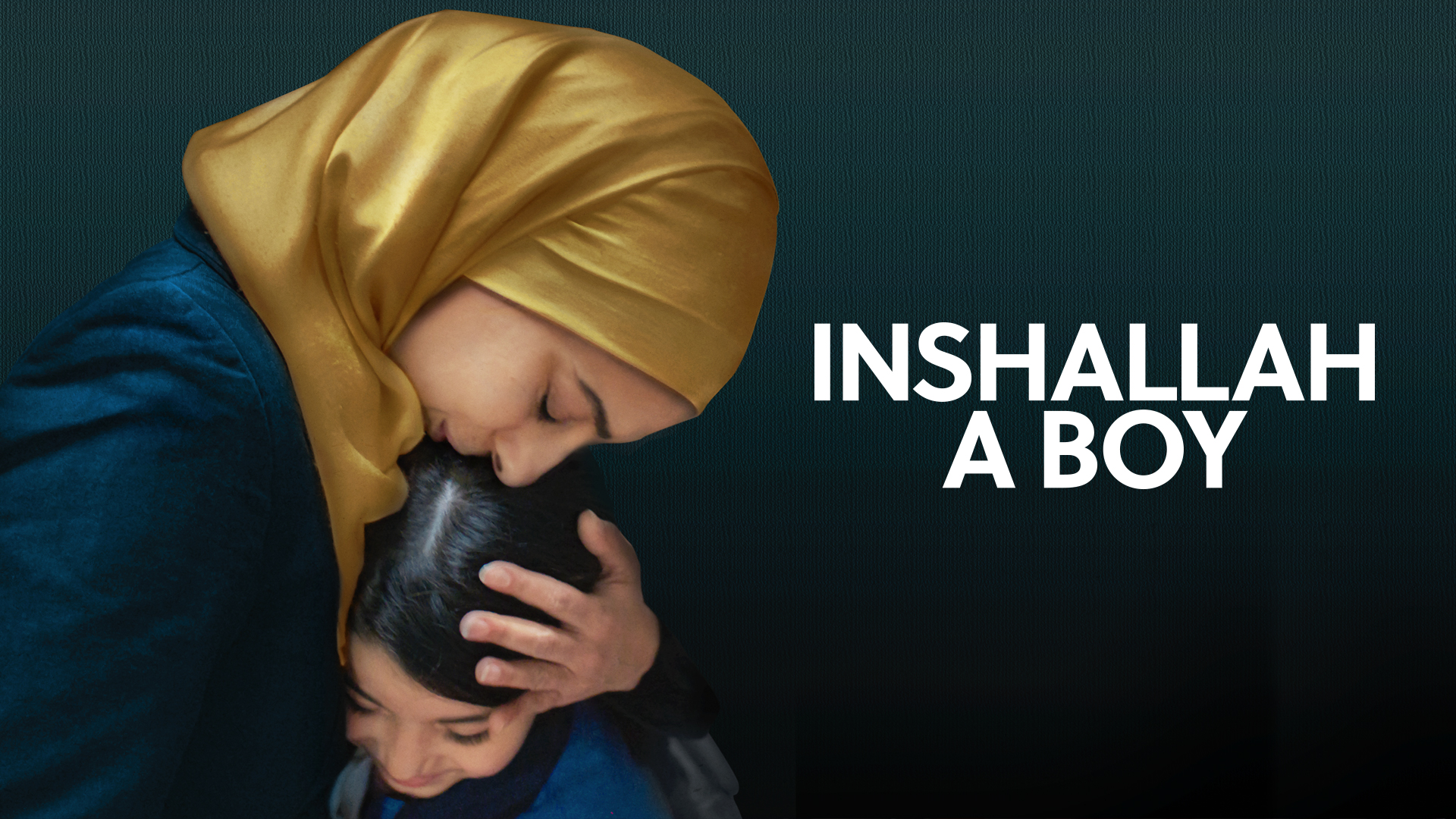
1. Inshallah a Boy (2023)
Overview: Directed by Amjad Al-Rasheed, Inshallah a Boy is a drama about Nawal, a Jordanian widow navigating patriarchal inheritance laws to secure her daughter’s future. Its authentic portrayal of Amman’s urban life and social issues earned global acclaim.
Filming Location: Shot entirely in Amman, Jordan, over five weeks in 2022, using residential areas and urban settings to reflect the story’s grounded realism. Locations included middle-class neighborhoods and markets, capturing Amman’s cultural texture.
RFC Involvement:
- Received JFF grants in 2019 ($50,000 for development) and 2022 ($100,000 for production), covering script refinement and local crew costs.
- RFC facilitated permits for Amman shoots, coordinated with local authorities, and ensured cultural compliance (e.g., respecting prayer times).
- Provided access to Amman’s production resources, including local technicians ($40–180/day) and equipment rentals (₹25,000/day for 4K cameras).
Cannes Connection: Selected for Critics’ Week at the 76th Cannes Film Festival (2023), the first Jordanian film to compete there, winning the Gan Foundation Award and Rail d’Or for Best Film. Its Cannes debut, supported by RFC’s festival promotion, marked a historic moment for Jordanian cinema.
Co-Production Details: A Jordanian-Egyptian-Saudi-Qatari co-production, leveraging RFC’s regional treaties. Egyptian and Saudi partners contributed $200,000 in funding, while Qatari post-production facilities enhanced editing. The RFC’s coordination saved an estimated $150,000 (15% of the $1 million budget) through rebates and local resources.
Impact: The film’s success at Cannes and its authentic Amman setting boosted Jordan’s reputation as a filmmaking hub, inspiring local talent. Its focus on gender dynamics resonated with global audiences, particularly in India’s OTT market (e.g., JioCinema).
Takeaway: Inshallah a Boy exemplifies how RFC’s support and Amman’s urban backdrop can elevate Jordanian stories to global stages.
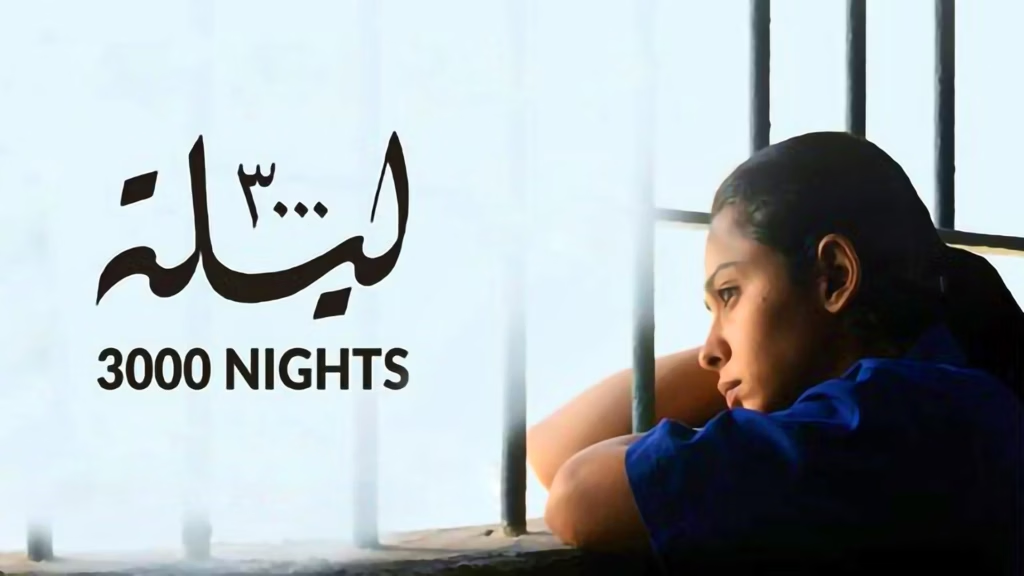
2. 3000 Nights (2015)
Overview: Directed by Mai Masri, a Jordanian-Palestinian filmmaker, 3000 Nights portrays a Palestinian teacher’s imprisonment in an Israeli jail during the 1980s, exploring resilience and motherhood. The film’s emotional depth gained international recognition.
Filming Location: Shot primarily in Palestine, with some scenes possibly in Jordan or Lebanon for logistical reasons. Palestinian prison settings were essential for authenticity, requiring filming outside Jordan. Exact locations are not fully documented, but Palestine was the narrative focus.
RFC Involvement:
- JFF provided $30,000 for script development and $70,000 for post-production, enabling Masri to refine the story and access editing suites.
- RFC’s regional networks connected Masri with Palestinian and Lebanese co-producers, facilitating cross-border logistics.
- Supported cultural sensitivity training for the crew to handle the film’s sensitive themes.
Cannes Connection: No Cannes screening, but premiered at the Toronto International Film Festival (2015), earning critical acclaim. RFC’s festival outreach amplified its visibility.
Co-Production Details: A Jordanian-Palestinian-Lebanese-French-Qatari co-production. French funding ($150,000) supported production, while Qatari post-production facilities and Lebanese crew expertise reduced costs by 10%. RFC’s treaty with regional partners streamlined permits and crew coordination.
Impact: The film’s non-Jordanian setting showcased RFC’s flexibility in supporting regional Arab stories, broadening Jordanian cinema’s scope. Its festival success highlighted Masri’s storytelling prowess.
Takeaway: 3000 Nights demonstrates RFC’s role in enabling Jordanian filmmakers to tell regional stories abroad, with robust co-production support.
3. Blessed Benefit (2016)
Overview: Directed by Mahmoud al Massad, Blessed Benefit is a dark comedy about Ahmad, a contractor imprisoned for a failed deal, navigating Jordanian bureaucracy and societal absurdities. Its humor reflects everyday Jordanian life.
Filming Location: Shot primarily in Amman, Jordan, with urban settings like downtown markets and prisons. Some sources suggest minor scenes in Lebanon for logistical ease, though unconfirmed. Amman’s gritty streets were central to the narrative.
RFC Involvement:
- JFF granted $80,000 for production, covering local crew ($50–150/day) and location permits.
- RFC coordinated Amman shoots, securing municipal approvals (₹40,000) and crowd control for downtown scenes.
- Provided access to local talent via the Jordanian Production Directory, reducing casting costs by 15%.
Cannes Connection: No Cannes screening, but premiered at the Toronto International Film Festival (2016) and screened at Berlin, boosting Jordanian cinema’s profile. RFC’s festival promotion aided its reach.
Co-Production Details: A Jordanian-German-Dutch co-production, with German funding ($100,000) and Dutch post-production support. RFC’s treaty with Flanders facilitated Dutch involvement, saving 10% on editing costs.
Impact: The film’s relatable portrayal of Jordanian society, as noted by Massad, resonated locally and internationally, encouraging Jordanian audiences to embrace self-reflective cinema.
Takeaway: Blessed Benefit highlights RFC’s support for Amman-based shoots, using local settings to craft universal stories.

4. The Alleys (2021)
Overview: Directed by Bassel Ghandour, The Alleys is a crime drama set in Amman’s East Side, exploring love, betrayal, and violence in tight-knit communities. Its noir aesthetic gained festival traction.
Filming Location: Shot in Amman, Jordan, using narrow alleys and urban neighborhoods to create a claustrophobic atmosphere. The RFC facilitated access to these locations.
RFC Involvement:
- JFF provided $90,000 for production and $30,000 for post-production, covering equipment (₹30,000/day) and crew costs.
- RFC secured permits for Amman’s East Side (₹50,000) and coordinated with local communities for crowd management.
- Supported Ghandour’s script development via the Rawi Lab, refining the film’s narrative.
Cannes Connection: No Cannes screening, but premiered at Locarno Film Festival (2021), earning praise for its bold style. RFC’s festival network amplified its exposure.
Co-Production Details: A Jordanian-Egyptian-Saudi co-production, with Egyptian actors and Saudi funding ($150,000). RFC’s regional treaties streamlined logistics, saving 12% on costs.
Impact: The film’s Amman setting and crime narrative showcased Jordan’s urban diversity, appealing to global audiences and regional OTT platforms.
Takeaway: The Alleys underscores RFC’s ability to support complex urban shoots in Amman, enhancing Jordanian cinema’s global reach.

5. Daughters of Abdul Rahman (2021)
Overview: Directed by Zaid Abu Hamdan, Daughters of Abdul Rahman is a family drama about four sisters searching for their missing father, blending humor and social commentary. Its relatable characters resonated regionally.
Filming Location: Shot in Amman, Jordan, using residential areas and urban settings to depict family dynamics. The RFC ensured smooth access to these locations.
RFC Involvement:
- JFF granted $60,000 for development and $80,000 for production, supporting local crew and set construction.
- RFC facilitated municipal permits (₹40,000) and coordinated with Amman neighborhoods for filming.
- Provided casting support, hiring local actors at $50–200/day.
Cannes Connection: No Cannes screening, but featured at Cairo International Film Festival, gaining regional acclaim. RFC’s festival outreach supported its visibility.
Co-Production Details: A Jordanian-Egyptian-German co-production, with German funding ($120,000) and Egyptian talent. RFC’s treaty with Germany reduced post-production costs by 10%.
Impact: The film’s focus on family and Amman’s urban life strengthened Jordan’s reputation for authentic storytelling.
Takeaway: Daughters of Abdul Rahman shows RFC’s support for Amman-based family dramas with regional appeal.
6. Farha (2021)
Overview: Directed by Darin J. Sallam, Farha is a historical drama set during the 1948 Nakba, following a Palestinian girl’s coming-of-age story. Its emotional weight earned global praise.
Filming Location: Shot primarily in Jordan (likely Amman and rural areas), designed to resemble 1948 Palestine. Some sources suggest minor scenes abroad (e.g., Syria), but Jordan was the primary location for cost and logistical reasons.
RFC Involvement:
- JFF provided $70,000 for production and $40,000 for post-production, covering set design and editing.
- RFC coordinated Jordanian shoots, securing permits and cultural advisors to ensure historical accuracy.
- Supported local crew hiring ($40–180/day) and equipment rentals.
Cannes Connection: No Cannes screening, but premiered at Toronto (2021) and Red Sea International Film Festival, with RFC’s festival support.
Co-Production Details: A Jordanian-Swedish co-production, with Swedish funding ($100,000) and post-production support. RFC’s treaty with Canada (aligned with Sweden) facilitated logistics, saving 10% on costs.
Impact: The film’s historical narrative and Jordanian production highlighted RFC’s flexibility in supporting regional stories.
Takeaway: Farha showcases RFC’s role in enabling Jordan-based shoots for historical narratives with global resonance.
Co-Production Strategies
RFC’s co-production treaties with Canada, Flanders, and Arab nations (Egypt, Saudi Arabia, Qatar) drive Jordanian cinema’s growth:
- Regional Partnerships: Films like Inshallah a Boy and The Alleys leverage Egyptian and Saudi funding, sharing talent and reducing costs by 15%.
- European Collaborations: Blessed Benefit and Daughters of Abdul Rahman benefit from German and Dutch funding, accessing advanced post-production facilities.
- Global Reach: Farha’s Swedish partnership reflects RFC’s international treaties, enabling Jordanian filmmakers to tell regional stories with global funding.
- Cost Savings: RFC’s incentives (10–25% rebates) and treaty benefits save $100,000–$200,000 per project, as seen in Inshallah a Boy.
- Logistical Support: RFC coordinates cross-border permits, crew, and equipment, ensuring seamless production, even for films like 3000 Nights shot abroad.
Cannes and Festival Impact
Inshallah a Boy is Jordan’s only confirmed Cannes competitor (Critics’ Week, 2023), winning two awards and marking a historic milestone. A second Jordanian film was reportedly at Cannes 2023, but details are unverified, possibly referring to a co-production or non-Jordanian-directed project. Other films (3000 Nights, Blessed Benefit, The Alleys, Farha) gained traction at Toronto, Berlin, and Locarno, supported by RFC’s festival outreach. The RFC’s Cannes presence (e.g., 2024’s “Jordan: A Case Study in Sustainable Growth”) promotes Jordanian talent, enhancing global visibility.
Future Trends (2025–2030)
Jordan’s film industry is poised for growth, with RFC leading the charge:
- Infrastructure Expansion: Olivewood Studios supports local and international shoots, reducing reliance on foreign facilities.
- Digital Platforms: OTT demand (e.g., Netflix’s $200 million Middle East investment) boosts Jordanian content, with RFC ensuring compliance.
- Sustainable Practices: Solar-powered sets and virtual production (LED walls) cut costs by 20%, coordinated by RFC.
- Training Growth: Programs like Rawi Lab and Mosaic Post-Production Lab train new talent, fostering 8–12 annual co-productions.
- Global Recognition: RFC’s festival push aims for more Cannes entries, building on Inshallah a Boy’s success.
Contact Us for Jordanian Film Production
Jordanian filmmakers, backed by the RFC’s funding, training, and co-production treaties, have crafted impactful films like Inshallah a Boy (Amman, Cannes 2023 winner), 3000 Nights (Palestine), Blessed Benefit (Amman), The Alleys (Amman), Daughters of Abdul Rahman (Amman), and Farha (Jordan). These projects, supported by JFF grants ($30,000–$150,000), regional and European partnerships, and RFC’s logistical expertise, save 15–20% on costs while competing globally. Inshallah a Boy’s Cannes triumph and others’ festival successes at Toronto and Locarno highlight Jordan’s rising cinematic influence.
Leveraging our deep expertise in line production, Jordan’s vibrant film industry, we specialize in navigating the Royal Film Commission’s (RFC) funding, permits, and co-production treaties to deliver seamless, cost-effective productions. Whether shooting in Amman’s urban landscapes or collaborating on international projects, our team ensures cultural compliance, logistical precision, and access to RFC’s 10–25% rebates. Contact us at info@film.jo or visit http://www.film.jo/ for tailored production solutions in Jordan.
