
Finance Authority in Executive vs Line Production
Financial authority in film production is often misunderstood. Creative leadership and financial governance frequently overlap in conversation, yet they operate under distinct mandates. Within structured production systems such as Line Producer India, authority is clearly segmented between capital oversight and operational cost enforcement. When this distinction is blurred, cost overruns, investor friction, and compliance failures follow.
A creative executive producer may champion a project’s vision, talent attachment, and financing relationships. However, a finance-driven executive producer functions differently. Their primary mandate is capital protection. They evaluate exposure, liquidity timing, contractual obligations, and recoupment models. Their accountability is upward—toward investors, studios, or commissioning platforms.
By contrast, the line producer operates within the execution layer. While the executive producer governs capital structure, the line producer governs capital deployment. This includes daily cost approvals, departmental budget adherence, and interdepartmental synchronization. The distinction becomes critical when production moves across states, currencies, or incentive frameworks.
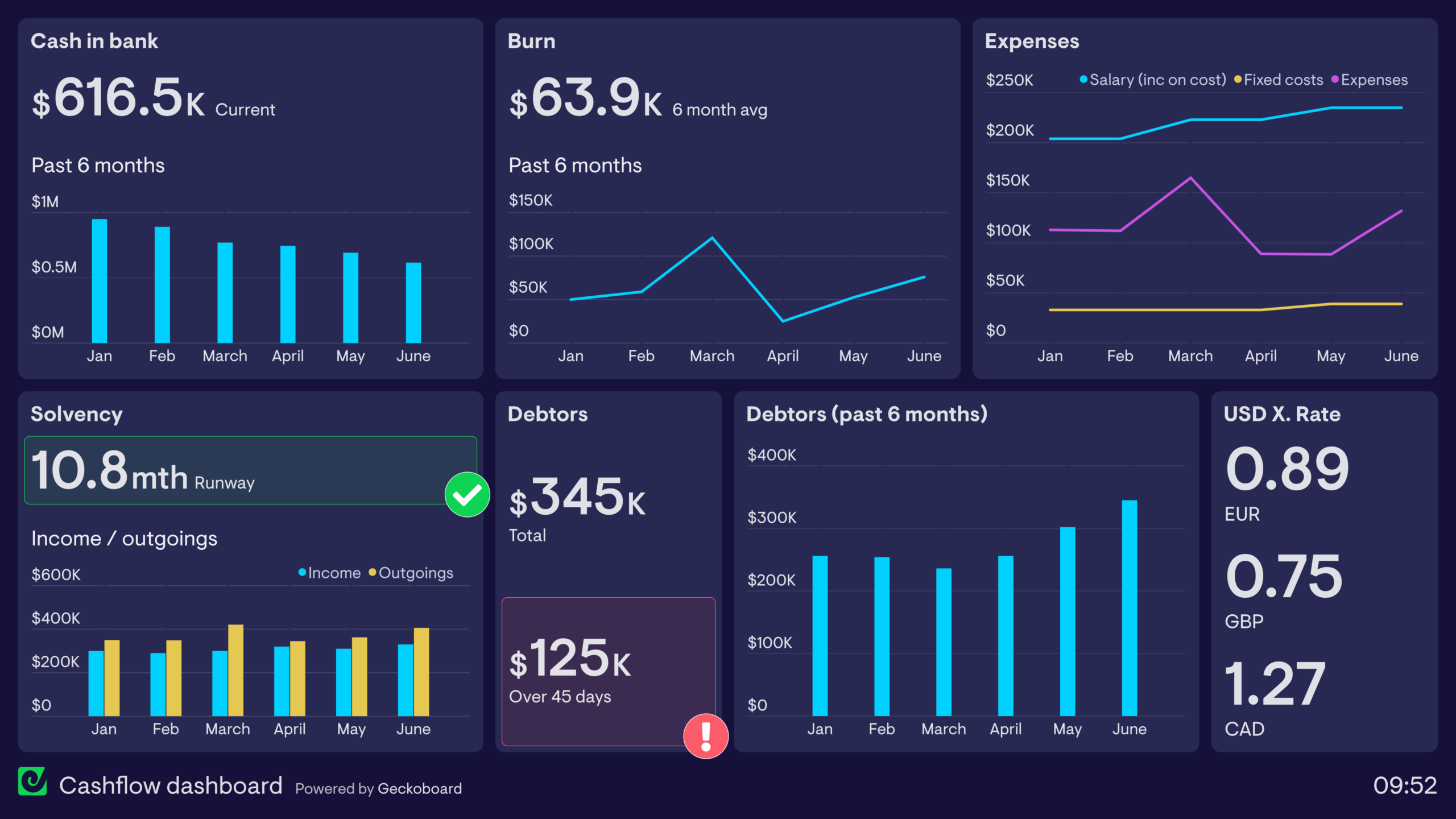
Burn rate control illustrates the separation clearly. The executive producer monitors macro burn relative to financing tranches. The line producer monitors micro burn across departments—camera, art, travel, post-production. Both are financially driven roles, yet their authority operates at different altitudes.
Governance visibility also differs. Investors demand structured reporting from the executive producer. Meanwhile, vendors and crew rely on the line producer for payment certainty and contract clarity. Without alignment between these two roles, the production system becomes unstable.
Executive Producer: Capital Oversight & Investor Interface
The finance-driven executive producer acts as the strategic financial steward. Their role begins before principal photography and extends beyond delivery. They structure financing, align equity or debt instruments, and negotiate platform advances. Their lens is risk containment.
Studio reporting is central to this responsibility. Investors require visibility into cost projections, milestone adherence, and revenue modeling. The executive producer ensures that reporting frameworks are accurate, defensible, and timely. This protects credibility and future financing prospects.
Financing alignment is equally critical. If funding is staggered across tranches, production milestones must correspond precisely. Misalignment can create liquidity gaps. Therefore, the executive producer evaluates whether schedule plans match capital inflow timing.
Risk governance extends beyond budget sheets. Completion guarantees, insurance overlays, and contractual liabilities sit within executive oversight. When deviations occur, escalation begins at this level. The executive producer decides whether to inject contingency funds, renegotiate scope, or restructure delivery timelines.
Line Producer: Operational Cost Enforcement
The line producer translates strategic financial parameters into daily execution discipline. Their authority is grounded in real-time decision-making. Every department’s expenditure flows through structured cost control systems under their supervision.
Daily cost sign-off prevents incremental drift. Catering extensions, equipment overtime, last-minute location changes—these are small decisions that compound into significant overages. The line producer monitors and approves such costs within approved departmental caps.
Vendor control reinforces this discipline. Negotiated rates must be enforced consistently. Any deviation requires structured approval. Long-term vendor relationships depend on predictable payment cycles, which the line producer manages in coordination with accounting teams.
Multi-department budget synchronization is perhaps the most complex function. Art, camera, transport, and post-production often operate on interdependent schedules. A delay in one department affects others financially. The line producer ensures coordination so that cost spikes do not ripple uncontrolled.
In structured production systems, executive producers guard capital at the macro level, while line producers enforce discipline at the operational level. Together, they form a dual-layer financial governance model. Without either layer functioning clearly, creative ambition can destabilize financial viability.

Daily Budget Governance & Hot Cost Control
Daily budget governance determines whether a production remains predictable or drifts into reactive management. In structured film systems, financial control is not a post-shoot reconciliation exercise. It is a live operating mechanism. Daily cost reporting ensures that department heads, executive producers, and accounting teams operate with synchronized visibility.
At its core, daily governance relies on disciplined cost capture. Every approved purchase order, petty cash disbursement, payroll adjustment, and vendor invoice must enter the reporting grid within 24 hours. Delayed recording distorts burn-rate perception. Therefore, accounting teams reconcile departmental submissions against approved budget lines at the close of each production day.
Hot cost methodology strengthens this discipline. Instead of waiting for weekly summaries, production finance teams calculate real-time exposure. Estimated outstanding costs are projected alongside actual spend. This hybrid snapshot reveals financial trajectory before invoices physically arrive.
Midway through financial control frameworks, productions frequently reference compliance structures such as Hot Cost Film Production Finance Audit to standardize reporting accuracy. The objective is not only tracking expenditure but identifying early deviation patterns. Variance detected early is manageable. Variance detected late becomes structural damage.
Escalation protocols complete the governance cycle. If daily reporting indicates deviation beyond approved buffers, the line producer triggers departmental review. If deviation escalates further, the executive producer is notified. Clear thresholds prevent emotional decision-making and replace it with defined financial response steps.
Forecasting vs Actual Burn Rate
Forecasting exists to anticipate financial pressure before it materializes. The burn rate represents actual daily spend relative to the approved schedule. When forecast and burn align, the production remains stable. When they diverge, corrective measures activate.
Variance buffers are pre-approved contingency margins embedded within departmental allocations. These buffers absorb minor schedule changes, weather disruptions, or cast timing shifts. However, buffers are not discretionary reserves. They are governed instruments requiring documented justification before utilization.
Overtime containment is a primary burn-rate pressure point. Extended shoot hours escalate payroll, equipment rentals, transport, and catering simultaneously. Therefore, forecasting models incorporate schedule discipline as a financial variable. If multiple departments approach overtime thresholds, the line producer must evaluate rescheduling options rather than absorbing cumulative cost spikes.
Daily reconciliation between forecasted exposure and actual burn allows incremental course correction. Without this alignment, production may appear stable until cumulative overruns surface at wrap.
Multi-State Cost Tracking in India
Multi-state productions introduce additional complexity. When shooting spans Maharashtra, Telangana, and Rajasthan, cost tracking must segregate location-specific spend accurately. State-level incentives depend on documented local expenditure. Misallocation can jeopardize rebate eligibility.
Location-wise spend segregation requires granular coding of invoices and payroll. Accommodation, transport, and equipment must be attributed to the jurisdiction in which the cost occurred. Even short-term schedule blocks require precise documentation.
Incentive-linked accounting further reinforces discipline. State rebate applications demand audited proof of local economic contribution. Therefore, production finance systems integrate incentive compliance with daily reporting. If documentation gaps appear during shooting, corrective action must occur immediately rather than post-production.
Daily budget governance, hot cost methodology, and multi-state tracking together create a financial control ecosystem. Real-time variance detection protects liquidity. Escalation protocols prevent silent drift. In India’s multi-jurisdictional environment, disciplined accounting is not optional—it is foundational to maintaining both investor confidence and incentive eligibility.

Incentives, Audit & Compliance Layering
Incentive management in Indian film production is no longer an administrative afterthought. It is an embedded financial layer integrated into budgeting from the earliest development stage. State rebates influence location selection, schedule design, vendor routing, and even post-production placement. Therefore, compliance architecture must operate alongside creative planning rather than after principal photography concludes.
State rebate alignment requires early evaluation of policy thresholds, caps, and disbursal mechanisms. Producers frequently consult comparative fiscal frameworks such as Film Production Incentives Indian States Comparison to determine optimal routing strategy. This assessment includes minimum spend requirements, eligible cost categories, local employment mandates, and audit timelines. Selecting a state without aligning budget structure to its incentive grid risks partial or rejected reimbursement.
Incentive documentation preparation begins before the first invoice is issued. Production accounting teams code cost centers by geography and eligibility classification. Vendor contracts reflect jurisdictional boundaries. Payroll systems segregate resident and non-resident crew classifications where required. Without this structured preparation, rebate applications become reconstruction exercises rather than verification processes.
GST reconciliation adds another compliance dimension. Input credits, inter-state billing, and reverse charge mechanisms must align with state-level incentive claims. Misalignment between GST filings and declared local spend can trigger audit flags. Therefore, accounting teams coordinate tax compliance and rebate documentation simultaneously.
Audit-ready structuring transforms documentation from reactive reporting into a defensive system. Every invoice, payment proof, bank certificate, and payroll sheet must be traceable. State authorities increasingly require third-party audit validation before releasing rebate funds. Delayed or incomplete documentation extends disbursal timelines and affects working capital.
Incentive Recovery as Budget Strategy
Incentive recovery operates as a deliberate budget strategy rather than a bonus reimbursement. Productions calculate projected rebate percentages into net cost modeling. However, this projection remains conditional on compliance precision.
Spend thresholds form the structural baseline. If minimum local expenditure criteria are not met, eligibility collapses. Therefore, line producers plan schedule blocks and vendor allocations to ensure thresholds are comfortably exceeded rather than narrowly approached.
Local hiring ratios represent another structural variable. States frequently mandate a defined percentage of local crew employment. Production teams therefore integrate regional hiring into staffing plans. This approach supports compliance while strengthening community integration and political goodwill.
When incentive recovery is treated strategically, it reduces net production cost without compromising operational stability.
Audit Shield for International Studios
For international studios, audit compliance functions as a protective shield. Global financiers demand documentary integrity that withstands scrutiny across jurisdictions. Indian incentive frameworks must therefore integrate with international reporting standards.
Document traceability is central. Every expenditure must connect to approved budget lines, contractual agreements, and bank confirmations. Digital archiving systems increasingly replace manual filing to ensure quick audit retrieval.
Multi-currency reconciliation further complicates compliance. International productions often transact in foreign currency while incurring local expenditure in INR. Exchange rate documentation, remittance certificates, and currency conversion logs must align with declared incentive claims. Any mismatch can delay approval.
Incentives, audit layering, GST reconciliation, and structured documentation collectively create compliance resilience. When engineered correctly, they convert state rebate frameworks into stable financial instruments. When neglected, they introduce liquidity risk and reputational exposure. In India’s competitive production environment, compliance layering is not procedural formality—it is strategic governance.

Equipment, Studio & Location Cost Engineering
Cost engineering in production extends beyond headline budgeting. Equipment rentals, studio leases, and location fees represent recurring exposure points that require structured negotiation models. Without disciplined engineering, these categories expand silently and erode contingency buffers.
Equipment rental negotiation begins with schedule mapping. Instead of booking high-end camera and lighting packages on a fragmented basis, productions align rental periods with consolidated schedule blocks. Rental houses offer preferential rates when duration visibility improves. Therefore, pre-locked calendars increase leverage during negotiation. Rate cards are rarely static. Volume commitment, extended tenure, and cross-project continuity can reduce per-day exposure.
Studio lease structuring follows similar logic. Rather than paying premium daily rates during peak demand, producers negotiate phased occupancy models. A long-term floor booking may appear expensive at face value, yet it stabilizes access and avoids surge pricing during schedule shifts. Lease structuring also includes utilities, security, storage, and overtime clauses. Clear contractual articulation prevents later disputes over hidden service charges.
Location permits and fee negotiation require jurisdictional awareness. Municipal permissions, heritage restrictions, forest clearances, and police deployments each carry different cost implications. Fee transparency depends on early dialogue with authorities and property owners. Delayed negotiation compresses leverage.
Insurance overlays must integrate into cost engineering rather than operate as a reactive add-on. Equipment, public liability, cast insurance, and weather protection policies all influence financial exposure. Midway through production risk assessment, frameworks such as Completion Bond International Film Production often intersect with insurance structuring. Bond providers evaluate rental commitments, location risk, and studio obligations before underwriting. Poorly negotiated vendor contracts increase bond premiums and overall project risk.
Rental Amortization Across Schedule Blocks
Rental amortization improves cost stability. Instead of treating each shooting phase independently, production aligns equipment leasing across contiguous schedule windows. This reduces transport duplication, recalibration downtime, and incremental rental fees.
Long-term leasing cycles generate predictable vendor relationships. Rental houses may provide maintenance support, standby technicians, or upgrade flexibility within fixed agreements. This reduces mid-shoot replacement risk.
Bulk vendor agreements extend beyond cameras and lighting. Grip trucks, generators, caravans, and communication systems can be bundled. Consolidation strengthens negotiation leverage while reducing administrative overhead. Fewer vendors mean fewer contracts, fewer payment cycles, and clearer accountability.
Amortization transforms rental expense from variable volatility into structured commitment.
Location Fee Negotiation Framework
Location contracts vary between government-controlled assets and private property agreements. Government properties typically require standardized fee schedules, layered approvals, and compliance documentation. Private properties allow greater flexibility but demand liability clarity and security planning.
Government negotiations emphasize adherence to official tariff frameworks and compliance documentation. Private negotiations rely more on usage duration, exclusivity terms, and restoration guarantees. In both cases, clarity over overtime penalties, cancellation terms, and damage clauses is essential.
Permit bundling efficiency further enhances cost control. Instead of applying for separate permissions across departments sequentially, productions coordinate consolidated filings. Bundled applications reduce administrative delay and duplicate fee exposure.
Equipment, studio, and location engineering together define operational efficiency. Structured leasing cycles, disciplined negotiation, and integrated insurance overlays prevent cost drift. When engineered deliberately, these components convert logistical complexity into controlled financial architecture.

Travel Logistics & Multi-Territory Cash Flow Structuring
Multi-city and cross-border productions introduce financial complexity that extends beyond location spend. Travel logistics and cash flow structuring determine whether operational momentum is sustained or disrupted. Structured systems such as Multi Territory Payroll Reconciliation Systems illustrate how payroll, taxation, and cross-border mobility must integrate with production finance from the outset.
Travel budgeting begins with schedule synchronization. Flights, accommodation, ground transport, cargo handling, and visa processing are forecast alongside principal photography timelines. Fragmented travel planning increases last-minute fare exposure and premium surcharges. Therefore, production calendars and booking cycles must align early.
Per diem controls form a secondary governance layer. Daily allowances for cast and crew require standardized rate caps tied to city classification. Without documented limits, per diem escalation compounds quickly across extended schedules. Finance teams monitor daily disbursement logs to prevent cumulative overexposure.
Escrow systems stabilize working capital. Instead of relying on informal rolling payments, controlled accounts allocate funds against pre-approved budget lines. This prevents departmental overspend and protects vendor settlement cycles. Cash flow clarity becomes especially critical when productions span jurisdictions with varying tax and banking frameworks.
Milestone-based platform payments further shape liquidity rhythm. OTT platforms and studios release funds in tranches tied to script approval, principal photography commencement, rough cut submission, and final delivery acceptance. Production must synchronize outbound vendor commitments with inbound tranche timing to avoid short-term deficits.
Escrow & Milestone Disbursement Discipline
Escrow mechanisms operate as financial guardrails. Funds are ring-fenced and disbursed only upon verified milestone completion. This discipline protects both financiers and producers. Departments receive allocations aligned with approved schedules rather than speculative projections.
Platform release tranches reduce exposure for commissioning entities. However, delayed milestone approval can interrupt vendor payments if forecasting lacks buffer allocation. Therefore, line producers maintain interim liquidity reserves to bridge approval lag.
Bond compliance further strengthens disbursement discipline. Completion bond providers evaluate cash flow routing and escrow controls before underwriting. Deviations from approved cost plans may require formal justification to maintain bond validity.
Currency Volatility & Routing Strategy
International productions face currency fluctuation risk. Exchange rate volatility can inflate costs if not managed proactively. FX fluctuation buffers are therefore embedded within contingency allocations.
Cross-border payment timing becomes strategic. Converting funds during favorable exchange windows reduces exposure. Conversely, delayed remittance during adverse currency movement increases budget strain.
Routing strategy also considers tax efficiency and banking compliance. Transparent documentation of currency conversion rates, remittance certificates, and transaction trails ensures audit alignment across territories.
Travel logistics and multi-territory cash flow structuring form an integrated governance layer. Budget forecasting, escrow discipline, milestone synchronization, and currency strategy collectively protect liquidity. In complex production environments, financial mobility must mirror physical mobility.

Logistics Mastery & Team Governance Architecture
Logistics mastery transforms production from coordinated activity into governed architecture. Resource allocation discipline determines whether departments operate in alignment or compete for constrained budget bandwidth. Line producers and executive producers jointly define allocation ceilings for art, camera, transport, post-production, and contingency buffers. These ceilings are not static. They respond to schedule shifts, script modifications, and compliance adjustments.
Inter-department coordination prevents financial fragmentation. Department heads must submit procurement plans in advance, allowing centralized review before commitments are executed. When coordination fails, duplicate vendor bookings and parallel purchases inflate cost exposure. Therefore, governance architecture relies on structured communication loops between production management, accounting, and creative leadership.
Process optimization strengthens this alignment. Instead of repeating inefficiencies across schedule blocks, production teams document workflow performance and adjust in real time. Midway through systemic evaluation, governance models such as Global Execution Architecture Film Production demonstrate how layered control systems integrate budgeting, compliance, and operational sequencing into one execution grid.
Crisis mitigation operates as a structural necessity rather than reactive improvisation. Weather disruption, permit delays, equipment failure, or cast unavailability require predefined contingency triggers. Financial reserves, backup vendor contracts, and rescheduling authority must exist before disruption occurs.

Decision Authority & Veto Power
Clear decision authority prevents governance paralysis. Financial stop-gap mechanisms empower line producers to halt non-essential expenditure if variance thresholds are breached. This temporary freeze protects liquidity while corrective measures are assessed.
Escalation hierarchy defines who authorizes deviation from approved budgets. Minor reallocations may sit within line producer authority. Major overages require executive producer sign-off. Documented hierarchy eliminates ambiguity during pressure points.
Defined veto power also protects investor capital. If cost drift threatens structural integrity, executive oversight may override creative expansion until financial stability is restored.
Process Optimization in High-Volume Production
High-volume production environments demand workflow compression. Overlapping departments, parallel post-production, and multi-unit shoots reduce idle time. However, compression must not compromise compliance reporting or cost tracking.
Cost-efficiency modeling evaluates whether operational acceleration generates net savings or hidden overtime exposure. Production analytics compare schedule compression benefits against expanded payroll and rental cycles.
Process optimization also improves vendor predictability. Long-term collaboration agreements reduce negotiation friction and stabilize pricing structures. Efficiency therefore becomes measurable rather than aspirational.
Logistics mastery and governance architecture together ensure that operational scale does not erode financial discipline. Structured authority, optimized workflow, and crisis mitigation frameworks convert complexity into controlled execution.
Conclusion — Finance as Structural Backbone
Finance-driven production is a containment system. It absorbs risk before it expands into instability. Executive producers provide capital oversight and investor visibility, while line producers enforce daily cost discipline. Their convergence forms the structural backbone of sustainable filmmaking.
Incentive engineering, audit layering, equipment negotiation, escrow structuring, and logistics governance do not operate independently. They integrate into a unified financial architecture. When these systems align, production becomes predictable despite creative volatility.
Financial governance also functions as competitive advantage. Studios and international partners prefer environments where transparency, compliance, and documentation withstand scrutiny. Reliable reporting accelerates rebate recovery and secures investor confidence.
Ultimately, finance is not an obstacle to creativity. It is the framework that protects it. Structured budgeting, disciplined oversight, and governance clarity allow storytelling to expand without destabilizing the enterprise. In a global production landscape defined by scrutiny and scale, financial architecture determines longevity.
