
Introduction
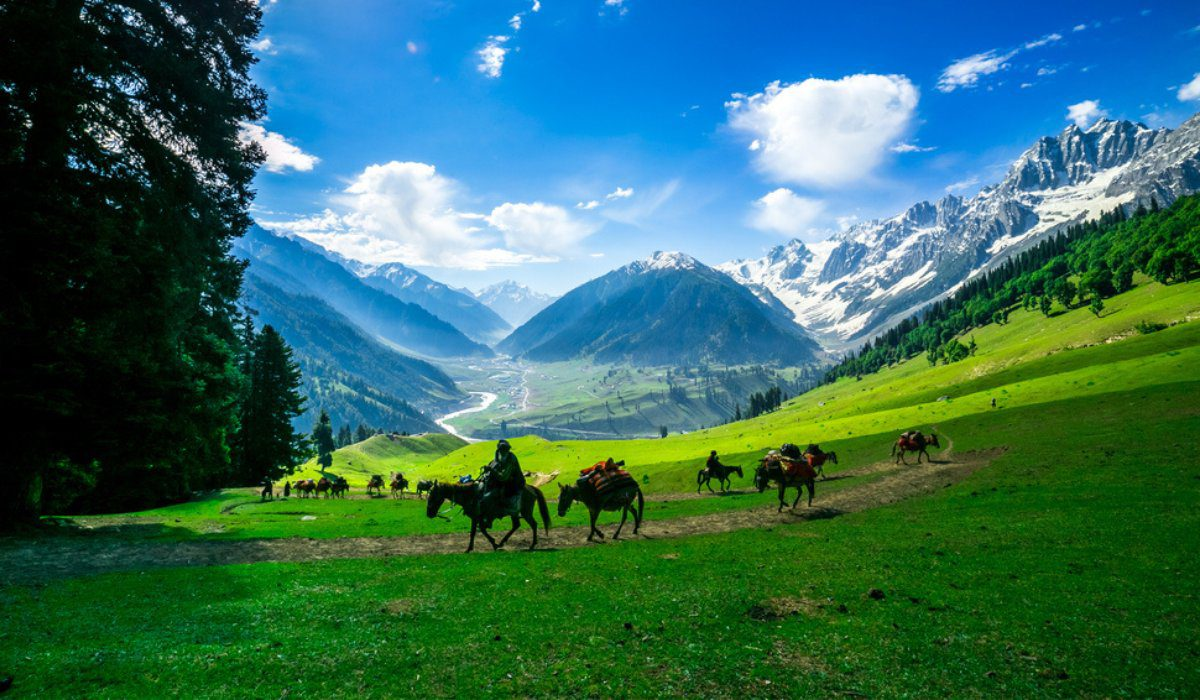
Kashmir, often referred to as “Paradise on Earth,” is renowned for its breathtaking landscapes, including snow-capped mountains, lush valleys, and serene lakes, making it a compelling alternative for filmmakers seeking to replicate European, Swiss, or other global settings. Its natural beauty, combined with cost-effective production (30–50% savings compared to Europe), offers a versatile canvas for genres ranging from romance to adventure. This detailed case study explores how Kashmir, along with nearby Ladakh and Himachal Pradesh, can stand in for Switzerland, European countryside, Tibetan plateaus, or Arctic tundras, supported by Line Producers India’s expertise in managing complex shoots.
1. Overview of Kashmir’s Appeal
1.1. Scenic Beauty
Kashmir’s landscapes offer a versatile backdrop for global stand-ins:
- Snow-Capped Mountains: Himalayan peaks in Gulmarg and Sonamarg resemble the Swiss Alps or Austrian ranges, ideal for winter or adventure scenes.
- Lush Green Valleys: Verdant valleys like Pahalgam and Yusmarg evoke French, Italian, or Scottish countryside settings.
- Pristine Lakes: Dal Lake and Nigeen Lake mirror Swiss lakes (e.g., Lake Geneva) or Scandinavian fjords with clear waters and scenic surrounds.


1.2. Unique Features
Kashmir’s traditional wooden houseboats, Mughal gardens, and historic architecture (e.g., Shankaracharya Temple) add authenticity to European or Asian settings. Seasonal versatility—snowy winters (November–February), lush monsoons (June–September), and vibrant summers (March–June)—enhances its stand-in potential for diverse global locales.
2. Key Locations in Kashmir
2.1. Gulmarg
2.1.1. Description
Gulmarg, the “Meadow of Flowers,” is renowned for snow-capped peaks, ski slopes, and lush meadows, offering a dramatic backdrop for high-altitude scenes.
2.1.2. Use as a Stand-In
- Swiss Alps: Gulmarg’s peaks and meadows resemble Zermatt or Chamonix, ideal for ski resorts or Alpine adventures.
- Winter Scenes: Snowy landscapes suit Scandinavian or Canadian winter settings, enhanced by fog machines and tight framing.
- Scottish Highlands: Summer meadows with rolling hills mimic Scottish or Irish countryside, dressed with rustic props.
2.1.3. Case Studies
- “Haider” (2014): Vishal Bhardwaj used Gulmarg’s snowy peaks to depict a cold, European-like conflict zone, with tight framing and winter props evoking a Shakespearean tragedy.
- “Bajirao Mastani” (2015): Sanjay Leela Bhansali framed Gulmarg’s meadows as a historical Indian setting, adaptable as a European countryside with period costumes and CGI castles.
2.1.4. Practical Notes
Winter shoots (November–February) require snow gear and permits from Jammu and Kashmir Tourism (₹50,000–₹2 lakh). Line Producers India, led by Manav Paul (*Buya Humka*), coordinates crowd control and ski resort access for smooth operations.
2.2. Pahalgam
2.2.1. Description
Pahalgam’s lush meadows, Lidder River, and pine forests offer a serene, rural aesthetic, ideal for nature-driven narratives.
2.2.2. Use as a Stand-In
- European Countryside: Rolling hills mimic French Provence or Tuscan landscapes, dressed with vineyard props or farmhouses.
- Outdoor Adventures: Forests and rivers suit hiking or camping scenes, doubling as Canadian or Scandinavian wilderness.
- New Zealand Plains: Summer greenery can replicate Hobbiton-like settings with rustic decor.
2.2.3. Case Studies
- “Mission Kashmir” (2000): Pahalgam’s hills and forests were used for rural settings, framed to resemble a generic mountainous region adaptable as European countryside.
- “Yeh Jawaani Hai Deewani” (2013): The film used Pahalgam’s meadows for romantic sequences, dressed with picnic setups to evoke a European pastoral vibe.

2.2.4. Practical Notes
Summer (March–June) and monsoon (June–September) enhance greenery, requiring BMC permits (₹30,000–₹1 lakh) and weather contingencies. Line Producers India manages local community engagement for minimal disruption.
2.3. Srinagar
2.3.1. Description
Srinagar, Jammu and Kashmir’s summer capital, features Dal Lake, Mughal gardens, and historic mosques, blending natural and cultural beauty.
2.3.2. Use as a Stand-In
- Swiss Lakes: Dal Lake’s houseboats and waters mimic Lake Geneva or Lucerne, enhanced with European-style boats.
- European Gardens: Shalimar Bagh and Nishat Bagh resemble Versailles or Kew Gardens with ornate layouts.
- Venetian Canals: Houseboat-lined canals can double as Venetian waterways with gondola-like props.
2.3.3. Case Studies
- “Kashmir Ki Kali” (1964): Srinagar’s Dal Lake and gardens were used for romantic scenes, framed to evoke a Swiss-like lake setting with houseboat props.
- “Jab Tak Hai Jaan” (2012): Shalimar Bagh was dressed as a European garden for romantic sequences, using floral decor and tight framing.
2.3.4. Practical Notes
Filming requires permits from Srinagar Municipal Corporation (₹40,000–₹1.5 lakh) and houseboat associations. Line Producers India ensures crowd control and cultural sensitivity for lake shoots.

2.4. Yusmarg
2.4.1. Description
Yusmarg’s rolling meadows, dense forests, and tranquil streams offer an untouched, serene setting, less crowded than Gulmarg.
2.4.2. Use as a Stand-In
- European Meadows: Wide meadows mimic Swiss or French countryside, dressed with farm props.
- Scandinavian Forests: Pine forests can double as Nordic woodlands with minimal set dressing.
- Rural England: Summer greenery suits English pastoral settings, enhanced with cottage props.
2.4.3. Case Study
- “Sufi Saint” (2007): Yusmarg’s meadows were used to depict a serene, European-like rural setting, with minimal props emphasizing natural beauty.
2.4.4. Practical Notes
Summer shoots benefit from clear skies; monsoon requires rain gear. Permits from local authorities (₹30,000–₹1 lakh) and small crews minimize disruptions, coordinated by Line Producers India.
3. Nearby Stand-In Locations: Ladakh and Himachal Pradesh
Ladakh, within Jammu and Kashmir, and nearby Himachal Pradesh, accessible via road or short flights, offer complementary stand-in locations for global settings, expanding Kashmir’s cinematic versatility.
3.1. Ladakh
3.1.1. Description
Ladakh’s high-altitude deserts, monasteries, and rugged mountains in Leh and Nubra Valley provide stark, otherworldly landscapes, reachable from Srinagar (1-hour flight or 10-hour drive).
3.1.2. Use as a Stand-In
- Tibetan Plateau: Leh’s barren terrain and monasteries mimic Tibet or Bhutan, as seen in *3 Idiots* (2009) with minimal props.
- Alaskan Tundra: Winter snows and rocky landscapes resemble Arctic regions, enhanced with CGI.
- Mongolian Steppes: Nubra Valley’s sand dunes and open spaces double as Central Asian plains with nomadic props.
3.1.3. Case Study
- “3 Idiots” (2009): Ladakh’s Pangong Lake and monasteries were framed to depict a timeless Himalayan setting, adaptable as Tibet or Mongolia with minimal set dressing.
3.1.4. Practical Notes
Summer (March–June) offers clear skies; winter requires high-altitude gear. Indian Army and local permits (₹1–3 lakh) are needed, with Line Producers India managing drone approvals and logistics.
3.2. Himachal Pradesh
3.2.1. Description
Himachal Pradesh, a 6–8-hour drive from Kashmir, features alpine forests in Kullu-Manali, meadows in Chamba, and colonial architecture in Shimla, accessible via road or flights to Kullu.
3.2.2. Use as a Stand-In
- Swiss Villages: Manali’s wooden chalets and forests mimic Zermatt or Interlaken, as in *Yeh Jawaani Hai Deewani* (2013).
- Scottish Highlands: Chamba’s meadows and hills resemble Scottish landscapes with rustic props.
- British Colonial Towns: Shimla’s Victorian buildings double as 19th-century British settings, enhanced with period signage.
3.2.3. Case Studies
- “Yeh Jawaani Hai Deewani” (2013): Manali’s forests and chalets were used for trekking scenes, dressed to resemble a Swiss Alpine village.
- “Black” (2005): Shimla’s colonial architecture was framed as a British-era town, with period props evoking a European setting.
3.2.4. Practical Notes
Winter (November–February) suits snowy scenes; summer enhances greenery. Permits from Himachal Tourism (₹40,000–₹2 lakh) and forest departments are required for Kullu’s forests. Line Producers India ensures eco-compliance and crew safety.
4. Advantages of Filming in Kashmir, Ladakh, and Himachal Pradesh
4.1. Cost-Effectiveness
Filming in these regions saves 30–50% compared to Europe, with lower location fees (₹30,000–₹3 lakh), crew costs ($40–120/day), and accommodations ($20–100/night), per PricewaterhouseCoopers (2023).
4.2. Diverse Landscapes
The regions offer varied topographies:
- Snowy Peaks: Gulmarg and Ladakh for Alpine or Arctic settings.
- Green Valleys: Pahalgam and Chamba for European countryside.
- Lakes and Deserts: Dal Lake and Nubra Valley for Swiss lakes or Tibetan plateaus.
4.3. Unique Cultural Elements
Cultural features enhance authenticity:
- Traditional Architecture: Kashmiri houseboats, Ladakh’s monasteries, and Shimla’s colonial buildings add depth.
- Local Festivals: Kashmiri shikara festivals or Ladakh’s monastic events mimic European or Asian cultural scenes.
4.4. Supportive Infrastructure
- Experienced Crew: Local professionals skilled in high-altitude and forest shoots.
- Logistical Support: Transportation, equipment rentals, and FFO rebates (15–30%) for smooth production.
5. Challenges and Considerations
5.1. Accessibility
Challenges include:
- Travel Restrictions: Security clearances for Ladakh and parts of Kashmir require Ministry of Home Affairs approvals.
- Weather Conditions: Heavy snowfall in Gulmarg or monsoons in Himachal demand weatherproof gear and contingency plans.
5.2. Permits and Regulations
Permits are critical:
- Film Permits: Jammu and Kashmir Tourism, Himachal Tourism, and Indian Army permits (₹30,000–₹3 lakh) are needed.
- Environmental Regulations: Forest shoots in Himachal require eco-compliance to preserve biodiversity.
5.3. Cultural Sensitivity
Respecting local customs in Kashmir’s Muslim-majority areas, Ladakh’s Buddhist communities, and Himachal’s diverse cultures is crucial. Line Producers India engages communities for positive relations.
6. Conclusion
Kashmir, Ladakh, and Himachal Pradesh offer visually stunning and cost-effective alternatives to European, Himalayan, or Arctic settings. From Gulmarg’s Swiss-like Alps to Ladakh’s Tibetan plateaus and Manali’s alpine forests, these regions provide versatile backdrops for films like *Haider*, *3 Idiots*, and *Yeh Jawaani Hai Deewani*. Supported by Line Producers India’s expertise, filmmakers can leverage these locations’ natural beauty, cultural depth, and affordability to create authentic global narratives, making the region a growing hub for cinematic storytelling.
