
Kolkata’s Cinematic Geography and Visual Identity
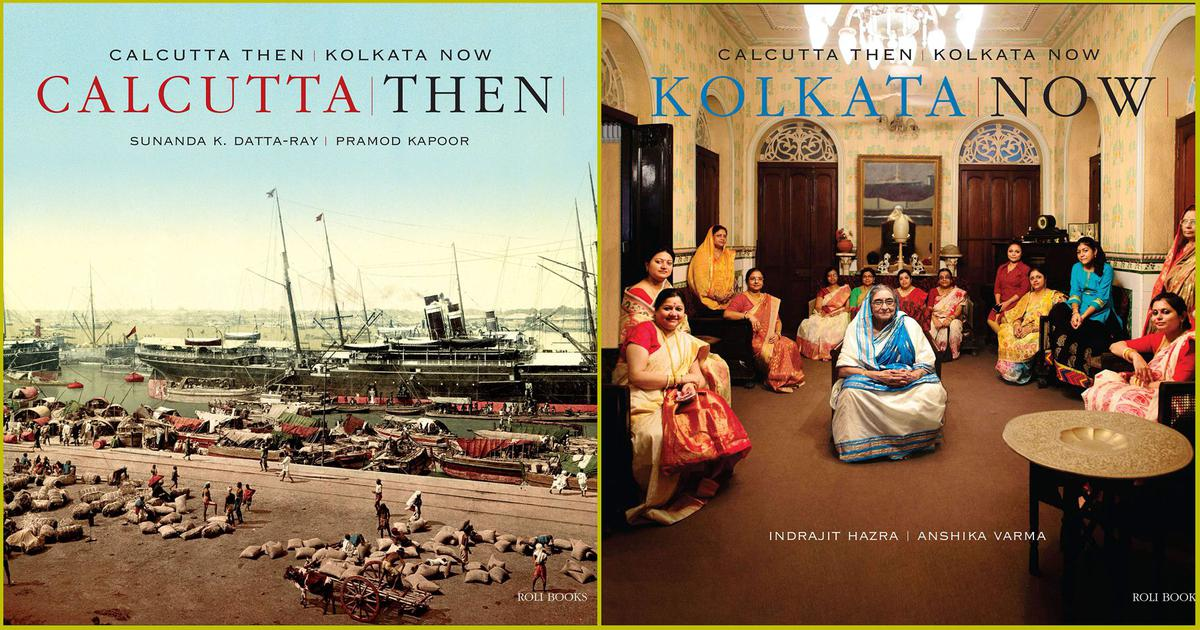
Kolkata presents a rare urban composition where colonial architecture, dense tram corridors, riverfront industry, and modern districts exist within compact travel radii. For filmmakers, this spatial concentration reduces company moves while enabling diverse visual narratives within a single metropolitan footprint. Period dramas, urban realism, and port-city stories can all be staged without large set construction because the city’s architectural layers already provide authentic historical textures.
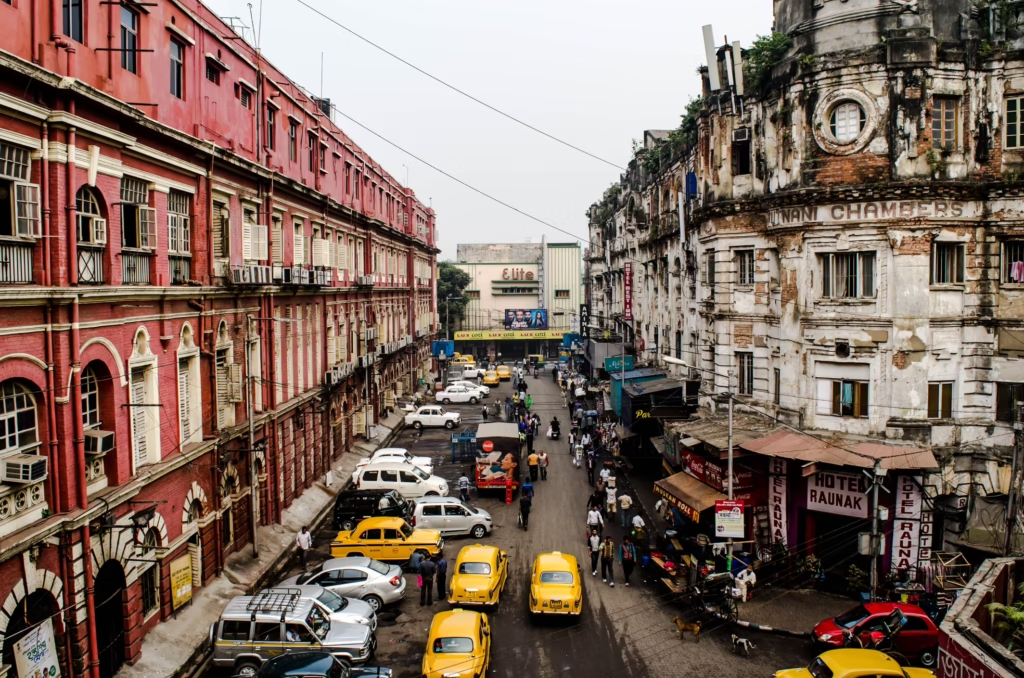
Unlike many contemporary cities that have erased older built environments, Kolkata retains a high density of heritage structures. Arcaded civic buildings, shuttered shopfronts, tram lines, and river ghats combine to create visual frames that can shift between eras with minimal art direction. A few set dressings—period signage, vehicles, or storefront treatments—can reposition the timeline from colonial administration to mid-century urban drama.
These characteristics make Kolkata a strong example of how city structures influence cinematic storytelling. Urban environments do not simply provide backgrounds; they shape camera movement, scene blocking, and narrative tone. Directors often rely on architectural rhythm, street geometry, and density to determine shot composition and pacing. The relationship between city form and cinematic language is examined more broadly in the broader guide to how urban environments shape cinematic storytelling.
Within Kolkata itself, two dominant visual systems define the city’s production value: the colonial civic core and the tram-based street network that continues to organize its older districts.
Colonial Architecture and Historic Urban Frames
Large sections of central Kolkata preserve colonial civic architecture dating back to the British administrative period. Areas such as B.B.D. Bagh feature neoclassical façades, long arcades, and symmetrical administrative buildings that provide a visual grammar suitable for historical storytelling.
These structures naturally frame wide establishing shots. Long corridors of columns create repeating patterns that cinematographers often capture with 32–40 mm lenses, allowing both architectural scale and character movement within the same frame. For dialogue scenes, arcaded walkways provide controlled shade and consistent lighting, reducing the need for heavy diffusion.
Production designers often require only minimal dressing to transform these environments into different historical settings. Changing signage, window treatments, or street props can shift the timeline between colonial bureaucracy, early independence-era offices, or mid-century administrative districts.
Because these areas were built around large civic squares, crews can also stage crane shots or slow tracking sequences without extensive street closures. This spatial flexibility allows period productions to maintain visual authenticity while keeping production logistics manageable.

Tram Corridors and Port-City Industrial Geometry
Another defining feature of Kolkata’s visual identity is its tram network, particularly along corridors such as College Street and Esplanade. Tram tracks introduce linear geometry that works well for tracking shots, long perspective frames, and transitional urban sequences.
The tram interiors themselves can function as moving sets. Dialogue scenes filmed inside tram cars provide natural movement while maintaining continuity with exterior plates shot along the same route. This technique reduces the need for process trailers or complex vehicle rigs.
Beyond the tram corridors, the Hooghly riverfront introduces a second visual system shaped by industrial infrastructure. Ghats, warehouses, ferry docks, and steel cranes provide a gritty port-city aesthetic that can double for multiple historical or international locations.
These river edges often serve crime dramas, industrial narratives, or shipping-related storylines. By selectively adjusting props, vehicles, and signage, the same location can evoke ports from different decades or regions. This adaptability reduces the need for expensive set construction while preserving visual authenticity.
Together, the colonial civic grid and tram-based street network create a city whose visual identity is immediately cinematic. The coexistence of these two systems—heritage architecture and working transport infrastructure—gives Kolkata a distinctive screen presence rarely found in newer metropolitan environments.
Lighting Conditions and Seasonal Shooting Windows
Lighting conditions in Kolkata vary significantly across seasons, which directly influences shooting strategies. Because the city sits close to the Tropic of Cancer, sun angles remain relatively high for much of the year. However, winter months introduce softer light and longer shadows that are particularly useful for exterior photography.
Understanding these seasonal shifts helps production teams schedule scenes efficiently. Directors and cinematographers often organize shooting days around specific lighting windows, capturing key exterior shots during times when natural light supports the intended mood or visual tone.
Weather also plays an important role. Monsoon rains, for example, create reflective surfaces and atmospheric haze that dramatically change the visual character of urban streets. Rather than treating these conditions purely as logistical obstacles, many productions incorporate them as visual assets.
From a broader perspective, lighting reliability, weather stability, and daylight duration are factors that international productions consider when evaluating filming locations. These criteria are examined within a wider context of production geography and global location selection in the broader analysis of global line production systems and how locations are evaluated for international shoots.
In Kolkata, two seasonal lighting conditions are particularly valuable for filmmakers: the winter morning sun and the reflective atmosphere of the monsoon period.

Winter Sun Angles and Heritage Street Lighting
Between November and February, Kolkata experiences relatively mild temperatures and clearer skies. During these months, early morning sunlight strikes colonial façades at a low angle, producing long shadows and strong architectural contrast.
This lighting condition is especially effective in districts with colonnaded buildings. Sunlight filtering through arcades creates alternating bands of light and shadow, which cinematographers can use to add visual depth to static compositions.
Morning shoots during winter also provide controlled highlights without the harsh overhead light typical of summer months. For establishing shots, directors frequently capture wide frames between 6:30 and 9:30 AM, when streets are active but sunlight remains soft.
Because this light naturally shapes architectural surfaces, crews often require fewer artificial lighting units. Reflectors and negative fill can usually provide sufficient control for dialogue scenes staged in shaded arcades or narrow streets.
The combination of cooler weather and manageable light levels also improves working conditions for large crews. Equipment setups become faster, and continuity across multiple shots is easier to maintain throughout the morning window.
Monsoon Reflections and Atmospheric Visual Texture
From June through September, Kolkata’s monsoon season introduces heavy rainfall and frequent cloud cover. Although these conditions complicate scheduling, they also create distinctive visual textures that filmmakers often seek deliberately.
Wet asphalt surfaces reflect street lights, neon signage, and vehicle headlights, producing layered reflections across the frame. Tram tracks, in particular, become reflective lines that enhance perspective in night sequences.
Rain also introduces atmospheric haze, which softens distant backgrounds and adds depth to wide shots. When combined with practical lighting—street lamps, shop signs, or vehicle lights—this haze produces volumetric lighting effects that would otherwise require artificial fog machines.
Many productions schedule atmospheric sequences specifically during monsoon months. Controlled rain rigs can extend natural rainfall when necessary, ensuring visual continuity across multiple takes.
While weather disruptions remain a logistical challenge, monsoon conditions can dramatically enhance the visual character of Kolkata’s streets. When used carefully, they provide a cinematic atmosphere that reinforces the city’s reputation as one of India’s most visually distinctive urban filming environments.

Kolkata Production Logistics and Urban Movement
Kolkata’s production logistics benefit from a geographic characteristic that many large cities lack: proximity. Major shooting districts, historic neighborhoods, studio belts, and riverfront environments are located within relatively short travel distances of one another. This compact urban structure reduces company move times and allows multiple location setups within a single shooting day.
For production teams working under tight schedules, such spatial efficiency can significantly improve shooting continuity. Moving between heritage architecture, modern office districts, and riverside environments often requires less than thirty minutes of travel. This flexibility makes Kolkata suitable for productions that require visual variety without relocating to entirely different cities.
Transport infrastructure also supports multi-unit filming. Camera vehicles, equipment trucks, and lighting rigs can move between districts without navigating the extreme congestion typical of some larger metropolitan areas. As a result, location-based shooting often becomes more feasible than extensive set construction.
These logistical advantages make operational coordination an important component of the city’s filmmaking ecosystem. Productions typically rely on experienced local coordination to manage location permissions, crew movement, and production transport across the city. The operational scope and responsibilities involved in such coordination are explained in greater detail through the services provided by a line producer kolkata.
Airport Access, Studio Corridors and Production Transport
Netaji Subhas Chandra Bose International Airport serves as the primary entry point for international and domestic production crews arriving in Kolkata. The airport connects directly to the city’s eastern corridor, which allows equipment transport toward central districts and the Tollygunge studio belt with relatively predictable travel times.
Tollygunge, often referred to as the historic center of Bengali film production, continues to host several studios, editing facilities, and equipment suppliers. These studio corridors provide controlled shooting environments for interior sets, costume builds, and post-production preparation. Productions frequently combine studio work in Tollygunge with exterior location shoots across central Kolkata.
Transport planning generally follows a hub-and-spoke structure. Equipment trucks depart from the studio corridor and move toward specific shooting districts, while smaller crew vehicles handle daily cast and department movement. Because many key locations are concentrated around the colonial core and riverside districts, these transport routes remain manageable compared with cities where locations are widely dispersed.
This logistical configuration allows productions to maintain efficient shooting schedules while minimizing downtime caused by long-distance company moves.

Managing Crew Movement Across a Compact Production City
Managing crew movement is often one of the most complex logistical challenges in large cities. In Kolkata, however, the relatively compact geography simplifies this aspect of production planning.
Most primary shooting zones—including B.B.D. Bagh, College Street, Park Street, and the Hooghly riverfront—sit within a limited urban radius. This proximity allows production teams to plan multiple setups across different visual environments without relocating accommodation bases or rebuilding equipment staging areas.
For example, a production might schedule morning exterior shots within the colonial civic district, followed by interior scenes in nearby heritage buildings during midday hours. Evening sequences could then shift toward the riverfront or tram corridors without requiring a full company relocation.
Shorter travel distances also benefit departments responsible for equipment management. Camera, lighting, and sound teams can reposition gear quickly between locations, while art departments maintain continuity across different scenes filmed within the same day.
Although Kolkata still experiences typical metropolitan traffic patterns, early call times and careful scheduling help production teams avoid peak congestion periods. By coordinating shooting windows around these traffic patterns, crews can maintain consistent workflow throughout the day while preserving production efficiency.

West Bengal Filming Ecosystem Beyond Kolkata
While Kolkata functions as the primary production hub of eastern India, the surrounding state of West Bengal expands the range of visual environments available to filmmakers. Within a few hours of travel from the city, productions can access mountain landscapes, tea plantations, historic towns, river deltas, and rural heritage architecture.
This regional diversity allows filmmakers to construct complex visual narratives without shifting production bases to entirely different states. Crews often operate from Kolkata as a logistical center while conducting location shoots across various parts of West Bengal.
Such regional coordination has become increasingly important for international productions seeking visual variety within manageable travel distances. Mountains, forests, and river systems can all be accessed while maintaining centralized equipment logistics and post-production coordination within the city.
A broader overview of these regional locations and filming infrastructure is provided in the complete guide to filming locations across West Bengal and regional production infrastructure, which examines the state’s expanding role in India’s location production ecosystem.

North Bengal Landscapes and Himalayan Visual Regions
Northern West Bengal introduces a dramatic shift in geography compared with Kolkata’s dense urban landscape. The Himalayan foothills around Darjeeling and Kalimpong provide mountain vistas, tea plantations, colonial hill stations, and mist-covered forests that offer visually distinctive backdrops.
Tea estates across the region present carefully maintained landscapes characterized by repeating green terraces, colonial-era bungalows, and winding mountain roads. These environments have frequently appeared in Indian and international cinema, often representing remote colonial settlements or Himalayan frontier towns.
Mountain light also differs significantly from the plains. Cooler temperatures and changing cloud formations create softer atmospheric conditions that cinematographers often use to capture expansive wide shots. Morning mist drifting across tea gardens can introduce depth and layered perspective within landscape frames.
For productions seeking high-altitude scenery without the logistical complexity of more remote Himalayan regions, North Bengal offers a balanced combination of accessibility and dramatic visual scale.

Historic Towns, Riverscapes and Cultural Locations
Beyond the mountains, West Bengal’s interior districts offer a wide range of historic and cultural locations. Towns such as Murshidabad preserve remnants of the Nawabi era, including palaces, mosques, and riverfront architecture that reflect the region’s former political importance.
Riverscapes along the Hooghly and other waterways also provide strong visual settings. Colonial trading towns, river ghats, and temple complexes appear throughout these districts, offering backdrops suitable for historical dramas and cultural narratives.
Artisanal towns and craft communities further expand the visual vocabulary of the region. Traditional pottery districts, temple towns, and rural marketplaces provide detailed textures that enrich location-based storytelling.
Because many of these towns remain within a few hours’ travel from Kolkata, productions often stage regional shooting schedules that combine urban scenes with rural or historical environments. This proximity allows filmmakers to capture multiple geographic identities while maintaining a centralized production infrastructure in the state capital.

Production Workflow for International Shoots in Kolkata
International productions entering Kolkata typically follow a structured workflow that balances location scouting, regulatory approvals, and logistical coordination. Because the city combines dense heritage districts with functioning urban infrastructure, early planning becomes critical to maintain continuity across multiple shooting environments. Pre-production teams generally begin with location reconnaissance to evaluate architectural suitability, lighting conditions, and crowd movement patterns.
Location feasibility studies often determine how efficiently scenes can be staged within existing urban frameworks. Productions assess whether streets can accommodate equipment vehicles, lighting rigs, and safety corridors while preserving visual authenticity. Heritage zones and tram corridors frequently require additional coordination with municipal authorities to manage traffic restrictions and public access.
Once locations are shortlisted, permit applications move through a series of administrative channels. These typically include municipal authorities, transport departments, and in certain cases heritage or cultural bodies responsible for protected buildings. International crews must also align local filming permissions with national filming guidelines when foreign equipment or personnel are involved.
Effective regulatory coordination ensures that shooting schedules remain predictable. By synchronizing permit timelines with location availability, productions can avoid delays that often occur when administrative approvals are handled late in the planning process. This structured approach allows international projects to maintain operational continuity while navigating the regulatory environment of a large urban filming destination.
Location Scouting, Permits and Regulatory Coordination
Location scouting in Kolkata typically begins with identifying districts that support the visual requirements of the script. Production teams survey areas such as the colonial civic core, tram corridors, riverside ghats, and historic neighborhoods to evaluate camera movement, lighting access, and sound conditions. These scouting sessions often include cinematographers, production designers, and location managers working together to assess visual feasibility.
During this stage, teams document architectural features, street widths, pedestrian density, and ambient noise conditions. These factors influence camera placement, dialogue staging, and the scale of equipment deployment. Locations that appear visually strong on first inspection may still require logistical adjustments if vehicle access or crowd control becomes difficult during shooting hours.
After identifying suitable sites, the permitting process begins. Applications generally include location maps, equipment lists, shooting schedules, and safety plans. Authorities review these materials to determine whether traffic diversions, police support, or temporary restrictions are required.
Early coordination with regulatory offices significantly reduces uncertainty during production. When permits are secured in advance and logistical routes are mapped clearly, crews can focus on creative execution rather than administrative delays during principal photography.

Coordinating Post Production and Equipment Ecosystems
Once principal photography begins, production workflow expands beyond location management to include equipment coordination and post-production planning. Kolkata maintains a functional production ecosystem that includes camera rental houses, lighting vendors, studio facilities, and editing suites. Many productions combine local infrastructure with equipment flown in from larger production hubs when specialized gear is required.
Camera systems, lenses, and lighting rigs are typically staged from equipment bases near the Tollygunge studio corridor. This location allows departments to move gear efficiently between studio sets and exterior shooting districts across the city. Because most major locations remain within relatively short driving distances, equipment transport rarely requires the large logistical convoys common in geographically dispersed production regions.
Post-production coordination often begins during the later stages of filming. Editors and data management teams organize footage ingestion, backup protocols, and preliminary edits while shooting continues. Local editing facilities can handle offline edits and assembly cuts, allowing directors to review sequences quickly and identify any required reshoots before the production schedule concludes.
For international projects, advanced visual effects, color grading, and sound design are often completed in larger post-production hubs such as Mumbai or international studios. However, early-stage editing and data management within Kolkata help streamline the transition from principal photography to the final post-production pipeline.
Conclusion
Film production in Kolkata benefits from a rare combination of visual diversity, compact geography, and accessible regional landscapes. The city’s colonial architecture, tram-lined streets, and riverfront environments provide filmmakers with distinctive cinematic frames that require minimal set construction. At the same time, short travel distances between major districts allow productions to maintain efficient shooting schedules across multiple visual settings.
Beyond the city itself, West Bengal expands the available filming ecosystem through mountain landscapes in the north, historic river towns, and culturally rich rural districts. These environments allow productions to capture varied visual identities while maintaining a centralized operational base in Kolkata.
For international productions, this combination of urban infrastructure and regional diversity simplifies logistical planning. Crews can coordinate scouting, permits, and equipment movement within a manageable geographic radius, reducing the complexity often associated with multi-location shoots.
As global productions continue to explore diverse filming environments across India, Kolkata’s ability to combine heritage visuals with efficient operational workflows positions the city as a distinctive production hub within the broader eastern Indian film ecosystem.
