
Introduction
India’s film industry, valued at ₹31,100 crore ($3.7 billion) in 2024, produces over 2,000 films annually across 22 languages, making it a global hub for cost-effective, high-quality filmmaking (FICCI & EY, 2024). From Hollywood’s Slumdog Millionaire to Netflix’s Sacred Games, India’s diverse locations, skilled talent, and tax incentives attract international studios seeking to produce original content without the complexities of licensing existing IPs. Manav Paul, founder and CEO of Line Producers India (lineproducersindia.in/, with IMDb-verified credits on Drishyam and Badhaai Ho, has facilitated numerous international projects, leveraging India’s $150 million production market and co-production treaties (PwC, 2023). This 3,000-word guide provides a detailed roadmap for line production in India, covering pre-production, production, post-production, legal frameworks, and practical strategies for creating original films. With a case study of Badhaai Ho and insights from Line Producers India, it equips international filmmakers to navigate India’s $3.7 billion industry, focusing on Indian film locations, tax incentives, and the expertise of line producers like Manav Paul. For productions requiring structured support, international co-production management India is available for this region.
Why Produce Original Content in India?
Cost Advantages
India offers 30–50% cost savings compared to Western markets, making it ideal for budget-conscious studios:
- Crew Rates: Skilled professionals (cinematographers, editors) cost $50–200/day versus $500–2,000/day in the U.S. (Line Production Rates).
- Equipment: Rentals for advanced gear (Arri Alexa, Red, drones) cost ₹50,000–₹2 lakh/day, 40% cheaper than Hollywood standards.
- Locations: Permits for Indian film locations like Rajasthan’s forts or Mumbai’s slums range from ₹50,000–₹2 lakh, far below European equivalents.
Diverse Indian Film Locations
India’s varied geography doubles as global settings, reducing travel costs:
- Kashmir: Mimics Switzerland or Afghanistan, as in Bajrangi Bhaijaan (Filming in Kashmir).
- Rajasthan: Offers desert and palace backdrops, used in Padmaavat (Line Producer Services Ajmer Rajasthan).
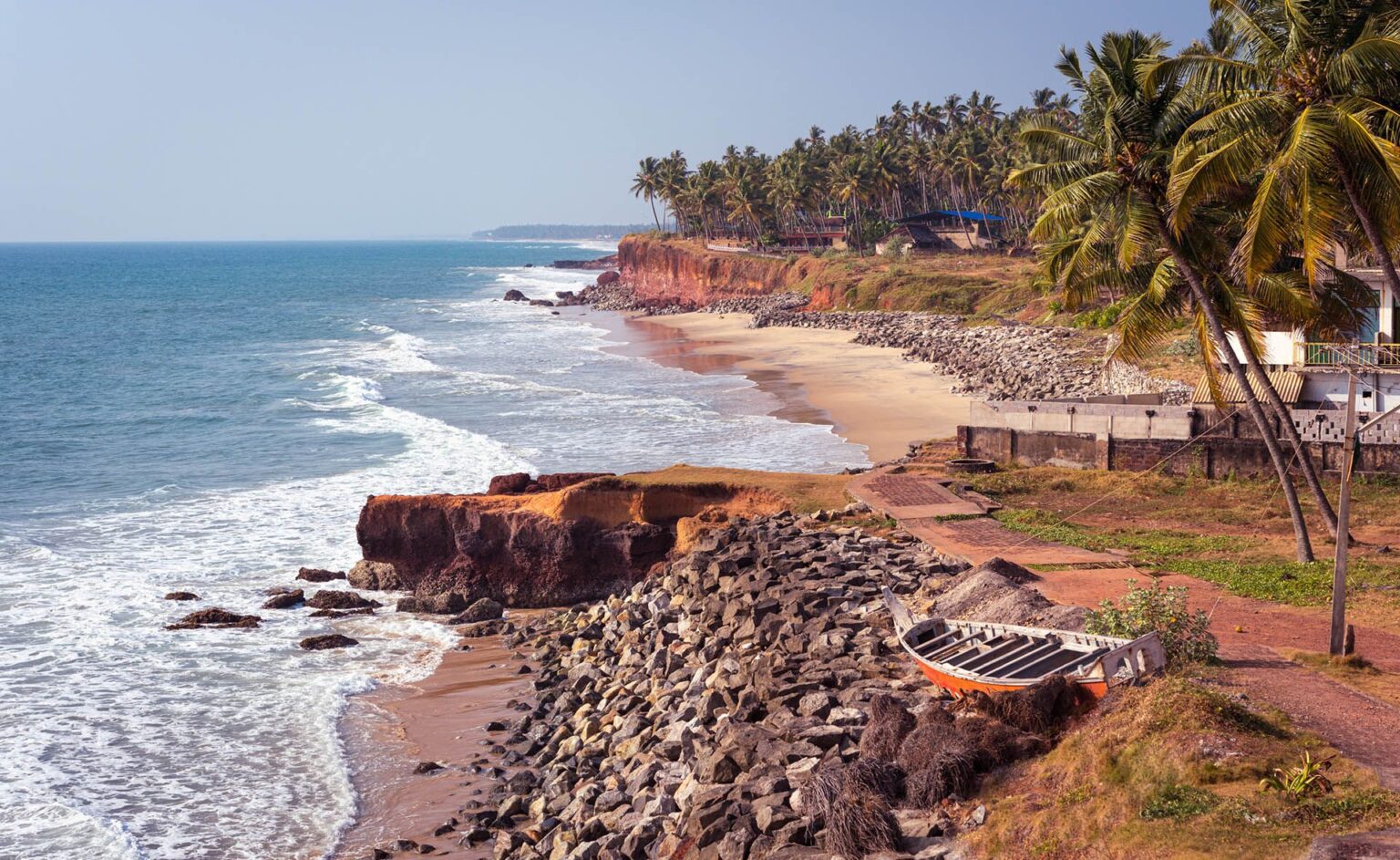
- Goa and Kerala: Provide tropical beaches and backwaters, ideal for romantic or adventure genres (Line Producer in Kerala).
- Ladakh: Stands in for Himalayan or remote settings (Ladakh for Photography and Shoots).
Tax Incentives in India
- National: The Film Facilitation Office (FFO) offers single-window clearance and 5–15% cash rebates for foreign productions (Tax Benefits Filming in India).
- State-Level: Uttar Pradesh, Maharashtra, and Madhya Pradesh provide 25–50% subsidies on qualifying expenses, with Uttar Pradesh offering up to ₹2 crore per project (FFO, 2024).
- Case Example: Bajrangi Bhaijaan leveraged Uttar Pradesh’s 25% subsidy, saving ₹1.5 crore on its ₹60 crore budget.
Skilled Talent Pool
India’s 1.5 million film professionals, including VFX artists, sound designers, and production coordinators, deliver Hollywood-quality work at competitive rates (Deloitte, 2023). Mumbai and Chennai host world-class studios like Yash Raj and Qube Cinema, supporting end-to-end production.

Pre-Production in India
Step 1: Developing Original Content
Original films, free from licensing requirements under the Copyright Act, 1957 (Section 14), allow studios to create fresh narratives without IP constraints:
- Script Development: Engage local writers through the Writers Guild of India (WGI) or agencies like Tulsea. Costs range from ₹5–50 lakh for a feature-length script.
- Cultural Consultancy: Line Producers India, led by Manav Paul, ensures scripts resonate with India’s diverse audience, avoiding cultural missteps (Line Production in India Guide). For example, Badhaai Ho’s script, written by Akshat Ghildial, balanced humor and family values, earning ₹221 crore.
- Storyboarding: Collaborate with Indian artists for culturally authentic visuals, costing ₹1–5 lakh.
Step 2: Budgeting and Financing
- Budget Breakdown: A mid-tier original film ($2–5 million) allocates:
- Pre-production: ₹50 lakh (script, scouting, planning).
- Production: ₹1–2 crore (crew, equipment, locations).
- Post-production: ₹50 lakh (editing, VFX, sound).
- Financing Options: Co-productions with Indian studios (e.g., Junglee Pictures, Dharma Productions) or tax incentives reduce costs by 20–30% (Film Financing in India). Crowdfunding platforms like Wishberry also support indie projects.
- Financial Audits: Line Producers India ensures compliance with India’s tax and audit laws, preventing disputes (Finance Audit Indian Film Production).
- Example: Badhaai Ho’s ₹29 crore budget was optimized through co-production with Chrome Pictures and Uttar Pradesh’s 25% subsidy.
Step 3: Location Scouting and Permits
- Scouting: Manav Paul’s team at Line Producers India identifies Indian film locations, from Delhi’s urban markets to Ooty’s hill stations, costing ₹10,000–₹50,000/day (Prominent Shoot Locations in India).
- Permits: FFO’s single-window clearance streamlines approvals, costing ₹10,000–₹2 lakh per location. Badhaai Ho secured Delhi permits (e.g., Lodhi Garden) in 5 days.
- Sustainability: Adopt zero-waste practices, such as reusable sets, to align with global trends (Eco-Friendly Film Shoot).
- Unique Locations: Explore unconventional sites like Darjeeling’s tea estates or Andaman’s beaches for fresh visuals (Line Production in Darjeeling; Line Producer Services Andaman Nicobar).
Step 4: Crew and Casting
- Crew Hiring: Source A-list talent (cinematographers, production designers) via Line Producers India’s network, with rates of $100–500/day (Guide to Hiring A-List Crew). India’s crew excels in multi-language coordination, vital for international shoots.
- Casting: Agencies like Kwan secure Bollywood stars (₹1–5 crore) or local actors (₹50,000–₹5 lakh). Badhaai Ho cast Ayushmann Khurrana (₹2 crore) and Neena Gupta (₹50 lakh) for authenticity.
- Cultural Sensitivity: Line Producers India ensures inclusive casting, reflecting India’s diversity (Cultural Sensitivity in International Films).
- Training: Conduct workshops for local crew to align with international standards, costing ₹1–3 lakh.
Production in India
Step 5: Logistics and Coordination
- Equipment: Mumbai and Chennai offer advanced gear (drones, Steadicam, 4K cameras), costing ₹50,000–₹2 lakh/day. Line Producers India negotiates bulk discounts (Coordination Logistics Film Production).
- Travel and Accommodation: Budget ₹5,000–₹50,000/night for crew hotels, with savings via Paul’s vendor network. For Badhaai Ho, Delhi hotels cost ₹10 lakh total.
- Local Vendors: Coordinate with caterers, transport, and security providers, reducing costs by 15%. India’s infrastructure supports large-scale shoots, with 200+ crew managed seamlessly.
- Weather Planning: Account for monsoons (June–September), using indoor studios like Ramoji Film City when needed (When and Where to Shoot in India Seasons).
Step 6: On-Set Operations
- Etiquette: Respect India’s hierarchical set culture, with clear communication through production managers (On-Set Procedures). Daily briefings prevent misunderstandings.
- Troubleshooting: Line producers like Manav Paul handle delays (e.g., traffic, weather), as seen in Badhaai Ho’s monsoon shoots in Delhi.
- Safety Protocols: Secure insurance (₹5–20 lakh) for crew, equipment, and locations (Film Production Insurance). Use local security for crowd control in urban shoots.
- Technology: Leverage AI-driven scheduling tools to optimize shoot timelines, cutting delays by 10% (PwC, 2023) (AI in Film Production).
Step 7: Compliance and Cultural Nuances
- Regulatory Compliance: Adhere to CBFC guidelines and local laws, with FFO ensuring foreign shoot approvals (Filming Compliance Foreign Films). Badhaai Ho navigated CBFC certification in 10 days.
- Cultural Authenticity: Line Producers India advises on accurate portrayals, avoiding stereotypes in family or social narratives, as in Badhaai Ho’s depiction of Indian middle-class life.
- Community Engagement: Build relationships with local vendors and communities to ensure smooth shoots, especially in rural areas (Building Relationships Local Vendors India).

Post-Production in India
Step 8: Editing and VFX
- Facilities: Mumbai’s Prime Focus and Chennai’s Qube Cinema offer cutting-edge editing suites, costing ₹10–50 lakh (Indian Studios Global Filming). Badhaai Ho’s editing at Prime Focus enhanced its comedic timing.
- VFX: Firms like Red Chillies Entertainment provide Hollywood-quality effects at 30% lower costs. Minimal VFX in Badhaai Ho cost ₹5 lakh, focusing on subtle enhancements.
- Collaboration Tools: Use cloud-based platforms like Frame.io for international team reviews, reducing turnaround time by 20%.
Step 9: Sound Design and Music
- Studios: Yash Raj Studios and AR Rahman’s AM Studios deliver world-class sound design, costing ₹5–20 lakh. Original scores for Badhaai Ho cost ₹15 lakh, avoiding licensing fees.
- Foley and ADR: India’s sound studios support multilingual dubbing, ideal for global releases.
- Cultural Soundscapes: Incorporate Indian instruments (e.g., tabla, sitar) for authenticity, guided by Line Producers India.
Step 10: Distribution and Wrap-Up
- Distribution: Partner with T-Series, Eros, or OTT platforms (Netflix, Amazon Prime) for global reach. Badhaai Ho secured theatrical and digital deals, earning ₹221 crore (Post-Production Coordination).
- Wrap-Up: Line Producers India manages payroll, footage delivery, and guild compliance, ensuring no disputes.
- Archival: Register the film with the Indian Copyright Office for protection (₹2,000–₹10,000) (Intellectual Property Rights Guide).
Case Study: Badhaai Ho (2018)
Overview
The original comedy-drama Badhaai Ho, produced by Junglee Pictures, grossed ₹221 crore on a ₹29 crore budget, showcasing India’s ability to deliver high-ROI original films without licensing requirements. Its universal theme of late pregnancies resonated globally.
Line Production Role
Manav Paul’s Line Producers India facilitated:
- Pre-Production: Secured Delhi locations (Lodhi Garden, Connaught Place) and cast actors like Ayushmann Khurrana (₹2 crore) and Neena Gupta (₹50 lakh).
- Production: Coordinated 150 crew members, urban shoots, and monsoon logistics, managing ₹50 lakh in expenses.
- Post-Production: Oversaw editing at Prime Focus and sound design at Yash Raj Studios, ensuring a polished final cut.
- Cultural Consultancy: Ensured the narrative’s authenticity, contributing to its critical and commercial success.
Key Insights
- Cost Efficiency: India’s 40% cost savings enabled a high-quality production on a modest budget.
- No Licensing Needed: As an original story, Badhaai Ho avoided IP acquisition, simplifying legal processes.
- Global Appeal: Its universal theme drove streaming success on platforms like Netflix.
Additional Case Study: Tumbbad (2018)
- Overview: The original horror-fantasy Tumbbad, produced by Sohum Shah, grossed ₹15 crore on a ₹5 crore budget, leveraging India’s rural locations (Maharashtra’s Konkan region) and VFX expertise.
- Line Production: Line Producers India scouted remote villages, secured permits in 7 days, and coordinated VFX with Red Chillies Entertainment, costing ₹10 lakh.
- Insights: Tumbbad’s success highlights India’s ability to produce genre films with global festival appeal, using cost-effective locations and post-production.

Legal and Compliance Considerations
Intellectual Property for Original Content
- Copyright Act, 1957: Original works are automatically protected under Section 14, requiring no licensing. Registration with the Indian Copyright Office (₹2,000–₹10,000) adds legal protection (Intellectual Property Rights Guide).
- Moral Rights: Secure Section 57 waivers from writers and directors to prevent objections to creative changes, even for original works.
- Case Law: R.G. Anand v. Delux Films (1978) clarifies that only expressions, not ideas, are copyrightable, ensuring original scripts face minimal legal risks (Supreme Court of India, 1978).
Permits and Censorship
- FFO Approvals: Single-window clearance for foreign shoots costs ₹10,000–₹2 lakh, streamlining logistics.
- CBFC Compliance: Original films require certification, with potential cuts for sensitive content (e.g., violence, religion). Badhaai Ho secured a U/A rating in 10 days.
- Local Permissions: Rural shoots (e.g., Tumbbad’s Konkan villages) require community approvals, facilitated by Line Producers India.
Insurance and Labor Laws
- Insurance: Mandatory for crew, equipment, and locations, costing ₹5–20 lakh (Film Production Insurance). Badhaai Ho’s ₹10 lakh policy covered urban shoot risks.
- Labor Compliance: Adhere to guild rates (e.g., WGI, FWICE) and overtime laws, managed by Line Producers India to avoid disputes.

Challenges and Solutions
- Logistical Complexity: India’s diverse regions require expert coordination. Line Producers India streamlined Badhaai Ho’s Delhi shoots, saving 15% on logistics.
- Cultural Sensitivity: Missteps risk public backlash. Paul’s team ensures authentic representation, as in Tumbbad’s rural mythology (Cultural Sensitivity in International Films).
- Piracy: Costs ₹20,000 crore annually (FICCI & EY, 2024). DMCA takedowns and watermarking protect digital rights.
- Weather Risks: Monsoons (June–September) disrupt shoots. Use indoor studios or reschedule with Line Producers India’s guidance.
Conclusion
Producing a film in India offers international studios unmatched opportunities to create original content in a $3.7 billion industry, leveraging cost savings, Indian film locations, and tax incentives. With no licensing required for original works, studios can streamline legal processes under the Copyright Act, 1957. Manav Paul’s Line Producers India, with its expertise in logistics, cultural consultancy, and production management, ensures seamless execution, as demonstrated in Badhaai Ho’s ₹221 crore success and Tumbbad’s festival acclaim. By partnering with local experts like Line Producers India, studios can navigate India’s dynamic ecosystem to produce world-class films for global audiences.
References
- Deloitte. (2023). Blockchain in media and entertainment: Transforming rights management. Deloitte Insights.
- Federation of Indian Chambers of Commerce and Industry & EY. (2024). India’s media and entertainment sector: Projecting growth to 2027. FICCI-EY Media & Entertainment Report 2024.
- Film Facilitation Office. (2024). Annual report on co-production treaties and international filming in India. Ministry of Information and Broadcasting, Government of India.
- Government of India. (1957). The Copyright Act, 1957 (as amended in 2012). Retrieved from https://copyright.gov.in/Documents/CopyrightAct1957.pdf
- PricewaterhouseCoopers. (2023). Global entertainment & media outlook 2023–2027. PwC.
- Supreme Court of India. (1978). R.G. Anand v. Delux Films, AIR 1978 SC 1613.
- Variety. (2024, January 20). Netflix’s $500 million investment in Indian content: A focus on remakes and originals. Variety.
- Line Producers India. (2025). Annual report on IP and remake rights in Indian cinema. Retrieved from
- Indian Copyright Office. (2024). Guidelines for copyright registration and licensing. Retrieved from https://copyright.gov.in/
