
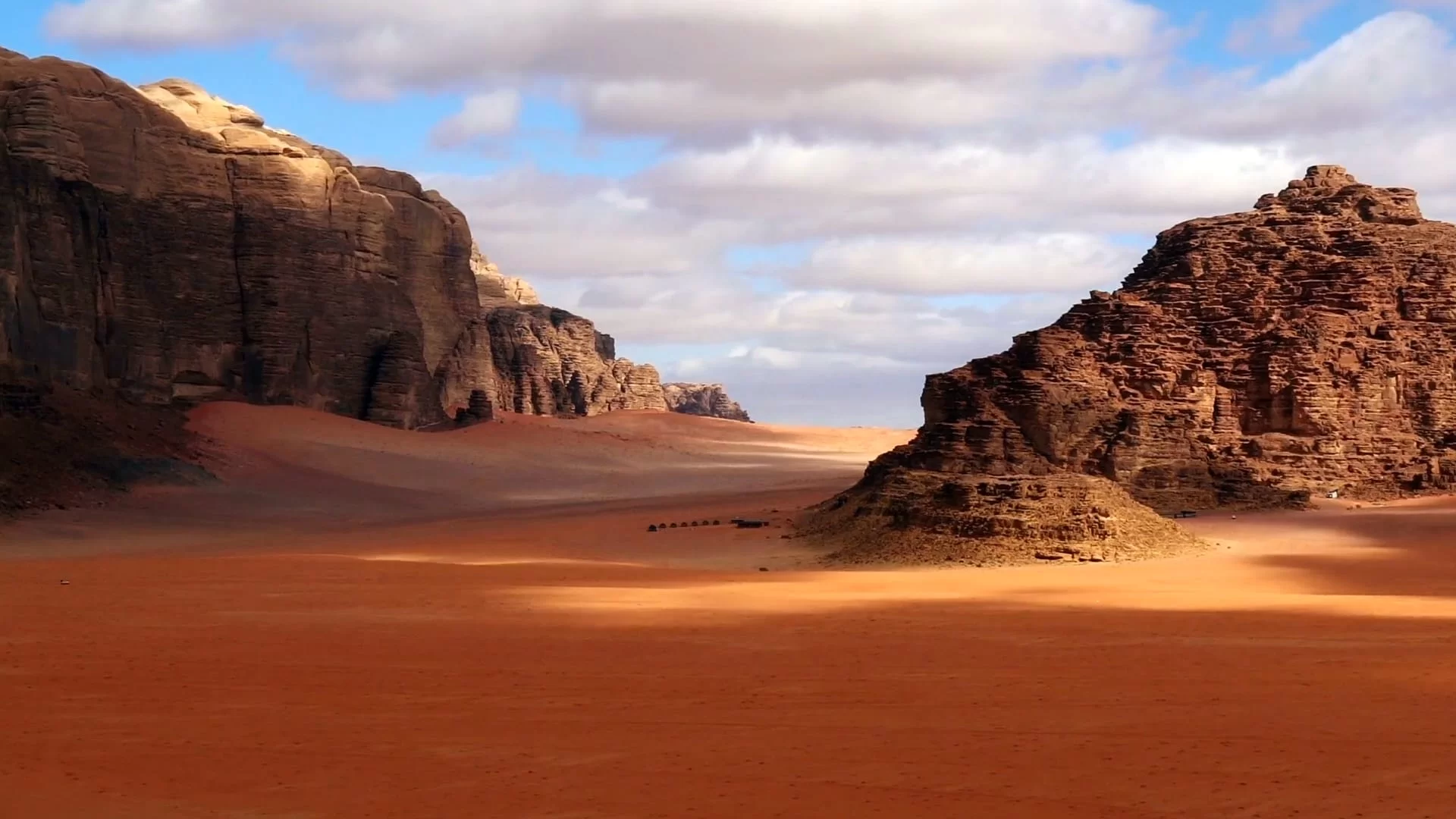
Filming in Jordan offers a blend of dramatic landscapes, historic sites, and modern infrastructure, making it one of the Middle East’s most versatile production hubs. Productions operating in Jordan typically work with experienced local line production teams to coordinate permits, logistics, and on-ground execution across regions. International studios frequently collaborate with a line producer in Jordan to manage location access, vendor networks, budgeting, and operational planning across the country’s diverse filming environments.
Filming in Jordan puts alien-planet deserts, ancient canyons, mountains and wetlands within a few hours of each other. Wadi Rum’s red dunes stood in for Arrakis in Dune, and Petra’s canyons carried Indiana Jones. This guide covers Jordan’s locations site by site, plus the production logistics and practical constraints of shooting across the country.
Jordan’s Landscapes on Camera
Jordan’s range is what draws productions: deserts, forests and canyons that read as alien worlds or historical epics. Wadi Rum’s sands appeared in Star Wars, The Martian and Aladdin, and Petra’s canyons carried Indiana Jones. The practical case is as strong as the visual one. The Royal Film Commission–Jordan runs a single-window permit process, often free for public spaces, and the RFC cash rebate returns 25–45% of local spend. Most locations connect by road. Recent international shoots, including Andor Season 2, underline Jordan’s reliability, and its compact geography lets a production consolidate locations, timeline and budget within one territory.
Jordan’s cultural depth and local participation add production value beyond its landscapes. Local communities contribute authentic props, costumes, and extras that enhance realism on screen. The ability to move between deserts, canyons, and forests within a single day supports tight schedules and efficient unit planning. Stable infrastructure enables quick setups for equipment rentals, catering, and transport, while coordination with the Royal Film Commission–Jordan allows productions to access protected and remote locations under clearly defined guidelines.
Jordan’s Filming Locations
Jordan’s locations run from headline deserts to little-used reserves. The sections below cover the main sites, what each gives a camera, and the practical constraints of shooting there.

Wadi Rum: The Desert Icon
Wadi Rum, the “Valley of the Moon,” stuns with red dunes, jagged cliffs, and vast arches. Its otherworldly terrain played Arrakis in Dune and Mars in The Martian. Sci-fi, adventure, or historical epics thrive here. The desert’s natural light creates dramatic shadows, especially in March-May when green hues add vibrancy. Scout with the Royal Film Commission–Jordan for exclusive access to remote areas. Summer heat hits 40°C, so pack hydration packs and plan sandstorm contingencies. Drones capture sweeping shots but require permits from the Jordanian authorities. Local Bedouin guides navigate tricky terrain, ensuring safety. Over 400 locals supported Dune’s massive production, proving robust crew availability. Use lightweight gear to move quickly across dunes. Early morning shoots avoid harsh midday sun, enhancing visual quality.
Wadi Rum’s versatility suits diverse genres. Its rock formations double as ancient ruins or alien landscapes. The area’s silence enhances sound recording, minimizing post-production edits. Coordinate with local fixers for transport: 4×4 vehicles are essential for remote sites. Budget for extra water and shade structures to keep crews comfortable. The Royal Film Commission–Jordan offers detailed maps and scouting support, ensuring you find the perfect backdrop.
Petra: Ancient Canyons and Tombs
Petra’s rose-red cliffs and carved Treasury appeared in Indiana Jones. The narrow Siq gorge makes a natural entrance for adventure and fantasy films, and the tombs and canyons carry period and mystery. Crowds build midday, so most crews shoot at dawn. Permit lead times for iconic sites like the Treasury depend on the authority and the production, so confirm current requirements with the Royal Film Commission–Jordan. Local guides help navigate the tourist zones, small crews keep setups agile in tight spaces, and sturdy gear handles the rocky terrain. Petra’s warm stone reads best in evening light.
Petra’s archaeological significance demands care. Avoid touching carvings to preserve sites. Lightweight cameras capture dynamic angles in narrow gorges. Plan for early call times to beat heat and tourists. Local vendors supply authentic props, like Nabataean-style costumes, adding realism. The Jordan Ministry of Tourism and Antiquities provides guidelines on filming restrictions, ensuring compliance. Petra’s unique blend of history and beauty makes it a must-visit for cinematic storytelling.

Dead Sea: Salt Flats and Dramatic Shores
The Dead Sea offers pale salt formations, reflective water and stark shorelines that suit science-fiction, drama and abstract landscape work. The salty, reflective landscape adds visual texture to sci-fi or drama. September-November brings milder weather, ideal for shooting. Public areas need minimal permits, easily secured via the Royal Film Commission–Jordan. Summer heat exceeds 40°C, so schedule early or late-day shoots. Hydration is critical: equip crews with ample water. The Dead Sea’s unique ecosystem suits experimental or futuristic projects. Its calm waters create striking reflections, perfect for wide shots.
Use drones for aerial views of salt-encrusted shores, but secure permits first. Local fixers arrange transport and catering, keeping costs low. The area’s isolation minimizes crowd issues, allowing focused shoots. Pair Dead Sea scenes with Wadi Rum for contrasting textures within a short drive. The Royal Film Commission–Jordan offers logistical support, ensuring quick setups.

Dana Biosphere Reserve: Mountains and Wildlife
Dana Biosphere Reserve spans mountains, valleys, and rare wildlife. Its Rift Valley views blend four ecosystems, perfect for adventure or nature documentaries. Vibrant flora in March-April creates lush backdrops. Filming conditions and environmental controls should be confirmed with the reserve management and the relevant conservation and production authorities. Small crews minimize environmental impact. RFC guides ensure safe access to remote trails. Dana’s rugged beauty suits survival stories or eco-focused films. Morning mist adds cinematic depth to shots.
Bring portable gear for hiking trails. Local guides know hidden spots, like scenic overlooks or wildlife habitats. Avoid heavy equipment to preserve delicate ecosystems. The Jordan Ministry of Culture provides sustainability guidelines, ensuring compliance. Dana’s diverse terrain, from rocky peaks to green valleys, offers dynamic visuals within one location.

Other Hidden Gems
Beyond the headline sites, Jordan holds a long tail of lesser-used locations that widen the palette without a long company move. The Crusader castles at Karak and Shobak give productions imposing medieval fortifications and siege-era architecture; Fifa, in the southern Jordan Valley, surprises with tropical greenery and hot springs against a desert backdrop; and the Shaumari reserve offers a controlled setting for wildlife and reintroduced Arabian oryx. Paired with the marquee locations, they let a production build variety into a single Jordan schedule rather than travelling for it.
Jerash and Umm Qais: Roman Cities
Fifty kilometres north of Amman, Jerash is one of the best-preserved Roman provincial cities anywhere: colonnaded streets, the Oval Plaza, the Temple of Artemis, two theatres and Hadrian’s Arch stand largely intact, giving period productions a working Roman set without a build. Further north, Umm Qais layers Roman and Ottoman ruins on a ridge overlooking the Sea of Galilee and the Golan, useful for wider historical and frontier framing.
Aqaba and the Red Sea Coast
Aqaba, Jordan’s only coastal city, opens the country onto the Red Sea, with beaches, coral reefs and a modern port-city skyline. It carries the shots the desert cannot: underwater and dive sequences, coastal and marina scenes, and contemporary urban backdrops, all within reach of Wadi Rum for a desert-meets-sea schedule.

Ajloun and the Northern Highlands
The highlands around Ajloun are Jordan’s green counterpoint: pine forests, olive groves and rolling hills, crowned by the twelfth-century Ajloun Castle with expansive panoramic views. The region suits medieval and historical drama, nature documentary and any sequence that needs Jordan to read as temperate rather than arid.
Wadi Mujib and the Canyons
Wadi Mujib, often called Jordan’s Grand Canyon, cuts a river gorge down toward the Dead Sea through sandstone walls, hot springs and steppe. Its slot canyons and water make it a natural for adventure sequences and dramatic water shots, though the terrain demands safety planning, water-unit logistics and timed access through the reserve.
The Eastern Desert and Its Castles
East of Amman the land flattens into black basalt desert dotted with the Umayyad desert castles, Qasr Amra with its frescoed bathhouse, Qasr Kharana and the fort at Azraq beside the Azraq wetland oasis. The bleak, uninterrupted horizon and the standing ruins give productions a very different Jordan from the red sandstone south, well suited to frontier, war and post-apocalyptic looks.
Filming Jordan Airports
Explore the unique opportunities for filming at Jordan’s airports, including Queen Alia International Airport (QAIA) and Amman Civil Airport (Marka). These locations offer modern terminals and controlled runways, ideal for dynamic scenes. The Royal Film Commission streamlines permits, while local fixers ensure smooth logistics. Discover detailed workflows, from securing approvals to managing stunts.

Crews and Fixers in Jordan
Film production in Jordan runs on the ground through Amman-based crews and fixers who handle RFC submissions, customs clearances and location access across the country. That operational layer is covered in full on our production services in Jordan page, while a line producer in Jordan ties crew, permits and budget into one accountable desk for a full shoot.
Permits and the RFC Process
Filming permits are issued by the Royal Film Commission through a single-window process, with free access to many public locations and 5-30 day lead times depending on the site. The full permit workflow, the 25-45% cash rebate and the compliance detail sit on our Jordan film permits and incentives guide, and our Jordan film production guide sets out the RFC steps and location logistics in one place.

Films Shot in Jordan
Jordan’s landscapes elevate global blockbusters. Dune transformed Wadi Rum’s dunes into Arrakis, hiring 400 locals for logistics. The team used natural light and minimal sets, blending CGI for epic scale. The Martian turned Wadi Rum’s red sands into Mars, capturing stark beauty with lightweight gear. Lawrence of Arabia set the standard for desert epics, using Jordan’s vast sands for iconic scenes. Indiana Jones showcased Petra’s Treasury, blending history and adventure. Aladdin drew on Wadi Rum’s desert vistas. Recent Andor Season 2 shoots in Wadi Rum reinforce Jordan’s sci-fi appeal.
Each of these used Jordan’s core strengths: local crews that carry the logistics and a spread of landscapes that cut the need to travel for looks. That reliability is why directors return for sequels.
Jordan and Tunisia Compared
Producers weighing Jordan often compare it with Tunisia. Tunisia offers a 30% cash rebate, VAT exemptions and fast-track permits, a cost-effective alternative whose deserts, coasts and ruins, seen in Star Wars and The English Patient, rival Wadi Rum and Petra.

Planning a Jordan Shoot
Start planning six months ahead. Scout locations with Royal Film Commission–Jordan guidance: Wadi Rum and Petra require in-person visits. Secure any drone permits early, and hire fixers for equipment, transport and crew coordination. Budget for local hires to qualify for rebates. Permit lead times and location charges depend on the authority, site, production scale and activity involved, so confirm the current schedule and requirements with the Royal Film Commission–Jordan before locking the shoot. Schedule spring or fall for optimal weather.
Use local guides for safety and access. The Jordan Ministry of Tourism and Antiquities oversees heritage sites, ensuring compliance. Pre-plan shot lists to maximize efficiency.
Visas and Insurance for Filming in Jordan
Entry and work requirements depend on each crew member’s nationality, role and length of stay. Confirm the correct visa or production-entry route before travel rather than relying on a general visitor visa. Jordan’s official tourism guidance states that ordinary one-month visas may be extended through a police station, but a filming unit should verify its production-specific position through the local production partner and relevant authorities.
Insurance is critical. Secure coverage for equipment, crew health, and liability. Desert shoots face risks like heatstroke or sand damage, so include environmental clauses. Local insurers, recommended by the Royal Film Commission–Jordan, offer tailored plans. Budget $5,000-$10,000 for comprehensive coverage on a mid-scale shoot. Verify policies cover remote areas like Wadi Rum.

Costs and Budgeting
A Jordan shoot’s budget turns on the cash rebate, local-hire rates and the logistics of moving between desert locations, with a mid-scale shoot typically running in the low-to-mid six figures before the rebate. The full cost model belongs with a line producer in Jordan, who works it against the RFC rebate and current vendor rates.
Cultural and Environmental Considerations
Respect Jordan’s culture and environment. Dress conservatively on set, especially in rural areas. Engage local communities for authentic props or extras, boosting goodwill. Sustainable filming protects reserves like Dana or Fifa. Follow Jordan Ministry of Culture guidelines: avoid disturbing wildlife or archaeological sites. Use biodegradable materials for sets. Involve Bedouin guides in Wadi Rum for cultural authenticity and navigation.
Community engagement enhances productions. Hire local artisans for costumes or set pieces. Partner with schools or cultural groups for extras, as seen in Dune. These efforts build trust and enrich storytelling. The Jordan Ministry of Culture offers resources on cultural protocols.
FAQs
What permits do I need for filming in Jordan?
Apply through the Royal Film Commission–Jordan. Lead times vary by site, scale and activity, so confirm current requirements before locking dates.
When is the best time to film in Jordan’s nature?
March-May or September-November offer mild weather and vibrant visuals.
How do I access Jordan’s film incentives?
Spend locally on crew or rentals to qualify for 25-45% rebates via the Royal Film Commission–Jordan.
Can I use drones for filming?
Yes, with permits from Jordanian authorities. Submit plans early.
How do I hire local crews?
The Royal Film Commission–Jordan connects you to experienced fixers and crews.
