
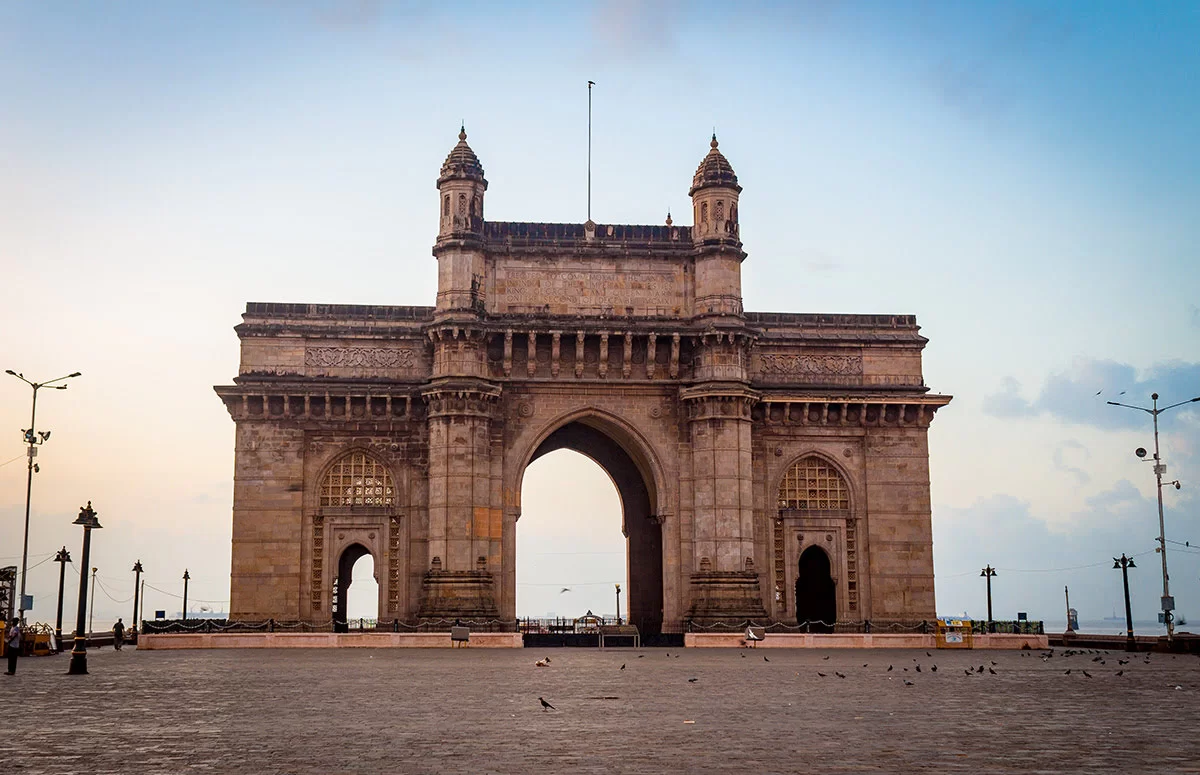
Line Producer in India for International Locations

Line Producer in India for International Locations

Jordan, Vietnam, Turkey Tunisia Jordan, Vietnam, Morocco and Key Indian Hubs

As India’s film industry surges to a $2.5 billion valuation in 2025, the Line Producer in India for International Locations is pivotal for bridging domestic expertise with international shoots, managing budgets, crews, permissions, and logistics across borders. This cornerstone guide explores the role of an India-based line producer in facilitating productions in global hotspots like Jordan and Vietnam, alongside domestic powerhouses such as Delhi and Mumbai. Drawing from real-world practices, it highlights how these professionals navigate cultural nuances, incentives, and challenges to deliver seamless executions for Hollywood, Bollywood, and OTT giants like Netflix and Disney. Whether scouting Petra’s canyons or Delhi’s Mughal gardens, India-line producers leverage networks for cost savings up to 30% through rebates and local alliances. For productions requiring structured support, international co-production management India is available for this region.

India’s Role as a Global Coordination Hub

The rise of international co-productions has made India a strategic base for projects that span several countries. As studios now design scripts that move across continents, they increasingly depend on the expertise of a Line Producer in India for International Locations to unify planning, budgets and workflows. India’s diverse filming ecosystem, combined with its administrative strength, has created a production culture capable of supporting complex global schedules with consistency and precision.

Indian crews are trained in environments that demand fast adaptation. They handle shoots that range from dense markets to desert landscapes, mountain regions and coastal zones. This daily exposure to varied challenges prepares them to manage high-pressure situations abroad. When a production shifts from Mumbai to Amman or from Delhi to Hanoi, the team already understands how to adjust to cultural expectations, approval systems and terrain requirements. This adaptability is a defining advantage for India-based production leadership. For more on general line production services in India, see our line production in India guide.

How Domestic Planning Shapes Global Operations

India’s production landscape requires constant coordination with government bodies, police departments, tourism boards, aviation regulators, heritage authorities and municipal offices. Working within this system builds strong administrative literacy. When producers navigate film permission in India, they learn how to handle workflows that mirror foreign systems. This familiarity becomes valuable when dealing with agencies in Jordan, Vietnam, Turkey, Morocco or Georgia.

Teams that manage film production in Mumbai gain experience balancing heavy crowds, traffic control, union rules and time-sensitive shoots. Similar patterns apply in Delhi, where heritage zones and administrative centres introduce additional permissions. This domestic training allows Indian line producers to understand international requirements quickly, reducing downtime and avoiding errors in foreign jurisdictions. Their preparation at home becomes a foundation for international success.

Line Producer in India for International Locations

India as a Planning Centre for Multi-Country Narratives

A growing number of films and series combine scenes from several countries. Production houses now design stories that shift from Indian locations to Middle Eastern deserts or Southeast Asian cities within a single narrative arc. To manage such projects, many studios choose India as the planning and coordination headquarters. Here, a Line Producer in India for International Locations outlines permit timelines, builds multi-border schedules, evaluates weather risks and designs cost structures that blend domestic and overseas incentives.

This model works because India’s production community has built long-standing partnerships with international fixers and regional specialists. They understand how to integrate the permit cycles of Jordan with the dry seasons of Vietnam or combine Rajasthan’s desert sequences with forests or harbour scenes in other countries. This ability to merge logistical realities into a cohesive plan makes India an efficient command centre for complex, multi-country shoots.

Why Studios Prefer Indian Coordination Teams

Global studios often choose Indian line producers for several reasons. First, India has one of the world’s largest pools of trained technicians, including camera units, lighting crews, art departments and assistant directors. Second, India’s cultural adaptability allows teams to work comfortably across Asia, the Middle East and Europe. Third, domestic producers work with strong budgeting awareness, making them effective partners when managing cross-border financial planning.

Another advantage is India’s deep experience with climate-driven scheduling. Teams accustomed to monsoons, summer peaks and winter fog already know how to build weather buffers into the timeline. This skill becomes useful in regions like Vietnam, where tropical rains impact availability, or Jordan, where desert temperatures influence shooting windows. Because Indian line producers anticipate environmental shifts, they protect production efficiency in every region they support.

The Value of India’s Production Knowledge Base

India has accumulated a vast repository of location insight, cultural knowledge and administrative experience. Production companies maintain detailed internal notes on everything from crowd behaviour patterns to local working hours and festival seasons. This knowledge extends naturally into international collaborations, where Indian producers apply the same level of sensitivity and structure.

For example, teams understand how Ramadan influences production timing in the Middle East. They also know how Tet holidays affect schedules in Vietnam. This awareness helps them design plans that respect local customs while still meeting global deadlines. The outcome is a production ecosystem that operates with clarity, foresight and respect, whether the shoot takes place in India or abroad.

The Role of a Line Producer in India for International Projects

An India-based line producer acts as the operational backbone, transforming scripts into actionable plans while coordinating with global studios. They handle budgeting (e.g., allocating for rebates in Jordan’s 25-45% scheme), crew hiring (integrating multilingual talent from Mumbai’s FWICE unions), location scouting (using VR for remote sites like Vietnam’s Halong Bay), permissions (navigating RFC in Jordan or ASI in India), and logistics (e.g., 4×4 vehicles for Wadi Rum deserts). For international locations, they partner with local fixers to ensure compliance, cultural sensitivity (e.g., respecting Ramadan in Jordan or Tet festivals in Vietnam), and sustainability (zero-waste protocols in Kerala’s backwaters). Key differentiators include leveraging India’s talent pool for 65-75% cost reductions compared to Western markets and facilitating co-productions under treaties like India-Jordan pacts.

  • Expert Tips: Engage early (3-6 months pre-shoot) for permit buffers; use cloud tools like Movie Magic for real-time budgeting; prioritize local hires to maximize incentives (e.g., Jordan’s cultural points boost rebates).
Line Producer in India for International Locations Line Producer Morocco

SWOT Analysis – Why Choose Jordan, Morocco, Tunisia, Turkey, Egypt, or Vietnam for International Filming

This concise SWOT table evaluates key locations for international productions, focusing on why to choose them based on core factors like incentives and landscapes.

LocationStrengthsWeaknessesOpportunitiesThreats
JordanDiverse landscapes (Wadi Rum deserts, Petra sites) for epics; 25-45% rebates via RFC; quick permissions (5-30 days); Hollywood-ready (e.g., Dune). Line producer Jordan desert Petra Amman shoot logistics.Extreme weather (heat, sandstorms); drone oversight; limited crew depth.Co-productions with India; eco-rebates growth; Middle East stand-in potential.Regional instability; competition from Morocco; climate impacts on deserts.
MoroccoFilm infrastructure (Ouarzazate studios, Sahara); 30% rebates on $1M+; experienced crews (e.g., Gladiator); dry seasons. Morocco line production analysis benefits and advantages.Rebate audits; security in remotes; location competition.Bollywood/OTT partnerships; sustainable initiatives; VFX expansion.Political risks; environmental degradation; rising costs.
TunisiaLow costs with 18% VAT exemptions; iconic sets (Star Wars deserts); fast permissions (1 week); versatile sites. Filming in Tunisia guide.Limited facilities; political volatility; seasonal crowds.Budget alternative to Morocco; eco-tourism hybrids; co-production growth.Security threats; economic fragility; competition; coastal erosion.
TurkeyEurasian mix (Istanbul fusion, Cappadocia); 30% rebates with co-producer; 15-day approvals; strong talent. Line producer Turkey filming locations production services compliance on ground execution.Regulatory complexities; currency fluctuations; Istanbul saturation.OTT collaborations; heritage-tourism; Asian-European stories.Geopolitical tensions; earthquakes; permit delays.
EgyptHistoric icons (Pyramids, Nile); tax incentives; local crews; affordable epics. Line producer in Egypt popular location tax benefits.Bureaucratic hurdles; security risks; outdated facilities.Post-stability shoots; Middle East co-productions; tourism recovery.Instability; crew competition; Nile pollution.
VietnamLow-cost grants/tax cuts; urban/natural sites (Hanoi, Halong Bay); adaptable crews for remakes. Line producer Vietnam film production guide.Monsoons; language barriers; provincial approvals.Korean/Indian remakes; OTT urban demand; sustainable ties.Economic downturns; Thailand competition; climate threats.

Jordan as a High-Value Extension Territory for India-Led International Production

Jordan has become one of the most consistent global partners for India-based line producers executing multi-country projects. Its combination of predictable permissions, clear rebate structures and visually unique terrains allows a Line Producer in India for International Locations to design cross-border workflows that align with global schedules without risking delays. Because Jordan’s administrative system mirrors the layered approval culture of Indian filmmaking, Indian production leads adapt immediately and begin planning without long learning cycles. For specific guidance, refer to our line producer in Jordan guide and film permission in Jordan guide.

Operational Appeal of Jordan for Indian Line Producers

Jordan’s Royal Film Commission handles more than fifty international productions every year, and this steady throughput has shaped a workflow that suits Indian coordination practices. The country’s structured permit routes, defined cultural review processes and single-window support for sensitive locations give producers a degree of predictability rarely matched by other Middle Eastern regions. This predictability is critical when building a multi-country shooting calendar.

A script may require the deserts of Wadi Rum, the canyons of Petra, or the urban density of Amman. Indian producers are are already trained in rapid location switching because India itself demands constant environmental transitions—from Rajasthan’s dunes to Kerala’s waterways to Mumbai’s traffic-dense corridors. Jordan’s terrain acts as an extension of this skill set. As a result, Indian teams can manage Jordan at a level that feels both familiar and efficient. See more on Jordan locations in our filming locations Jordan Egypt desert urban guide.

Jordan’s Incentives and Their Impact on Multi-Country Scheduling

Jordan offers competitive rebates on local spend, and these incentives influence cost distribution across the entire production. A Line Producer in India for International Locations often allocates large-format sequences—action, sci-fi, desert epics or historical sagas—to Jordan because the rebate offsets the logistical cost of moving equipment and international talent. The financial architecture becomes even stronger when combined with India’s domestic savings and Vietnam’s low-cost crew model.

The operational effect is simple: Jordan allows Indian-led productions to shoot high-value sequences with elevated production design at a lower cost than many European or North American desert alternatives. Producers who already manage incentive-linked projects in Maharashtra or Rajasthan understand how to document local spend accurately and how to manage audit cycles, making Jordan’s rebate structure intuitive.

When the greenery starts appearing in Wadi Ghwayr it feels like walking in a Jurassic Park movie

Comparative Assessment: Jordan vs. India’s Desert Filming Zones

FeatureJordanRajasthan (India)Strategic Value for Indian Producers
Landscape ScaleLarge uninterrupted desert plainsFragmented but visually strong dunesJordan suits large-format epics; Rajasthan suits stylised visuals
PermissionsCentralized, predictable via RFCMulti-department, time-variableJordan reduces pre-production overhead
Incentives25–45% eligible spendVaries by state; lower %Jordan offsets international logistics costs
Climate ControlStable windows for filmingStrong monsoon and summer variabilityJordan improves schedule reliability

This comparison shows why Indian line producers often integrate both regions into a single film. Domestic sequences may be shot in Rajasthan for tethered interiors or culturally specific visuals, while Jordan handles global-facing action or desert world-building. For Rajasthan specifics, check our line producer Jaisalmer guide and filming in Rajasthan guide.

(Note: This section on Jordan is part 1; for deeper dives into specific Jordan logistics like airport filming, see our airport filming in Jordan QAIA Marka guide. Part 2 will cover Vietnam.)

Vietnam as a Southeast Asian Complement to India’s International Production Model

Vietnam has emerged as a powerful partner location for productions requiring dense urban landscapes, tropical climates, coastal visuals or culturally rich street textures. For a Line Producer in India for International Locations, the country offers a natural counterpart to Jordan because it provides environments that align with Asian storylines or global travel narratives. Explore our line producer Vietnam film production guide.

Vietnam’s Value in Hybrid Shooting Calendars

Many international productions now follow a “three-country structure,” where India manages core scheduling, Jordan handles large-scale desert or historical sequences and Vietnam delivers atmospheric cityscapes or natural wonders. This triangular model allows Indian-led productions to diversify visual tone without relocating base operations.

Vietnam’s administrative pathways resemble India’s district-level approval model. Production teams must coordinate with tourism departments, provincial authorities and local police for traffic management. Because Indian producers regularly operate within similar systems at home, they integrate into the Vietnamese environment efficiently. Documentation rhythms, review cycles and location control expectations feel familiar.

Regulatory Considerations for India-Led Teams

Vietnam’s film authority framework requires lead time, detailed submissions and cultural suitability reviews. Indian production teams do not struggle with these demands because India’s own regulatory system is equally rigorous. Teams accustomed to ASI heritage clearances, forest filming permissions or city police coordination are technically prepared for Vietnam’s layered requirements.

Climate planning is essential, as monsoon patterns can reshape shooting windows across entire provinces. Indian teams are already trained in monsoon-based scheduling, which makes their transition into Vietnam extremely smooth. Knowledge gained from Kerala, Mumbai or Goa applies directly to Hanoi, Da Nang or Ho Chi Minh City.

Comparative Assessment: Vietnam vs. India’s Urban Filming Hubs

FeatureVietnamMumbai or DelhiStrategic Value for Indian Producers
Urban TextureHistoric + modern blendDense, chaotic and large-scaleVietnam provides calmer, cinematic alternatives
WeatherTropical monsoon cyclesMonsoon + winter fogIndia-trained teams excel at planning buffers
CostsLower crew and rental costHigher domestic cost for large crewsVietnam improves budget efficiency
PermissionsProvincial approvalsMulti-department approvalsSimilar structures aid quick adaptation

Vietnam therefore acts as a low-friction location where the domestic skills of Indian crews transfer immediately.

(Note: This section on Vietnam is part 1; for more on Vietnam’s role in remakes and co-productions, including Korean influences, see our Korean films available for remake in India catalogue. Part 2 will explore Indian domestic hubs.)

How India’s Domestic Filming Hubs Shape Global Production Capability

India’s major filming regions serve as training environments that directly strengthen international performance. Each region teaches a different production discipline, which later becomes valuable when managing large-scale overseas operations.

Line Producer in India for International Locations

Mumbai as a Model for High-Volume Coordination

Mumbai is India’s highest-density production environment and the city that shapes the operational reflexes of most Indian line producers. The city demands agility, rapid permit coordination, and precise traffic planning. Shoots occur within narrow time windows, often in crowded lanes or active business districts. This teaches producers how to optimise movement, pre-stage equipment, and anticipate disruptions—skills essential for foreign shoots in places like Amman’s older districts or the busy streets of Hanoi. For Mumbai details, visit our line producer Mumbai guide and Mumbai line production fixer guide.

Beyond logistics, Mumbai builds negotiation literacy. Crew unions, local authorities and private stakeholders require mediation. International filming environments frequently need the same diplomacy. For example, coordinating a city shoot in Amman or Ho Chi Minh City involves discussions with municipal bodies and business owners. Mumbai’s production culture prepares teams for this level of negotiation from the beginning of their careers.

Delhi’s Administrative Structure as a Blueprint for International Approvals

Delhi’s filmmaking environment develops a different strength: administrative depth. Permissions here often involve overlapping departments—police, tourism, heritage, municipal bodies, security agencies and ministries. Producing a sequence in a Delhi heritage zone requires tactical preparation, cultural awareness and sensitivity to public impact. These skills apply directly to protected locations abroad, such as Petra in Jordan or old quarters in Vietnam. Learn more in our line producer Delhi guide and filming in Delhi navigating administrative and permissions guide.

Delhi’s climate, with its winter fog and summer heat, also forces producers to design adaptive schedules. This knowledge helps Indian teams manage foreign climates strategically. For example, they can anticipate heat windows in Jordan or humidity cycles in Southeast Asia and adjust call times before problems arise.

Shooting In Rajasthan

Rajasthan’s Desert Logic and Its International Parallels

Rajasthan provides Indian line producers with real-world desert training. Coordinating shoots in Jaisalmer, Jodhpur or Barmer requires understanding wind hazards, hydration protocols, day-night temperature swings and long-distance supply chains. These are the same requirements found in Jordan’s Wadi Rum and parts of Morocco. For Rajasthan services, see our line production fixer services Rajasthan guide and line producer Jodhpur filming locations guide.

As a result, when Indian producers step onto Middle Eastern desert locations, they operate with a familiar rulebook. They already know how to structure shade cycles, manage dust protection for equipment, deploy 4×4 fleets, and plan long-distance radio communication. This continuity reduces international learning curves and supports uninterrupted filming in harsh terrains.

Line producer kerala

Kerala and Coastal States as Models for Tropical and Eco-Sensitive Filming

Kerala’s backwaters, forests and wildlife zones teach Indian line producers how to manage shoots in eco-regulated environments. Permits here often involve forest departments, environmental officers and conservation groups. These workflows mirror Southeast Asian systems, where ecological protection shapes many filming decisions. Check our line producer Kerala guide and line producer Kerala crew budget travel South India guide.

Kerala’s knowledge applies directly to Vietnam’s coastal provinces or Indonesia’s rainforests. Producers understand when rainfall peaks, how humidity affects camera gear, and how to structure shot divisions around tidal patterns or daylight movement. This nature-driven workflow strengthens their ability to plan in unfamiliar tropical contexts.

Eastern and Northern India: Terrain Complexity as a Competitive Advantage

Filming in the Himalayas, Northeast India or the tea estates of Bengal trains producers for altitude coordination, remote access strategies and rapid weather changes. These skills are useful in global highland locations like Georgia’s Kazbegi region or Turkey’s Cappadocia. For northern areas, see our line producer in Leh Ladakh filming permits guide and line producer Kashmir guide.

In these environments, producers must plan oxygen support, vehicle safety, drone restrictions and early-sunset contingencies. They learn to anticipate unpredictable conditions long before a foreign production would expect them. This foresight is one of the reasons Indian line producers outperform expectations when operating internationally.

(Note: This section on Indian hubs is part 1; for more on eastern regions like Kolkata, see our line producer Kolkata guide and film production in Kolkata visual playbook. Part 2 will cover building cross-border strategies.)

Building a Cross-Border Filming Strategy: How India Leads Global Coordination

The shift from domestic line production to cross-border filmmaking requires strategic thinking beyond location management. A Line Producer in India for International Locations must unify climate cycles, cultural calendars, rebate windows, equipment transit rules, cast availability, visa constraints and regional risk factors into one coordinated timeline. This combined schedule becomes the backbone of the entire international project.

Integrating Multi-Country Timelines Into a Single Shoot Plan

Modern global productions often use hybrid calendars—shooting deserts in Jordan in spring, monsoon-free street chases in Vietnam in winter, and Indian interiors or urban segments during controlled months. Indian producers excel at merging these calendars because they already manage domestic shoots across several climatic zones.

The process typically involves:

  1. Identifying each region’s climate and approval cycles
  2. Mapping them against actor availability and budget windows
  3. Integrating India’s local commitments into global scheduling
  4. Balancing risk between domestic and international delays
  5. Creating buffer zones to handle unexpected conditions overseas

This coordination reduces cost, limits uncertainty, and improves production fluidity.

Cultural and Regulatory Harmonisation Across Regions

India’s film culture demands constant cultural navigation. Whether a crew is shooting near a religious site, a monument or a tribal settlement, Indian line producers learn how to blend sensitivity with operational needs. This cultural intelligence transfers seamlessly to international environments.

For example:

  • Jordan requires respect for religious customs and modesty rules.
  • Vietnam expects sensitivity around local communities and traditions.
  • Turkey imposes strict rules for filming around mosques and historic structures.
  • Morocco enforces cultural reviews before approving certain scripts.

Indian producers, trained in India’s equally nuanced cultural landscape, harmonise these requirements naturally. For Turkey specifics, see our line producer Turkey filming locations production services compliance on ground execution guide.

Camera for filming

Equipment Transit and Technical Compatibility

A major challenge in international production is ensuring that equipment standards and compatibility match across countries. Indian line producers reduce risk in this area because they are accustomed to varied equipment environments—from high-end studio cameras to regional rental houses with mixed inventories.

They also understand:

  • Temporary import workflows
  • Carnet vs non-carnet movement
  • Drone regulations
  • Wireless frequency restrictions
  • Power grid compatibility across regions

This makes Indian-led productions far smoother when transitioning between countries with different technical policies. For drone rules, check our drone film permission in India guide.

Comparative Global Incentive Landscape for India-Led Productions

International filming incentives form a large part of cross-border strategy. A Line Producer in India for International Locations must understand incentive thresholds, audit requirements and eligibility rules in every region. These comparisons determine where high-value sequences can be placed and how budgets can be optimised.

Incentive Comparison: Jordan, Vietnam and India’s Regional States

RegionIncentive StrengthEligibility ComplexityIdeal Use Case
JordanHigh (25–45%)Medium (RFC audit)Desert epics, sci-fi, historical dramas
VietnamModerate (grants + tax reductions)MediumUrban action, Asian narratives, nature dramas
Maharashtra (India)High (up to 30%)ModerateStudio shoots, large-scale sets
Rajasthan (India)Moderate (varies)LowDesert, heritage, cultural epics
Kerala (India)ModerateHigh (eco reviews)Water-based films, tropical stories

The comparison shows how international and Indian incentives can be blended into a single unified budget plan. For more on incentives, see our film production incentives Indian states comparison guide.

Morocco as a Versatile North African Partner for India-Led International Production

Morocco stands out as a key ally for India-based line producers in multi-country projects, offering a blend of diverse landscapes, reliable infrastructure, and attractive incentives that complement Indian workflows. With its deserts, mountains, and historic medinas, Morocco serves as a natural extension for productions needing North African or Mediterranean vibes, allowing a Line Producer in India for International Locations to craft seamless cross-border plans. The country’s film-friendly policies, managed by the Moroccan Cinematographic Center (CCM), echo India’s multi-departmental systems, enabling quick adaptation and efficient execution without extended onboarding. For detailed insights, explore our hire a line producer in Morocco guide.

Operational Appeal of Morocco for Indian Line Producers

Morocco’s film industry supports dozens of international shoots annually, from blockbusters like Gladiator to series, fostering a streamlined process that aligns with Indian coordination styles. Centralized permissions through CCM provide predictability, with approvals often secured in weeks for locations like the Sahara dunes, Atlas Mountains, or Casablanca’s urban sprawl. Indian teams, versed in handling varied terrains from Rajasthan to the Himalayas, find Morocco’s environments intuitive—deserts for epics, kasbahs for historicals, and coasts for modern tales. This familiarity minimizes risks, making Morocco ideal for hybrid shoots blending Indian cultural elements with North African authenticity.

Morocco’s Incentives and Their Impact on Multi-Country Scheduling

Morocco provides a 30% tax rebate on qualifying local spends (minimum 10 million dirhams, ~$1M, and 18 filming days), covering features, TV, and documentaries. This rebate, applied post-audit, offsets logistics for equipment and crew movement, synergizing with India’s state incentives for overall savings. A Line Producer in India for International Locations strategically assigns high-impact sequences—action in Ouarzazate studios or desert chases—to Morocco, leveraging the rebate to balance budgets across continents. Combined with Vietnam’s grants or Jordan’s rebates, it creates a cost-efficient global pipeline.

Comparative Assessment: Morocco vs. India’s Diverse Filming Zones

FeatureMoroccoRajasthan/Kerala (India)Strategic Value for Indian Producers
Landscape ScaleExpansive deserts and mountainsDunes, forts, and backwatersMorocco extends scale for epics; India adds cultural depth
PermissionsCentralized via CCM, 2-4 weeksMulti-agency, variable timelinesMorocco accelerates international phases
Incentives30% rebate on $1M+ spendState-varying, up to 30%Morocco boosts foreign spend efficiency
Climate ControlDry seasons predictableMonsoon and heat variabilityMorocco offers reliable windows for planning

This table illustrates how Morocco enhances Indian-led projects by providing scalable alternatives, often integrating Rajasthan’s heritage with Moroccan expanses for richer narratives.

(Note: This section on Morocco is part 1; for comparisons with other regions like Jordan, see our Morocco vs Jordan as stand-ins for Saudi Arabia Egypt in film production guide.

Turkey as a Eurasian Bridge for India-Led International Production

Turkey emerges as a dynamic connector for India-based line producers, linking Asian and European elements with its blend of ancient ruins, bustling cities, and natural wonders. This positions it perfectly for narratives spanning continents, where a Line Producer in India for International Locations can orchestrate fluid transitions. Turkey’s Ministry of Culture and Tourism streamlines processes akin to India’s ICH, allowing Indian teams to adapt swiftly and maintain momentum in multi-country endeavors. For in-depth coverage, refer to our line producer Turkey filming locations production services compliance on ground execution guide and filming locations line production Turkey guide.

Operational Appeal of Turkey for Indian Line Producers

With over 100 international productions yearly, including The Two Popes, Turkey’s ecosystem supports efficient workflows through dedicated film offices. Permissions, requiring 15 business days, cover icons like Istanbul’s Hagia Sophia, Cappadocia’s fairy chimneys, or Antalya’s beaches. Indian producers, experienced in urban chaos from Mumbai or heritage management from Delhi, seamlessly handle Turkey’s diverse sites—urban for thrillers, ruins for period pieces. This operational synergy reduces cultural gaps, making Turkey a reliable pivot in shoots extending from India to Europe or the Middle East.

Turkey’s Incentives and Their Impact on Multi-Country Scheduling

Turkey offers up to 30% cash rebates on eligible local spends (minimum ~$180k for films), requiring a Turkish co-producer for applications open year-round. This incentive, capped annually, incentivizes allocating VFX-heavy or location-intensive segments to Turkey, amplifying savings when paired with India’s rebates. A Line Producer in India for International Locations uses this to optimize budgets, shifting high-cost urban sequences to Istanbul while reserving Indian hubs for interiors, creating a balanced financial flow across borders.

Comparative Assessment: Turkey vs. India’s Urban and Heritage Zones

FeatureTurkeyMumbai/Delhi (India)Strategic Value for Indian Producers
Urban TextureHistoric-modern fusionDense, vibrant chaosTurkey adds Eurasian flair; India provides depth
Permissions15 days via ministryLayered, 7-30 daysTurkey streamlines for speed
Incentives30% rebate on min spendUp to 30% state rebatesTurkey enhances foreign efficiency
Climate ControlMild seasonsMonsoon extremesTurkey offers broader windows

This assessment highlights Turkey’s role in diversifying visuals, often combining Delhi’s administrative savvy with Turkish heritage for immersive storytelling.

(Note: This section on Turkey is part 1; for broader North Africa-Middle East comparisons, see our North Africa Middle East film production hubs Tunisia Morocco Turkey Jordan guide. Part 2 will cover Tunisia.)

Tunisia as a Cost-Effective North African Ally for India-Led International Production

Tunisia offers a compelling option for India-based line producers seeking affordable, versatile backdrops with minimal bureaucratic hurdles, ideal for desert epics or Mediterranean tales. Its film heritage, from Star Wars Tatooine sets, aligns with India’s multi-genre adaptability, enabling a Line Producer in India for International Locations to integrate it smoothly into global plans. Tunisia’s straightforward system, overseen by the Ministry of Culture, mirrors India’s efficient portals, facilitating rapid setups. For more details, visit our line producer Tunisia guide and location fixer in Tunisia guide.

Operational Appeal of Tunisia for Indian Line Producers

Hosting numerous international shoots, Tunisia’s one-permit system issues approvals in about a week, covering sites like the Sahara, Roman ruins in Carthage, or coastal Sidi Bou Said. Indian teams, skilled in remote logistics from Ladakh or crowds from Kolkata, adapt easily—deserts for sci-fi, medinas for historicals. This efficiency makes Tunisia a low-risk addition to multi-country shoots, extending Indian expertise without complex adjustments.

Tunisia’s Incentives and Their Impact on Multi-Country Scheduling

Tunisia provides an 18% VAT exemption on production costs, plus import duty waivers for equipment and subsidies for local hires, with no strict minimum spend. This cost relief allows allocating budget-intensive exteriors to Tunisia, synergizing with higher rebates elsewhere for overall optimization. A Line Producer in India for International Locations leverages this for agile budgeting, using Tunisia’s affordability to balance pricier segments in Jordan or Turkey.

Comparative Assessment: Tunisia vs. India’s Desert and Coastal Zones

FeatureTunisiaRajasthan/Goa (India)Strategic Value for Indian Producers
Landscape ScaleVast deserts and coastsDunes and beachesTunisia scales for affordability; India adds variety
PermissionsOne permit, 1 weekVariable, 1-4 weeksTunisia speeds up international legs
Incentives18% VAT exemptionState rebates up to 25%Tunisia cuts costs effectively
Climate ControlDry, stableMonsoon variabilityTunisia ensures reliability

This comparison underscores Tunisia’s value in cost-sensitive projects, often pairing Rajasthan’s forts with Tunisian expanses for economical yet visually rich outputs.

(Note: This section on Tunisia is part 1; for filming guides, see our filming in Tunisia guide. This expands the international sections.)

When India Leads, the Global Production Framework Stabilises

Because India-based line producers already manage incentive-linked production at home, they apply the same discipline internationally. They schedule spending milestones, maintain receipts for audit cycles, identify eligible vendors and track reporting deadlines. This financial literacy increases trust from global studios and helps sustain long-term international partnerships.

Risk Mitigation Frameworks That Strengthen India-Led International Productions

International filmmaking introduces layers of uncertainty that go far beyond domestic challenges. A Line Producer in India for International Locations must manage geopolitical variables, climate fluctuations, cultural sensitivities, international labour regulations, multi-currency budgeting and dynamic visa conditions. Indian line producers have become valued worldwide because they specialise in reducing these uncertainties through structured risk protocols. Their domestic training—navigating crowded public spaces, fluid government timelines and multi-agency coordination—prepares them for the unpredictability of global filmmaking.

Anticipating Climate and Geographical Risks Across Countries

One of the most consistent challenges in international production is weather unpredictability. Indian producers understand this deeply because India itself experiences monsoons, coastal storms, desert heat waves, fog winters and high-altitude storms. This environmental diversity allows them to anticipate global conditions more precisely.

A line producer who schedules scenes around Mumbai’s monsoon will instinctively apply the same logic to Vietnam’s rainy months. A producer who has worked in Rajasthan’s heat understands how to manage Jordan’s desert temperatures. A team familiar with Himalayan wind conditions can prepare for highland shoots in Georgia or Turkey. This environmental literacy reduces delays, protects crew wellbeing and safeguards continuity.

Administrative and Political Risk Management

International permissions often depend on political stability, tourism traffic patterns, religious calendars and evolving regulatory policies. Indian line producers routinely work with shifting domestic rules, which cultivates a disciplined approach to documentation and negotiation. This capability becomes valuable when dealing with international authorities that operate on layered review systems.

For example:

  • Jordan’s heritage locations may require cultural review cycles.
  • Vietnam’s provincial departments may update approval criteria annually.
  • Turkey’s city authorities may adjust traffic guidelines during political events.
  • Morocco may introduce seasonal restrictions on filming in ecologically fragile zones.

Indian producers mitigate these risks by preparing alternate schedules, maintaining strong local partnerships through fixers and leaving open migration pathways for scenes between different countries. For Morocco, refer to our Morocco line production analysis benefits and advantages guide.

Multi-Currency and Cross-Border Budget Control

International filmmaking involves fluctuating exchange rates, varied taxation frameworks, local crew payment systems and regional incentives with different eligibility rules. Indian line producers develop financial adaptability early because India itself has varying GST rates, state incentives, union fee structures and regional vendor pricing disparities.

This background strengthens their ability to:

  • Build multi-currency budgets
  • Evaluate cost-risk ratios across regions
  • Align spending with rebate thresholds
  • Track eligible costs for audits
  • Prevent over-exposure to foreign exchange volatility

A Line Producer in India for International Locations generally integrates global budgeting tools with domestic cost benchmarks to create accurate financial projections for studios.

Workflow Unification: How Indian Line Producers Synchronise Multi-Country Shoots

Global productions succeed only when their workflows across different countries remain aligned. Indian line producers excel at this because the Indian industry itself functions as a symphony of parallel units—camera, art, costume, transport, permissions and post-production—which must move in perfect coordination.

Synchronising Crew Practices Across Borders

Indian film sets operate with defined hierarchical structures and deeply ingrained workflows. When these teams collaborate with foreign crews, they carry a disciplined ethos that supports clear communication. Indian teams often function as the operational backbone during international shoots, ensuring that call sheets, equipment logs, safety guidelines and costume continuity are updated with precision.

Indian producers also understand how to merge working cultures. Jordan may require modest scheduling around prayer times, while Vietnam may emphasise community coordination in dense neighbourhoods. India’s own cultural complexity prepares teams to adapt without friction.

Equipment Transit and Technical Compatibility

A major challenge in international production is ensuring that equipment standards and compatibility match across countries. Indian line producers reduce risk in this area because they are accustomed to varied equipment environments—from high-end studio cameras to regional rental houses with mixed inventories.

They also understand temporary import workflows, carnet vs non-carnet movement, drone regulations, wireless frequency restrictions, and power grid compatibility across regions. This makes their transition to international customs systems efficient and error-free.

The Role of Local Fixers in Cross-Border Alignment

Even the most experienced Indian line producer relies on local fixers for region-specific expertise. However, Indian producers often form long-term relationships with fixers in Jordan, Vietnam and other regions, which keeps communication seamless. Over multiple projects, these collaborations evolve into stable pipelines, reducing risk and increasing predictability for global studios. For fixer services, see our location fixer in Jordan filming guide and location fixer in Tunisia guide.

Strategic Recommendations for Global Studios Working With Indian Line Producers

As the global appetite for multi-country storytelling grows, studios benefit significantly by centralising planning through India. To harness the full capability of a Line Producer in India for International Locations, international productions should adopt the following strategic practices:

Integrate India During Script Development

The earlier India-based line producers join the creative process, the more accurately they can balance location selection, climate windows, rebate opportunities and cross-border logistics. When planning begins early, budgets stabilise and narrative flow improves.

Use India as the Primary Budget Centre

India offers one of the world’s most mature production accounting systems. By consolidating budgets in India, studios can compare the cost impact of Jordan, Vietnam, Turkey or Morocco and make location decisions backed by realistic financial modelling.

Build Multi-Country Calendars With Environmental Intelligence

Indian producers understand climate rhythms deeply. Their ability to merge seasonal windows from different countries can prevent costly shutdowns or script compromises.

Maintain a Local–Global Crew Mix

India’s technicians bring speed, discipline and adaptability. When paired with regional crews trained in cultural specifics, the result is an efficient and respectful global unit.

Leverage India’s Post-Production Ecosystem

After shooting concludes, India remains a world leader in VFX, editing and post-production services. Using India for post reduces cost while strengthening continuity across international scenes.

Conclusion: India as the Anchor of Global Production Networks

International filmmaking now demands mobility, adaptability and cross-cultural intelligence. A Line Producer in India for International Locations delivers all three. Through domestic experience in India’s multi-terrain filmmaking environment, producers develop a set of operational reflexes that apply naturally to Jordan’s deserts, Vietnam’s cities, Turkey’s heritage districts and Morocco’s diverse landscapes.

India has become the stabilising force in global productions. Whether managing incentives, coordinating with foreign authorities or aligning multi-country timelines, Indian line producers unify complex workflows into one cohesive strategy. Their leadership ensures that global studios can film across continents without sacrificing consistency, budget discipline or creative vision.

(Note: This is the main guide; for breakdowns, see part-specific articles like Jordan and Vietnam linked above)

Regulatory Bodies for Film Production Reference Guide

CountryPrimary Regulatory BodyOfficial Website
JordanRoyal Film Commission (RFC)www.film.jo
MoroccoCentre Cinématographique Marocain (CCM)www.ccm.ma
TunisiaCentre National du Cinéma et de l’Image (CNCI)cnci.tn
TurkeyTurkish Film Commission (under Ministry of Culture and Tourism)turkishfilmcommission.org
EgyptEgypt Film Commission (EFC)egyptfilming.com
VietnamVietnam Cinema Department (Cục Điện Ảnh)www.cucdienanh.vn
IndiaFilm Facilitation Office (FFO) / India Cine Hub indiacinehub.gov.in

Back to top: