
Location Fixer in India for Ad Films and Commercial Production Execution
Advertising film production often appears simple when viewed on screen. However, the operational environment behind commercial filmmaking is highly complex. Campaigns frequently involve agencies, brand managers, directors, cinematographers, art departments, casting teams, equipment vendors, and multiple production crews working simultaneously. Each department operates within tightly defined timelines while maintaining strict visual and technical standards.
Why Advertising Campaigns Require Location Fixers
Advertising campaigns typically operate under compressed production schedules. Unlike feature films, commercial productions often complete filming within a few days while executing multiple creative setups. Locations must therefore be prepared in advance, permissions secured quickly, and logistical pathways established before the crew arrives on set.
Location fixers play a central role in making this process possible. They provide regional expertise, identify feasible filming environments, and manage the operational groundwork required for shooting. Their knowledge of local regulations, administrative procedures, and community dynamics allows advertising productions to avoid delays that could otherwise disrupt tight call sheets.
Commercial campaigns also rely heavily on visual precision. Directors and agencies often request specific architectural styles, lighting conditions, or environmental textures that match brand narratives. Location fixers evaluate these requirements and identify spaces that can deliver the desired aesthetic while remaining accessible for production equipment and crew operations.
In addition, many advertising shoots involve complex coordination with municipal authorities, property owners, and local communities. Fixers act as intermediaries who secure permits, negotiate location access, and ensure that filming activities comply with regional regulations. Through this coordination, they help maintain production schedules while allowing creative teams to focus on storytelling and visual execution.
Relationship Between Fixers and Line Producers
Although location fixers operate at the ground level of production, their work is closely integrated with broader production management structures. In large advertising campaigns, location fixing functions as one component within the wider operational system managed by production leadership.
A fixer identifies locations, evaluates feasibility, coordinates local logistics, and manages regional communication. However, the broader production framework—budgeting, scheduling, departmental coordination, and overall execution—is typically overseen through professional line producer india ads services. Line producers translate the creative concepts of agencies and directors into executable production plans while supervising multiple operational layers simultaneously.
Within this structure, location fixers provide essential local intelligence that supports production planning. They supply information about travel times, lighting conditions, weather patterns, infrastructure access, and regulatory constraints. These insights allow line producers to structure filming schedules that align creative requirements with logistical feasibility.
Coordination between fixers and production management teams therefore becomes critical during advertising shoots. Decisions about location availability, equipment movement, and crew deployment must remain synchronized with the overall production timeline. The structured systems that govern these workflows are part of the operational framework behind global film production workflows, where multiple departments collaborate to deliver commercial campaigns efficiently while maintaining control over time, cost, and operational complexity.

Location Scouting and Environment Selection for Advertising Films
One of the most visible contributions of a location fixer involves identifying and securing environments that align with a campaign’s visual direction. Advertising films frequently depend on distinctive settings that reinforce brand identity. From modern corporate landscapes to heritage architecture and natural scenery, the choice of location strongly influences the visual tone of a commercial.
Identifying Visual Environments for Brand Campaigns
Location scouting begins with a detailed understanding of the creative brief. Agencies and directors typically provide references such as storyboards, mood boards, visual references, or brand style guidelines. These materials describe the aesthetic direction of the campaign and help determine the type of environment required for filming.
Fixers evaluate potential locations through multiple practical considerations. Lighting conditions play an important role in advertising cinematography. The position of the sun, the presence of reflective surfaces, and the ability to control shadows can significantly affect the visual quality of a shot. Fixers therefore analyze sun paths and natural light patterns when assessing a location.
Accessibility also remains critical. Commercial productions require space for camera rigs, lighting equipment, generators, vehicles, and crew movement. A visually appealing environment may still prove impractical if access roads are narrow or if nearby infrastructure cannot support production activity.
During the scouting phase, fixers typically prepare photographic references, recce footage, and feasibility reports. These materials allow directors and cinematographers to evaluate locations remotely before final decisions are made. By combining creative interpretation with logistical assessment, fixers ensure that selected environments support both visual storytelling and operational efficiency.
Diversity of Advertising Filming Locations Across India
India offers one of the most geographically diverse filming environments available to global advertising producers. The country’s landscapes range from dense urban skylines and colonial architecture to deserts, tropical coastlines, forests, and high mountain regions. This variety allows productions to simulate multiple international settings without relocating entire units across different countries.
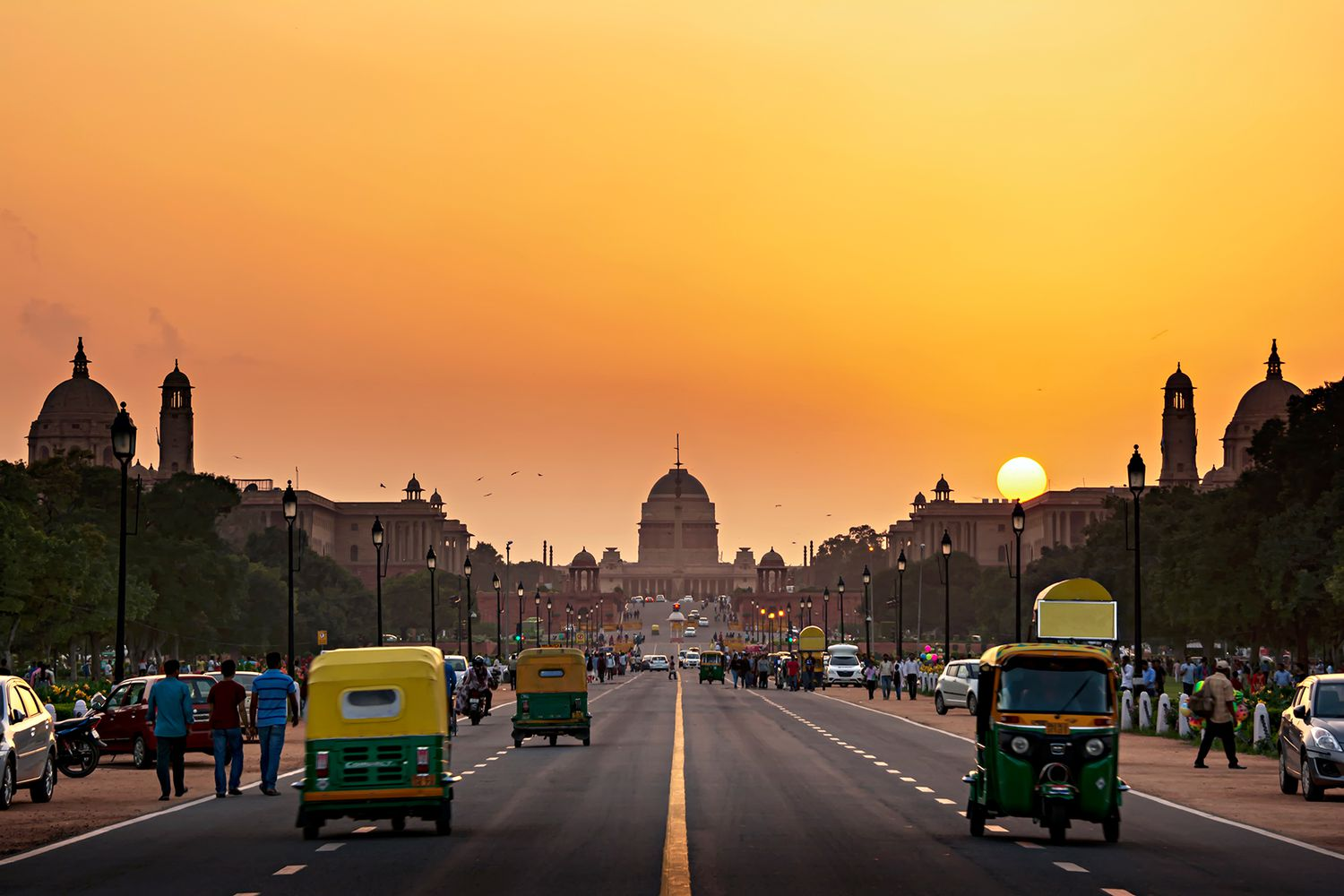
Major cities such as Mumbai and Delhi provide contemporary architecture, corporate districts, highways, and modern residential environments suited to lifestyle and luxury brand campaigns. These urban locations often serve as backdrops for technology, automotive, finance, and fashion advertisements.
Heritage environments also remain highly valuable for storytelling. Historic forts, palaces, and colonial-era buildings offer distinctive visual textures that advertising campaigns use to convey tradition, craftsmanship, or luxury. Meanwhile, coastal states such as Goa and Kerala provide tropical environments that suit tourism, wellness, and lifestyle narratives.
Natural landscapes further expand the visual palette available to advertisers. Deserts in Rajasthan, mountainous terrain in the Himalayas, and lush forests in southern India enable agencies to create visually diverse campaigns within a single country. Many of these environments are explored in a visual guide to prominent filming environments across the country, illustrating how India’s varied geography supports advertising productions seeking cinematic scale and visual versatility.
Filming Permissions and Regulatory Coordination for Ad Films
Advertising productions in India require structured coordination with multiple regulatory bodies before filming can begin. Commercial shoots often take place in highly visible public environments such as city streets, historical monuments, transportation hubs, beaches, and urban business districts. Each of these environments falls under different administrative jurisdictions, which means production teams must secure several approvals before bringing equipment and crew onto location.
Unlike controlled studio environments, advertising shoots frequently rely on real-world settings to achieve visual authenticity. This increases the importance of regulatory preparation. Permissions must be aligned with production schedules, safety requirements, and public access regulations. Any delay in approvals can affect shooting timelines, which is especially critical for commercial campaigns operating under compressed production schedules.
Because advertising productions often involve international agencies and brand teams, regulatory coordination must also account for equipment imports, drone operations, insurance documentation, and local compliance rules. These administrative steps are typically organized during the pre-production phase to ensure that filming activities proceed without interruption once the crew arrives on set.
Location fixers and production management teams play a key role in navigating these requirements. They identify which authorities must be approached, submit permit applications, coordinate inspections where required, and manage communication with government offices. Through this process, production teams maintain operational clarity while ensuring that filming activities remain compliant with regional regulations.

Permits Required for Commercial Filming in India
Commercial filming in India typically requires approvals from several administrative authorities depending on the nature and location of the shoot. Urban environments often require permissions from municipal corporations, local police departments, and traffic authorities. These approvals regulate road usage, crowd management, and public safety during filming activities.
When productions involve historical or protected locations, additional permits must be secured from heritage authorities. Sites managed by the Archaeological Survey of India or state heritage departments require formal applications that specify crew size, equipment types, filming duration, and the nature of production activity. These approvals ensure that filming does not damage protected monuments or disrupt public access.
Drone cinematography has also become common in advertising filmmaking. However, aerial filming requires compliance with aviation regulations. Production teams must secure drone permits, flight path clearances, and operational approvals from aviation authorities before conducting aerial photography. These permissions often require advance planning because applications must be submitted several days before filming.
For international production teams unfamiliar with India’s regulatory environment, the administrative process can appear complex. However, structured guidance exists through a detailed explanation of filming permissions and regulatory processes in India, which outlines how different authorities coordinate approvals for commercial film productions across the country.

Managing Legal Compliance and Location Contracts
Beyond regulatory permits, advertising productions must also establish clear legal agreements with property owners and location managers. Many commercial campaigns are filmed on privately owned properties such as hotels, office complexes, residential buildings, heritage estates, and industrial spaces. Each location requires a formal usage agreement that defines filming rights, access permissions, time restrictions, and compensation terms.
Location contracts typically specify several operational details. These include the number of crew members allowed on site, the type of equipment permitted, noise limitations, security requirements, and restoration responsibilities after filming concludes. Insurance documentation may also be required to protect property owners against accidental damage during production.
Legal compliance extends beyond property agreements. Productions must ensure that filming activities follow local labor regulations, safety protocols, and environmental guidelines. For example, shoots conducted in coastal areas, forests, or wildlife regions must comply with conservation regulations that restrict certain types of activity.
To simplify this process, many production teams rely on standardized documentation and regulatory checklists during pre-production planning. A helpful resource for international filmmakers preparing commercial shoots in the country is the production permit compliance checklist for international advertising filmmakers, which outlines the administrative steps required to secure permits, coordinate authorities, and maintain compliance throughout the filming process.

Production Logistics and Vendor Coordination for Advertising Shoots
Advertising film production requires careful logistical coordination long before cameras begin rolling. Commercial shoots operate within strict time constraints, often compressing complex filming requirements into one or two production days. Achieving this efficiency depends on precise organization of crews, equipment, transportation, and departmental workflows. Every operational component must be aligned with the shooting schedule so that production teams can move quickly between setups without delays.
Location fixers and production managers therefore play an essential role in designing logistical frameworks that support advertising filmmaking. They plan crew movements, identify staging areas for equipment, coordinate support services, and establish communication systems between departments. These preparations allow the production team to focus on creative execution while the operational structure ensures that each element of the shoot proceeds smoothly.
Logistics planning also becomes particularly important when productions involve multiple locations, large technical crews, or high-end equipment packages. Advertising shoots frequently rely on advanced camera systems, lighting rigs, grip equipment, and art department installations. Transporting, assembling, and operating this infrastructure requires coordination across several technical departments.
Effective logistics management ensures that all resources arrive at the correct location at the right time. By maintaining discipline within production schedules and managing on-ground coordination, production teams can complete commercial shoots efficiently while preserving both creative quality and operational control.

Crew Logistics and Production Scheduling
Crew coordination forms the backbone of successful advertising film production. Commercial shoots involve multiple specialized departments, including cinematography teams, lighting technicians, art direction units, wardrobe stylists, makeup artists, and production assistants. Each group must operate within a synchronized schedule so that filming can proceed without unnecessary downtime.
Production scheduling begins during the pre-production phase when the call sheet and shooting schedule are prepared. These documents outline the sequence of scenes, location transitions, crew call times, and equipment requirements for each setup. Advertising campaigns often require multiple visual environments in a single day, which means departments must move quickly between setups while maintaining production quality.
Transportation logistics also play a critical role in maintaining schedule discipline. Vehicles must be arranged to transport crew members, cast, and equipment between locations while accounting for traffic conditions and access restrictions. In dense urban environments, careful planning helps avoid delays that could disrupt filming windows.
Accommodation and catering arrangements are another important component of crew logistics. Production teams often begin work early in the morning and continue filming late into the evening. Providing reliable accommodation and on-site catering helps maintain crew efficiency and ensures that departments remain prepared throughout the shooting day.
Vendor Networks Supporting Advertising Film Production
Behind every commercial shoot lies an extensive network of vendors supplying equipment, technical services, and production infrastructure. Advertising campaigns often depend on specialized camera packages, lighting rigs, grip equipment, and art department resources. These materials must be sourced from trusted vendors capable of delivering reliable equipment within tight timelines.
Equipment rental companies provide the technical foundation of advertising filmmaking. Camera systems, lenses, stabilizing rigs, cranes, and lighting packages are typically sourced through professional rental houses that maintain industry-standard gear. Grip and rigging suppliers support complex camera movements and structural installations required for dynamic commercial visuals.
Art direction vendors also contribute significantly to advertising productions. Set builders, prop suppliers, and design teams help create environments that match the visual tone of a campaign. These departments collaborate closely with directors and production designers to transform locations into cinematic spaces suited to brand storytelling.
Regional vendor networks therefore become essential for efficient production. Local suppliers often provide faster turnaround times, logistical familiarity, and cost-effective solutions for equipment and services. The structured coordination between production teams and these vendor networks reflects the operational logistics frameworks used during active film production, where multiple departments collaborate to maintain smooth execution throughout the filming process.

Multi-Location Advertising Production Across India
Advertising campaigns frequently require multiple visual environments within a single production schedule. Commercial storytelling often moves rapidly between urban settings, natural landscapes, heritage architecture, and modern infrastructure to communicate different brand narratives. In many cases, these varied environments cannot be captured within a single city, which makes multi-location production an essential part of advertising filmmaking in India.
Executing campaigns across several regions introduces additional operational complexity. Production teams must coordinate travel logistics, move equipment safely between locations, and maintain continuity across multiple filming days. Advertising schedules remain tightly compressed, so delays in transportation, permits, or crew coordination can significantly affect production timelines.
Location fixers play a critical role in supporting these multi-location productions. They provide regional expertise, identify feasible shooting environments in different cities, and coordinate local logistics for each filming site. Their understanding of regional infrastructure, travel routes, and administrative procedures allows production teams to transition smoothly between locations.
Multi-location advertising campaigns also benefit from structured production planning. By coordinating schedules, transportation systems, and departmental workflows in advance, production teams can maintain efficiency while capturing diverse visual environments. This operational discipline allows commercial filmmakers to execute visually complex campaigns while preserving both creative flexibility and logistical control.

Coordinating Commercial Shoots Across Multiple Cities
Many advertising campaigns filmed in India span multiple cities or regions in order to capture diverse visual settings. A single commercial may require urban skylines, coastal environments, historic architecture, and rural landscapes. Moving between these environments requires careful logistical planning to ensure that the production schedule remains intact.
Equipment transportation becomes one of the most important considerations in multi-city shoots. Camera systems, lighting rigs, grip equipment, props, and wardrobe assets must be packed, transported, and reassembled efficiently at each new location. Production teams therefore coordinate transportation vehicles, cargo handling, and equipment staging areas well in advance of filming.
Crew movement must also be carefully scheduled. Cast members, technical departments, and support staff often travel together between cities while maintaining strict call times. Travel routes, accommodation arrangements, and arrival schedules must be aligned with shooting windows to avoid delays that could disrupt the production timeline.
Continuity management is another important factor. Advertising campaigns frequently involve multiple scenes that must appear visually consistent even though they are filmed in different regions. Directors, cinematographers, and art departments work closely with production teams to ensure that lighting, wardrobe, props, and environmental details remain consistent across locations.
Production Execution Systems Supporting Global Brand Campaigns
Large advertising campaigns often involve collaboration between international agencies, global brands, directors, and local production teams. These campaigns may span several cities within a country while remaining part of a broader international marketing strategy. Coordinating such productions requires structured operational systems capable of integrating multiple departments and regions.
Production execution systems help organize these complex operations. They define how crews are deployed across locations, how equipment movement is scheduled, and how departments coordinate with one another during filming. Through these systems, production teams maintain visibility over timelines, budgets, and logistical requirements throughout the campaign.
Cross-regional coordination also allows international agencies to work efficiently with local production partners. Location fixers and production managers facilitate communication between global creative teams and regional vendors, ensuring that brand requirements remain aligned with practical filming conditions.
These operational models are reflected in the systems used to coordinate production execution across multiple territories, which describe how large productions organize filming activities across different regions while maintaining centralized oversight. They also connect with the global architecture through which large productions distribute filming operations across regions, where international productions strategically route filming activities through multiple locations to achieve visual diversity and production efficiency.
Conclusion — Location Fixers Supporting Advertising Film Production in India
Advertising film production in India relies on a complex network of operational roles that ensure commercial campaigns can be executed efficiently. Among these roles, location fixers provide critical support by bridging the gap between creative vision and on-ground production realities. Their expertise allows advertising teams to navigate local regulations, identify suitable filming environments, and coordinate the logistical requirements necessary for successful commercial shoots.
India’s geographic diversity makes it a particularly attractive destination for advertising filmmakers. Within a single country, production teams can access metropolitan skylines, historical architecture, tropical coastlines, deserts, forests, and mountain landscapes. This variety enables agencies to create visually diverse campaigns without relocating production units across multiple international destinations.
However, capturing this diversity requires careful coordination. Permissions must be secured from regional authorities, equipment and crews must be transported efficiently, and filming schedules must remain synchronized across departments. Location fixers help manage these complexities by organizing local logistics, coordinating vendor networks, and ensuring that each filming environment is prepared for production activity.
Their work also supports broader production management structures. By collaborating with line producers, directors, and technical teams, fixers contribute to the operational systems that allow advertising campaigns to move smoothly from pre-production planning to final filming. As global brands continue to film advertising campaigns in India, experienced local production partners remain essential in delivering cinematic quality while maintaining control over time, cost, and operational execution.
