
A line producer Italy is the person who turns an international production’s plan into a delivered shoot on Italian soil, assembling the crew, securing the permits, booking studios and locations, importing equipment and holding the budget from pre-production through the audited wrap. Working alongside a film fixer in Italy, the line producer is the single point of accountability an incoming feature, series or commercial relies on to execute in a country it does not know from the inside.
Italy rewards productions that plan locally. The country pairs a 40% tax credit with Cinecittà, deep crews and a location range few markets match, but none of it is recovered without disciplined execution. A line producer Italy maps the shoot to the regions and studios that fit the script, structures the budget so the incentive is real, and runs the floor so the schedule holds when changes land.

What a Line Producer in Italy Does
The core role is execution and accountability. Where a production hiring separate vendors buys coordination risk, a line producer owns the whole chain: the recce that fixes locations, the crew that shoots them, the permits that clear them and the accounting that recovers the spend. The producer builds the crew to the format, books studio and backlot time against a busy calendar, consolidates camera, grip, lighting and transport through a coherent set of suppliers, and holds the schedule once the shoot is under way. On an Italian shoot, that discipline is also what keeps the eligible-spend record clean for the tax-credit claim, where the production qualifies.
The unit works across formats. A studio-based feature, a multi-location streaming series, a fast-turnaround commercial and a documentary each demand a different crew shape and vendor mix, and the production is built to the format rather than forced through a single template. For international units, the line producer also carries the machinery that makes a cross-border shoot run in Italy: equipment import, foreign-crew coordination, insurance to studio standards, and the permit and clearance tracks that sit alongside the shoot. The whole engagement can run through our film production services unit.
Recce, Schedule and Budget Control
The line producer’s remit runs from the first recce to the audited wrap. In pre-production that means the location and studio plan, the crew and vendor build, the shooting schedule and the qualifying-spend forecast that maps every cost head to its incentive eligibility. In production it means holding the schedule and the cost report day to day as changes land; at wrap it means the audit that turns the spend into a recovered credit. A line producer Italy owns all of it as one continuous plan rather than a set of handoffs.

Film Fixer Services in Italy
A film fixer in Italy holds the local relationships that a schedule runs on: the location owners and regional film commissions, the vetted crew and vendors, the municipal and heritage authorities, and the on-ground knowledge of what a location will actually support. Where the line producer is accountable for the whole budget and plan, the fixer is the local access layer, opening doors, scouting and securing sites, and solving the daily problems that would otherwise stall a foreign unit.
For productions that need location access above all, a commercial shooting across Rome and the Amalfi Coast, a series scouting Sicily, a documentary moving fast through the north, the fixer’s network turns a location wish-list into a shootable, permitted schedule. In practice the two roles work as one unit: the fixer secures and the line producer budgets, schedules and delivers.
Location Scouting and Regional Access
Scouting is where a fixer earns their place. Italy’s locations sit across twenty regions, most with their own film commission and, in many cases, a regional fund, with permits issued by the relevant municipal, heritage, park or other authority, and a fixer’s standing relationships with those bodies and with private location owners turn a director’s wish-list into a shortlist that can actually be shot, permitted and budgeted. The fixer tests access, power, light and logistics at each option before the location is locked, so the schedule is built on what the site will support rather than on a photograph.
On-Ground Liaison and Problem-Solving
Once the shoot is running, the fixer is the local problem-solver: the last-minute permit variation, the road closure, the heritage-site condition, the vendor who needs chasing. For a foreign unit that does not speak the language or know the local system, that liaison is the difference between a day held and a day lost, and it is why the fixer and the line producer operate as one accountable team rather than two contracts.
Regional Specialists: How North and South Italy Differ
A fixer’s real value in Italy is regional, and this is where the north and the south genuinely differ. Most regions have their own film commission, funds vary from region to region, and permits are issued by a mix of authorities, municipalities, heritage bodies, parks, police and others depending on the location. A fixer earns their place through years of local relationships rather than a national directory. It is why productions increasingly ask for film fixers in southern Italy or film fixers in northern Italy specifically: a Sicily or Puglia specialist and a Piedmont or Veneto specialist are not interchangeable. We field region-specialist fixers for both halves of the country under one accountable unit, so a production gets genuine local mastery in each region without managing a set of separate contracts.
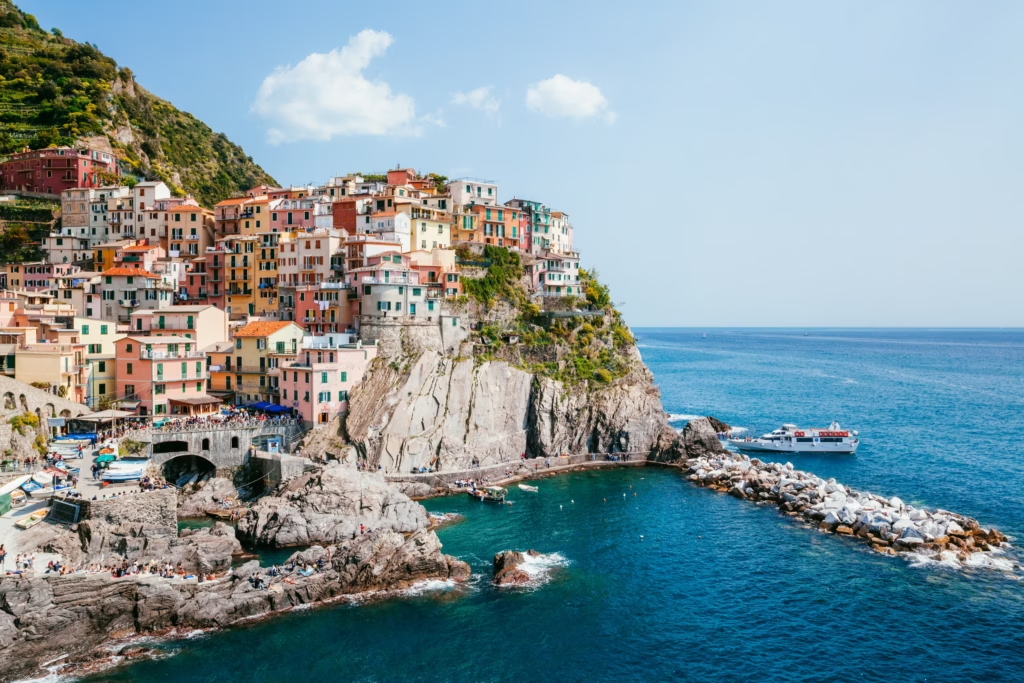
In the south, the Mezzogiorno, the fixer’s world is heritage, coast and character. Puglia offers the trulli of Alberobello, Lecce and the Salento coast; Basilicata brings Matera, whose sassi and Murgia have doubled for ancient Jerusalem in No Time to Die, The Passion of the Christ and Ben-Hur; Campania adds Naples, the Amalfi Coast, Pompeii and Capri; Sicily brings Taormina, Etna and the Valley of the Temples; and Calabria the Tyrrhenian coast. The mastery here is heritage-site access and the southern regional permit systems.
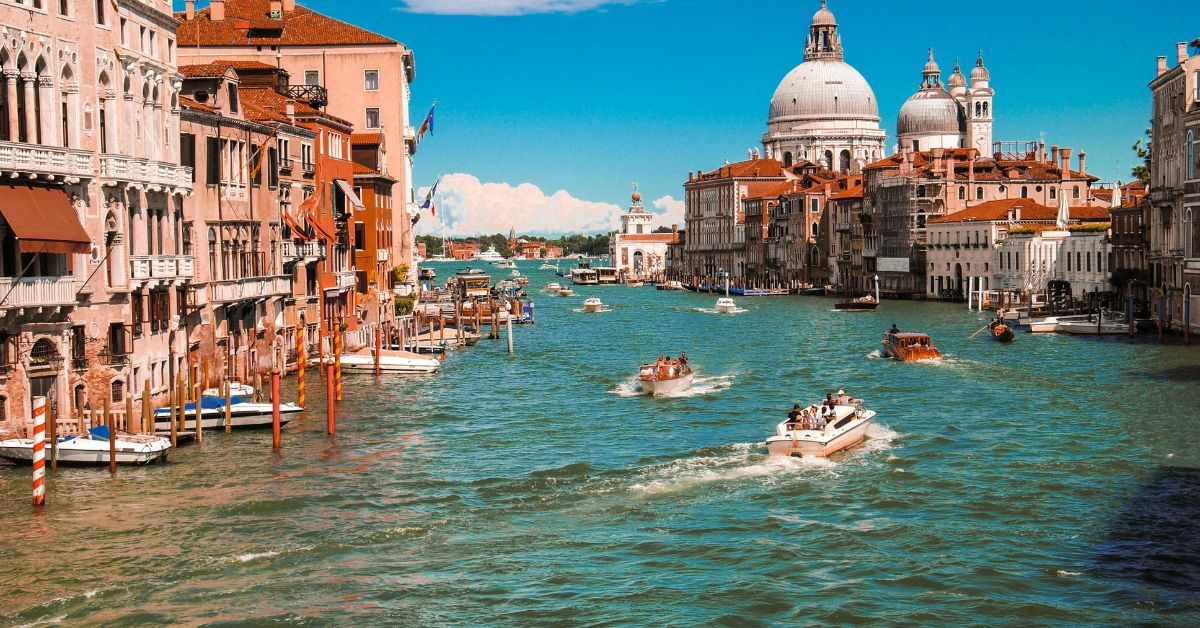
In the north the fixer’s world is cities and studios. Turin and Piedmont pair architecture with the Alps; Lombardy brings Milan and Lake Como; Veneto has Venice and Verona; Emilia-Romagna adds Bologna and the Adriatic; and Trentino-Alto Adige the Dolomites, with Turin operating its own studio base. In central Italy, Tuscany brings Florence, Siena and the Val d’Orcia, while Rome and its Cinecittà studios in Lazio remain the national studio anchor that many shoots build around. The mastery across these regions is city and studio access and coordinating several commissions at once.

Crew, Studios and Equipment
Italy’s crew base is deep and internationally experienced. Rome and Milan carry the largest pools of heads of department, camera, grip, art, costume, construction, accustomed to studio-standard safety, digital workflows and the documentation demands of a tax-credit production, and Italian crews work comfortably alongside a visiting English-speaking core team. Cinecittà in Rome anchors the studio base with sound stages, backlots and a standing Ancient Rome set, while Turin operates its own studio base and the regional commissions maintain crew and vendor databases a line producer draws on.
Equipment rental infrastructure is mature in Rome, Milan and the regional hubs, professional camera systems, lighting and grip packages, cranes and specialty vehicles are available locally, which can both lower cost and keep more of the spend eligible under the applicable credit rather than importing on carnet. Where a production needs a specialist unit for underwater, aerial or complex stunts, the wider European corridor supplies it, coordinated through our Europe line producer network.
Languages and Working Culture
Italian department heads work routinely with visiting English-speaking teams, and the country’s long production history and film schools keep the talent pipeline deep across every department. For an incoming production that means a crew which integrates with a visiting core team quickly rather than one that has to be managed around a language or process gap, and on commercials and branded content, the same base supports fast-turnaround shoots without the lead times a feature demands.
On the floor, the line producer sits above and coordinates the key production roles a visiting team relies on: the first assistant director who runs the shooting day, the unit production manager who controls logistics and the daily budget, the production coordinator who holds the office and paperwork, and the location manager who delivers each site to spec. A visiting production can bring its own heads of department and slot them onto an Italian crew built and managed around them, with the line producer as the single interface between the international team and the local unit.
Locations and Regional Access
Italy’s location range is among the widest in Europe, and a line producer plans the schedule around the regions that fit the script and the film commissions that support them. Rome and Lazio combine the Colosseum, the Vatican and the historic centre with Cinecittà’s stages; Tuscany brings Florence, Siena and the Val d’Orcia; the south offers Sicily’s Taormina and baroque towns, the Amalfi Coast, Naples and Matera’s ancient stone city; and the north supplies Venice, Lake Como, Milan and the Dolomites.
What makes this practical is regional access. Film-commission coverage and regional support vary from region to region, with permits issued by the relevant municipal, heritage or other authority, and a fixer’s standing relationships with those bodies and with local location owners are what turn a scattered location plan into a permitted, schedulable shoot. A line producer sequences the regions so that eligible Italian spend is structured and documented for the applicable credit across a multi-region schedule, where the production qualifies.
Basing and Multi-Region Scheduling
Most Italian shoots run from a base, usually Rome for its studio and crew depth, with location legs to Tuscany, the south or the north sequenced around cast availability, travel and weather. A line producer plans that basing so equipment and crew move efficiently between regions rather than doubling back, and so each leg’s spend is coded to the region and fund that applies. For a series or a feature touching several regions, that scheduling discipline is where a national unit outperforms a set of city-by-city vendors.
Permits, Carnet and Logistics
Permits in Italy run through municipal and regional authorities and the heritage bodies that govern protected monuments, coordinated by the line producer alongside the shooting schedule so location-lock dates are realistic rather than optimistic. For international units, temporary equipment importation is commonly handled on an ATA carnet, which covers the kit’s temporary entry but does not replace filming permits or immigration and work authorisation. The exact requirements depend on nationality, the origin of the equipment and how the production is structured, so customs clearance and crew mobilisation are planned into the schedule rather than left to hold it up.
Logistics across a multi-region Italian schedule, the transport corridors, accommodation blocks and equipment moves between Rome, the south and the north, are planned as one picture, which is where a single accountable unit outperforms a chain of city-by-city vendors. Insurance is placed to the requirements agreed with the insurer, financier or completion-bond provider, and the permit calendar for heritage and municipal locations is built with realistic lead times.
Insurance, Safety and Risk
A line producer places production insurance to the requirements agreed with the insurer, financier or completion-bond provider, runs the on-set safety protocols the crews are accustomed to, and builds contingency for the risks an Italian schedule carries, heritage-site restrictions, seasonal weather across regions, and the lead times that sensitive or restricted locations require. Managing that risk in pre-production, rather than discovering it on the day, is part of what keeps the shoot on budget.

Formats: Features, Series, Commercials and Documentaries
The service flexes to the project. A studio feature draws on Cinecittà’s stages and a full crew across a long schedule; a streaming series balances studio and multi-region location work and needs the qualifying-spend record kept clean across every leg; a documentary needs a lean, mobile unit that moves fast through difficult locations; and a premium commercial or fashion shoot runs a compressed cycle against the same vendor base, often in Milan or on an iconic exterior.
In each case the line producer builds the unit to the format rather than forcing the project through a single template, and keeps the eligible-spend documentation in order regardless of scale. Eligibility itself depends on the production, the spend threshold and the Italian applicant structure rather than shoot duration, which is why it is planned from the first budget draft. Matching the crew shape, schedule and vendor mix to the format is where an experienced Italian line producer protects the budget.
Cost Control on the Floor
Beyond structuring the incentive, the line producer runs the day-to-day cost control that keeps an Italian shoot on budget: a live cost report against the schedule, purchase orders coded to their spend category as they happen, and early flags when a location overrun or a weather day threatens the plan. Italy’s base costs sit above Europe’s value belt, so disciplined cost management on the floor, not just the headline credit, is what delivers a competitive net figure. The same running record is what makes the tax-credit claim audit-ready rather than reconstructed at wrap.
The 40% Tax Credit and Budget Engineering
Italy’s 40% tax credit is a major reason productions consider the country, and a line producer builds it into the budget from the first day rather than chasing it after wrap. The credit applies at 40% on qualifying expenditure incurred in Italy for eligible foreign productions, with 30% for certain above-the-line costs involving non-EEA talent. It is claimed by an eligible Italian executive-production or post-production company, not automatically by the foreign producer, and it is a tax offset rather than a guaranteed cash payment, subject to current rules, documentation and approval. The parameters, including the €250,000 minimum eligible cost, the €20 million annual limit per company and the cultural test, and the availability and cumulation of any regional support, must be checked project by project, and are set out in our guide to the Italy film tax credit. In execution terms, the line producer’s job is to structure and document eligible Italian spend so the credit is claimed cleanly by the Italian applicant where the production qualifies.
That budget discipline also connects to the wider European picture: how Italy’s credit compares with its neighbours across the continent is set out in our European film rebates and tax incentives hub, which a production weighing territories can read alongside the Italian numbers.

Why Hire a Local Line Producer and Film Fixer in Italy
The value of a local line producer and film fixer in Italy is that the incentive, the permits, the crew and the locations are one process rather than four contracts. The producer who sequences the studio window protects the qualifying-spend split; the fixer who secures the Amalfi location knows what it will support; the accountant evidencing eligibility works to conditions the floor team has to hit. Split across separate vendors, those dependencies break and the cost shows up as lost recovery and stalled schedules.
The Execution Workflow, Brief to Rebate
- Initial brief and feasibility
- Script review and breakdown
- Location recce and access check
- Budget and qualifying-spend forecast
- Crew build and vendor selection
- Permit and co-production schedule
- Production and on-set cost control
- Daily cost reports against the schedule
- Wrap and audit preparation
- Tax-credit claim and recovery
Planning a feature, series, documentary or commercial in Italy? A line producer and film fixer engaged early, before locations are locked and vendor contracts signed, is what turns the 40% headline and the country’s location range into a delivered shoot on budget. A location and studio plan, a permit schedule and a tax-credit budget before pre-production begins are the starting point.
Line Producer and Film Fixer in Italy: Frequently Asked Questions
What does a line producer in Italy do?
A line producer in Italy runs the physical execution of a shoot, crew hiring, permits, studio and location booking, equipment import, budgeting and the accounting that recovers the tax credit, as the single point of accountability for delivering the production on schedule.
What is the difference between a line producer and a film fixer in Italy?
The line producer is accountable for the whole budget, schedule and delivery; the film fixer is the local access layer, securing locations and permits, holding relationships with regional film commissions, crew and vendors. On most shoots they work as one unit.
Do foreign productions need a line producer in Italy?
A local line producer is typically engaged for professional international shoots. It structures the eligible-spend budget, secures municipal, regional and heritage permits, assembles the crew and manages the logistics that a foreign unit cannot easily run from outside the country.
Where can you film in Italy?
Rome and Cinecittà for studio and historic work, Tuscany for period landscapes, Sicily, the Amalfi Coast, Naples and Matera in the south, and Venice, Lake Como and the Dolomites in the north, each with its own regional film commission.
How does the Italian tax credit affect the budget?
The 40% credit is built into the budget from pre-production. It is claimed by an eligible Italian executive-production or post-production company and is a tax offset rather than a guaranteed payment, subject to current rules and approval; the full structure is covered in our Italy film tax credit guide. The line producer’s role is to structure and document the eligible Italian spend so the credit is claimed cleanly where the production qualifies.
Can a line producer in Italy handle commercials and streaming series?
Yes. The same unit runs studio features, multi-region streaming series, documentaries and fast-turnaround commercials, building the crew and schedule to the format while keeping the qualifying-spend record clean.
How early should I engage a line producer in Italy?
As early as the location and budget planning stage. The tax credit, the permits and the qualifying-spend structure are all decided in pre-production, so a line producer engaged before locations are locked recovers materially more than one brought in once the shoot is fixed.
Do you provide location scouting and permits across all of Italy?
Through the regional film commissions and our vetted regional partner network, scouting, location access and municipal, regional and heritage permits are handled across Rome, Tuscany, the south and the north as one coordinated plan, subject to availability.
Can a line producer in Italy arrange studios and equipment?
Yes. Studio and backlot booking at Cinecittà, Turin and other facilities, plus camera, lighting, grip and specialist equipment from local rental houses, are part of the service, sourced locally to keep spend inside the qualifying base wherever possible.
Which regions of Italy do you cover for production?
We cover the main production regions through the regional film commissions and our vetted partner network, subject to availability: Rome and Lazio, Tuscany and central Italy, Sicily, Campania and the south, and Venice, Lombardy, Piedmont and the Dolomites in the north, each planned with the support and permit process that applies there.
Can you hire local Italian crew while bringing an international HOD team?
Yes, that is the most common model. A visiting production brings its key heads of department and the line producer builds the rest of the unit from Italy’s deep local crew base around them, managing the interface so the international and Italian teams work as one. Sourcing the crew locally also keeps that spend inside the qualifying base for the tax credit.
