
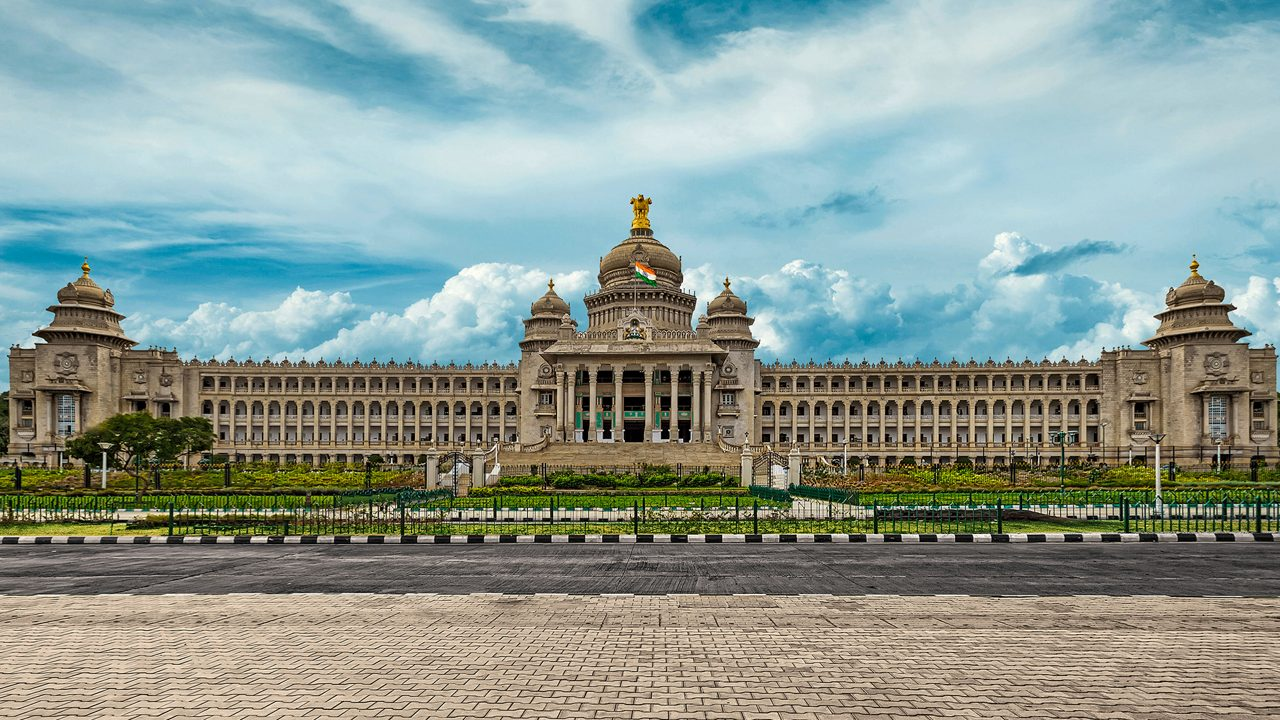
On-Ground Execution, Filming Realities & Location Fixing
A Line Producer Bengaluru functions as the operational backbone of any shoot in the city or across Karnataka. Their responsibility begins long before the camera rolls and continues until the final wrap.
Bengaluru may be globally recognised as India’s technology capital, but for filmmakers, it offers something equally compelling—a rare mix of modern cityscapes, lush natural surroundings, and production-ready infrastructure. From slick corporate films to indie features and OTT series, filming in Bengaluru has quietly become a preferred choice for productions that need flexibility without visual compromise.
A lesser-known fact is that several large-scale Indian productions have used Bengaluru not just as a backdrop, but as a multi-location stand-in—urban streets doubling for international cities, nearby hills replacing Himalayan foothills, and studios handling complex indoor builds. This versatility is exactly why the role of a Line Producer in Bengaluru has become increasingly critical.
A line producer is the person who ensures the shoot actually works. While directors focus on storytelling and actors on performance, the line producer manages day-to-day logistics—budgets, crew, locations, permissions, schedules, transport, and crisis control. In a city like Bengaluru, where traffic, weather, and jurisdictional rules can change quickly, this role becomes central to production success.
This article series explains how line production works in Bengaluru, what makes the city film-friendly, how fixers in Bengaluru support location-based shoots, and why local expertise matters more here than most first-time producers expect. This service operates within India’s nationwide line production network, coordinated across regional hubs and locally embedded execution teams.
The Role of a Line Producer in Bengaluru
Core Responsibilities on Bengaluru-Based Productions
A line producer typically oversees:
- Budget planning and daily cost control
- Hiring local crew and department heads
- Location scouting and coordination
- Managing permissions and authorities
- Scheduling shoot days around city constraints
- Transport, accommodation, and catering
- Coordinating studio and outdoor shoots
- Handling last-minute changes and risk mitigation
In Bengaluru, these responsibilities are shaped by urban density, weather variability, and multi-jurisdiction permissions, making local knowledge indispensable.
What Makes Bengaluru-Specific Line Production Different
Unlike legacy film cities where everything revolves around one studio ecosystem, Bengaluru operates as a hybrid production environment.
Key city-specific advantages include:
- Easy access to post-production and tech talent, thanks to the city’s IT and startup ecosystem
- Availability of young, trained crew from media schools and film institutes
- Strong documentary, ad film, and OTT talent base
- Quick access to nature—hills, forests, lakes—within 1–3 hours of the city
A line producer in Bengaluru often bridges creative ambition and operational reality, ensuring that directors get visual variety without logistical overload.
Filming in Bengaluru: Urban Scale Meets Natural Depth
Filming in Bengaluru offers filmmakers a rare advantage: the ability to move from a high-tech cityscape to green, cinematic environments in the same shooting schedule.
Urban Filming Capabilities
Bengaluru’s city zones are often used for:
- Corporate and tech-driven narratives
- Contemporary dramas
- Start-up, IT, and global city visuals
- Government and institutional scenes
Areas commonly scouted include:
- Central business districts
- IT parks and modern office campuses
- Metro stations and elevated corridors
- Residential layouts with global aesthetics
A local line producer understands which zones are shoot-friendly, which require extended permissions, and which are best avoided during peak hours.

Nature & Peripheral Locations Near Bengaluru
Within a short driving radius, filmmakers gain access to:
- Hill viewpoints and sunrise locations
- Forest-edge roads and countryside visuals
- Lakes, farmlands, and old temples
- Coffee estates and misty landscapes (day trips or short schedules)
This proximity allows productions to stack locations efficiently, something that only experienced Bengaluru line producers plan effectively.
The Role of a Fixer in Bengaluru
While the line producer manages the big picture, a Fixer in Bengaluru handles ground-level coordination—especially for location-heavy or fast-moving shoots.
What a Fixer Actually Does
A fixer typically supports with:
- Local access and introductions
- Community coordination
- Managing local vendors and contacts
- Real-time problem solving on location
- Liaising with police, residents, or authorities
In Bengaluru, fixers are particularly useful for:
- Street shoots
- Residential layouts
- Small commercial or documentary crews
- Last-minute location substitutions
A good fixer helps avoid delays caused by misunderstandings, local resistance, or administrative confusion.
Fixer vs Line Producer: How They Work Together
- The line producer plans and authorises
- The fixer executes and adapts on the ground
On complex shoots, both roles operate together—especially when navigating Bengaluru’s mixed residential, commercial, and institutional zones.
Challenges a Line Producer Solves in Bengaluru
Every city has its quirks. Bengaluru’s are well known—but manageable with the right planning.
Traffic & Time Management
Peak-hour congestion can derail schedules if not anticipated. Experienced line producers:
- Schedule outdoor shoots early morning or late night
- Cluster locations geographically
- Build buffer time into call sheets
Weather Shifts
Sudden rain, especially outside peak summer, can disrupt outdoor shoots. Line producers often:
- Maintain indoor backup locations
- Use studios or covered sets
- Adjust shot lists dynamically
Location Restrictions
Some parks, public spaces, and tech campuses have strict filming rules. When access becomes difficult, line producers pivot to:
- Private alternatives
- Controlled studio builds
- Look-alike locations within Karnataka
Why Hiring a Local Line Producer in Bengaluru Matters
For productions unfamiliar with the city, hiring an external producer without local support often leads to:
- Permission delays
- Inefficient location choices
- Budget overruns
- Schedule compression
A Line Producer Bengaluru brings:
- Pre-existing relationships
- Location intelligence
- Cost realism
- Risk anticipation
What to Look for When Hiring
When choosing a line producer in Bengaluru, ask:
- Have they handled similar-scale projects?
- Do they regularly work across Karnataka?
- Can they recommend fixers and local vendors?
- How do they manage last-minute changes?

Why Bengaluru Continues to Attract Productions
Bengaluru’s appeal lies in its balance:
- Urban without being overwhelming
- Green without being remote
- Professional without being rigid
For filmmakers, this balance translates into creative freedom supported by practical execution—exactly where a skilled line producer makes the difference.
Filming in Bengaluru: Location Fixing Strategy and Regional Planning
When filmmakers think about filming in Bengaluru, they often imagine only glass buildings and tech parks. However, in practice, the city and its surrounding regions offer far more visual depth. Therefore, a strong Line Producer in Bengaluru approaches the city not as a single location, but as a multi-zone filming hub.
Moreover, Bengaluru’s greatest strength lies in how quickly productions can move between urban, semi-urban, and natural environments. As a result, location fixing here is less about finding one perfect spot and more about designing an efficient location flow.
How Line Producers Approach Location Fixing in Bengaluru
A Fixer in Bengaluru works closely with the line producer during pre-production. First, they break the script into visual zones. Then, they match each zone with practical, shoot-friendly locations. Finally, they identify alternatives in case permissions or conditions change.
Therefore, location fixing in Bengaluru usually follows a layered strategy:
- Primary location (first choice)
- Secondary alternative within the city
- Tertiary backup outside the city
This system ensures that schedules remain intact even when unexpected restrictions arise.
Urban Locations in Bengaluru: Practical Use Cases
Central Business and Institutional Zones
Central Bengaluru offers colonial-era buildings, wide roads, and administrative architecture. Consequently, these areas are commonly used for:
- Government scenes
- Corporate dramas
- Newsroom or investigative narratives
However, these zones also come with tighter controls. Therefore, line producers often schedule such shoots on weekends or during early mornings. Moreover, fixers help coordinate with local authorities to manage crowd movement efficiently.
IT Corridors and Modern Campuses
Areas like Whitefield and Outer Ring Road provide:
- Glass-heavy skylines
- Global office aesthetics
- Controlled private campuses
As a result, these locations are frequently used to double for international cities. Furthermore, permissions are often simpler because many campuses are privately owned. Therefore, line producers favour them for fast-paced commercial and OTT shoots.
Green Pockets and Lakes Within the City
Despite its growth, Bengaluru still retains several green pockets. Consequently, these areas allow filmmakers to capture nature without leaving the city.
Common uses include:
- Romantic sequences
- Reflective character moments
- Morning montage shots
However, some parks restrict filming activity. Therefore, fixers often recommend visually similar alternatives or private estates when access becomes difficult.

Moving Beyond the City: 1–3 Hour Radius Locations
One of the biggest advantages of filming in Bengaluru is proximity. Within a few hours, productions can access dramatically different landscapes. As a result, line producers routinely plan multi-day schedules that move outward from the city.
Rocky Landscapes and Open Terrains
Areas like Ramanagara offer rugged rock formations and open terrain. Therefore, they are widely used for:
- Action sequences
- Training montages
- Rural stand-ins
Moreover, travel time is manageable, which allows crews to return to the city the same day. Consequently, accommodation costs stay under control.
Hills, Mist, and Sunrise Locations
Hill locations near Bengaluru are popular for emotional and atmospheric scenes. However, access windows are often time-bound. Therefore, line producers plan:
- Early call times
- Minimal crew setups
- Backup weather days
As a result, these locations deliver high cinematic value with minimal disruption.
Extended Karnataka Locations Often Planned from Bengaluru
Although this article focuses on Bengaluru, many shoots extend into Karnataka. Consequently, Bengaluru functions as the operational base, while filming spreads outward.
Common extensions include:
- Coffee estates in Coorg for romance or travel narratives
- Historic ruins for period sequences
- Coastal zones for lifestyle and musical content
Therefore, an experienced line producer plans transport, accommodation, and call sheets with regional logic, not city limits.
The Role of Fixers in Location-Heavy Shoots
A Fixer in Bengaluru becomes essential when:
- Locations are spread across districts
- Local communities are involved
- Shoots happen in semi-rural zones
In such cases, fixers:
- Coordinate with village heads
- Manage local vendors
- Handle real-time problem solving
As a result, productions avoid delays caused by cultural misunderstandings or access issues.
Location Fixing Challenges Unique to Bengaluru
Traffic and Timing Conflicts
Bengaluru traffic patterns change rapidly. Therefore, line producers:
- Avoid cross-city travel during peak hours
- Cluster locations geographically
- Build realistic buffer times
As a result, the shoot remains efficient even in dense zones.
Rapid Urban Change
Construction and roadwork can appear suddenly. Consequently, fixers frequently:
- Re-scout locations close to shoot dates
- Maintain updated photo references
- Secure alternate streets in advance
Weather Variability
Unexpected rain can disrupt outdoor schedules. Therefore:
- Indoor alternatives are always identified
- Shot lists are prioritised by weather sensitivity
- Studios are kept on standby
Why Local Knowledge Matters More Than Location Lists
While online databases list many Bengaluru locations, real-world filming success depends on ground intelligence. Therefore, a Line Producer Bengaluru relies on:
- Personal scouting experience
- Relationships with property owners
- Understanding of local sentiment
Consequently, the production gains not just access, but cooperation.
Practical Advice for Producers Planning Bengaluru Shoots
Before locking locations, producers should:
- Ask about travel times at shoot hours
- Understand access restrictions clearly
- Confirm backup options
- Budget for flexibility
Moreover, working with a local line producer and fixer reduces friction significantly. Ultimately, this translates into smoother days and fewer compromises.

Permissions, Regulations, and Administrative Workflow for Filming in Bengaluru
For any production planning filming in Bengaluru, permissions are not a formality—they are a structural necessity. Therefore, understanding how approvals actually work on the ground becomes just as important as choosing the right locations. Moreover, unlike smaller towns where authority lines are simple, Bengaluru operates under multiple overlapping jurisdictions. As a result, a Line Producer in Bengaluru plays a critical role in navigating this complexity.
While rules are clearly documented in theory, execution depends heavily on interpretation, timing, and coordination. Consequently, productions that rely solely on online information often face avoidable delays. In contrast, teams supported by experienced line producers and fixers move faster and with fewer disruptions.

Key Authorities Involved in Filming in Bengaluru
Before applying for permissions, it is important to understand who controls what. Therefore, line producers begin by mapping locations against the relevant authorities.
Primary Administrative Bodies
For most shoots in Bengaluru, permissions may involve:
- City-level film facilitation portals
- Local police departments for public spaces
- Municipal corporations for roads and civic areas
- Transport authorities for traffic control
- Property owners for private locations
Additionally, if filming extends beyond city limits, district administrations across Karnataka may also be involved.
Because of this layered structure, line producers rarely apply sequentially. Instead, they pursue parallel approvals, which significantly reduces turnaround time.
General Permission Workflow: Step-by-Step
Although each project differs, the core process for filming in Bengaluru typically follows a predictable pattern. Therefore, understanding this workflow helps producers plan realistic timelines.
Step 1: Script and Location Breakdown
First, the line producer breaks the script into:
- Interior vs exterior scenes
- Public vs private locations
- Sensitive vs non-sensitive content
This step is crucial because it determines which authorities need to be approached. Moreover, it helps identify potential red flags early.
Step 2: Online Application and Documentation
Next, applications are submitted through official channels. Typically required documents include:
- Production details and contact information
- Brief synopsis or scene descriptions
- Location lists with dates and timings
- Crew size and equipment details
Although the process is online, follow-ups are usually offline. Therefore, fixers often assist by tracking application status and flagging issues early.
Step 3: Departmental Clearances
Depending on locations, additional approvals may be needed from:
- Traffic police for road usage
- Metro authorities for station or train shots
- Parks and civic bodies for green spaces
Because each department has its own processing pace, coordination becomes critical. Consequently, line producers stagger shoot dates to align with approvals rather than forcing rigid schedules.
Step 4: On-Ground Intimation and Coordination
Even after approvals are granted, on-ground intimation remains essential. Therefore, fixers:
- Inform local police stations
- Brief security staff
- Coordinate with nearby residents or offices
This final step often determines whether a shoot runs smoothly or faces resistance.

Timelines: What Producers Should Realistically Expect
Although timelines vary, certain patterns are consistent. Therefore, planning with realistic buffers is essential.
Typical approval timelines:
- Small crew, private property: 5–7 working days
- Public streets or parks: 10–15 working days
- Sensitive or high-footfall areas: 15–21 working days
However, timelines can extend due to:
- Festival periods
- Election-related restrictions
- Sudden civic directives
As a result, experienced line producers always maintain backup locations and flexible call sheets.
Common Rules and Restrictions During Filming
Understanding rules is not just about compliance—it is about avoiding last-minute surprises. Therefore, line producers brief directors and assistant directors early.
Crowd and Public Movement
In public spaces:
- Crowd interaction is regulated
- Blocking public access requires coordination
- Noise levels are monitored
Therefore, many productions opt for early-morning shoots. Additionally, fixers help manage local expectations to prevent interruptions.
Equipment and Setup Limitations
Certain areas restrict:
- Heavy lighting rigs
- Drones or elevated platforms
- Large generators
As a result, line producers often redesign setups using:
- Smaller, mobile units
- Battery-powered lighting
- Indoor substitutes
Time-of-Day Restrictions
Many public locations permit filming only during specific hours. Therefore:
- Night shoots require special coordination
- Early morning slots are prioritised
- Extended hours are rarely granted
Consequently, efficient shot planning becomes essential.
Heritage, Religious, and Sensitive Locations
Although Bengaluru is a modern city, it includes several heritage structures and religious spaces. Therefore, additional care is required.
Religious Sites
Filming near temples or religious gatherings often involves:
- Content sensitivity checks
- Time restrictions
- Community coordination
As a result, fixers play a key role in building trust and ensuring respectful execution.
Older Structures and Landmarks
For older buildings:
- Structural safety is prioritised
- No physical alterations are allowed
- Crew movement may be restricted
Therefore, line producers often plan minimal-footprint shoots at such locations.
Managing Last-Minute Changes and Restrictions
Despite careful planning, unexpected changes do occur. However, this is where local expertise makes the biggest difference.
Sudden Restrictions
Occasionally, permissions may be revised due to:
- Political events
- Public safety advisories
- Weather-related alerts
When this happens, line producers immediately:
- Activate alternate locations
- Reschedule scenes
- Adjust shot lists
As a result, productions continue without major losses.
Community Resistance
Sometimes, residents object despite approvals. Therefore, fixers:
- Mediate with locals
- Explain timelines clearly
- Offer reassurance
Consequently, tensions are resolved without escalation.
Why Fixers Are Critical in the Permissions Phase
While paperwork secures legal approval, ground acceptance ensures execution. Therefore, a Fixer in Bengaluru becomes indispensable during the shoot phase.
Fixers assist by:
- Translating administrative intent into local action
- Managing expectations of security staff
- Handling small disputes before they grow
As a result, the production gains cooperation rather than mere compliance.
Mistakes First-Time Producers Often Make
Despite good intentions, first-time teams often:
- Underestimate approval timelines
- Apply too late
- Ignore on-ground coordination
- Assume permissions guarantee access
Therefore, working with a seasoned Line Producer Bengaluru prevents these costly errors.
Practical Checklist: Permissions Readiness
Before locking shoot dates, ensure:
- All approvals are received in writing
- Copies are shared with department heads
- On-ground contacts are briefed
- Backup locations are confirmed
Moreover, always reconfirm permissions closer to the shoot date.
Why Bengaluru Requires a Thoughtful Permissions Strategy
Bengaluru is film-friendly, but not casual. Therefore, success depends on planning depth, local understanding, and adaptability. While rules exist to manage public order, they also leave room for professional execution when handled correctly.
Ultimately, productions that respect the system—and work with experienced local partners—find Bengaluru surprisingly efficient.
Permissions, Regulations, and Administrative Workflow for Filming in Bengaluru
For any production planning filming in Bengaluru, permissions are not a formality—they are a structural necessity. Therefore, understanding how approvals actually work on the ground becomes just as important as choosing the right locations. Moreover, unlike smaller towns where authority lines are simple, Bengaluru operates under multiple overlapping jurisdictions. As a result, a Line Producer in Bengaluru plays a critical role in navigating this complexity.
While rules are clearly documented in theory, execution depends heavily on interpretation, timing, and coordination. Consequently, productions that rely solely on online information often face avoidable delays. In contrast, teams supported by experienced line producers and fixers move faster and with fewer disruptions.
Key Authorities Involved in Filming in Bengaluru
Before applying for permissions, it is important to understand who controls what. Therefore, line producers begin by mapping locations against the relevant authorities.
Primary Administrative Bodies
For most shoots in Bengaluru, permissions may involve:
- City-level film facilitation portals
- Local police departments for public spaces
- Municipal corporations for roads and civic areas
- Transport authorities for traffic control
- Property owners for private locations
Additionally, if filming extends beyond city limits, district administrations across Karnataka may also be involved.
Because of this layered structure, line producers rarely apply sequentially. Instead, they pursue parallel approvals, which significantly reduces turnaround time.
General Permission Workflow: Step-by-Step
Although each project differs, the core process for filming in Bengaluru typically follows a predictable pattern. Therefore, understanding this workflow helps producers plan realistic timelines.
Step 1: Script and Location Breakdown
First, the line producer breaks the script into:
- Interior vs exterior scenes
- Public vs private locations
- Sensitive vs non-sensitive content
This step is crucial because it determines which authorities need to be approached. Moreover, it helps identify potential red flags early.
Step 2: Online Application and Documentation
Next, applications are submitted through official channels. Typically required documents include:
- Production details and contact information
- Brief synopsis or scene descriptions
- Location lists with dates and timings
- Crew size and equipment details
Although the process is online, follow-ups are usually offline. Therefore, fixers often assist by tracking application status and flagging issues early.
Step 3: Departmental Clearances
Depending on locations, additional approvals may be needed from:
- Traffic police for road usage
- Metro authorities for station or train shots
- Parks and civic bodies for green spaces
Because each department has its own processing pace, coordination becomes critical. Consequently, line producers stagger shoot dates to align with approvals rather than forcing rigid schedules.
Step 4: On-Ground Intimation and Coordination
Even after approvals are granted, on-ground intimation remains essential. Therefore, fixers:
- Inform local police stations
- Brief security staff
- Coordinate with nearby residents or offices
This final step often determines whether a shoot runs smoothly or faces resistance.
Timelines: What Producers Should Realistically Expect
Although timelines vary, certain patterns are consistent. Therefore, planning with realistic buffers is essential.
Typical approval timelines:
- Small crew, private property: 5–7 working days
- Public streets or parks: 10–15 working days
- Sensitive or high-footfall areas: 15–21 working days
However, timelines can extend due to:
- Festival periods
- Election-related restrictions
- Sudden civic directives
As a result, experienced line producers always maintain backup locations and flexible call sheets.
Common Rules and Restrictions During Filming
Understanding rules is not just about compliance—it is about avoiding last-minute surprises. Therefore, line producers brief directors and assistant directors early.
Crowd and Public Movement
In public spaces:
- Crowd interaction is regulated
- Blocking public access requires coordination
- Noise levels are monitored
Therefore, many productions opt for early-morning shoots. Additionally, fixers help manage local expectations to prevent interruptions.
Equipment and Setup Limitations
Certain areas restrict:
- Heavy lighting rigs
- Drones or elevated platforms
- Large generators
As a result, line producers often redesign setups using:
- Smaller, mobile units
- Battery-powered lighting
- Indoor substitutes
Time-of-Day Restrictions
Many public locations permit filming only during specific hours. Therefore:
- Night shoots require special coordination
- Early morning slots are prioritised
- Extended hours are rarely granted
Consequently, efficient shot planning becomes essential.
Heritage, Religious, and Sensitive Locations
Although Bengaluru is a modern city, it includes several heritage structures and religious spaces. Therefore, additional care is required.
Religious Sites
Filming near temples or religious gatherings often involves:
- Content sensitivity checks
- Time restrictions
- Community coordination
As a result, fixers play a key role in building trust and ensuring respectful execution.
Older Structures and Landmarks
For older buildings:
- Structural safety is prioritised
- No physical alterations are allowed
- Crew movement may be restricted
Therefore, line producers often plan minimal-footprint shoots at such locations.
Managing Last-Minute Changes and Restrictions
Despite careful planning, unexpected changes do occur. However, this is where local expertise makes the biggest difference.
Sudden Restrictions
Occasionally, permissions may be revised due to:
- Political events
- Public safety advisories
- Weather-related alerts
When this happens, line producers immediately:
- Activate alternate locations
- Reschedule scenes
- Adjust shot lists
As a result, productions continue without major losses.
Community Resistance
Sometimes, residents object despite approvals. Therefore, fixers:
- Mediate with locals
- Explain timelines clearly
- Offer reassurance
Consequently, tensions are resolved without escalation.
Why Fixers Are Critical in the Permissions Phase
While paperwork secures legal approval, ground acceptance ensures execution. Therefore, a Fixer in Bengaluru becomes indispensable during the shoot phase.
Fixers assist by:
- Translating administrative intent into local action
- Managing expectations of security staff
- Handling small disputes before they grow
As a result, the production gains cooperation rather than mere compliance.
Mistakes First-Time Producers Often Make
Despite good intentions, first-time teams often:
- Underestimate approval timelines
- Apply too late
- Ignore on-ground coordination
- Assume permissions guarantee access
Therefore, working with a seasoned Line Producer Bengaluru prevents these costly errors.
Practical Checklist: Permissions Readiness
Before locking shoot dates, ensure:
- All approvals are received in writing
- Copies are shared with department heads
- On-ground contacts are briefed
- Backup locations are confirmed
Moreover, always reconfirm permissions closer to the shoot date.
Why Bengaluru Requires a Thoughtful Permissions Strategy
Bengaluru is film-friendly, but not casual. Therefore, success depends on planning depth, local understanding, and adaptability. While rules exist to manage public order, they also leave room for professional execution when handled correctly.
Ultimately, productions that respect the system—and work with experienced local partners—find Bengaluru surprisingly efficient.
Practical Challenges of Filming in Bengaluru and How Line Producers Solve Them
Once permissions are in place and locations are locked, production moves into execution. However, this is where filming in Bengaluru often tests even experienced teams. Therefore, understanding everyday challenges—and how a Line Producer in Bengaluru anticipates and manages them—becomes critical.
Unlike controlled studio environments, Bengaluru operates as a living, constantly shifting city. Consequently, line production here is less about rigid planning and more about responsive coordination. As a result, productions that succeed are those that adapt quickly without compromising creative intent.
Traffic, Travel Time, and Schedule Compression
Traffic is the most visible challenge in Bengaluru. However, it is also the most predictable when handled correctly.
The Reality of Urban Movement
Although distances may look short on maps, travel times vary dramatically by hour. Therefore, line producers:
- Avoid cross-city moves during peak hours
- Schedule location-heavy days geographically
- Build realistic buffers into call sheets
Moreover, early-morning and late-night shoots are often preferred. As a result, production time is protected, and crew fatigue is reduced.
Strategic Scheduling by Line Producers
Instead of forcing fixed schedules, experienced line producers design fluid day plans. For example:
- Dialogue-heavy scenes are scheduled during high-traffic windows
- Exterior action or crowd scenes are planned early mornings
- Interior scenes are kept as flexible backups
Consequently, the shoot continues productively even when movement slows.
Long Drives to Peripheral and Regional Locations
Bengaluru often serves as a base for shoots extending across Karnataka. Therefore, long drives are common.
Managing Distance Without Burnout
To prevent fatigue and delays, line producers:
- Split travel and shoot days
- Arrange early check-ins near locations
- Rotate crew when schedules stretch
As a result, productivity remains consistent across extended schedules.
Weather and Environmental Shifts
Although Bengaluru’s climate is moderate, sudden rain or overcast conditions are common. Therefore, weather planning is never optional.
Adaptive Weather Strategies
Line producers prepare by:
- Prioritising weather-sensitive scenes
- Maintaining indoor alternatives
- Adjusting shot lists in real time
Consequently, even unpredictable conditions rarely lead to full-day losses.
Sudden Restrictions and Civic Changes
Occasionally, locations become unavailable with little notice due to:
- Public events
- Security advisories
- Civic maintenance work
However, this is where local intelligence matters most.
How Line Producers Respond
When restrictions appear, line producers:
- Activate pre-scouted alternatives
- Modify blocking and angles
- Shift units without halting the day
Therefore, momentum is preserved, and costs remain controlled.
Studio vs Location Decisions in Bengaluru
Although Bengaluru is rich in locations, studios still play a crucial role.
When Studios Make More Sense
Line producers often recommend studios when:
- Weather risk is high
- Sound control is critical
- Repeated setups are required
- Locations impose tight restrictions
Moreover, studios allow for schedule certainty, which becomes valuable on longer shoots.
Blended Production Models
Many Bengaluru productions adopt a hybrid approach:
- Establishing shots on location
- Performance-heavy scenes in studios
- Pickups and inserts indoors
As a result, visual authenticity is maintained without operational strain.
The Role of Fixers During Active Shoots
During shoot days, a Fixer in Bengaluru becomes the line producer’s extension on the ground.
On-Set Responsibilities
Fixers typically handle:
- Local coordination and access
- Managing nearby residents or businesses
- Quick vendor sourcing
- Real-time troubleshooting
Therefore, the line producer remains free to focus on schedule and cost control.
Crisis Prevention Through Presence
Many issues are prevented simply because a fixer is present. For example:
- Misunderstandings are clarified early
- Tensions are defused calmly
- Small adjustments are handled quietly
Consequently, disruptions rarely escalate.
Communication and Crew Management
Bengaluru crews are professional but diverse. Therefore, communication style matters.
Managing Multi-Background Crews
Line producers ensure:
- Clear briefings at the start of each day
- Department-level clarity on changes
- Consistent updates during transitions
As a result, confusion is minimised even when plans evolve.
Cost Control Through Operational Discipline
Although this article avoids incentives, cost discipline still matters. Therefore, line producers focus on daily burn control.
Practical Cost-Saving Measures
Without compromising quality, line producers:
- Reduce idle time through tighter schedules
- Limit unnecessary movement
- Scale crew sizes by scene requirements
Consequently, budgets remain predictable.
Hiring the Right Line Producer in Bengaluru
Choosing the right line producer often determines whether a shoot feels manageable or chaotic.
Key Questions to Ask
Before hiring, producers should ask:
- Have you handled similar scale projects in Bengaluru?
- How do you manage traffic and travel constraints?
- Do you work regularly with local fixers?
- How do you handle last-minute changes?
Moreover, references from past projects provide valuable insight.
Red Flags to Watch For
Be cautious if a line producer:
- Underplays logistical challenges
- Promises unrealistic timelines
- Lacks strong local contacts
- Avoids discussing contingency plans
Therefore, experience and transparency should outweigh cost alone.
Why Bengaluru Rewards Prepared Productions
Bengaluru is not the easiest city to film in. However, it is one of the most forgiving when handled correctly.
The city rewards productions that:
- Plan thoroughly
- Respect local rhythms
- Build flexibility into schedules
- Work with experienced local teams
As a result, filmmakers gain access to diverse visuals, skilled crews, and strong execution support.
Final Thoughts: Why Line Production Matters More Than Ever
In today’s fast-paced production environment, creative ambition often meets logistical reality. Therefore, the role of a Line Producer in Bengaluru is no longer just managerial—it is strategic.
By coordinating people, places, and time, line producers ensure that:
- Directors stay focused on storytelling
- Producers maintain budget discipline
- Crews work efficiently
- Shoots adapt without collapsing
Ultimately, filming in Bengaluru succeeds not because the city is easy, but because it is workable—with the right leadership.
Next Steps for Producers
If you are planning a project in Bengaluru:
- Start location discussions early
- Budget time, not just money
- Hire local expertise
- Build backups into every plan
Additionally, explore nearby Karnataka locations to expand visual scope while keeping Bengaluru as your operational base.
Filming & Incentives Guide for Bengaluru Line Producer’s
This guide is ideal for producers who want deeper operational clarity before locking locations and schedules
Final Takeaway
Bengaluru is a powerful filming base when handled correctly. However, success depends less on the city itself and more on who is running your production on the ground.
With the right Line Producer and Fixer in Bengaluru, you gain:
- Smoother shoot days
- Faster problem resolution
- Better cost control
- Confident execution
If you are planning a shoot in Bengaluru, partnering with experienced local line production support is not optional—it is strategic.
India Cine Hub
Coorg Kodagu Near Bengaluru For Line Production
Hampi Badami Pattadakal ASI Permits & Visual Grid
Line Production in India
