
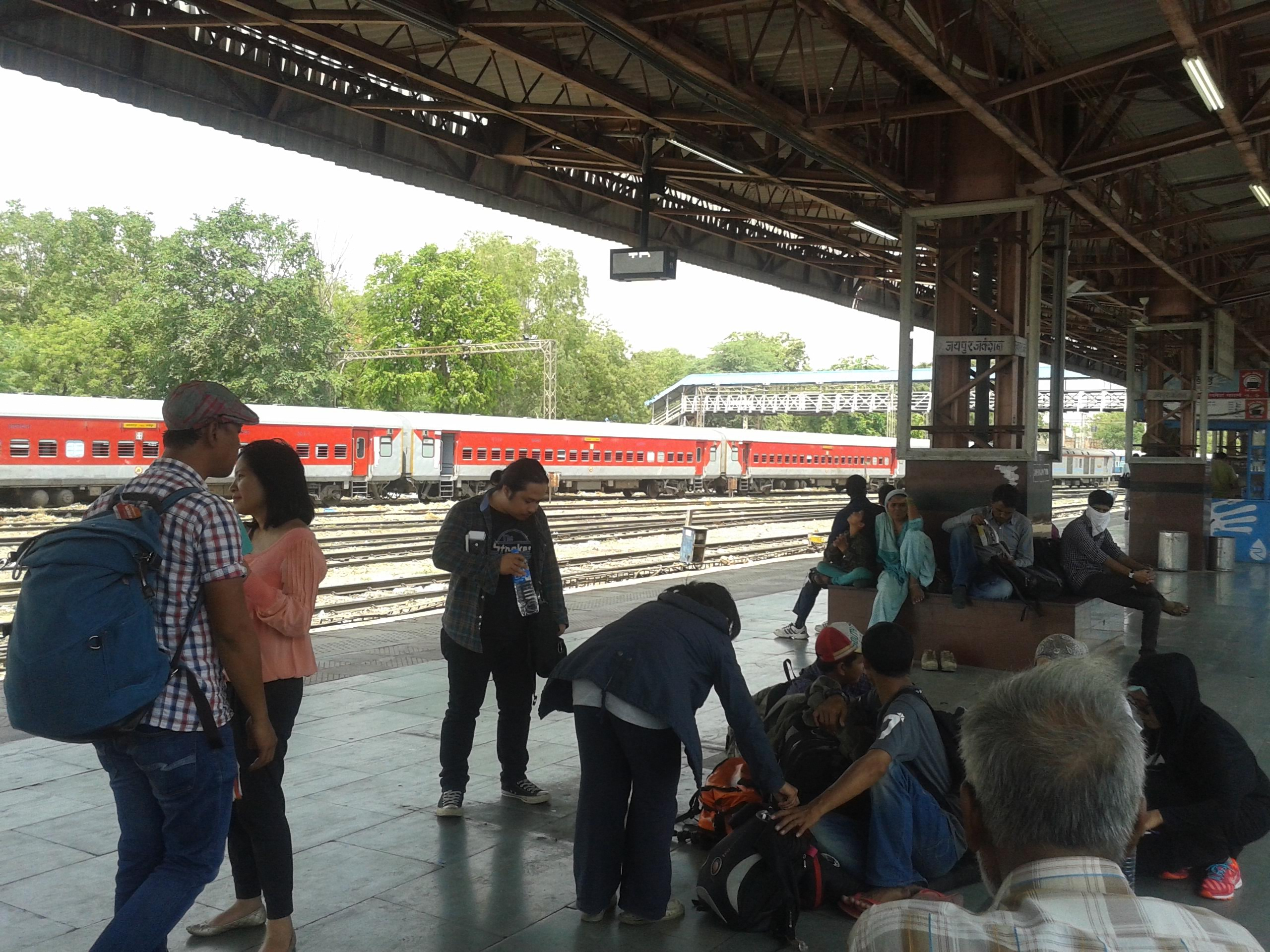
With one day left before our railway shoot, we still had the filming fee, a deposit, insurance and the local permission to complete.
It was May 2014. We were preparing to film Haji Backpacker on the Jaipur–Ajmer journey, with scenes inside and outside the train. The main railway permission had come through Delhi.
We had that approval. We were not yet ready to shoot.
Haji Backpacker was a commercial feature based on true events. Before reaching the railway arrangements, we had already been through the wider permission process for a foreign production, including script scrutiny by the Ministry of Information and Broadcasting. For readers planning a production now, our filming permissions in India guide explains the current routes.
But this story is about what happened next, when the shoot was a day away and there were still things I needed to get done.
One Day Left in Jaipur
Seema Sharma, then Director of Public Relations at the Railway Ministry, had been kind, efficient and prompt in issuing the main permission. The outstanding arrangements were in Jaipur, not Delhi.

“Sir, I’m fucked. I need help.”
That is how I remember putting it to the DGM.
The Falcon Pictures crew were already airborne from Jakarta, due into Jaipur the next morning. We were filming that same day—Saturday, 17 May 2014—and I was nervous. I had lost confidence in how the local arrangements were being handled. The fee, deposit, insurance and local permission still needed completing, and even basic company information was missing from the paperwork.
The railway permission was not the only thing on my mind. Permission to film inside Ajmer Dargah was still unresolved, and I had to go there in person. The Falcon Pictures crew was due into Jaipur the next morning.
Before leaving, I asked our production manager, Sushil Narera, to pass a message to the DGM: please wait for me. I would return from Ajmer and wanted to thank him personally over dinner.
I was grateful for his help, but I could not stay. There was another permission waiting—and another conversation in which I would have to admit that I needed help.
At dinner that evening, he told me something I had not known. In his younger days, he had acted with Doordarshan in Delhi. Filming was a personal passion.
His understanding of our situation made more sense to me then. Until that day, we had been strangers. He had listened when I was struggling and helped me find a way through the remaining arrangements.
We completed what was needed, and the shoot went ahead.

A Railway Does Not Run Around Our Call Sheet
When you are responsible for a shoot, your deadline can feel like the only deadline in the world. It is easy to forget that the person across the desk has other responsibilities, and that your urgency does not make their requirements disappear.
The railway had its own work to do. Our film had to fit into that.
Patience, in that situation, was not simply waiting. It was following up, listening, finding out what remained and getting it done. It also meant recognising the help being offered. The DGM’s understanding of production made a difficult moment easier, and I remember that.
The photographs from the station and inside the train show the shoot we had been working towards. Looking at them now, I remember the arrangements behind those moments as well as the filming itself.


I would not recommend leaving things until the day before. What stayed with me was how much could still remain after the main permission had arrived—and how valuable it was to have someone guide us through the final requirements.
For the practical preparation, our Indian Railways filming guide covers the requirements to check before a shoot.
When I think back to that day, I remember the relief. But I also remember having to stop pretending I could manage everything on my own.
“Sir, I need help.”
And Yes! He Helped!!
Manav Paul recalls the Haji Backpacker production in May 2014. This account is not a statement of current permit requirements or processing times.
