
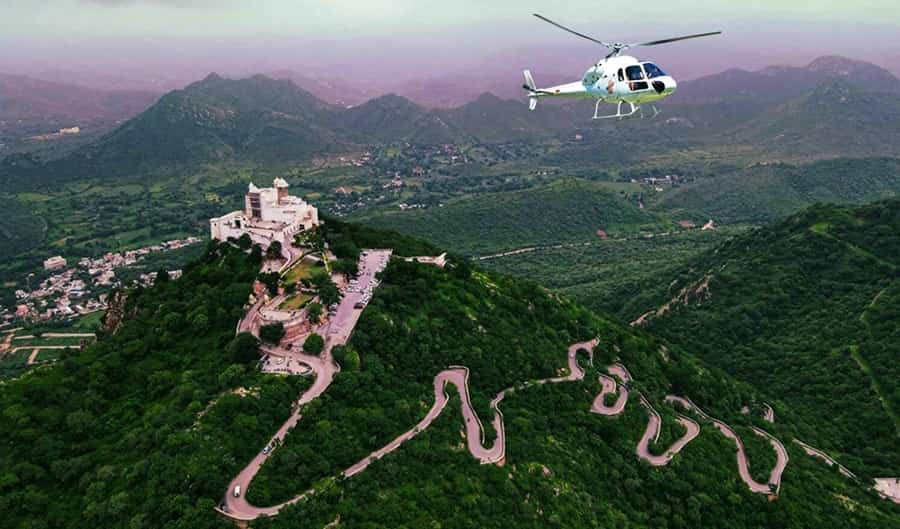
Introduction: Drone Filming in Indian Cities
Drone Filming Indian Cities has moved from a niche capability to a mainstream production requirement across real estate, advertising, corporate films, and documentaries. Urban audiences now expect aerial context, spatial clarity, and visual scale. However, Indian cities impose layered airspace controls, dense risk zones, and strict compliance requirements that producers must address before a drone ever takes flight. As a result, urban drone filming demands planning discipline rather than last-minute improvisation.
Indian cities present a complex operating environment. Airports sit close to residential and commercial zones. Military installations, coastal belts, and critical infrastructure frequently overlap with desirable filming locations. Additionally, high-rise density compresses airspace both vertically and horizontally. These constraints turn every urban drone shoot into a compliance exercise. Drone Filming Indian Cities therefore requires a working understanding of airspace classifications, operational limits, and enforcement realities—not just flying skill.
Why Urban Drone Filming Requires Regulatory Precision
The regulatory landscape has matured significantly in recent years. Authorities now prioritise safety, traceability, and accountability over experimentation. Filmmakers must align with national aviation frameworks while also coordinating with city-level authorities, police departments, and property managers. When teams ignore this structure, delays and cancellations follow quickly. Conversely, productions that integrate compliance early—by following drone film permission in India workflows—gain predictability and execution speed.
Urban drone filming also serves multiple sectors simultaneously. Real estate developers rely on aerial shots to demonstrate connectivity and scale. Advertising agencies seek dynamic movement within controlled limits. Documentary teams capture evolving city narratives from above. Each use case shares the same airspace, yet faces different risk profiles. Drone Filming Indian Cities succeeds only when production teams balance creative intent with regulatory precision.

This article explains how drone filming operates across Indian cities in practical terms. It breaks down airspace rules, identifies urban risk zones, and outlines compliance strategies that work on real production sites. It also connects aerial execution with broader workflows such as coordination logistics film production and city-level approvals like filming permissions in Mumbai.
Evolution of Drone Filming Indian Cities Regulations
Drone Filming Indian Cities operates within a regulatory framework that has evolved rapidly over the past decade. Early drone usage in India remained loosely regulated, which raised safety concerns in dense urban environments. As adoption increased across media, infrastructure, and security sectors, authorities introduced structured controls to protect airspace and public safety.
From Informal Use to Structured Governance
The introduction of formal DGCA guidelines marked a turning point. Regulations began defining who could operate drones, where flights could occur, and under what conditions filming remained permissible. Indian cities became priority zones for enforcement due to population density and sensitive infrastructure. As a result, Drone Filming Indian Cities shifted from informal permissions to system-driven approvals focused on traceability and accountability.
Digital Permissions and City-Level Enforcement
Urban enforcement tightened further with the rollout of digital permission systems. Authorities moved away from manual approvals toward real-time validation models. This shift reduced ambiguity but increased preparation requirements. Filmmakers now need verified pilots, registered drones, and defined flight plans before operations begin. Compliance moved firmly into pre-production, especially for shoots governed by high-risk filming Mumbai permissions logistics 2026 standards.

City-Specific Risk Profiles
Another critical shift involved recognising city-specific risk patterns. Metropolitan regions introduced stricter buffers around airports, defence zones, coastal areas, and high-security corridors. Mumbai, Delhi, and Bengaluru each developed distinct enforcement behaviours. Therefore, Drone Filming Indian Cities no longer follows a single national template. Producers must interpret central rules through a city-level operational lens.
These regulatory changes stabilised urban drone filming. While approvals require effort, cleared shoots now face fewer disruptions. Teams that understand this evolution plan better, avoid denials, and execute aerial filming with confidence across Indian cities.
Key Airspace Rules for Urban Drone Shoots in India
Urban drone operations in India follow a clearly defined aviation framework. These rules apply uniformly across cities, but enforcement intensity increases in metropolitan areas. Producers must understand airspace structure before planning aerial shots. Ignorance leads to denials, grounding, or legal exposure.
India classifies airspace into green, yellow, and red zones. Each zone determines whether drone flights are permitted, restricted, or prohibited. Most city centres fall under mixed or restricted classifications. Therefore, aerial filming in Indian metros requires route-level scrutiny rather than broad approval assumptions.

Drone Registration and Pilot Certification Requirements
Every drone used for filming must be registered with the national aviation system. Operators must hold valid pilot certification linked to the registered drone. Authorities treat uncertified operations as serious violations, especially in populated areas.
Production teams should verify credentials during pre-production. Relying on third-party operators without documentation exposes the project to shutdowns. This step also aligns with broader workflows such as coordination logistics film production, where accountability chains matter.
Altitude, Distance, and Operational Limits
Urban drone flights operate under strict altitude ceilings. Most permissions cap operations well below 400 feet. Horizontal distance limits apply near buildings, roads, and public gatherings. Night operations require explicit approvals and additional safeguards.
Weather conditions also influence permitted operations. Wind corridors between towers affect stability. Coastal humidity impacts visibility. Therefore, teams schedule flights strategically and keep fallback windows ready.
NPNT and Real-Time Flight Validation
India’s NPNT (No Permission, No Takeoff) system governs most compliant drone operations. Drones must receive digital clearance before takeoff. This system removes discretionary negotiation and enforces consistency across cities.
For producers, this means flight approval becomes a technical checkpoint rather than an on-ground discussion. Teams that prepare documentation early avoid last-minute cancellations and align smoothly with frameworks like drone film permission in India.
Understanding these airspace rules reduces uncertainty. It also allows creative planning within realistic boundaries, which is essential for urban aerial filming success.
Identifying Risk Zones in Major Indian Cities
Risk zones define where drone filming becomes sensitive or restricted. Indian cities concentrate multiple risk layers within compact geographies. Successful aerial filming depends on identifying these zones early.
Airport, Defence, and Critical Infrastructure Buffers
Airports create extensive no-fly zones extending far beyond runways. Defence installations, ports, refineries, and power stations impose absolute restrictions. Many high-value filming locations sit close to these buffers.
Mumbai exemplifies this complexity. Coastal zones, flight paths, and dense infrastructure overlap frequently. Producers working near such areas often require parallel coordination with aviation authorities and local enforcement bodies, similar to processes outlined in filming permissions in Mumbai.
Residential Density and Privacy Constraints
High-rise residential clusters create vertical congestion. Privacy concerns escalate when drones operate near balconies, terraces, or occupied towers. Complaints from residents can halt operations even when aviation permissions exist.
Therefore, teams must secure society-level approvals and communicate flight paths clearly. Transparent coordination reduces resistance and prevents escalation.
Event-Based and Temporary Restrictions
Cities impose temporary no-fly restrictions during political events, festivals, or security alerts. These restrictions override prior approvals. Production teams must track local advisories continuously.
Risk-aware planning transforms these constraints into manageable variables. Teams that integrate zone analysis into recce stages maintain momentum and protect schedules.
Compliance Strategies for Real Estate, Advertising, and Documentary Drone Shoots
Compliance strategy changes based on intent, duration, and audience impact. Real estate drone shoots prioritise predictability and repeat use. Developers rely on aerial footage for sales offices, investor decks, and digital platforms over long cycles. Therefore, teams focus on conservative flight paths, neutral angles, and clearly approved zones. Permissions are secured well in advance, often aligned with site NOCs and society approvals. Real estate compliance succeeds when drone use blends into site operations without drawing attention or resistance.
Advertising drone shoots operate under tighter creative timelines and higher visibility. Agencies often seek dynamic movement, transitions, or hero shots. However, urban compliance limits experimentation. Successful teams adapt by pre-visualising shots that remain within permitted corridors. They lock flight plans early and avoid live improvisation. Advertising compliance depends on precision planning rather than creative flexibility. When teams respect this boundary, approvals move faster and execution remains smooth.
Documentary drone filming carries a different risk profile. These shoots often capture public spaces, evolving cityscapes, or socio-cultural environments. Authorities scrutinise intent closely, especially near sensitive zones. Documentary teams benefit from transparent disclosure and contextual justification. Clear narratives, ethical framing, and minimal disruption build trust with regulators and local stakeholders. Compliance here relies on credibility as much as paperwork.
Across all three sectors, early coordination with pilots, local authorities, and property managers reduces friction. Teams that integrate compliance into creative planning avoid costly reshoots and cancellations.

Mumbai–Delhi–Bengaluru: Execution Comparisons and On-Ground Reality
Mumbai presents the most compressed drone operating environment in India. Coastal regulations, dense high-rises, airport proximity, and security sensitivity intersect constantly. Execution success depends on micro-planning. Short flight windows, conservative altitudes, and continuous liaison with local authorities define workable shoots. Teams that underestimate Mumbai’s layered controls face rapid shutdowns.
Delhi operates under a different constraint structure. Large no-fly zones around government buildings, defence areas, and ceremonial corridors dominate the map. Permissions require longer lead times and stricter disclosure. However, once cleared, execution tends to remain stable. Delhi rewards administrative discipline more than tactical flexibility.
Bengaluru offers comparatively clearer airspace in peripheral zones. Tech parks, suburban developments, and planned layouts provide more predictable conditions. However, enforcement remains firm near airports and defence installations. Bengaluru drone shoots succeed when teams balance flexibility with strict adherence to notified zones.
These cities demonstrate a common truth. Urban drone filming in India does not fail due to regulation itself. It fails when teams apply a uniform strategy to highly distinct enforcement environments. Producers who adapt execution models city by city gain reliability, speed, and long-term operational confidence.
Compliance Strategies for Real Estate, Advertising, and Documentary Drone Shoots
Compliance strategy changes based on intent, duration, and audience impact. Real estate drone shoots prioritise predictability and repeat use. Developers rely on aerial footage for sales offices, investor decks, and digital platforms over long cycles. Therefore, teams focus on conservative flight paths, neutral angles, and clearly approved zones. Permissions are secured well in advance, often aligned with site NOCs and society approvals. Real estate compliance succeeds when drone use blends into site operations without drawing attention or resistance.
Advertising drone shoots operate under tighter creative timelines and higher visibility. Agencies often seek dynamic movement, transitions, or hero shots. However, urban compliance limits experimentation. Successful teams adapt by pre-visualising shots that remain within permitted corridors. They lock flight plans early and avoid live improvisation. Advertising compliance depends on precision planning rather than creative flexibility. When teams respect this boundary, approvals move faster and execution remains smooth.

Documentary drone filming carries a different risk profile. These shoots often capture public spaces, evolving cityscapes, or socio-cultural environments. Authorities scrutinise intent closely, especially near sensitive zones. Documentary teams benefit from transparent disclosure and contextual justification. Clear narratives, ethical framing, and minimal disruption build trust with regulators and local stakeholders. Compliance here relies on credibility as much as paperwork.
Across all three sectors, early coordination with pilots, local authorities, and property managers reduces friction. Teams that integrate compliance into creative planning avoid costly reshoots and cancellations.
Mumbai–Delhi–Bengaluru: Execution Comparisons and On-Ground Reality
Mumbai presents the most compressed drone operating environment in India. Coastal regulations, dense high-rises, airport proximity, and security sensitivity intersect constantly. Execution success depends on micro-planning. Short flight windows, conservative altitudes, and continuous liaison with local authorities define workable shoots. Teams that underestimate Mumbai’s layered controls face rapid shutdowns.
Delhi operates under a different constraint structure. Large no-fly zones around government buildings, defence areas, and ceremonial corridors dominate the map. Permissions require longer lead times and stricter disclosure. However, once cleared, execution tends to remain stable. Delhi rewards administrative discipline more than tactical flexibility.
Bengaluru offers comparatively clearer airspace in peripheral zones. Tech parks, suburban developments, and planned layouts provide more predictable conditions. However, enforcement remains firm near airports and defence installations. Bengaluru drone shoots succeed when teams balance flexibility with strict adherence to notified zones.
These cities demonstrate a common truth. Urban drone filming in India does not fail due to regulation itself. It fails when teams apply a uniform strategy to highly distinct enforcement environments. Producers who adapt execution models city by city gain reliability, speed, and long-term operational confidence.
Practical Execution and Risk Mitigation in Urban Drone Operations
Execution determines whether compliance translates into usable footage. Urban drone shoots succeed when teams treat flight time as a scarce resource. Pre-recce becomes non-negotiable. Teams verify take-off points, signal interference, crowd movement, and wind patterns before finalising flight plans. This preparation reduces hesitation on shoot day and prevents last-minute grounding.
Risk mitigation begins with role clarity. One crew member manages flying. Another handles compliance communication. A third monitors the environment. This separation avoids distraction and improves response time. In dense cities, even minor deviations attract attention. Therefore, crews maintain constant visual and verbal coordination.
Weather remains a silent risk factor. Coastal humidity, thermal currents near towers, and sudden wind shifts affect stability. Teams schedule flights during predictable windows and prioritise exterior shots early. Insurance coverage and emergency protocols add another safety layer. When teams plan for failure scenarios, execution stays calm and controlled.

Tools and Systems That Support Compliant Drone Filming
Technology now supports compliance as much as creativity. Flight planning apps help teams visualise airspace boundaries and buffer zones. Real-time geo-fencing alerts prevent accidental violations. Digital logs document flight paths and timings, which helps during audits or post-shoot verification.
Communication tools matter equally. Clear call sheets, approved maps, and printed permissions reduce on-ground confusion. When security teams or local authorities request clarification, crews respond instantly. This readiness builds trust and avoids shutdowns.
Training completes the system. Certified pilots with urban experience make fewer reactive decisions. Familiarity with city-specific enforcement patterns improves judgment. Over time, disciplined teams convert regulation from an obstacle into a predictable framework.
Urban drone filming rewards preparation, restraint, and coordination. When execution aligns with compliance, aerial storytelling becomes both effective and sustainable across Indian cities.
Conclusion
Drone Filming Indian Cities now operates within a defined compliance reality rather than a creative grey zone. Urban airspace restrictions, risk-sensitive locations, and layered approvals have reshaped how producers plan aerial shoots across real estate, advertising, and documentary formats. Successful execution depends less on flying capability and more on early regulatory alignment, accurate risk assessment, and disciplined coordination with local authorities.
As Indian cities continue to densify, drone filming will remain viable only when production teams respect operational limits and plan proactively. Predictable execution comes from understanding airspace classifications, identifying sensitive zones early, and integrating compliance into pre-production workflows instead of treating it as an afterthought.
For teams seeking structured reference material, the High-Risk Filming Permissions Guide – Mumbai (BMC, Police, Fire & Local Bodies) provides additional context on operating safely within complex urban environments and complements the compliance frameworks discussed in this article.
Drone filming in Indian cities succeeds when regulation is treated as an enabler of continuity, not a constraint on creativity.
