
A Unified Production Framework for Line Producers
Airport Filming Around the World presents a unique challenge for filmmakers and line producers. Unlike conventional locations, airports operate under international aviation law, national security systems, and tightly timed operational cycles. These environments support aircraft movement, passenger processing, and safety protocols that never pause for creative work. To film successfully in these infrastructures, a production team must adjust its expectations and adopt an approach shaped by the precision of global aviation. When a line producer understands these rules, filming at major airports becomes not only possible but also highly efficient.
Directors choose airports because they hold emotional and narrative weight. A terminal can frame anticipation, separation, or urgency without the need for elaborate set design. Yet these dramatic moments unfold inside a space engineered for safety and control. Every corridor, walkway, and boarding area serves a specific operational purpose. The line producer becomes responsible for translating the creative ambitions of the script into a technical plan that fits the aviation environment. This translation forms the basis of every successful proposal for Airport Filming Around the World and sets the tone for collaboration with airport authorities.
Productions falter when they underestimate how structured airports are. Filmmakers who approach them as flexible backdrops face resistance, while those who treat them as regulated systems find solutions. Airports differ in architecture and cultural context, but their response to filming requests remains similar across continents. They examine movement, evaluate equipment impact, and consider whether the scene aligns with security requirements. Understanding these global consistencies gives line producers a framework that works in multiple regions without requiring them to relearn procedures each time.
Aviation Infrastructure and the Global Logic of Airport Filming
Airports share a foundational operating logic because they adhere to standards established by ICAO and enforced by national civil aviation regulators. These standards govern communications, airside movement, emergency planning, and terminal operations. Even when airports vary in scale or passenger capacity, they apply similar reasoning to filming requests. This uniformity helps filmmakers prepare proposals that resonate in Europe, Asia, Africa, the Middle East, and the Americas.
Approval processes generally involve three key authorities. Civil aviation regulators focus on safety and potential interference with operational systems. Airport operators assess passenger flow, staffing requirements, and how filming may affect commercial spaces. Security agencies review narrative sensitivity, equipment behaviour, and crew identity. These groups assess proposals simultaneously, not sequentially, and require the production to provide a coherent plan that addresses all operational concerns.

Filming in airports worldwide follows this structure because airports must protect their systems from anything that disrupts movement. A misplaced light stand, an actor running unexpectedly, or a transmitter broadcasting on the wrong frequency can cause confusion or compromise safety. When a production anticipates these concerns and integrates them into its planning, airports respond positively. Airport Filming Around the World works best when the line producer demonstrates strong operational literacy.
Narrative Translation as the Foundation of Airport Production
Clear communication forms the heart of every successful airport shoot. Authorities must understand exactly what occurs in each scene. They do not judge storytelling quality; they evaluate movement, timing, and physical interaction within a controlled environment. A line producer rewrites the creative description into operational language. Instead of describing an emotional moment, the proposal outlines actor behaviour, camera positions, and the number of takes required.
This clarity builds trust and accelerates decision-making. Aviation teams need predictable behaviour from everyone inside the terminal. When producers specify how long the crew occupies each zone and how movement flows through the space, airports can allocate staff effectively. Highly descriptive proposals allow authorities to visualise the scene and identify suitable locations more easily.
Productions that focus on emotion rather than logistics often struggle. Airports require movement described in measurable terms. This approach does not limit creativity; it enables the production to design a visually compelling result without compromising the airport’s structure. A strong operational narrative becomes the foundation for Airport Filming Around the World and allows producers to secure access that might otherwise be denied.

Zone Hierarchies and Terminal-Based Filming Strategy
Airports organise their environments into landside, airside, and restricted operational zones. Landside areas, such as check-in halls and arrivals, offer more flexibility but still require oversight. Airside areas—gates, boarding bridges, and corridors near aircraft—fall under stricter controls because they lie within secure perimeters. Restricted areas, including security screening, immigration counters, baggage systems, and customs halls, carry the highest level of protection.
A line producer begins by aligning the script with these zone categories. This step determines which agencies must approve the shoot and which areas require alternative solutions. Many productions relocate scenes originally written for restricted zones to mock sets because live access proves impossible. Others negotiate access to closed sections of terminals that do not affect passenger movement. The strategy varies by region, but the underlying process remains consistent.
Understanding zone hierarchy also helps producers build realistic schedules. Filming in controlled zones requires coordinated movement, supervision, and timed access windows. Crews cannot wander freely or reposition equipment at will. Instead, they follow predefined paths designed to keep them separate from active airport operations. This structure influences everything from call sheets to equipment planning and is fundamental to Airport Filming Around the World.
Managing Crew Movement in Aviation-Controlled Environments
Aviation infrastructure relies on controlled movement. For film crews, this means escorts, identity checks, and restricted access pathways. Even in public areas, airports often assign supervisors to maintain predictable activity. Airside and secured environments require temporary ID badges and advance background checks. Line producers prepare accurate manifests to ensure crew lists match approved documents exactly.
Actors require special preparation as well. Their behaviour must be communicated in advance so airport teams understand what movement occurs on camera. Running, shouting, sudden gestures, or tightly choreographed physical interactions can resemble real incidents if not explained clearly. Aviation teams appreciate precise documentation because it allows them to support the shoot safely.
Respect for movement protocols builds credibility. When a crew follows instructions, stays within assigned boundaries, and responds quickly to airport staff, the airport develops confidence in the production. This trust influences the success of future projects and creates smoother workflows across different airports.
Equipment Considerations for Filming in Airports Worldwide
Airports evaluate equipment with caution because unfamiliar objects may disrupt flow or interfere with technical systems. Lighting rigs must avoid blocking signage or ventilation. Power sources face restrictions due to fire safety rules. Tripods, stabilisers, and monitors must fit within the spatial allowances of passenger corridors. Cable routing matters because it can create obstacles during peak movement periods.
Wireless equipment undergoes additional scrutiny. Aviation relies on protected frequency bands, and production gear must not interfere with air-ground communications. Many airports require RF scans or frequency declarations before filming begins. Line producers coordinate with technical supervisors to ensure compliance.
Timing influences equipment strategy. Airports often allow only narrow installation windows, and crews must strike equipment immediately after filming ends. These constraints shape the creative approach, forcing productions to plan setups and shot lists more efficiently.
Pre-Production Checklist for Airport Filming Around the World
Start 3-6 months in advance. Initially, assess feasibility through virtual scouts or escorted visits. Next, budget for permits—ranging from ₹50,000 in India to $10,000 in the US—and secure aviation-specific insurance. Moreover, hire local fixers, such as those from Hoodlum Film Fixers, for global expertise. Then, conduct risk analyses for weather or flights, preparing alternatives like studio replicas. This phase sets the foundation for successful airport filming around the world.
| Pre-Production Item | Timeline | Responsible Party | Key Notes |
|---|---|---|---|
| Feasibility scouting | 4-6 months prior | Line producer/fixer | Include no-fly zone checks. |
| Budgeting/insurance | 3 months prior | Production manager | Cover $1M liability; add stunt riders. |
| Team assembly | 2-3 months prior | Line producer | Focus on aviation specialists. |
| Risk evaluation | Ongoing | Stakeholders | Develop set-based backups. |
Permits and Compliance in Airport Filming Around the World
Permits are critical; delays here can be costly. To illustrate, US sites like LAX require FilmLA and LAWA approvals, taking 2-4 weeks. In India, DGCA/AAI handle Delhi or Mumbai, with daily fees from ₹10,000. Similarly, UAE’s GCAA via Dubai Film Commission offers 30% rebates but demands scripts and lists. For Europe, CAA at Heathrow treats shoots as demos. In the Middle East, Jordan’s QAIA involves the Royal Film Commission for 20-25% incentives. Additionally, use ATA Carnets for gear and waivers for drones universally. Tenant permissions apply for gates or shops.
| Permit Type | Documents Needed | Timeframe | Cost (USD) |
|---|---|---|---|
| General | Script, crew, insurance | 2-8 weeks | 100-10,000 |
| Drone | Plans, waivers | 4-6 weeks | 500+ |
| Customs zones | Agreements, checks | 1-4 weeks | Variable |
| Tenant areas | Approvals | 1-2 weeks | 200-5,000 |

Airside Operations, Aircraft Access, and Global Technical Protocols
Airside operations form the core of airport activity. This area includes the apron, taxi lanes, service roads, jet bridges, and the spaces where aircraft arrive, park, refuel, and depart. For filmmakers, airside access represents the most challenging environment to secure because it sits at the intersection of safety, security, and operational continuity. Crews cannot simply step into this zone; they must move in ways that align with aviation ground handling cycles. Productions that understand this rhythm can integrate their work into the airport’s schedule with minimal disruption. Those that ignore the rhythm risk significant delays or full denial of access.
Airline ground handlers, apron control teams, and airside safety officers all play a role in determining how much freedom a production can have. These stakeholders prioritise predictable movement, clear visibility, and unobstructed operational lanes. When filming at airports worldwide, line producers must coordinate with each group to ensure that camera rigs, performers, and crew vehicles do not conflict with aircraft turning radii or service routes. Unlike terminal interiors, where controlled rerouting is sometimes possible, airside zones leave no margin for improvisation.
Understanding the Flight Line: How Aviation Dictates Airside Filming Windows
Airports operate around flight schedules built months in advance. Aircraft require precise arrival and departure sequences, ground servicing intervals, and safety checks conducted in strict order. This sequence shapes every filming window available to a production. Airside filming typically occurs during periods when stands remain empty or when aircraft movement decreases. These windows may last only 20 to 40 minutes, requiring crews to operate at maximum efficiency.
Productions often underestimate how short these windows are. A scene involving a walking dialogue near a jet bridge may take hours in a controlled studio environment, but on the apron the same sequence must be executed in minutes. This compression introduces creative challenges that the line producer must manage carefully. Directors must prioritise coverage, cinematographers must simplify lighting schemes, and actors must rehearse precisely. Clear alignment between all departments becomes essential.
Airport Filming Around the World depends heavily on situational timing. A crew that arrives early, rigs quickly, and adapts instantly to operational changes earns trust from apron control teams. Airports prefer production teams who deliver clean setups and exit promptly when windows close. Respect for timing forms the backbone of airside cooperation, and it determines whether a production gains additional flexibility for future shoots.
Safety Protocols: How Crew Behaviour Changes on the Apron
Airside environments introduce unique hazards that require specialised behavioural rules. Noise levels exceed safe thresholds near active aircraft engines, so crew members rely on headsets or ear protection. Jet blast hazards prevent crews from standing behind operational aircraft or near engine intakes. Reflective vests become mandatory because ground vehicles and pushback tractors move continuously. Line producers must ensure that all crew members understand these safety constraints before entering the apron.
Movement protocols shift dramatically as well. Crews cannot step into marked lanes intended for baggage carts or fuel trucks. Equipment must remain within designated safe zones because even small obstructions create operational risks. Many airports require a safety officer to accompany the crew and halt filming immediately if an aircraft approaches. Filmmakers accustomed to freeform creative spaces must adjust to an environment where physical boundaries remain absolute.
Productions that demonstrate strong safety discipline experience smoother workflows. Airside teams appreciate crews who follow rules without resistance, because compliance signals professionalism. This behaviour becomes even more important in regions where military agencies manage security. Producers who respect these norms set themselves apart during Airport Filming Around the World and earn credibility across different countries.
Securing an Aircraft for Filming: Charter, Static Display, or Operational Stand
One of the most sought-after visual elements in aviation-based productions is the aircraft itself. Obtaining access to a real commercial airplane requires complex negotiation. Producers face three primary scenarios: chartering a private aircraft, renting a static display aircraft, or gaining access to an operational commercial plane during specific windows.
Chartering a private aircraft offers the greatest freedom. Crews can control lighting, movement, and timing without worrying about passengers or airline schedules. However, costs remain high, and smaller airports may lack available aircraft. Renting a static display plane—often found in training academies or aviation parks—offers flexibility at lower cost. These aircraft may lack airline branding or modern interiors, requiring art department modifications.
Accessing an operational aircraft on a live stand presents the most challenges. Airlines allow filming only when no passengers remain onboard and when ground time permits. Crews must move quickly to avoid interfering with cleaning teams, maintenance checks, and boarding cycles. Line producers must coordinate tightly with turnaround managers, because even a minor delay affects departure times.
Filmmakers often combine methods. Dialogue scenes may occur inside a chartered aircraft, while wide exterior shots use a live plane on a stand. This hybrid strategy allows productions to control what matters most. Regardless of method, obtaining an aircraft remains one of the most demanding tasks in filming at airports worldwide.
Inside the Cabin: Technical Challenges of Aircraft Interior Shoots
Aircraft cabins present unique limitations. Narrow aisles restrict camera movement. Overhead bins limit lighting angles. Windows create exposure challenges because they emit concentrated daylight. Sound becomes difficult because cabins contain reflective surfaces that intensify echo. Crews must adapt their tools and techniques to navigate these space constraints.
Directors often rethink blocking to suit the cabin environment. Instead of walking sequences, they stage seated dialogue. Cinematographers rely on compact LED panels or practical lighting built into the aircraft. Sound teams prefer lavalier microphones to avoid intrusive booms that cannot move freely. These adjustments become essential when filming under real aviation conditions.
Cabin doors and galleys also impose operational rules. Opening a cabin door incorrectly can deploy the emergency slide, creating a costly incident. Galleys contain equipment that must remain untouched unless cleared by the airline. Aviation safety specialists often remain on standby during interior shoots to prevent accidental misuse of aircraft components. The line producer ensures that all departments work within these technical boundaries.
Mock Terminals: Why Productions Sometimes Avoid Live Airports
Even the most cooperative airport cannot accommodate every storyline. Security agencies rarely approve filming in immigration halls, screening checkpoints, baggage tunnels, or customs zones during active operations. For these environments, productions rely on mock terminals. Universities, aviation academies, and decommissioned buildings often host full-scale replicas of airport interiors. These facilities allow crews to modify lighting, adjust layouts, or conduct extended takes without operational pressure.
Mock terminals also provide creative flexibility. Directors can stage action scenes, recreate international arrival sequences, or modify signage for fictional locations. Production designers gain greater control over aesthetics, and actors perform without passenger interference. Many global productions combine mock terminals with real airport shots to build convincing continuity.
The hybrid method improves realism while protecting operational integrity. When handled well, audiences cannot distinguish between live airports and mock environments. This blending technique forms a strategic component of Airport Filming Around the World, allowing productions to maintain authenticity without relying entirely on live infrastructure.
Wireless and RF Compliance Across International Airports
Every airport operates within a complex spectrum of communication frequencies. Air traffic control, ground vehicles, emergency services, security teams, and terminal systems all depend on uninterrupted signals. Production equipment such as wireless video transmitters, follow focus systems, and monitoring units must operate outside these protected frequencies. A conflict can cause interference, making RF compliance a mandatory requirement.
Most major airports conduct RF sweeps to identify approved channels. Some require frequency declarations in advance, while others assign dedicated bands for filming. Line producers coordinate with technical teams to avoid accidental interference. In certain regions, authorities may request that wireless transmission be disabled entirely, forcing crews to work with cabled systems.
Filmmaking teams who respect RF protocols gain trust with aviation agencies. They demonstrate awareness of operational sensitivity, which improves cooperation across departments. Ignoring RF rules creates significant risk and can halt filming immediately.

Drone Restrictions and Aerial Cinematography in Aviation Zones
Drone use remains heavily restricted near airports. Aviation law prohibits drone flight within designated perimeters unless supervised under exceptionally controlled circumstances. Even productions with advanced drone teams face strict limitations. Most airports deny drone use outright. When exceptions occur, they rely on ground-based spotters, airspace closures, and coordination with air traffic control.
Because drones rarely gain approval, productions use alternative methods. Helicopter shots captured outside restricted zones, long-lens photography from public vantage points, and CG enhancement all replicate aerial perspectives safely. Line producers integrate these alternatives into their planning to maintain creative ambition without violating aviation law.
Global Case Studies, Multi-Region Production Tactics, and Real-World Execution
Productions that work inside airports across continents face similar challenges, but the solutions vary depending on how each region interprets aviation rules and cultural expectations. These differences create a complex landscape where operational logic remains consistent, but workflow methods shift slightly from one country to another. Understanding these subtleties allows line producers to execute high-stakes scenes with confidence. The following case studies illustrate how major productions adapt their approach to live terminals, controlled airside zones, and secured environments.
International filmmakers often underestimate how much negotiation and adaptation airport shoots require. Creative ideas evolve into logistical puzzles, and those puzzles differ in Europe, the Middle East, North America, Africa, and Asia. These case studies highlight why Airport Filming Around the World demands versatility, diplomacy, and deep technical awareness. Each region reveals how producers transform aviation constraints into cinematic opportunities.
Europe: Balancing Efficiency with Regulatory Depth
European airports maintain some of the world’s most structured aviation systems. Major hubs like Frankfurt, Amsterdam, and Heathrow approach filming through a multilayer approval process that reflects strong regulatory oversight. One European production required a chase sequence through a departure hall at a time when flight departures peaked. Instead of rejecting the request, the airport allowed access to a secondary terminal that had fewer flights but identical architecture.
The line producer rewrote the sequence to integrate this environment without losing narrative impact. This adaptation made the shoot feasible while respecting the airport’s operational limits. Europe often encourages such collaborative solutions, especially when producers demonstrate a strong understanding of airport flow. Technical officers assist with safety planning, and designated escorts guide crew movement, ensuring predictable behaviour.
A second European example involved a commercial airline granting an interior shoot on a parked aircraft. The airline imposed strict timing rules: one hour to light, forty minutes to film, and fifteen minutes to strike equipment. The compressed schedule required disciplined coordination. Despite the challenge, the tight timing improved efficiency because every department rehearsed meticulously in advance. These productions illustrate how European airports embrace filming when teams respect the aviation ecosystem.
On-Site Execution for Airport Filming Around the World
With permits in hand, prioritize safety. To begin, set up early with cordons for crowd control. Furthermore, liaise with air traffic during off-peak hours. In addition, clear equipment and enforce badge protocols. As in Non-Stop (2014) at JFK, blend real footage with sets.
Post-Production Wrap-Up in Airport Filming Around the World
After shooting, restore sites and submit logs. Then, archive documents and claim rebates, like Qatar’s free permits or Saudi NEOM incentives. Moreover, feedback refines future processes.
Case Studies of Airport Filming Around the World
Highlighting successes, Octopussy (1983) used Udaipur’s airport efficiently. Likewise, Die Hard 2 (1990) combined Dulles and LAX. Best practices: Use AFCI networks, pre-week tech scouts (O’Hare style), and eco-gear for green rebates.
Overcoming Pitfalls in Airport Filming Around the World
Despite planning, flight changes occur; flexible schedules help. Furthermore, cultural nuances in Israel or Sweden demand local input.

Middle East: Flexibility Enhanced by Strong Security Oversight
Airports in the Middle East often operate with advanced infrastructure and generous spatial layouts. Doha, Abu Dhabi, and Dubai offer architectural variety ideal for large-scale scenes. However, these same airports maintain rigorous security oversight, especially around airside and VIP facilities. Productions gain significant access when they demonstrate operational readiness and cultural sensitivity.
A recent thriller series filmed in a Gulf airport used a VIP terminal instead of the main public space. This decision preserved the airport’s live operations while offering the production controlled timing, cleaner acoustics, and a more versatile environment. VIP terminals in the region often provide full collaboration, including dedicated security teams, standby medical staff, and controlled entrances for cast and crew. These features elevate the level of support filmmakers receive.
Another Middle Eastern production secured access to a parked aircraft for a night shoot. The airport allowed filming only after all aircraft movements in adjacent stands had ceased. The line producer built a schedule around this timing window, and lighting teams prepared compact rigs that could be moved quickly if apron control issued an instruction. These adjustments reflect how productions succeed in regions where security and operational fluidity shape decisions.
North America: Navigating Litigation, Unions, and Operational Pressure
North American airports introduce unique considerations such as union rules, insurance requirements, and complex permitting structures. A major U.S. production filmed at LAX under a permit that required multiple layers of indemnities. The airport demanded proof of safety training for all crew, and unions required that specific technical roles be assigned only to certified personnel. Despite these constraints, the production gained access to public and controlled zones by presenting a detailed procedural plan.
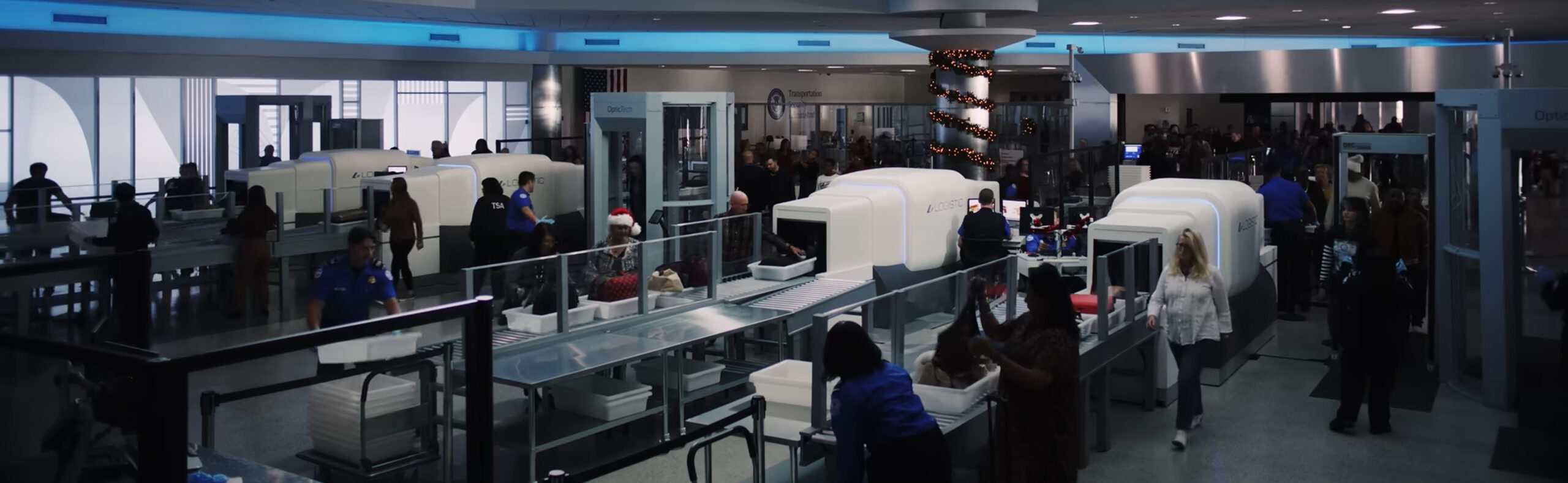
The team encountered one unexpected challenge. The TSA objected to filming near a security screening area because the scene included close-ups of conveyor belts and monitors. Rather than deny the request, authorities suggested relocating the sequence to a training facility used internally for staff. The space matched the visual requirements, and the production gained full control over lighting and timing. This solution demonstrated how agencies contribute positively when they trust the production’s professionalism.
Another North American example involved a documentary team filming aircraft turnaround operations. Airports in the U.S. and Canada remain cautious about filming staff performing safety checks. The production gained approval by agreeing to capture only wide, non-identifying shots and by positioning cameras carefully to avoid sensitive equipment. These accommodations reflect the balance required in Airport Filming Around the World when security intersects with storytelling.
Africa: Logistics Adaptation and On-Ground Improvisation
African airports have smaller infrastructures compared to global mega-hubs, yet they offer remarkable filming opportunities. Productions benefit from flexible terminal designs and open collaboration with airport leadership. One East African drama series filmed an arrival sequence using real passengers as part of the background. The airport allocated a supervised corridor where actors could blend naturally into the live flow without interrupting operations.
Another production shot a dialogue scene near an apron service road. The airport granted access under the condition that all equipment remain mobile, allowing quick repositioning if ground vehicles required passage. The crew used lightweight rigs to comply. African airports often reward productions that adapt their workflow creatively, relying on compact gear and minimal footprints to avoid disrupting operational zones.
Crew movement in African airports may involve less automation and more hands-on coordination. Escorts guide teams personally, communication flows directly through airport supervisors, and approvals often come through face-to-face negotiation. This environment rewards producers who work responsively and build trust through consistent behaviour.
Asia-Pacific: High Efficiency, Strong Protocols, and Architectural Variety
Asia-Pacific airports combine architectural ambition with highly regulated systems. Singapore, Seoul, and Tokyo offer some of the world’s most sophisticated terminal designs. These regions maintain strict rules regarding equipment, movement, and continuity with operational systems. A South Korean commercial filmed in a major terminal demanded a walking scene involving twenty performers. The airport approved the shoot only if performers walked in a choreographed pattern that aligned with existing passenger flow.
The production created a rehearsal video for authorities, demonstrating exactly how each performer would move. This proactive approach led to immediate approval. In another case, a Japanese airport allowed access to a rarely used concourse for a fashion editorial. The line producer collaborated with airport staff to integrate models into the concourse without obstructing emergency routes. Precision mattered at every step, and the controlled environment supported a visually striking result.
Asia-Pacific airports often provide filming officers who assist with logistics, technical approval, and movement control. Their involvement helps streamline execution and reduces delays. Productions that honour cultural expectations and follow guidelines precisely experience smooth operations, reinforcing why Airport Filming Around the World requires adaptability across regions.
South America: Creative Integration With Live Passenger Movement
South American airports present a dynamic environment where creative filming interacts closely with real passenger movement. A Brazilian film production shot a dramatic reunion scene in a bustling arrivals corridor. The airport permitted the scene during a period of moderate foot traffic, and the production used natural movement as part of the visual texture. Extras and real passengers blended in seamlessly, producing a vibrant, authentic result.
Another Latin American production attempted to film near an active gate. The airport approved the request only if the crew maintained a compact footprint and vacated the area whenever gate agents required the space. The team implemented a modular equipment setup that allowed them to strike or reposition rapidly. This flexibility enabled the shoot to progress without interrupting boarding cycles.
South American airports reward improvisational thinking. When producers show awareness of operational limitations and propose flexible solutions, airports respond positively. Creativity thrives when productions integrate themselves respectfully into the airport ecosystem.
Global Lessons From Multi-Region Airport Production
Across continents, the most successful airport shoots share the same four characteristics: precise communication, disciplined crew behaviour, efficient setups, and adaptive storytelling. Every region offers a slightly different environment shaped by culture, infrastructure, and administrative structure, yet airports everywhere respond favourably to productions that respect safety, timing, and controlled movement.
Experienced line producers treat each airport as a partner rather than a barrier. This mindset unlocks collaboration with authorities, enabling solutions that may not appear in official guidelines. Whether filming in Europe’s structured terminals, the Middle East’s VIP facilities, North America’s unionised systems, or Asia’s high-efficiency airports, a unified methodological approach remains essential.
The case studies above reveal why Airport Filming Around the World demands strategic flexibility. The global environment rewards teams who understand how to adapt to different airport philosophies without compromising creative vision.

The Future of Airport Filming, Virtual Hubs, and Global Production Engineering
The landscape of aviation-based filmmaking continues to evolve as airports modernise infrastructure, develop smart terminals, and integrate digital technologies into daily operations. These changes affect the strategies available to line producers and create new opportunities for films, series, documentaries, commercials, and branded content. Understanding the long-term trajectory of airport production work allows filmmakers to approach each project with confidence, whether they shoot in an active international hub or a purpose-built simulation facility.
Growth in global travel has pushed airports to expand capacity, redesign passenger pathways, and integrate automation into check-in and security processes. At the same time, airports increasingly recognise the cultural and promotional value of screen exposure. This shift has encouraged more airports to collaborate with filmmakers, provided that productions respect operational requirements. As line producers adapt to these changes, new models for Airport Filming Around the World emerge, each shaped by technology, logistics, and creative innovation.
Virtual Terminals: A New Frontier for High-Capacity Productions
Advances in virtual production have reshaped the way filmmakers approach airport scenes. LED volume stages, high-resolution displays, and real-time rendering engines allow crews to replicate terminals, boarding gates, and aircraft interiors without entering a live airport. These environments provide full control over lighting, timing, and geometry. Directors can achieve realistic reflections and dynamic lighting that mimic airport conditions while freeing themselves from operational restrictions.
Virtual terminals appeal especially to sci-fi, action, and futuristic storylines. Set designers craft custom terminal motifs without worrying about brand restrictions or airport architecture. Crews can repeat takes without navigating passenger flow or flight schedules. Visual effects teams capture plates at real airports for reference and then build digital layers that match the lighting and geometry of filmed performances.
Although virtual environments offer creative freedom, they do not eliminate the value of real terminals entirely. Many productions blend the two, capturing wide establishing shots in actual airports and performing controlled dialogue scenes on LED stages. This hybrid approach enhances realism without risking operational interference. As technology evolves, this method will become an increasingly important tool in Airport Filming Around the World.
Simulated Aviation Hubs and the Rise of Training Facilities
A growing number of aviation academies, fire safety centres, and technical training facilities contain full-scale mockups of aircraft cabins, boarding bridges, and terminal units. These environments exist to train aviation staff, but they serve as ideal spaces for filmmakers needing controlled access. Productions that struggle to obtain approvals for sensitive areas—such as immigration halls or security checkpoints—often turn to these facilities for accurate recreations.
Simulated hubs offer an advantage that real airports cannot: uninterrupted time. Crews operate freely without compromising live passenger movement. Lighting teams modify fixtures, art departments adjust signage, sound teams deploy sensitive equipment, and directors perform multiple takes without restrictions. This flexibility attracts filmmakers working on narrative sequences that require tight control over performance and camera movement.
Training facilities also address logistical challenges. They provide parking for large vehicles, storage for equipment, and onsite safety officers who understand both aviation procedures and creative needs. This dual expertise allows productions to replicate the operational authenticity of an airport without depending on live infrastructure. As international demand grows, more countries are building advanced training centres designed to serve both aviation professionals and the entertainment industry.
Automation and Smart Terminals: How Technology Changes Filming Strategies
Modern airports incorporate advanced technologies such as biometric gates, automated check-in stations, AI-driven surveillance, and dynamic digital signage. These systems introduce new considerations for filmmakers. Productions must ensure that equipment does not interfere with sensors, biometric scanners, or automated pathways. Line producers collaborate closely with airport IT teams to avoid disruptions to operational software or hardware.
Smart terminals also create visual complexity that influences shot design. Digital screens change content rapidly, requiring productions to secure clearance or disable certain displays. Automated systems may react to unexpected movement, affecting continuity. A simple walking scene near a biometric gate may require coordination with IT teams, security officers, and terminal managers. These technical layers add depth to filming logistics but also open opportunities for sophisticated storytelling.
Airports increasingly use automation to streamline operations, which means fewer staff members present in certain zones. This shift can benefit filmmakers by reducing background noise and operational clutter during filming windows. However, it also demands that line producers plan carefully, ensuring that no equipment obstructs automated pathways or triggers system alerts. This delicate balance reflects how technology shapes the evolving landscape of Airport Filming Around the World.
Sustainability Demands and Green Production Protocols
Global aviation organisations emphasise sustainability, and airports now integrate green initiatives into their operational frameworks. Productions filming in terminals must align with these expectations. Crews reduce waste, limit power usage, and follow strict disposal protocols. Many airports encourage sustainable workflows and collaborate with producers who demonstrate environmental responsibility.
Green screen production, LED lighting, battery-powered fixtures, and efficient scheduling all contribute to lower environmental impact. Productions that adopt green protocols often gain faster approvals because airports recognise the reduced operational load. These commitments also reflect broader changes within the entertainment industry, which increasingly values carbon-conscious filmmaking.
In some regions, airports offer incentives or reduced fees for environmentally responsible productions. These benefits motivate filmmakers to adopt sustainable methods and further embed green practices into global filmmaking standards.
Security Evolution and Its Impact on Future Production Design
Airport security has advanced significantly over the past decade. Enhanced surveillance, automated screening, and data-driven threat detection shape the physical and behavioural boundaries available to film crews. While these systems create additional layers of oversight, they also help airports manage filming more effectively by providing real-time control over movement and zone access.
However, increased security affects creative boundaries. Some scenes previously easy to shoot now require more detailed approval, especially if they depict sensitive procedures. Productions must build stronger narrative translations and demonstrate how scenes avoid misrepresenting airport operations. Creative teams adjust storyboards and blocking to remain within acceptable visual parameters.
Sophisticated security environments demand that line producers maintain fluency in airport expectations. They must understand how actions appear on surveillance systems, how certain props could create confusion, and how crowd scenes might resemble real disruptions. These details shape the future of Airport Filming Around the World, influencing creative choices and operational planning.
The Expanding Role of the Airport Filming Officer
As more productions integrate airport environments into their stories, many airports now designate filming officers or liaison managers. These professionals bridge the gap between creative teams and operational staff. They interpret filming requests, advise on zone suitability, coordinate escort teams, and manage communication between aviation departments. Their expertise significantly improves workflow efficiency.
Airports that prioritise media collaboration often publish filming guidelines that outline restricted areas, technical requirements, contact procedures, and cost structures. These documents help producers prepare accurate proposals. Filming officers also educate crews on safety protocols, movement rules, and emergency procedures. Their role continues to expand as airports recognise the economic and promotional value of supporting responsible filmmakers.
Line producers who work frequently in airports build strong relationships with these officers. Trust earned in one project carries over into future collaborations. This continuity supports smoother negotiations and wider access, especially for productions with complex requirements.
Future Trends: Blending Real and Digital Spaces
The future of aviation-based filmmaking will rely increasingly on hybrid strategies that merge real airports with virtual simulations. Digital environments capture the architectural feel of a location without requiring live access. Real terminals, meanwhile, provide authenticity that digital tools cannot fully replicate. Crews will combine practical location work with virtual extensions to achieve cinematic results that respect operational limits.
Directors and cinematographers can previsualise scenes using digital airport models, ensuring movement aligns with actual terminal geometry. Line producers will collaborate with virtual production teams to replicate light behaviour, crowd flow, and architectural details. This integration ensures that the creative essence of airport storytelling remains intact, even when filming occurs partially outside real aviation spaces.
Emerging technologies will refine this balance further. AI-assisted crowd simulations, advanced render engines, and photorealistic LED volumes will continue transforming how filmmakers approach airport scenes. Productions that embrace this evolution will gain unprecedented flexibility when operating across international regions.
Conclusion: A Unified Global Strategy for Aviation-Based Filmmaking
Productions that succeed in airport environments understand the intricate balance between creativity and aviation discipline. Terminals, aprons, and secured zones operate on rhythms shaped by safety, timing, and controlled movement. Line producers who internalise these rhythms build projects that align seamlessly with the expectations of airports across continents. The unified methodological approach remains essential because every airport evaluates filming through the same operational lens.
Case studies across Europe, the Middle East, Africa, Asia, and the Americas show how adaptable teams navigate diverse infrastructures. Whether integrating mock terminals, working alongside VIP divisions, coordinating aircraft interiors, or collaborating with apron control teams, the underlying principles stay consistent. This consistency forms the backbone of Airport Filming Around the World, shaping how future productions engage with aviation environments.
As technology evolves and airports modernise, filmmakers will gain new tools and opportunities. Virtual terminals, automation, sustainability initiatives, and enhanced security systems will influence how projects take shape. The creative potential remains enormous—as long as productions respect the operational foundations that make airports one of the most challenging and rewarding places to film.
