

What Post-Production Coordination Covers for International Productions
Post-production coordination for international productions extends far beyond editing timelines and colour grading workflows. It functions as a structured close-out system where technical, financial, legal, and compliance processes run in parallel. Unlike domestic productions, where post-production may follow a linear path, international projects require simultaneous closure across multiple jurisdictions, currencies, and contractual frameworks. This is why post-production coordination sits within the broader ecosystem of film production services, acting as the final execution layer that determines whether a production can successfully deliver and financially close.
At its core, post-production coordination ensures that all operational threads initiated during pre-production and principal photography are formally concluded. These threads include footage integrity, financial reconciliation, incentive eligibility, and platform delivery standards. Each function must align precisely with both the production’s internal reporting systems and the external requirements imposed by investors, distributors, insurers, and incentive bodies.
Effective post-production outcomes are directly influenced by how well production is executed on set. Strong on-set procedures and etiquette ensure that footage is captured accurately, metadata is logged correctly, and communication between departments remains consistent throughout the shoot. When crew coordination, chain of command, and set discipline are maintained during principal photography, downstream processes such as data management, payroll reconciliation, and delivery compliance become significantly more efficient and error-free.
Footage Management, Data Wrap-Up and Delivery Preparation
Footage management forms the technical backbone of post-production coordination, beginning on the final day of shooting and extending through to delivery. This phase is not limited to file transfers or editing preparation; it is a structured process that ensures all captured material is secure, traceable, and compliant with downstream technical and legal requirements. The transition from production to post-production depends on the integrity of this process. Any inconsistency in data handling, metadata, or reporting can disrupt editing workflows, delay delivery timelines, or create compliance risks during insurance and audit reviews.
At an international level, the complexity increases significantly. Productions often operate with multiple camera units, varied recording formats, and cross-border post-production teams. As a result, footage must be standardised, logged, and documented in a way that allows seamless handover regardless of where editing or finishing takes place. This is why footage management and delivery preparation are treated as a continuous system rather than separate stages.

On-Set Data Management and Post-Production Handover
On-set data management begins during principal photography and continues through the final day of the shoot. Each day’s footage is offloaded from camera cards, verified, and backed up across multiple storage systems. Standard practice involves maintaining at least three copies — a primary working drive, a backup drive, and a safety archive stored separately. Data wranglers or DIT teams ensure checksum verification so that no data corruption occurs during transfers.
Alongside storage, metadata logging is critical. Camera reports, sound reports, and continuity notes must align precisely with the recorded footage. File naming conventions, scene and take identifiers, and timecode synchronisation all contribute to ensuring that editors can immediately interpret and organise the material. Without this alignment, post-production teams face delays in syncing footage, identifying usable takes, or reconstructing shooting sequences.
The wrap-up process consolidates all these elements. Final drive reconciliation ensures that every recorded file is accounted for and correctly duplicated. Camera and sound reports are archived, and a complete data map is created to document where each file is stored. This documentation is essential for insurance compliance and forms part of the production’s Errors and Omissions (E&O) risk coverage. The handover to post-production is only considered complete when all drives, reports, and logs are verified and formally transferred to the post-production team.
Delivery Format Requirements Across Platforms and Distributors
Delivery preparation introduces another layer of technical precision. Each platform and distributor defines its own specifications, and these requirements must be met exactly for content to be accepted. OTT platforms such as Netflix, Amazon, and Apple TV+ specify parameters across multiple dimensions, including codec selection, resolution standards, colour space, HDR compatibility, audio channel configuration, and subtitle formatting.
For international productions, delivery is rarely a single-output process. Instead, multiple versions of the same content must be prepared simultaneously. These may include different language subtitle files, dubbed audio tracks, region-specific edits, and varying technical formats required by different distributors. The complexity increases further when co-productions involve contractual delivery obligations across several territories at once.
The post-production coordinator manages this through a delivery matrix. This matrix tracks each required version, the corresponding technical specifications, and the delivery deadlines for each platform or distributor. It ensures that no version is overlooked and that all outputs are aligned with contractual obligations.
In addition to technical specifications, delivery also includes supporting documentation. This may involve cue sheets, subtitle files, audio stems, and version control logs. Each element must be correctly labelled and matched to its corresponding media file. Failure to meet these requirements can result in delivery rejection, forcing rework and delaying release schedules.
In essence, footage management and delivery preparation operate as a tightly controlled system within post-production coordination. From the moment footage is captured to the point it is delivered, every step must be documented, verified, and aligned with both technical and compliance standards.
The Four Post-Production Functions Every International Shoot Must Close
Every international production must close four concurrent functions before it can be considered complete. The first is footage and data management. This includes final drive reconciliation, secure backup architecture validation, metadata verification, and preparation of delivery-ready formats. Productions must ensure that all footage is logged, traceable, and aligned with continuity and camera reports. Any discrepancy at this stage can disrupt downstream editing or delivery compliance.
The second function is payroll closure. This involves finalising timesheets across all territories, reconciling overtime, processing vendor payments, and ensuring tax compliance within each jurisdiction. International productions often engage crew under different employment laws, requiring country-specific documentation and withholding structures. Without accurate payroll closure, financial reporting remains incomplete.
The third function is incentive rebate audit preparation. Productions must compile and structure spend documentation according to the standards defined by each incentive authority. This includes verifying qualifying expenses, aligning invoices with approved categories, and preparing audit-ready cost statements. Since incentives often represent a significant portion of cost recovery, errors at this stage can directly impact financial outcomes.
The fourth function is delivery compliance. This covers technical specifications required by OTT platforms and distributors, along with legal documentation such as content clearances and rights verification. Each platform may require different codecs, resolutions, audio configurations, and subtitle formats. Coordinating these requirements across multiple delivery destinations is a critical responsibility within post-production coordination.
Why Post-Production Coordination Differs From Domestic Production Wrap
Post-production coordination differs significantly from domestic production wrap due to the added complexity of cross-border execution. Domestic productions typically operate within a single legal and financial system, allowing for more straightforward closure processes. In contrast, international productions must manage multiple currency positions, often closing accounts in parallel while accounting for exchange rate fluctuations and budget variances.
Crew contracts present another layer of complexity. International shoots frequently involve personnel hired under different labour laws, union frameworks, and tax regimes. Coordinating end-of-contract documentation across these jurisdictions requires precise alignment to avoid compliance risks. Similarly, vendor agreements may span multiple countries, each with its own invoicing standards and payment timelines.
Incentive structures further differentiate international post-production coordination. Each territory enforces distinct audit requirements, documentation formats, and submission timelines. Unlike domestic incentives, which may follow a standardised process, international rebates demand territory-specific compliance that must be anticipated during production and executed during post-production.
Finally, delivery obligations are more complex in international contexts. Productions often deliver to multiple platforms and distributors simultaneously, each with unique technical and legal requirements. This creates a delivery matrix that must be actively managed to ensure all versions are completed and delivered on schedule.
In effect, post-production coordination for international productions is not a closing phase but a convergence point. It brings together technical execution, financial accountability, and legal compliance into a single structured process. Only when all four functions are fully aligned can a production achieve true operational and financial closure.
Payroll Closure and Multi-Jurisdiction Financial Wrap-Up
Payroll closure and financial reconciliation represent the most complex layer of post-production coordination for international productions. Unlike technical wrap-up, which follows structured workflows, financial closure operates across multiple jurisdictions simultaneously. Productions must reconcile payroll, vendor payments, currency positions, and incentive documentation in parallel, ensuring that all financial obligations are accurately recorded and compliant with local regulations. This phase ultimately determines whether a production can generate its final cost report, release investor statements, and qualify for incentive recovery.
At an international level, financial wrap-up is not a single process but a convergence of accounting systems. Each territory introduces its own tax structures, payment timelines, and compliance requirements. As a result, post-production coordination must align financial data across regions while maintaining consistency with the original production budget and reporting framework.
Final Payroll, Vendor Reconciliation and Currency Close-Out
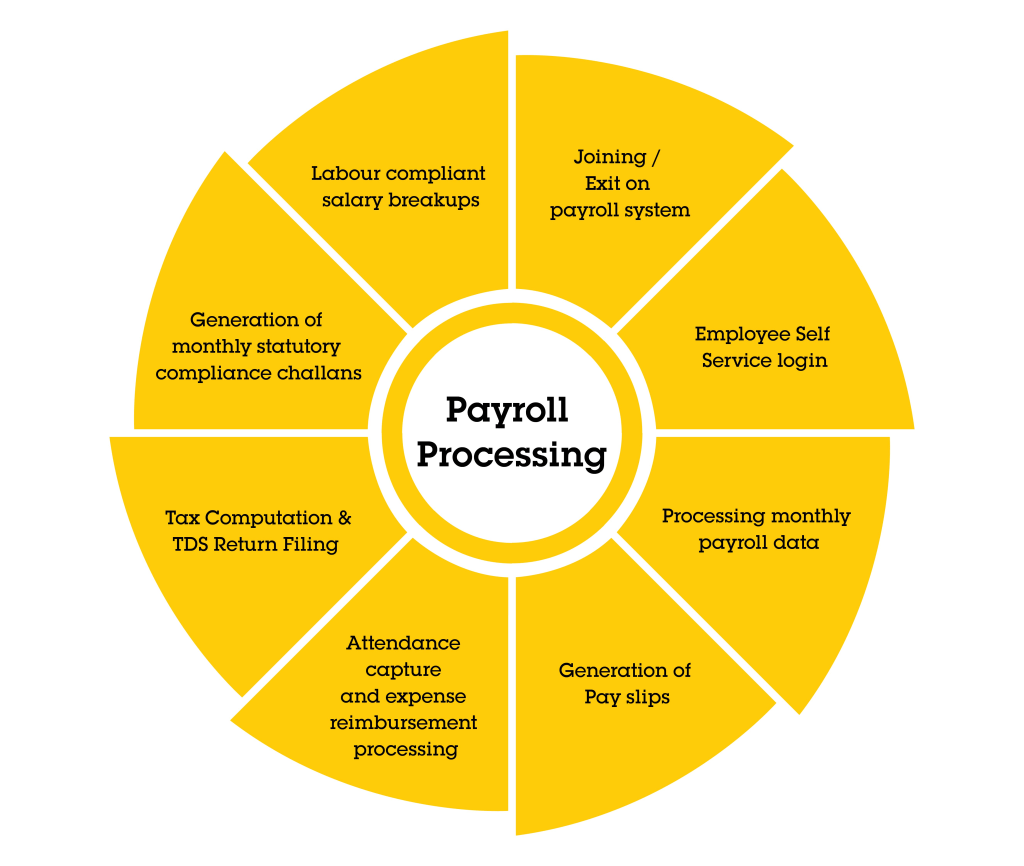
Final payroll closure begins with the consolidation of timesheets across all shooting locations. Every crew member’s working days, overtime, and contractual terms must be verified and aligned with agreed rates. International productions frequently engage crew under different labour laws, requiring country-specific payroll processing and tax withholding compliance. End-of-contract documentation, including final settlements and statutory filings, must be completed in accordance with each jurisdiction’s legal requirements.
Vendor reconciliation runs alongside payroll closure. All supplier invoices must be validated against purchase orders, ensuring that costs align with approved budgets. Discrepancies between quoted and actual costs are resolved at this stage, and final payments are processed only after verification. This ensures that the production’s financial records remain audit-ready and defensible.
Multi-currency close-out adds another layer of complexity. Productions operating across regions must finalise exchange rates against initial budget assumptions, documenting any currency gains or losses. These adjustments directly impact the final cost report, which is submitted to investors, insurers, and completion guarantors. Accurate currency reconciliation is critical, as even minor discrepancies can affect the production’s financial transparency and reporting credibility.

Incentive Audit Documentation and Rebate Claim Preparation
Incentive audit preparation determines whether a production successfully recovers its घोषित rebates. Each territory enforces specific documentation standards that must be met before any incentive payment is approved. This process begins with compiling detailed cost statements that categorise all qualifying expenditures according to the rules defined by the respective incentive authority.
European rebate systems such as FICA in Portugal, TRIP in France, and DFFF in Germany require highly structured audit documentation. Productions must demonstrate that all claimed expenses meet eligibility criteria and are supported by verifiable invoices, contracts, and payment records. The audit process is rigorous, and incomplete or inconsistent documentation can lead to partial or complete rejection of claims.
In the Middle East, incentive frameworks such as Jordan’s Royal Film Commission rebate and Abu Dhabi’s ADFC support follow similar verification models. Cost statements must align with pre-approved budgets and spending categories, with clear documentation linking each expense to production activity. India’s state incentive programmes also require detailed compliance reporting, often with additional documentation tied to local employment and spend thresholds.
The financial audit architecture that supports these processes is standardised through frameworks such as the finance audit Indian film production guide, which outlines how productions structure audit-ready documentation across corridors. This ensures consistency in reporting while accommodating territory-specific requirements.
In effect, payroll closure and incentive audit preparation are not isolated tasks but interconnected systems. Only when payroll, vendor reconciliation, currency adjustments, and audit documentation are fully aligned can a production achieve complete financial closure and access its entitled incentive returns.

Post-Production Obligations Across Production Corridors
Post-production coordination for international productions is defined by corridor-specific compliance requirements rather than by where editing or finishing takes place. The obligations that govern post-production are determined at the point of production—based on location, incentive framework, and regulatory structure—not during post-production itself. This distinction is critical. Productions that fail to align their documentation and reporting processes during principal photography cannot correct deficiencies after the shoot ends.
Each corridor operates under its own compliance architecture, with distinct audit standards, submission timelines, and financial verification processes. As a result, post-production coordination must be planned with full awareness of these territorial requirements. The closing phase becomes a continuation of compliance systems established earlier, rather than an isolated wrap-up stage.

Europe — Compliance-Contingent Post-Production and Rebate Audit
European production corridors operate on compliance-contingent incentive systems. This means that rebate disbursement is not automatic; it is released only after post-production audit confirms that all qualifying spend has been incurred, documented, and verified according to programme rules. This structure places significant pressure on post-production coordination, as financial recovery depends entirely on audit accuracy.
Frameworks such as UK High-End Television (HETV) Tax Relief, France’s TRIP, Portugal’s FICA, and Germany’s DFFF each define their own audit criteria. These include strict documentation standards, eligible cost classifications, and defined submission timelines. Productions must generate detailed cost reports supported by invoices, contracts, and payment confirmations that align precisely with approved budgets.
The critical factor is that these requirements cannot be reconstructed retrospectively. Documentation must be captured correctly during production, including vendor contracts, payroll records, and spend categorisation. Any gaps in this data will surface during post-production audit and can lead to reduced or rejected claims.
The broader compliance architecture governing these systems is structured through frameworks such as the Europe controlled compliance hub, which outlines how productions align pre-production planning, production execution, and post-production audit into a single continuous compliance workflow. In this context, post-production coordination functions as the audit delivery mechanism rather than a corrective stage.

Middle East and India — Post-Production Requirements by Corridor
In the Middle East and India, post-production obligations follow a similar compliance-driven model but operate under different administrative frameworks. Incentive claims are tied to defined submission windows and require cost statements that align with pre-approved budgets and eligible spend categories. Timing is critical, as delayed or incomplete submissions can affect eligibility for financial support.
Jordan’s Royal Film Commission rebate requires productions to submit audited cost statements within a specified period after wrap. These submissions must demonstrate that all claimed expenses meet qualifying criteria and are supported by verifiable documentation. Abu Dhabi’s ADFC framework follows a comparable structure, requiring detailed financial reporting and compliance with approved production plans.
India’s state-level incentive programmes introduce additional layers of reporting. Productions must submit post-production compliance documentation to state film development corporations, often including proof of local spend, employment metrics, and location usage. These requirements vary by state, making coordination across multiple Indian regions more complex.
Operationally, these corridors rely heavily on structured local execution to ensure compliance. This is where systems outlined under line producer Middle East frameworks become critical, integrating financial tracking, documentation control, and submission management across territories. The role of post-production coordination in this context is to consolidate all financial and compliance data into audit-ready formats that meet each authority’s standards.
Ultimately, corridor-specific obligations define the success of post-production coordination. Productions that align their workflows with these requirements from the outset are able to close efficiently, secure incentive returns, and maintain financial accuracy across all regions involved.

Production Accounting, Insurance Close-Out and Legal Delivery
The final phase of post-production coordination is defined by accounting closure, insurance wind-down, and legal delivery compliance. This stage determines whether a production is commercially deliverable and legally protected across all intended distribution territories. Unlike earlier phases that focus on execution and financial reconciliation, this layer ensures that the production satisfies the obligations required by completion guarantors, insurers, and distributors. Without completing these steps accurately, a project cannot be released, monetised, or insured against future claims.
This phase operates as a formal close-out system where financial reporting, risk coverage, and legal documentation converge. Each component must align with contractual commitments established during financing and pre-production. The role of post-production coordination here is to ensure that all documentation is complete, verifiable, and structured to meet third-party approval standards.
Completion Bond Release and Insurance Documentation
Completion bond release is a critical milestone in production closure. The completion guarantor requires submission of the final cost report, confirming that the production has been delivered within its approved budget and schedule. This report must reconcile all production expenses, including payroll, vendor payments, and contingency usage, against the original financial plan. Any deviation must be justified and documented.
In addition to financial reporting, productions must provide schedule adherence documentation. This includes proof that principal photography and post-production timelines were completed within agreed parameters. The guarantor uses this information to assess whether the production fulfilled its delivery obligations. Once verified, the bond is formally released, signalling that the production has met its contractual commitments.
Insurance close-out runs parallel to this process. Production insurance policies must be formally wound down, with all active coverage periods closed and any outstanding claims filed within the designated reporting window. Equipment returns must be verified, and loss or damage claims, if any, must be documented and resolved. This ensures that the production exits its insured period without unresolved liabilities.
Together, completion bond release and insurance closure establish financial and operational finality. They confirm that the production has been executed as planned and that all risk exposures have been accounted for and addressed.

E&O Insurance, Content Clearance and Legal Delivery Requirements
Errors and Omissions (E&O) insurance represents the final legal clearance layer required before distribution. Distributors and OTT platforms will not accept delivery unless E&O coverage is in place, confirming that the content is legally cleared for release. This process involves verifying that all rights associated with the production are properly secured and documented.
Content clearance includes multiple components. Music usage must be licensed, with rights obtained for all territories in which the content will be distributed. Location releases must be compiled and validated, ensuring that all filming permissions are documented. Talent contracts must confirm performance rights, usage terms, and distribution scope. Archive footage, if used, must be licensed with clear documentation specifying usage rights and duration.
For international co-productions, E&O clearance extends across multiple jurisdictions. Each territory may impose specific legal requirements, and the clearance process must account for all distribution regions simultaneously. This creates a multi-jurisdiction compliance framework that runs parallel to technical delivery.
The post-production coordinator manages this process by consolidating all legal documentation into a delivery-ready package. This includes clearance reports, rights documentation, and insurance certificates. Only when these elements are verified and approved can the production be delivered to platforms and distributors.
In effect, production accounting, insurance closure, and legal delivery form the final gate in post-production coordination. They ensure that the project is not only complete but also compliant, protected, and ready for commercial exploitation across all intended markets.
