
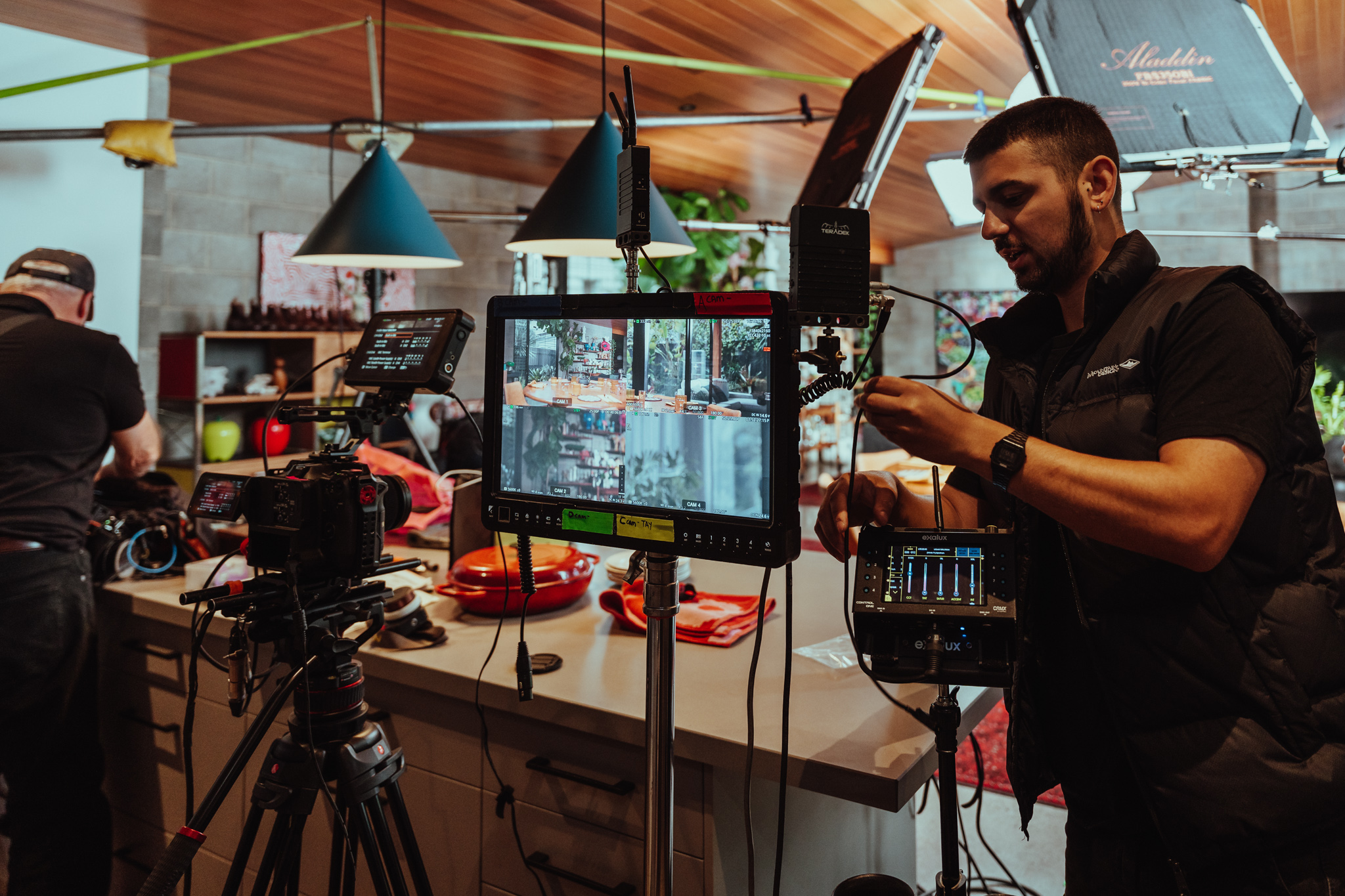
Foundations of Film Production Logistics
Film production logistics forms the operational backbone of any professional shoot. While creative departments often receive public attention, the physical movement of people, equipment, permits, and schedules determines whether a production can function efficiently. Large productions operate as temporary organizations, requiring structured planning systems that coordinate multiple departments, suppliers, and locations.
Logistical planning begins long before cameras roll. Production teams must evaluate location accessibility, crew accommodation, equipment transport routes, and regulatory requirements. These variables influence budgets, scheduling feasibility, and operational risk. Consequently, logistics planning is not simply administrative work; it is a strategic layer that shapes how a production unfolds across time and geography.
Modern film productions increasingly rely on structured operational frameworks rather than ad-hoc coordination. As productions scale across multiple regions and countries, logistical planning becomes more complex. A single project may involve dozens of departments, hundreds of crew members, and multiple filming environments. Understanding how global film production systems evolved to manage complex operational logistics helps explain why logistics planning now resembles project management systems used in large industrial operations.
That coordination starts before a single truck moves. A structured location feasibility and risk assessment confirms each environment can support the crew scale, equipment movement and schedule load being planned for it.
Ultimately, effective film production logistics ensures that creative work remains uninterrupted. When transport, scheduling, and crew movement operate smoothly, production units can focus on performance, cinematography, and storytelling without operational disruptions.
Operational Planning Before Production Begins
Operational planning forms the first stage of film production logistics. During pre-production, teams must convert the script into a workable execution plan that accounts for locations, schedules, technical requirements, and crew availability. This phase determines how a project will move from concept to physical production.
Script breakdowns typically initiate the process. Each scene is analyzed to identify locations, equipment needs, cast presence, special effects, props, and crew requirements. These details are then translated into production schedules and logistical planning documents. Without this structured preparation, large productions quickly face delays, cost overruns, or operational bottlenecks.
Location feasibility also plays a central role during planning. Teams assess whether filming environments can accommodate equipment trucks, lighting rigs, camera cranes, and support vehicles. Accessibility, local regulations, safety conditions, and weather patterns all influence whether a location is viable for production.
Modern productions treat logistical planning as an integrated system rather than a set of isolated tasks. Scheduling, crew mobility, transport routes, and departmental dependencies must all align within a single operational framework. Examining how film production execution frameworks structure international shooting logistics illustrates how these planning systems organize production activity across multiple departments and regions.
Effective operational planning reduces uncertainty during shooting. By anticipating logistical challenges early, production teams create stable conditions that allow filming to proceed efficiently once the cameras begin rolling.

Structuring Crew, Equipment, and Transport Logistics
Once operational planning is complete, productions must organize the physical movement of crews and equipment. Film productions typically involve dozens of specialized departments, each responsible for distinct technical responsibilities such as cinematography, art direction, lighting, sound, costumes, and production design. Coordinating these teams requires structured logistical management.
Crew mobility is one of the first considerations. Transport systems must move cast and crew between accommodation, locations, and production bases while maintaining strict schedules. For large productions, transport fleets may include passenger vehicles, technical vans, lighting trucks, equipment carriers, and specialized rigs.
Equipment logistics adds another layer of complexity. Cameras, lighting systems, generators, props, and set materials must arrive on location in precise sequence to support shooting schedules. Delays in equipment delivery can disrupt entire production days, increasing costs and creating scheduling conflicts.
Transport planning therefore operates as a synchronized system. Production teams must account for loading schedules, route planning, equipment protection, and safety compliance. In multi-location productions, equipment may travel between locations overnight to maintain continuity in shooting schedules.
When these logistical systems function effectively, production departments can operate without interruption. Structured crew coordination and equipment transport allow directors and cinematographers to focus on creative execution rather than operational challenges, reinforcing the critical role of logistics within modern filmmaking.
Coordination Systems Managing Film Production Crews
Film productions function as complex organizational structures composed of multiple specialized departments. Each department performs distinct responsibilities, yet their work must remain synchronized throughout the production schedule. Coordination systems therefore serve as the central mechanism that keeps the entire production unit aligned.
In small productions, coordination may occur through informal communication between department heads. However, large film productions require structured coordination frameworks. Hundreds of crew members must follow unified schedules, safety protocols, and departmental dependencies. Without a coordinated operational structure, departments may conflict over resources, equipment access, or shooting priorities.
Production coordination typically revolves around centralized leadership. Line producers, production managers, and assistant directors oversee scheduling, crew deployment, and departmental alignment. These roles function as operational nodes connecting creative departments with logistical systems.
As productions expand across multiple locations or countries, coordination frameworks become even more important. Global productions often involve international crews, external vendors, and multiple filming units operating simultaneously. Understanding how line production execution frameworks organize operational teams during film production demonstrates how structured coordination systems allow complex production units to function efficiently.
Effective coordination ultimately ensures that each department contributes to the same production timeline, minimizing delays and operational conflicts during filming.

Department Coordination Across Production Units
Film productions rarely operate as a single unified team. Instead, they are divided into specialized departments such as camera, lighting, art direction, wardrobe, sound, and production design. Each department has independent responsibilities, yet their activities must align with the shooting schedule.
Department coordination begins with detailed production schedules and call sheets. These documents outline daily filming plans, specifying which scenes will be shot, which actors are required, and which departments must prepare equipment or set elements. Department heads rely on these schedules to plan crew assignments and technical setups.
Coordination also requires constant communication between departments. For example, the camera department cannot begin filming until lighting teams complete their setups and art departments finalize set design. Similarly, wardrobe and makeup teams must prepare actors before they appear on camera. These interdependencies require precise timing and operational discipline.
Large productions often operate multiple filming units simultaneously, such as second units responsible for action sequences or establishing shots. Coordinating these units requires additional oversight to ensure continuity in visual style, scheduling, and resource allocation.
When department coordination operates effectively, production units function as synchronized systems rather than isolated teams. This alignment allows productions to maintain efficiency while preserving the creative integrity of each scene.
Communication Protocols for Large Film Crews
Communication systems play a critical role in coordinating film production crews. On large sets, hundreds of individuals may be working simultaneously across different departments and physical locations. Without structured communication protocols, operational confusion can quickly emerge.
Assistant directors typically manage communication during filming. They relay instructions from the director, coordinate department readiness, and maintain adherence to the shooting schedule. Radio systems, digital communication platforms, and centralized command structures allow information to flow efficiently across the production environment.
Call sheets provide another essential communication tool. Distributed daily to all crew members, call sheets contain detailed instructions about filming locations, schedules, weather conditions, contact information, and departmental responsibilities. These documents help ensure that every crew member understands their role within the production workflow.
International productions add further complexity to communication systems. When crews from different countries collaborate, language differences, regulatory procedures, and cultural working practices must be managed carefully. In these situations, coordination often relies on established industry frameworks and experienced production leadership.
Understanding global network structures coordinating international line production teams reveals how large-scale productions maintain communication across multiple countries and operational environments.
Effective communication protocols reduce uncertainty on set. By ensuring that every department receives timely and accurate information, production teams maintain operational efficiency while minimizing costly disruptions during filming.
These coordination systems translate directly into disciplined execution during filming. Clearly defined on-set procedures and etiquette ensure that communication flows efficiently between departments, roles are respected within the chain of command, and operational disruptions are minimized. When crews follow structured on-set behaviour standards, coordination frameworks function as intended, allowing production units to maintain timing, safety, and execution consistency across complex filming environments.

Location Logistics and On-Ground Production Management
Location logistics represent one of the most demanding aspects of film production management. While planning and scheduling occur during pre-production, the real complexity emerges once crews begin operating across physical environments. Production teams must coordinate transport systems, location access, equipment movement, and vendor operations while maintaining strict filming schedules.
Each filming location introduces operational variables that affect logistics planning. Accessibility, infrastructure, weather conditions, local regulations, and environmental constraints all influence how production units operate on location. Urban environments may present traffic and permitting challenges, while remote environments can introduce equipment transport difficulties and safety considerations.
Because of these factors, production teams typically conduct extensive feasibility evaluations before committing to a location. These evaluations examine logistical viability, transportation routes, crew accommodation, equipment staging areas, and risk conditions that may affect production timelines. Understanding how location feasibility and operational risk assessment guide production planning helps illustrate how productions determine whether a location can support the operational demands of a shoot.
Once filming begins, location logistics shift toward execution. Production teams must maintain synchronized movement of crew members, technical equipment, and departmental resources while ensuring that filming continues without interruption. Effective on-ground management allows complex productions to operate across diverse environments while maintaining schedule discipline and operational stability.

Moving Film Crews Between Locations
Moving film crews between locations is a core logistical challenge during production. Even moderately sized productions may involve dozens of crew members, while large international projects can involve hundreds of personnel traveling between filming environments on a daily basis.
Transport planning therefore becomes a structured system. Production teams organize vehicle fleets that may include passenger vans, technical transport trucks, lighting equipment vehicles, and mobile production units. These vehicles must operate according to tightly controlled schedules so that departments arrive on location in the correct sequence.
Crew mobility also affects scheduling efficiency. If departments arrive too early, valuable working time may be lost waiting for equipment or location readiness. If they arrive late, filming delays can ripple through the entire production schedule. Transport logistics must therefore align precisely with shooting timelines.
In productions spanning multiple regions or cities, accommodation logistics become equally important. Crew members must be housed close enough to filming locations to allow reliable daily movement while maintaining adequate rest schedules.
Managing these variables requires coordination between production managers, transport teams, and location departments. When executed properly, crew mobility systems enable productions to move fluidly between filming environments without compromising efficiency or safety.

Managing Equipment Transport and Local Vendors
Equipment transport represents another critical dimension of location logistics. Cameras, lighting rigs, generators, sound equipment, props, and set materials must arrive on location at precise times to support the filming schedule. Any disruption in equipment movement can halt production activity.
Transport planning therefore begins with equipment sequencing. Departments determine which equipment must arrive first to begin setup. For example, art departments often prepare sets before camera and lighting teams begin installation. Coordinating this sequence ensures that departments can work without operational conflicts.
Local vendors also play a significant role in supporting production logistics. Productions frequently rely on regional suppliers for equipment rentals, vehicles, catering services, construction materials, and technical support. Working with reliable local vendors reduces transport distances and allows production teams to respond quickly to on-set requirements.
Managing these operational relationships often falls under the responsibility of line producers and production managers. Their role includes negotiating vendor contracts, coordinating equipment rentals, and ensuring that local suppliers integrate smoothly into the production workflow. Many international projects therefore depend on line producer services supporting complex film productions in India to manage vendor coordination and on-ground logistical operations.
Effective equipment logistics and vendor management help productions maintain continuity across locations while minimizing operational disruptions during filming.

Logistics Challenges in International Film Productions
International film productions introduce an additional layer of logistical complexity. When productions operate across national borders, coordination systems must account for regulatory frameworks, customs procedures, international transport logistics, and diverse working environments.
Unlike domestic productions, international shoots often require specialized planning for equipment transport, crew mobility, and regulatory compliance. Cameras, lighting equipment, and technical gear frequently cross borders multiple times during a production schedule. These movements must comply with customs procedures, documentation requirements, and local filming regulations.
International productions also operate within varied logistical infrastructures. Transport networks, vendor availability, and regulatory processes may differ significantly between countries. Production teams must therefore adapt their operational systems to each region while maintaining continuity in scheduling and resource allocation.
As productions increasingly span multiple countries, logistical frameworks have evolved to support these distributed operations. Understanding how multi-country production execution systems coordinate international shoots helps illustrate how production teams manage operational workflows across several filming environments.
The ability to coordinate these complex logistical systems has become essential for modern international filmmaking.
Cross-Border Equipment Movement and Compliance
Moving production equipment across borders requires careful regulatory coordination. Cameras, lighting systems, drones, and specialized technical gear often travel with production teams from one country to another. These movements must comply with customs regulations and documentation requirements.
To facilitate temporary equipment movement, productions commonly rely on international customs documentation systems such as ATA Carnets. These documents allow equipment to enter and exit countries without incurring import duties, provided the equipment leaves the country after filming concludes.
However, customs procedures are only one part of the process. Productions must also comply with local filming regulations, safety rules, and permit requirements. Certain equipment—such as drones, weapons props, or explosives used in action scenes—may require additional regulatory approval before they can be used on set.
Transport logistics must also account for equipment protection during long-distance travel. Sensitive cameras, lenses, and lighting gear require specialized packaging and climate control to prevent damage.
Managing these regulatory and logistical variables demands coordination between production managers, logistics teams, and local partners. Without careful planning, equipment delays at customs checkpoints can halt filming schedules and generate significant financial losses.

Coordinating Multi-Country Production Operations
When film productions span multiple countries, coordination extends beyond equipment transport to include scheduling, crew management, and regulatory planning. Productions must maintain continuity in creative direction while adapting to operational differences between filming environments.
Multi-country productions often divide filming into regional segments. Each segment may involve different location teams, vendors, and regulatory frameworks. Coordinating these segments requires centralized planning to ensure that all filming units follow the same production timeline.
Communication systems become particularly important in these scenarios. Production teams must share schedules, budget updates, location changes, and technical requirements across international teams. Digital collaboration platforms and structured reporting systems help maintain transparency between units operating in different regions.
Understanding how global film production networks support cross-border filming operations demonstrates how international productions coordinate logistics across multiple territories.
Through these structured coordination systems, large productions can operate across continents while maintaining consistency in creative output and operational efficiency.
Technology Improving Film Production Logistics
Modern film production logistics increasingly depend on digital systems that help coordinate complex operational environments. As productions grow in scale and operate across multiple locations, traditional manual coordination methods are no longer sufficient to manage the volume of scheduling, communication, and logistical data involved.
Technology now plays a central role in organizing production workflows. Digital platforms allow production teams to manage schedules, track crew availability, monitor equipment movement, and coordinate departmental activities through centralized systems. These tools create structured communication channels that ensure information flows efficiently across all units involved in a production.
The integration of technology has also improved visibility across production operations. Department heads can access shared planning systems to monitor scheduling changes, logistical requirements, and location updates in real time. This transparency helps production teams respond quickly to operational challenges without disrupting filming schedules.
Understanding advances shaping film production technology and modern workflow coordination highlights how digital infrastructure has become a critical component of modern film production logistics. By integrating technology into operational planning, productions can manage complex logistical networks while maintaining efficiency and coordination across departments.

Digital Scheduling and Production Management Systems
Digital scheduling systems have transformed how film productions organize operational timelines. In earlier production models, schedules were often managed through printed call sheets and manual coordination between departments. While these systems worked for smaller productions, they were difficult to maintain when productions involved multiple locations and large crews.
Modern production management platforms now centralize scheduling data within digital environments. These systems allow production teams to update call sheets, shooting schedules, and departmental timelines instantly, ensuring that all crew members receive accurate and current information.
Digital scheduling platforms also support scenario planning. Production managers can simulate schedule adjustments when unexpected challenges arise, such as weather disruptions, location availability changes, or equipment delays. This ability to revise schedules quickly helps productions maintain continuity even when operational variables shift.
Additionally, digital production management tools integrate logistical data with financial tracking systems. Budget managers can monitor how scheduling decisions influence production costs, enabling more precise financial control.
Through these systems, film productions can coordinate large-scale logistical operations while maintaining flexibility and operational clarity.
Real-Time Coordination Platforms for Film Crews
Real-time coordination platforms have become essential tools for managing large film crews operating across multiple departments. Modern productions involve complex communication networks between directors, production managers, technical departments, location teams, and logistics personnel.
Digital communication platforms allow these teams to share information instantly. Production updates, location changes, equipment requirements, and safety notifications can be distributed to all relevant departments without delays. This real-time information flow reduces the risk of miscommunication that could disrupt filming schedules.
Many productions now rely on integrated coordination platforms that combine messaging systems, document sharing, scheduling tools, and location mapping within a single digital environment. These systems allow production managers to monitor operational progress while ensuring that departments remain aligned with the filming schedule.
Technology-driven coordination systems have also improved the ability of productions to manage distributed teams. As international productions increasingly operate across multiple filming locations, digital communication tools allow remote departments to remain connected to on-set activities.
Examining how technology is transforming operational coordination in Indian film production demonstrates how digital tools are reshaping logistical coordination across modern film sets. These systems allow production teams to maintain operational clarity even in highly complex production environments.
Conclusion
Film production logistics form the operational backbone of modern filmmaking. Behind every completed film lies an intricate system of planning, coordination, transportation, equipment management, and departmental collaboration. These logistical systems ensure that creative ideas can be translated into structured production workflows capable of operating across complex environments.
As productions grow in scale, logistics management becomes increasingly sophisticated. Coordinating large crews, multiple filming locations, specialized equipment, and vendor networks requires detailed planning and disciplined operational execution. Effective coordination systems allow production teams to maintain continuity while adapting to the changing conditions that arise during filming.
International productions introduce additional challenges. Cross-border equipment movement, regulatory compliance, and multi-country scheduling demand logistical frameworks that can operate across diverse legal and operational environments. These complexities highlight the importance of structured coordination systems that maintain operational stability throughout production.
Line producers play a critical role within these systems. By organizing resources, managing departmental coordination, and overseeing logistical execution, they ensure that production infrastructure supports the creative process without disruption.
Looking forward, technology will continue to shape how film production logistics operate. Digital scheduling platforms, real-time coordination systems, and integrated production management tools are already transforming operational workflows. As these technologies evolve, they will further enhance the ability of production teams to manage increasingly complex filmmaking environments while maintaining efficiency, flexibility, and operational precision.
