
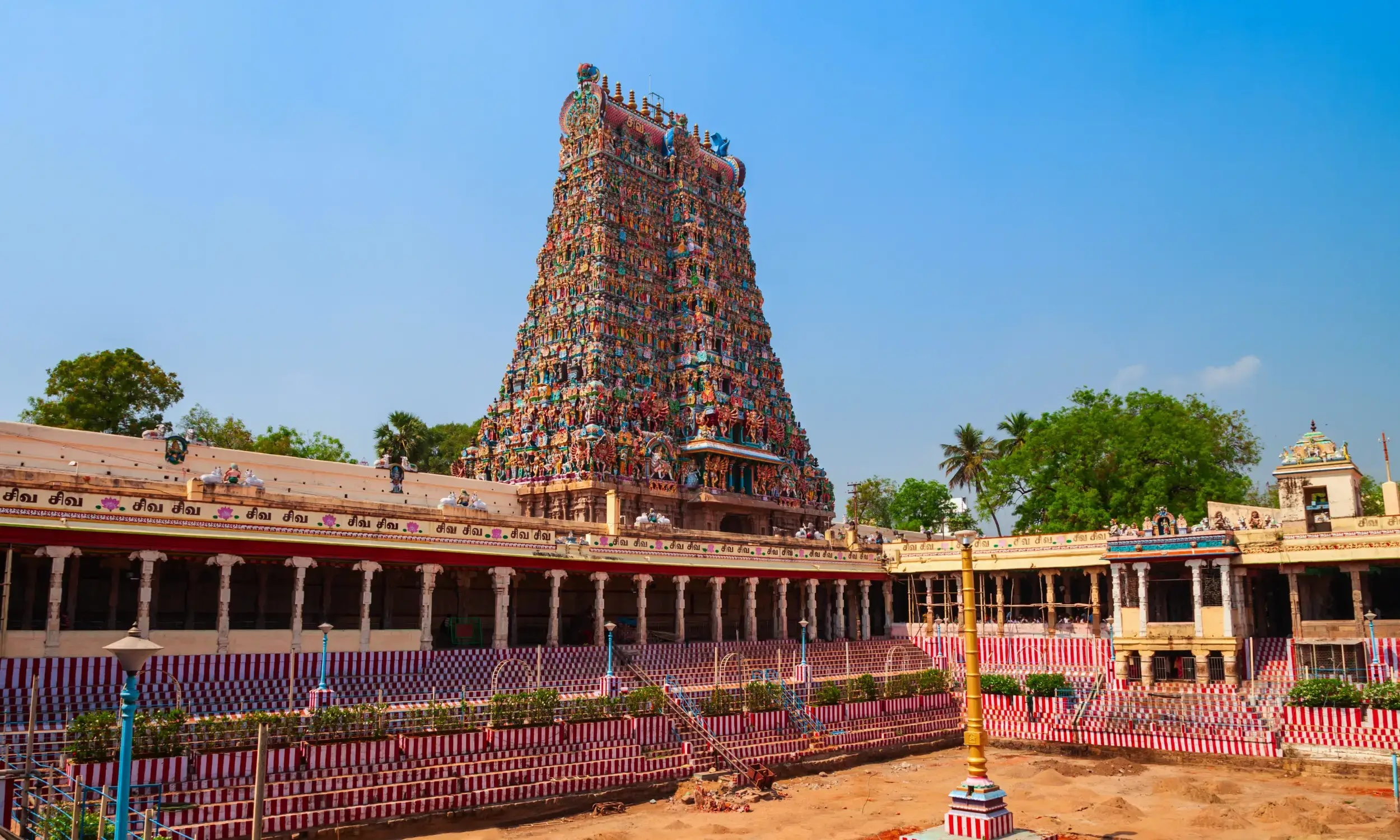
A religious site can be central to a film and still be unavailable for filming. Before building a schedule around a temple, dargah, mosque, church or gurdwara, establish who manages the particular space and whether they will consider the proposed activity.
Permission to visit is not permission to bring a production unit. Explain what you intend to film, where the camera and crew would work, and whether the scene involves performers, dialogue, lighting or worshippers.
Permission for the location is separate from filming permission in India applicable to the production.
Who Can Approve Filming at a Religious Site?
Religious sites have different ownership and management arrangements. Their management may involve a trust, a statutory committee, a religious institution or a public authority, and more than one of these can have a say over the same site. The body managing the space, and the person within it authorised to approve filming, need to be identified for that specific site before a request is prepared.
- Temple trusts, management boards, shrine committees and other administering bodies vary by site and by state; one arrangement should not be assumed to apply elsewhere.
- An introduction or support from a religious figure does not itself establish authority to approve filming. Confirm who is authorised to decide for the requested space and activity.
- Confirm precisely which spaces an approval covers: an outer courtyard, a specific hall, or the sanctum itself can sit under different conditions even within the same complex.
When Religious Monuments Also Have Heritage Protection
Religious monuments may remain active places of worship, but their religious significance and heritage-protection status are separate considerations. A temple or shrine being old, or commonly described as a monument, does not by itself establish that ASI filming permission applies. Equally, continuing worship does not rule out heritage protection.
Virupaksha Temple at Hampi illustrates this overlap: it remains a place of worship, while the temple and complex are centrally protected. For a shoot spanning these locations, film fixers in Hampi, Badami and Pattadakal can help coordinate recce visits and local arrangements within the agreed scope.

Where ASI filming permission applies, the ASI application and licence conditions determine the permitted areas, period and activity. Confirm separately any consent and operating arrangements required by the site’s religious management. Neither should be assumed to replace the other.
Confirm the applicable requirements for the specific site under consideration rather than assuming a fixed sequence of trust consent followed by heritage clearance, or the reverse. Which approvals apply, and in what order they are practical to pursue, depends on the site.
What to Include in the Filming Request
This is a preparation checklist, not a statutory application form. Confirm the documents and process required by the relevant management or authority.
- Production identity and a responsible contact.
- Format, synopsis and the relevant scene or treatment.
- Exact areas requested, with a recce photograph or marked plan where useful.
- Proposed dates, preparation time, filming hours and wrap.
- Crew and cast numbers.
- Camera, lighting, sound, power and other equipment.
- Dialogue, action, costumes, props and any proposed portrayal of rituals.
- Arrangements for visitor movement and avoiding identifiable worshippers where necessary.
- Any requested controlled access or interruption.
- Proposed distribution and use of the footage.
Site management may request additional information beyond this list, or decline the activity outright.
Plan Around Worship and Daily Access
A number of practical questions need settling before a shoot date is fixed, rather than discovered on the day:
- Prayer, services, ceremonies and festival periods.
- Areas closed to visitors or to cameras specifically.
- Footwear, clothing and equipment-handling rules.
- Lighting, sound, cables and power arrangements.
- Whether rituals or worshippers may be recorded at all.
- Where the unit can wait, unload and store equipment.
- What happens if filming conflicts with worship or visitor access on the day.
Quiet hours, a small crew, handheld cameras or a donation do not, by themselves, make filming acceptable at a site that restricts it. Some sites, or some specific activities within them, are simply unavailable for filming, and negotiation is not a guaranteed route around a stated prohibition. TTD has issued a specific warning against filming social-media reels in Tirumala. Check the administration’s current restrictions for the proposed location and activity rather than assuming a filming request will be accepted.
Confirm the Permission Before the Shoot
Before the shoot, seek to have the following recorded in writing with the approving body:
- The approving body and its authorised contact.
- Approved dates, areas and activity.
- Crew and equipment limits.
- Conditions affecting worship and public access.
- Any fees, deposits, insurance or supervision requirements actually specified by the site.
- Who handles changes and shoot-day questions.
A recce visit, an application and an approval are three distinct stages, and reaching one is not evidence of reaching the next. Adjoining roads, parking and traffic control are separate, public-space arrangements where they apply. Filming inside a religious site does not necessarily require a police approval, and whether one is needed depends on the specific location and activity, not a general rule for all religious sites.
A Firsthand Example: Haji Backpacker at Ajmer Dargah
During the May 2014 Haji Backpacker production, permission to film inside Ajmer Dargah remained unresolved while the unit’s Rajasthan schedule approached. Manav Paul’s account describes Salman Bhai’s intervention and the approval that allowed the sequence to proceed. Read the Haji Backpacker Ajmer Dargah filming story for the firsthand account.

That approval was specific to that production, that site and that moment; it does not establish access for another production at Ajmer Dargah or anywhere else.
Before You Commit the Location
If filming is unavailable at the intended site, consider whether a set, a permitted exterior or another location could serve the scene. Assess the visual requirements, construction or hire costs, access and filming conditions separately. Another religious site is not automatically easier to secure, and a location’s appearance in an earlier film does not establish permission for your production.
A short check before the location is written into the schedule:
- Have you identified the authorised management?
- Will it consider the proposed filming?
- Have you checked any heritage protection that may also apply?
- Do the approved areas and hours support the scene?
- Have you accounted for worship, visitors and adjoining access?
- Are any unresolved conditions visible in the production schedule?
If the location cannot accommodate the scene, revise the scene or assess another location on its own terms. Do not build the shoot around an assumption that access will become possible on the day.
