
Global Producers’ film fixers in Cape Town support international features, series, documentaries and commercials with location recce, access enquiries and daily local arrangements. The appointment identifies the locations, dates and tasks requiring support.
The work starts with the brief and the practical requirements of the unit. Recce findings and local enquiries help the production assess access, working space, transport and supplier options before confirming its plans.
For budget preparation, scheduling, supplier commitments and production reporting, our line producer in Cape Town service covers the agreed production-management scope. Fixing can be appointed alongside that service or separately; it does not automatically include budget management or authority to commit expenditure.
What Film Fixers in Cape Town Coordinate
A film fixer gathers local information, follows up assigned enquiries and coordinates arrangements agreed with the production. The scope may include scouting, communication with location contacts, crew and supplier enquiries, transport arrangements and shoot-day support.
Responsibilities depend on the appointment. A fixer may prepare information for an application or track outstanding responses without being the applicant, contracting party or person authorised to approve costs.
The production should identify who confirms bookings, approves expenditure and receives updates. This keeps enquiries distinct from commitments and makes outstanding decisions visible before the unit arrives.
Location Recce and Access Checks
A recce assesses a proposed location against both the creative brief and the practical requirements of filming. Photographs and references help narrow the options, but they do not confirm availability or permission to shoot.
Depending on the brief, the assessment can cover:
- Access hours and the correct owner or management contact.
- Space for the proposed crew, equipment and activity.
- Vehicle access, parking, loading and equipment movement.
- Power, sound conditions and nearby public activity.
- Holding, changing, catering and toilet arrangements.
- Restrictions affecting lighting, set dressing or specialist work.
- Weather exposure and the arrangements needed if plans change.
Findings should distinguish confirmed information from questions still awaiting an answer. Where a location does not meet the brief, another option needs its own assessment rather than being treated as an automatic replacement.
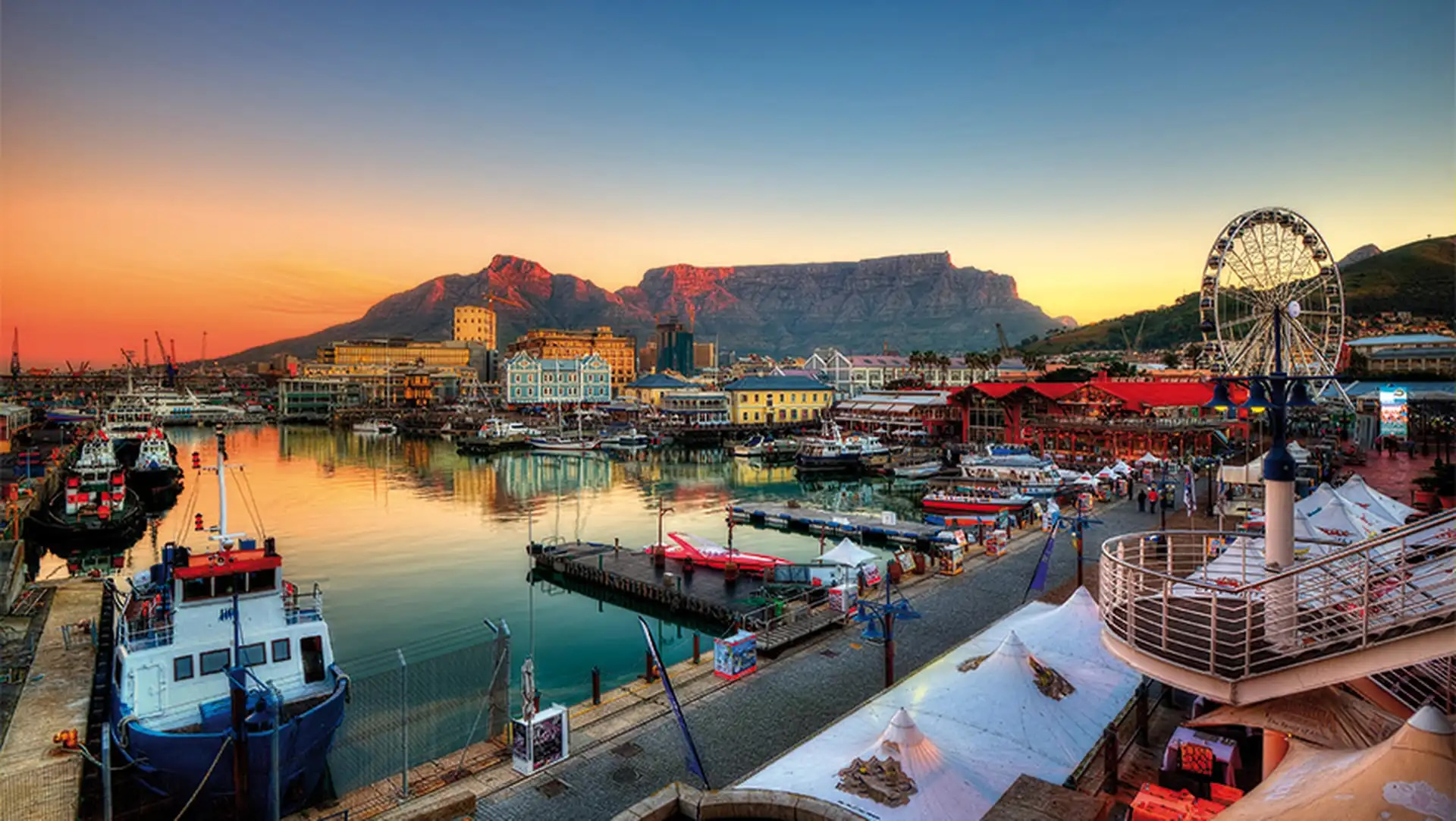
City Bowl, Bo-Kaap and the Waterfront
City locations may involve residents, businesses, visitors and several property contacts. The fixer can establish whom the production needs to approach and gather information about proposed working hours, loading, parking and local activity.
For Bo-Kaap streets, City Bowl properties or Waterfront locations, enquiries should describe the actual shoot rather than rely on a general location reference. Interior access, street activity and use of neighbouring space may involve different permissions or arrangements.
Consultation and communication help the production understand local requirements. They do not replace an approval or guarantee that access will continue if the activity changes.
Cape Peninsula and Coastal Locations
Peninsula and coastal recce can include the proposed filming area, access routes, equipment-carry distances and space for support vehicles. The brief should identify whether the unit needs beach access, elevated viewpoints, roadside positions or specialist activity.

Wind, weather, public use and location restrictions can affect the working plan. The fixer records the relevant information and outstanding checks for the production to assess against its dates and schedule.
An alternative coastal location may differ in access, permissions and transport requirements even when it offers a similar visual setting.
Winelands and Locations Beyond the City
Where the brief includes Stellenbosch, Franschhoek or other locations beyond Cape Town, the fixing scope can include estate enquiries, recce arrangements and local supplier information.
The production assesses travel, accommodation and equipment movements against the actual itinerary. A location outside the city is not assumed to work as a day trip or from the same accommodation base.
For more distant locations, agree which local contacts and services need to be appointed for that part of the shoot.
Permission Coordination and Location Communication
The fixer’s role may include gathering application information, contacting the relevant office or owner, and following up assigned requests. The appointment should identify who submits each application and who keeps the production informed of its status.
Approval rests with the responsible authority or site owner. An enquiry, provisional booking or submitted application should not be described as permission to film.
The Film Cape Town permit guidance provides a starting reference for local permission enquiries. Requirements still need checking against the location and activity, including any separate property, park, road or specialist approvals.
Changes to dates, crew size, equipment or proposed activity should be referred back to the relevant contact. The production needs to know whether revised information, an amendment or another approval is required before proceeding.
Local Crew, Equipment and Transport Enquiries
Film fixing support can include enquiries for local crew, rental equipment, vehicles and other suppliers. Each enquiry should state dates, preparation requirements, technical specifications and the working conditions relevant to the request.
Availability and quotations are reported to the production for its decision. The agreed scope identifies who makes the booking, signs supplier terms and authorises expenditure.
Equipment enquiries should distinguish the required package from optional items and identify preparation, collection and return arrangements. Where personnel or equipment travel into South Africa, the production assigns entry and customs questions to the appropriate specialists.
Transport planning starts with the passenger numbers, equipment load and location access. Pickup arrangements, loading space, parking and vehicle suitability are checked against the itinerary rather than assumed from distance alone.

Working-language or interpretation requirements should also be included in the brief, particularly where departments need to communicate with several local contacts.
Shoot-Day Support and Handover
During filming, the fixer can coordinate the assigned location contacts, transport updates, supplier arrivals and local arrangements. The scope should identify who receives changes from the production and how those changes are communicated.
If access, weather or supplier availability changes, the fixer reports the issue and gathers the information needed for a decision. Changes involving cost, schedule or permissions go to the authorised production contact.
Agreed expense records, supplier information and outstanding matters are handed over at the required intervals. Keeping these records does not, by itself, make the fixer responsible for the production budget or final cost report.
Preparing a Cape Town Fixing Brief
Send the treatment or script outline, proposed dates, location references, expected crew size and equipment requirements. Include any night work, traffic effects, water activity, aerial filming or other specialist requirements.
State whether the request is for an initial recce, access enquiries, supplier coordination, shoot-day support or a combination of these. Identify the production contact responsible for bookings and expenditure approvals.
The appointment then records the tasks, dates, deliverables and reporting arrangements. Location access, supplier availability and any required approvals remain identified as outstanding until confirmed.
