
Filming permits in Portugal depend on the site, the planned activity, the size of the unit and the body responsible for the location. There is no single national permit that covers every location: the Portugal Film Commission explains that filming licences are issued by the central or local administrative authority with jurisdiction over the area, by the owner where private property is involved, and by the police and other bodies with responsibility for the same area, and that several of these may be involved for one shoot.
For each location, establish the public authority or site custodian responsible, obtain owner or manager consent where applicable, and identify any additional requirements for traffic measures, aerial filming, coastal work or protected areas. Several permissions may be needed for the same shoot.
Film Permits Portugal: Identifying the Location Authority
The first task for each location on the shortlist is to establish who has to say yes, and on what. Filming permissions in Portugal are location-specific, so the table below sets out what the production needs to establish for the common cases; the responsible body for a particular site is confirmed with that body before an application is prepared.
| Location or activity | What the production needs to establish |
|---|---|
| Streets and municipal spaces | The municipality responsible for the area, whether the shoot occupies public space or parking, and whether any traffic or policing measures are needed |
| Private property | The owner or authorised representative, the areas agreed for filming, and any use of adjacent public space, parking or noise that would still require municipal authorisation |
| Heritage buildings and monuments | Which body manages the site, such as Museus e Monumentos de Portugal, Património Cultural, a municipality or a private or concessionary manager, and its filming or commercial-use requirements |
| Beaches and coastal locations | Whether the area is a bathing beach under municipal competence or other maritime public domain under the harbour captaincy, with the captaincy’s safety opinion in either case |
| Protected natural areas | The conservation body responsible (ICNF for protected areas in mainland Portugal) and the restrictions that apply to the proposed activity under the site’s rules |
| Drone filming | The ANAC operating category the flight falls under, any authorisation that category requires, and the separate aerial-imagery authorisation from the National Aeronautical Authority |
Roads and railways sit with their own operators: national roads and motorways with Infraestruturas de Portugal and concessionaires, municipal roads with the municipality, and railways with CP and Infraestruturas de Portugal. Road closures or traffic disruption involve the PSP, GNR or municipal police. The PFC guide lists these routes, and its FAQ adds that fees may apply according to the entity and licence involved and are stated in the response to the request.

Documents to Prepare for Filming in Portugal
Each authority sets its own form for film permits in Portugal and asks for its own information, so the list that follows is what a production prepares so that any application can be completed, not a fixed checklist that every body requires. The harbour captaincies, for example, publish the information they expect with a coastal filming request, and municipal and heritage bodies have their own forms.
- Production and applicant details, including the company’s legal identification and the person responsible for coordination and safety.
- Location, dates and working hours, with the exact area shown on a plan or image where the authority asks for one.
- A description of the scene or activity, including anything that affects public use of the space.
- Crew numbers, equipment, vehicles and any structures to be placed, with the area they occupy.
- Use of public space, parking or traffic measures, and whether any road is to be closed or restricted.
- Insurance and safety information where requested, such as civil-liability cover or a security plan.
- Property consent and other supporting documents where applicable, such as an owner’s agreement or a police authorisation for weapons or pyrotechnics.
The documents an authority requires for its application are mandatory for that application; the production’s own records, such as the location schedule, crew list and equipment inventory, are the working documents from which each application is drawn and against which later changes are checked. Keeping the two aligned is what allows a permit to film in Portugal to be applied for, amended and relied on without the submitted details drifting from the shoot.
Our film fixers in Portugal can coordinate local access enquiries, location information and application follow-up within the agreed appointment. Approval decisions remain with the relevant authorities and location owners.
Location Permissions Across Portugal
Lisbon
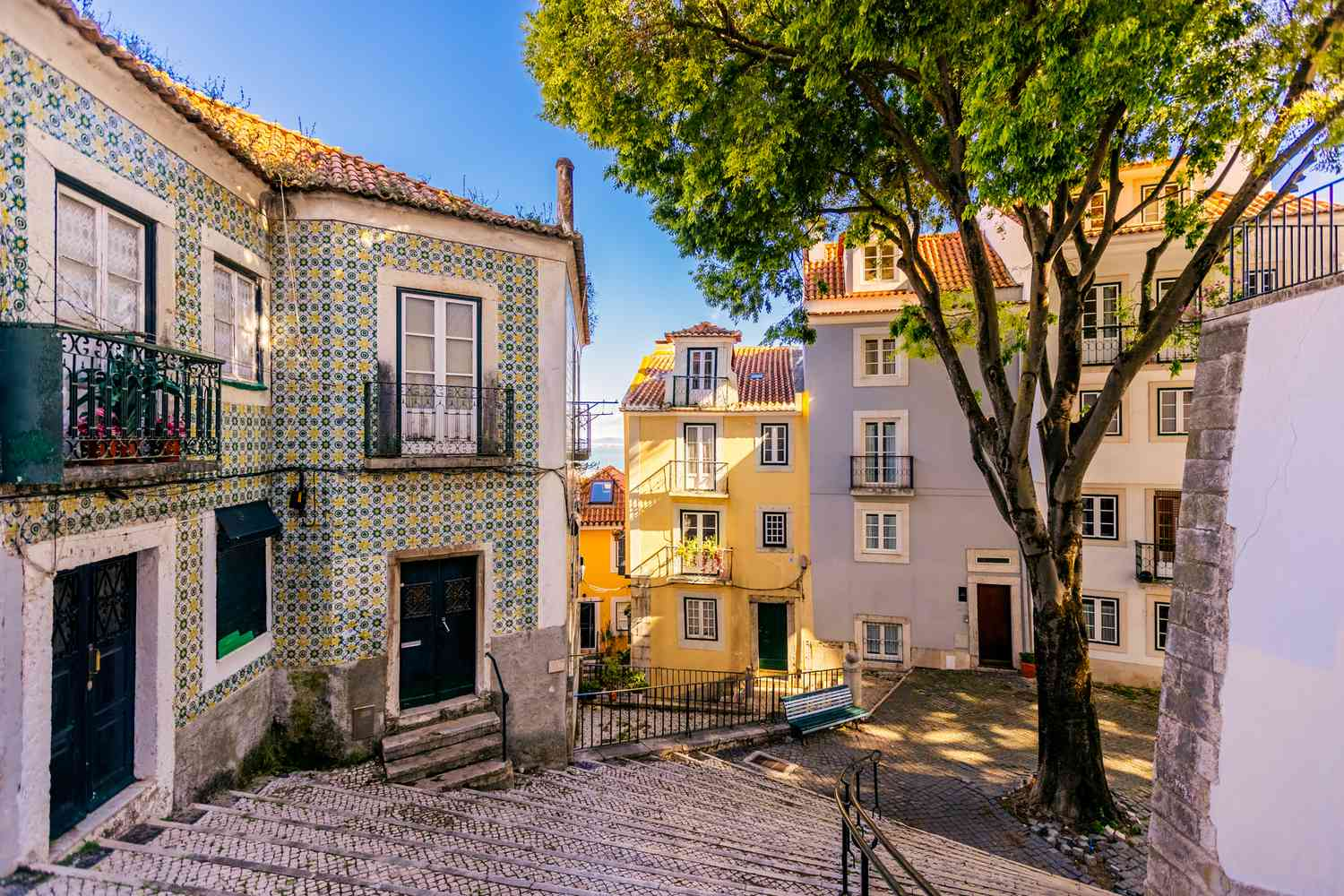
Filming in public space in Lisbon is authorised by the Câmara Municipal de Lisboa, with the Lisboa Film Commission acting as the point of contact within the municipal services for licensing and support. For Lisbon filming permits the production checks which municipal services and police bodies the proposed activity involves, whether the site is in a classified heritage area managed by another body, and the current form, information and fee the municipality requires.
Porto
In Porto, Filmaporto is the municipal film commission and the route for filming in the city’s public spaces. Porto filming permissions for the historic centre are checked site by site, since individual monuments and managed assets inside the classified zone can have their own custodians and conditions in addition to the municipal authorisation.
Regional Locations
Outside the two cities, the same structure applies through the municipality concerned, with regional film commissions such as those for the Algarve, Alentejo and Ribatejo, Centro, Minho and the Azores and Madeira listed by the PFC as contacts. In the autonomous regions of Madeira and the Azores, regional government bodies are involved alongside the municipalities; the production confirms the applicable route with the regional film commission rather than assuming mainland arrangements apply.

Specialist Filming Activities
Drone film permits in Portugal involve separate checks for flight operations and aerial-image capture. Confirm the operating category, geographical restrictions and applicable ANAC requirements with the operator. Open-category operations do not require an ANAC operational authorisation when their conditions are met; other operations follow the applicable authorisation, declaration or certification requirements. Aerial-image capture also has separate National Aeronautical Authority requirements. Confirm these before filming, including any coastal or protected-area restrictions.
Road and traffic work involves the road operator and the relevant police body; coastal, port and in-water filming involves the harbour captaincy or the municipality for bathing beaches, with the Portuguese Environment Agency for inland waters and reservoirs; filming in protected areas in mainland Portugal requires prior authorisation from ICNF; Madeira and the Azores have their own regional requirements, and some areas prohibit filming outright under their own rules. Weapons, pyrotechnics, animals and minors each have their own authorising body, set out in the PFC FAQ.
Filming Permission Costs and Application Timing
Portugal filming permits can carry several distinct costs, and the production separates them in the budget: an authority or application charge where the body levies one; location hire or a commercial-use fee for heritage or managed sites; charges for occupying public space or parking; required supervision such as policing or a maritime-police presence; and the production company’s own coordination fee. Fees are confirmed by each body in its response to the request, so the budget carries them as items to confirm until the response is in hand.
Timing is set by each authority and is not uniform across the country. One published example: the harbour captaincies require a coastal filming request at least three weekdays before the activity, with an urgency fee applying under the maritime authority’s fee schedule if that is not met (PFC FAQ, reviewed October 2026). This is a submission deadline, not a guaranteed approval period; payment of an urgency fee does not establish permission to film. Other bodies set their own periods, so the production obtains an application timetable for each location from the responsible body and schedules the shoot around confirmed responses rather than an assumed national turnaround.
Changes After an Application Is Submitted
A change to dates, locations, crew footprint, equipment or the activity itself is checked against the application it affects before the changed work is scheduled. The production asks the authority or owner whether the change needs an amendment, a fresh approval or an updated agreement, and does not treat filming permission in Portugal as covering what was not applied for. Submitted versions and the responses received are kept together so that what each approval actually covers can be shown on the day.
Coordinating Permissions with the Production Schedule
A line producer in Portugal coordinates permission-dependent dates with the agreed production budget, crew, equipment and supplier commitments. Approval decisions remain with the relevant authorities and location owners.
