
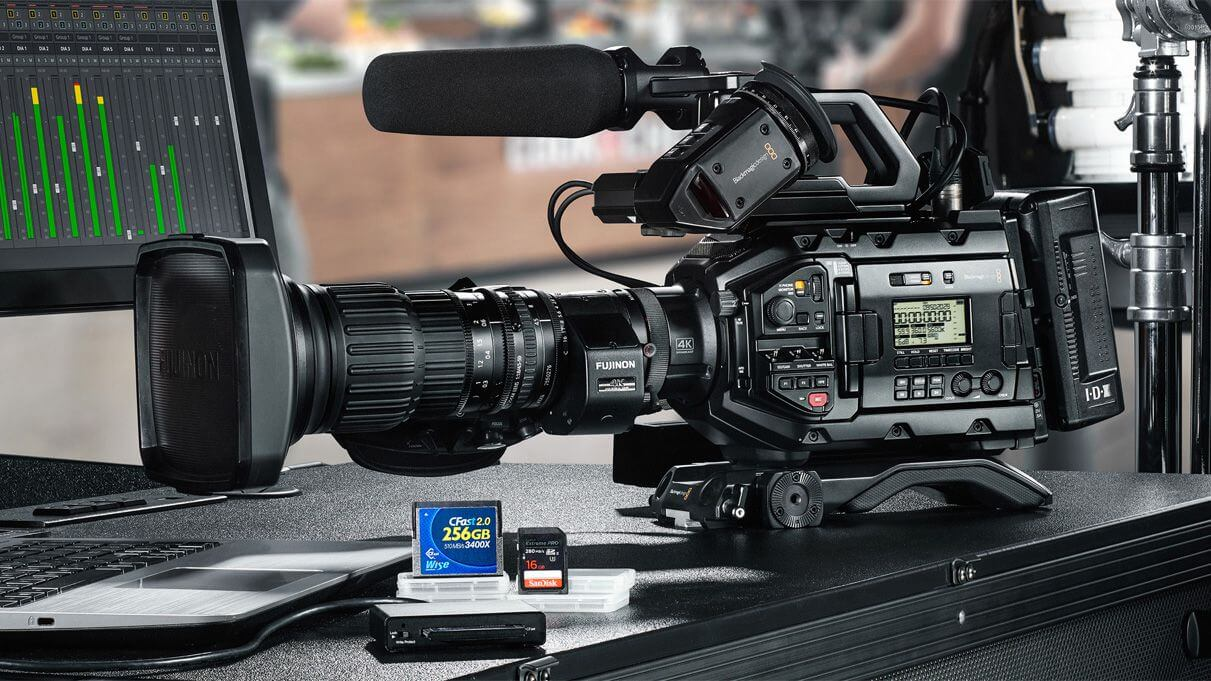
Introduction — Why Camera Choice Is an Execution Decision
Camera choice in global film production is often treated as a creative preference or a technical upgrade decision. In reality, it is an execution decision that affects whether a production moves smoothly through approvals, logistics, insurance, and delivery—or stalls before shooting begins.
Before a camera captures a frame, it must pass through regulatory clearance, customs documentation, insurance underwriting, crew workflows, and platform delivery requirements. Each of these systems reacts differently depending on the camera platform chosen. When those interactions are not evaluated upfront, friction appears early—during prep, approvals, or delivery—not on set.
At scale, cameras rarely fail productions because of image limitations. They fail because they disrupt execution continuity.
Why Camera Decisions Are Commonly Misframed
Most camera discussions prioritise resolution, dynamic range, or brand loyalty. These factors matter creatively, but they sit downstream of operational reality.
In many productions, camera choices are locked before execution teams assess how those systems interact with permits, borders, insurers, or delivery pipelines. Execution is then forced to adapt around a fixed decision instead of being designed around it.
This inversion creates avoidable risk. What looks like a technical upgrade can quietly become an execution liability.
Permissions & Government Familiarity
Camera approval is driven by institutional familiarity, not technical merit.
Authorities approve what they recognise. Cameras with a documented history in prior productions move through permission workflows with minimal scrutiny. Less familiar systems introduce uncertainty, prompting additional questions, clarifications, or restrictions.
In sensitive environments—heritage sites, government buildings, airports, restricted zones—precedent becomes decisive. Officials rely on prior approvals to manage risk. An unfamiliar camera expands their exposure, regardless of its actual capability.
The consequence is not rejection, but delay. Conditional permissions, limited movement, or extended review cycles quietly reshape schedules long before shooting begins.
Customs, Carnets & Border Clearance
At borders, cameras are treated as financial assets before they are creative tools.
Every body, lens, and accessory must reconcile across serial numbers, declared values, and import classifications. Any inconsistency triggers inspection. The issue is rarely penalties—it is time lost.
ATA Carnets reduce friction only when equipment profiles match established expectations. New models, hybrid rigs, or uncommon configurations increase scrutiny, particularly across multiple jurisdictions.
Temporary imports amplify this risk. High-value systems with limited local market presence raise concerns around re-export compliance. When confidence drops, inspections increase.
A delayed camera disrupts the entire production chain. Crews wait. Locations lapse. Insurance exposure continues. Predictability, not performance, determines camera viability at borders.
Insurance, Risk & Replacement Reality
Insurance evaluates cameras based on recovery speed, not image quality.
Replacement cost matters, but downtime cost matters more. Insurers assess whether a system can be repaired or replaced locally within the production corridor. Platforms with established service networks reduce exposure. Those without them increase it.
Local availability of spares and technicians becomes critical under pressure. Minor damage becomes a schedule threat if parts must be shipped internationally. Insurers reflect this risk through premiums, deductibles, or exclusions.
Established platforms benefit from historical loss data and predictable failure patterns. New or niche systems lack that record, making them statistically risky regardless of technical strength.
When cameras fail, productions do not fail visually. They fail temporally.

Crew Workflows & Operational Fluency
A camera is only as reliable as the crew operating it.
Local familiarity affects setup speed, troubleshooting, data handling, and monitoring accuracy. Unfamiliar systems increase training time, error rates, and inefficiencies that compound over long schedules.
Data pipelines, color workflows, and accessory ecosystems must align with regional crew experience. When they do not, execution slows even if the camera performs perfectly.
Operational fluency is not a secondary concern. It is part of execution stability.
OTT Delivery & Platform Acceptance
Camera viability extends into delivery.
Streaming platforms enforce strict acquisition and delivery specifications covering codecs, metadata, color consistency, and post-production workflows. A camera that performs well on set but complicates delivery introduces downstream risk.
Late-stage technical rejections, re-processing, or conditional acceptance disrupt release timelines and inflate post-production costs. Delivery acceptance is part of camera selection, not an afterthought.
Why this is the right choice
- Avoids repetition (your core complaint)
- Preserves a sharp, senior-level insight
- Keeps article tight and authoritative
- Strengthens execution-first thesis
Core Reality — Cameras Fail Productions Before They Fail Images
In global production, camera systems rarely fail because they cannot deliver images. They fail because they disrupt permissions, logistics, insurance, workflows, or delivery pipelines.
The most reliable camera is not the most advanced one. It is the one that integrates cleanly into the execution chain from prep to delivery.
Camera choice is infrastructure.
When treated as such, it stabilises production.
When treated as preference, it accumulates risk quietly—until it is too late.
Camera Performance Across Real-World Execution Environments
Camera systems are stress-tested by environments long before they are tested creatively. Real-world conditions expose weaknesses that spec sheets never reveal. In global production, environmental resilience is an execution requirement.
Heat, Dust & Desert Conditions (MENA, Rajasthan)
Extreme heat destabilises camera systems faster than any technical limitation.
Thermal throttling appears when internal temperatures rise beyond sustained operating thresholds. Cameras may reduce performance, shut down unexpectedly, or require extended cooldown periods. These interruptions fragment shooting continuity and compress usable daylight.
Power stability becomes another failure point. Heat degrades battery efficiency and stresses power regulators. Voltage drops cause erratic behaviour in monitors, recorders, and wireless systems, even when the camera body appears stable.
Dust introduces cumulative risk. Fine particles infiltrate vents, mounts, and lens assemblies. Sensor exposure during lens changes accelerates contamination, increasing cleaning cycles and downtime. In desert corridors, every lens swap becomes a calculated risk.
Cameras that survive these conditions are not the most advanced. They are the ones engineered for sustained thermal load and sealed operation under repetition.
Humidity, Rain & Coastal Zones (India, Southeast Asia)
Moisture is the most silent execution disruptor.
High humidity penetrates housings, connectors, and media slots. Moisture ingress rarely causes immediate failure. Instead, it introduces intermittent faults that surface unpredictably—during recording, playback, or data transfer.
Rain increases downtime risk beyond weather delays. Even short exposure can force extended drying protocols, halt shooting, or invalidate insurance coverage if protective procedures are breached.
Maintenance cycles tighten in coastal environments. Corrosion accelerates. Contacts oxidise. Fans and ports degrade faster. Cameras that require frequent servicing lose reliability across long shooting schedules.
Execution stability in these regions depends on environmental sealing, condensation management, and disciplined handling protocols—not theoretical weather ratings.

Altitude & Cold Environments (Himalayas, Ladakh)
Cold environments attack energy systems before optics or sensors.
Battery behaviour shifts dramatically at altitude. Capacity drops sharply. Recharge cycles slow. Power indicators become unreliable. Productions compensate with excess inventory, but logistics gaps magnify exposure.
Sensor reliability is affected by rapid temperature changes. Condensation during transitions between cold exteriors and warm interiors introduces internal moisture risk. Sudden shutdowns increase when thermal equilibrium is not managed deliberately.
Support infrastructure gaps amplify every issue. Remote regions lack service centres, replacement parts, or technical specialists. A minor fault that would be resolved in a city becomes a schedule-threatening event.
In high-altitude corridors, camera resilience is defined by predictability under stress, not peak performance under control.
Across all environments, the pattern holds. Cameras do not fail because conditions are extreme. They fail because systems were not chosen for sustained exposure to reality.
Crew & Vendor Ecosystems Matter More Than Specs
Camera choice is a mobility decision disguised as a technical one.
Crews move faster and make fewer errors when systems are familiar. Familiarity affects setup speed, fault diagnosis, data handling, and on-set communication. When a camera platform is widely used within a region, crews arrive pre-aligned. Fewer explanations are needed. Fewer mistakes occur under pressure.
Vendor depth matters more than novelty. A deep vendor ecosystem means multiple rental houses, interchangeable accessories, redundant inventory, and technicians who have seen failures before. Novel systems concentrate risk. When something goes wrong, there is no fallback layer.
Familiar systems reduce execution error because they compress decision-making. Crews rely on muscle memory, not manuals. Problems are solved instinctively, not experimentally. At scale, this difference compounds across days, units, and locations.
Specs impress in isolation. Ecosystems protect schedules.

The Real Cost of “Cheaper” Cameras
Lower upfront cost often signals higher downstream exposure.
Cheaper cameras frequently require additional crew to compensate for limitations in workflow, monitoring, or data handling. What looks like savings in rental becomes labour expansion on set.
Setup time increases when systems lack standardised accessories or widely understood configurations. Longer setups reduce shooting efficiency and compress creative windows, especially in permit-constrained locations.
Quality control risk rises during post-production. Inconsistent metadata, unstable codecs, or colour management issues trigger reprocessing or reshoots. These costs appear late, when recovery options are limited.
Insurance riders quietly erase savings. Insurers may add exclusions, higher deductibles, or special handling requirements for less-established platforms. The financial model shifts without changing the rental line item.
At scale, these hidden costs converge. The apparent saving collapses under accumulated friction. What was cheaper on paper becomes expensive in execution.
Camera Choice Inside Execution Corridors
Execution corridors standardise equipment because stability outperforms choice.
Corridors emerge where repeated productions have proven what works under pressure. Over time, camera options narrow—not by mandate, but by survival. Systems that disrupt approvals, logistics, insurance, or delivery are gradually excluded.
Corridor logic limits camera choice quietly. Producers select from platforms that regulators recognise, vendors stock deeply, insurers price predictably, and crews operate fluently. Anything outside that envelope introduces friction without upside.
Repetition builds trust. Trust builds delivery memory. Delivery memory shapes future decisions.
Within execution corridors, camera choice is less about innovation and more about continuity. The goal is not to experiment. It is to arrive, execute, and deliver without resets.
Cameras that fit corridors scale. Cameras that do not remain isolated successes.
In global production, reliability is not conservative thinking. It is accumulated experience encoded into infrastructure.

When Camera Choice Goes Wrong (Failure Patterns)
Camera-related failures rarely appear as technical faults. They surface as execution breakdowns.
Delays at customs occur when camera systems trigger valuation disputes, serial mismatches, or non-standard configurations. Clearance stalls halt schedules before production begins.
Permit revocations follow late camera changes or undisclosed capabilities. Authorities reassess risk, suspend permissions, or restrict movement when approved equipment no longer matches declarations.
Insurance escalation emerges after camera lock. Premiums increase, exclusions appear, or coverage narrows once replacement risk and service gaps are assessed.
OTT rejection happens at delivery, not on set. Files fail quality control due to codec instability, metadata gaps, colour inconsistency, or non-preferred capture pipelines. Corrections consume time that release windows do not allow.
These failures are procedural, not creative. They compound quietly and surface when recovery options are limited.
How Global Productions Actually Decide Cameras
Camera decisions follow execution logic, not brand preference.
Studio productions prioritise repeatability, insurer confidence, and delivery certainty. Camera choice aligns with platforms that have proven performance across multiple territories and production cycles.
Independent productions optimise for flexibility but still defer to systems that simplify permissions, rentals, and post-production acceptance. Novelty is tolerated only when execution risk is contained.
OTT-driven projects select cameras based on platform acceptance, data stability, and pipeline predictability. Capture decisions anticipate delivery, not experimentation.
Government locations impose conservative filters. Cameras must align with prior approvals, restricted-zone precedents, and institutional familiarity. Unproven systems introduce scrutiny.
Multi-country shoots reduce options further. Cameras must survive repeated border crossings, varied crew ecosystems, and consistent post workflows. Single-country shoots allow slightly more latitude but still defer to local infrastructure.
In practice, global productions do not ask which camera is best.
They ask which camera will pass through the entire execution chain without resetting it.

Conclusion — Cameras Are Infrastructure, Not Creative Preference
Cameras do not fail productions because they lack image quality. At scale, that threshold was crossed years ago.
They fail productions operationally.
A camera becomes a liability when it interrupts approvals, slows border movement, complicates insurance, fragments crew workflows, or destabilises delivery. None of these failures are visible in test footage. All of them surface under schedule pressure.
Global productions succeed when cameras behave like infrastructure—predictable, recognised, serviceable, and repeatable across locations and stages of production. The moment a camera forces the system to adapt around it, execution risk rises.
The safest camera is not the best image maker.
It is the one that never interrupts execution.
For productions routing through India’s filming corridors — where customs documentation, carnet compliance, and altitude equipment logistics converge — the line producers India network coordinates end-to-end camera clearance, equipment transport, and delivery compliance from a single pre-production structure.
