
Introduction
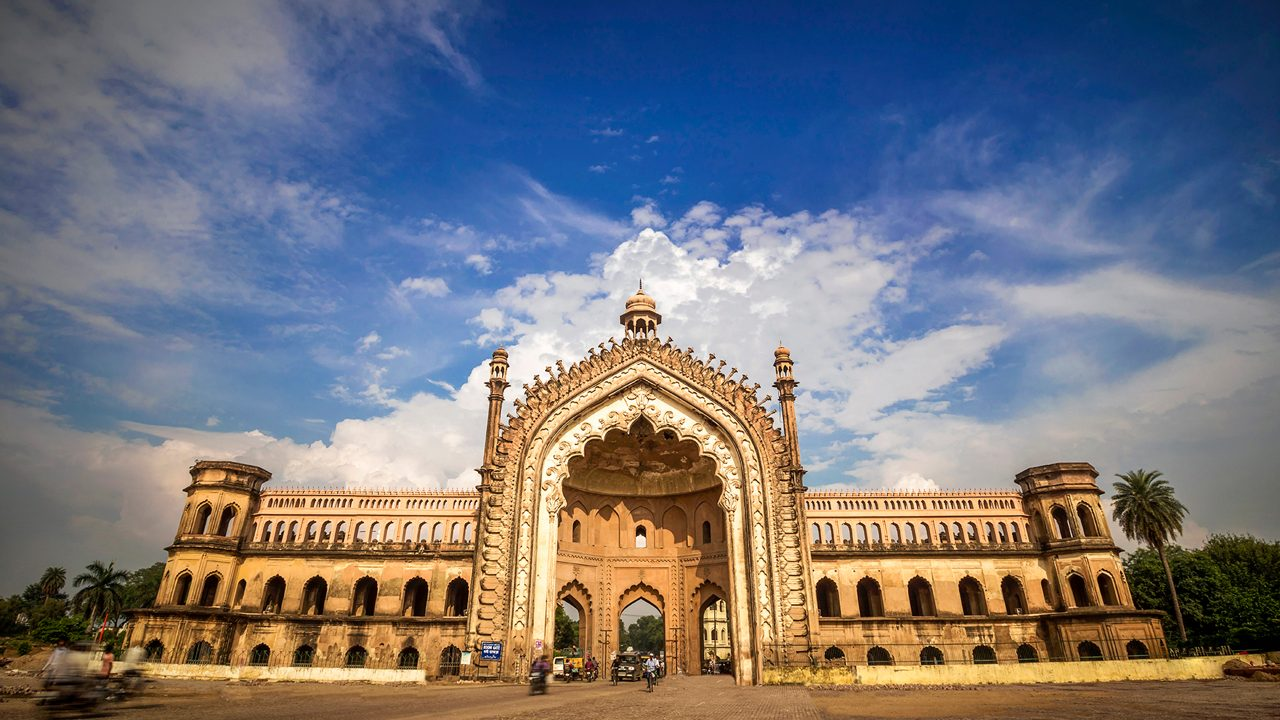
Picture a producer standing in the shadow of a historic Lucknow monument at dawn, clipboard in hand, ensuring the site is prepped for the director’s first shot. Like a stage manager setting up a theater, they’re not writing the play—they’re making sure the lights, props, and crew are ready for the performance. In Lucknow, a city of grand architecture, vibrant markets, and shifting weather, producers are the unsung heroes who turn logistical challenges into storytelling opportunities.
By securing locations, coordinating crews, and navigating local dynamics, they create a seamless stage for the director’s vision. This guide complements practical production know-how by connecting directly to the operational framework outlined in the line producer Lucknow, where execution systems, permits, and corridor strategy are structured for real-world shoots.
Whether managing a tight-budget indie or a large-scale drama, the focus remains consistent: enable the story without interfering with it. The producer’s role is not creative control but execution precision—ensuring that every department functions in sync, every location is ready on time, and every constraint is anticipated before it becomes a problem.
Setting the Stage: Locations as Storytelling Platforms
In Lucknow, locations aren’t just backdrops—they’re platforms that support the director’s narrative, like a stage set for a play. A historic courtyard might host a drama’s emotional climax, its weathered stones adding gravitas. A bustling market could frame a comedy’s chaos, its energy amplifying the scene. As a producer, your role is to secure and prepare these locations to meet the script’s logistical needs, ensuring the director can bring their story to life without distractions.
Start by reviewing the script with the production team to understand the director’s vision—does it call for grandeur, intimacy, or grit? Scout locations that match these needs, prioritizing accessibility, power sources, and space for equipment. For a drama, a producer might choose a historic site with ample room for lighting rigs, securing permits months in advance to avoid delays. Visit sites at different times—dawn for soft light, midday for vibrancy—to ensure they align with the shooting schedule. Create a location dossier: photos, permit requirements, and logistical notes (e.g., parking, crowd control). Test each site with a small crew: Can you set up in an hour? If not, adjust plans or pick a backup.
Collaborate with the director and cinematographer to confirm the location supports their technical needs, like space for cranes or sound isolation, without suggesting creative choices. For example, if the script calls for a tense confrontation, secure a quiet alley but let the director decide the blocking. Your job is to make the stage ready, not to direct the play, ensuring the location enhances the story without logistical hiccups.
Takeaway: Secure locations like a stage manager preps a theater, ensuring they’re ready for the director’s vision.

Orchestrating Logistics for Seamless Storytelling
Producers in Lucknow are like orchestra conductors, aligning schedules, budgets, and crews to keep the production in harmony, letting the director’s story shine. A logistical misstep—like a delayed permit or a disorganized set—can disrupt the narrative’s flow, like a missed note in a symphony. By orchestrating logistics with precision, you create a seamless environment for storytelling.
Pre-Production Planning: The Score
Pre-production is your musical score, setting the production’s tempo. Centralize all logistics—schedules, budgets, permits—into a single hub, like a digital app (e.g., StudioBinder) or a physical binder. For a multi-location drama, create a detailed timeline with shoot dates, crew assignments, and permit deadlines. Use budgeting software to track costs, ensuring funds are allocated efficiently—catering, equipment rentals, and location fees all need balance. Meet with local authorities early to secure approvals, especially for historic sites, which may require extra paperwork. Test the plan: can a new crew member grasp the schedule in 10 minutes? If not, simplify with color-coded charts or daily briefs, ensuring everyone’s on the same beat.
On-Set Coordination: Keeping the Rhythm
On set, logistics should flow like a well-rehearsed symphony. Assign clear roles: the cinematographer handles visuals, the sound team manages audio, each moving in sync. Use visual cues—marked zones for equipment, color-coded call sheets—to minimize confusion. For a market shoot, schedule early mornings to avoid crowds and hire local fixers to manage foot traffic, keeping the set calm. Hold daily huddles to align the team, like a conductor’s rehearsal, addressing issues like equipment shortages or location access. Keep a backup plan ready—alternate locations or extra crew—to maintain momentum if a site falls through.

Post-Production Support: Polishing the Notes
Post-production is where the story’s final notes are refined. Organize assets like a conductor’s sheet music: label every take (scene, take, date), sync audio automatically, and tag files for easy access. A disorganized drive forces editors to hunt for clips, slowing the director’s cut. Use AI tools to automate tasks like sound leveling, freeing editors to focus on pacing. Test the workflow: can an editor find a key scene in seconds? If not, streamline with clear folders or software. For example, a drama’s emotional montage needs all takes tagged by mood—tension, joy—ensuring the director’s vision is supported, not delayed.
This orchestrated approach ensures logistics enhance the story, letting the director focus on creativity while you keep the production on tempo.
Takeaway: Orchestrate logistics like a symphony, ensuring every department supports the director’s story.
Navigating Crowds and Weather for Story Continuity
Lucknow’s bustling streets and unpredictable weather can threaten a shoot’s continuity, like static disrupting a performance. Producers must anticipate these challenges to keep the story flowing, ensuring logistical hurdles don’t derail the director’s vision.
For crowded markets, schedule shoots at off-peak hours—early mornings or late evenings—to capture the location’s energy without delays. Hire local fixers to coordinate with shopkeepers or residents, securing cooperation. For example, a producer might block off a street at dawn for a chase scene, using barriers to manage foot traffic while the director films. Weather is another challenge: sudden rains or heatwaves can halt outdoor shoots. Create contingency plans—indoor backup locations, rain covers, or cooling tents—and monitor forecasts daily. For a riverside scene, have a nearby pavilion ready if storms hit, ensuring the schedule stays intact.

Permits are another hurdle, especially for historic sites. Start applications early, building relationships with local authorities to expedite approvals. Test every plan: run a mock setup at a key location to spot issues, like noisy crowds or power shortages. Keep a “crisis kit” of solutions—extra generators, alternate sites, or standby crew—to pivot fast. By planning proactively, you’ll protect the story’s flow, letting the director focus on the narrative.
Takeaway: Plan proactively to navigate crowds and weather, keeping the story’s continuity intact.
Facilitating Cultural Authenticity
Lucknow’s cultural richness—its festivals, attire, and traditions—can add depth to a film, but producers must facilitate this authenticity without dictating creative choices. Your role is to provide resources (e.g., props, extras) and coordinate with locals to support the director’s vision, ensuring cultural elements are respectful and accurate.
Research local customs: What festivals or rituals align with the shoot? For a scene involving a celebration, source authentic props like traditional lanterns or costumes through local artisans, letting the director decide how they’re used. Meet community leaders to recruit extras or secure cultural items, ensuring residents feel valued. For example, a producer might arrange for locals to join a festival scene as extras, adding genuine energy without directing their performance. Train the crew on cultural etiquette—avoid filming during sacred hours or using sensitive sites improperly—to build trust.
Test cultural integration: share props or extra plans with the director to confirm they fit the story. If a traditional dance is needed, coordinate with local performers but let the director choreograph its role. By facilitating authenticity, you provide the director with a rich palette, enhancing the story without stepping into their creative domain.
Takeaway: Facilitate cultural authenticity with resources and coordination, supporting the director’s story.
Practical Steps for Producers
To align logistics with storytelling in Lucknow, follow this roadmap:
- Scout Logistically: Visit locations with the script’s technical needs in mind—space, power, permits. Create a dossier with photos and logistical notes.
- Centralize Planning: Use a digital hub (e.g., StudioBinder) for schedules, budgets, and permits. Test it: can everyone access it instantly?
- Coordinate Culture: Meet local leaders to source authentic props or extras. Train the crew on cultural dos and don’ts.
- Manage Crowds and Weather: Schedule off-peak shoots and have indoor backups. Keep rain gear or cooling systems ready.
- Streamline On-Set Flow: Use visual cues and daily huddles to sync crews. Have backup locations ready for disruptions.
- Organize Post-Production: Tag assets clearly and use AI tools to automate editing tasks, letting editors focus on the director’s cut.
- Test Everything: Run mock setups and share plans with the director to spot gaps. Adjust based on feedback.
For example, a producer for a drama might scout a historic site, secure permits early, and schedule a night shoot for candlelit scenes. They’d use a shared app to sync the crew, source traditional props from locals, and tag dailies by scene type, ensuring the director’s vision is supported without logistical delays.
Takeaway: Follow a clear roadmap to make logistics a storytelling asset, not a hurdle.
Lucknow’s Location Palette — What Each Setting Delivers on Camera
Lucknow offers a filming geography that few Indian cities can match for narrative range within a compact area. Each location cluster delivers a distinct visual register — and understanding what each one gives the director on camera is the starting point for intelligent location selection.
The Imambara Interiors — Scale and Silence
The Bara Imambara’s central hall is one of the largest unsupported vaulted chambers in India — a vast, cathedral-like space that absorbs sound and amplifies scale. For directors working in period drama, historical fiction, or any narrative that requires grandeur without manufactured artifice, this interior is exceptional. The natural light falls through high latticed openings and shifts across the day, offering warm morning light that reads gold on camera and cooler afternoon tones that flatten the space into severity.
The bhulbhulaiya — the labyrinthine passages above the main hall — delivers a completely different register: close quarters, low ceilings, directional light from narrow apertures, and a texture of ancient brick that no production design budget can replicate. This is the location for chase sequences, disorientation scenes, or any moment where physical confinement needs to carry psychological weight. The Chota Imambara offers a more intimate courtyard environment with reflective water surfaces that create natural fill light — useful for dialogue scenes that need softness without artificial lighting rigs.
Hazratganj and the Colonial Spine
Hazratganj is Lucknow’s most photographically distinctive commercial street — a continuous colonnade of arched shopfronts that creates a covered walkway effect unique in Indian urban geography. The rhythm of the columns gives cinematographers a natural frame for moving shots. A character walking along Hazratganj passes through alternating pools of shadow and light that no art department needs to create. Evening light hitting the cream-coloured facades produces a warm, diffused tone that suits romantic, nostalgic, or contemplative sequences.
The colonial streetscape reads differently from different angles. Shot wide, it evokes a specific era of subcontinental urban design. Shot tight, it could be any grand commercial street in a period context. This visual flexibility makes it one of the most production-versatile streets in North India for productions working across time periods. Early morning — before 7 AM — is when the street belongs entirely to the production.
Gomti Riverfront — Mood, Movement and Water Sequences
The Gomti river running through Lucknow provides the city’s only sustained natural water environment — an asset that most North Indian production cities cannot offer. The riverfront is used far less than its visual potential warrants, largely because productions underestimate what it delivers on camera.
Kudiya Ghat for Contemplative Scenes
Kudiya Ghat is Lucknow’s primary stepped riverfront — stone steps descending to the water, temple structures on the bank, and a quality of light that changes completely from dawn through midday to dusk. The ghat environment is most powerful in the early morning, when the river surface carries mist and the light is soft and directional. This is the location for scenes of quiet revelation, emotional transition, or spiritual context. The stone steps provide natural staging levels — a director can place characters at different heights relative to the water and create visual hierarchy without camera movement.
The surrounding environment is less controlled than heritage monument interiors — local activity on the ghat creates authentic background that enriches the frame but requires coordination to manage on tight shooting schedules. Productions that embrace the ambient life of the ghat rather than trying to clear it entirely get better footage and better community relations.
Dawn and Dusk Windows on the Gomti
The Gomti riverfront delivers its most distinctive images in the 45-minute windows around sunrise and sunset. Dawn on the river produces a flat, high-key light reflected off the water surface that creates a quality of natural fill impossible to replicate artificially at any reasonable cost. Dusk produces warm backlight across the water and silhouettes bridge and temple structures against an orange sky. Both windows are brief — the producer must have the unit in position and camera-ready before the light arrives, not arriving as the light changes.
These windows require tight pre-production scheduling. The producer builds riverfront shooting days around the light windows rather than crew availability or equipment call times. A riverfront dawn sequence that misses the light by 20 minutes returns footage that looks like an ordinary morning. A riverfront dawn sequence that hits the light returns footage that looks like it cost significantly more than it did.
Genre Mapping — Which Lucknow Locations Serve Which Stories
Every location has a genre affinity — a type of story it tells most naturally. Understanding this mapping is what separates a producer who finds locations from a producer who finds the right locations for a specific narrative.
Period Drama and Political Thriller
Lucknow’s strongest genre identity is the Nawabi period — the 18th and 19th century world of the Avadh court, its architecture, its cultural refinement, and its eventual dissolution under British rule. The imambaras, Kaiserbagh, the Residency ruins, and Hazratganj all carry this period authentically. For productions set in this era, Lucknow delivers an environment that cannot be dressed or designed — it exists and requires only access and management.
For political thrillers with a contemporary setting, Lucknow offers something equally distinctive: the seat of the Uttar Pradesh government, one of India’s most politically significant state capitals. The Vidhan Sabha area, the wide administrative boulevards, and the scale of civic architecture all read as political power on camera. A political thriller set in the corridors of UP governance has no better location in India than Lucknow’s government district.
Contemporary Urban and Commercial Shoots
Modern Lucknow — Gomti Nagar, the IT corridor, the commercial strips of the newer city — provides contemporary urban environments that read as prosperous and distinctively North Indian without the visual noise of Delhi or Mumbai. For commercial shoots targeting UP’s growing market, or for OTT productions needing a contemporary Indian city not visually exhausted from overuse, Lucknow’s newer districts offer genuine production value.
The contrast between old and new Lucknow within a single city boundary offers a rare storytelling asset: the ability to move between a Nawabi-era visual register and a contemporary urban one within a single shooting day. Few Indian cities offer this range. For a complete picture of how line production works across the broader India network, the India line production guide 2026 covers the national framework within which Lucknow shoots are structured.
Conclusion
In Lucknow the producers are the backbone of cinematic storytelling, setting the stage for the director’s vision with meticulous logistics, location management, and cultural coordination. Like a stage manager prepping a theater, you secure vibrant locations, orchestrate crews, and navigate challenges to ensure the story unfolds seamlessly. By treating locations as platforms, logistics as a symphony, and culture as a resource, you create an environment where the director’s narrative can shine. Embrace Lucknow’s dynamic settings and logistical complexities, and you’ll turn challenges into storytelling strengths, producing a film that captivates audiences as effortlessly as a perfectly staged performance.
