
Introduction
Picture a two-year-old swiping an iPhone, giggling at a cartoon without a hint of confusion. That’s Apple’s “child-first” philosophy at work: designing tools so intuitive that even a toddler can dive in without a manual. This principle—stripping away complexity to create instinctive, joyful experiences—holds powerful lessons for filmmakers. By crafting scripts and productions as seamless as a touchscreen, filmmakers can tell stories that grab audiences instantly and linger long after the credits roll. In India, where cinema spans Bollywood’s dazzle to indie gems like The Lunchbox, this approach can make narratives feel as natural as a child’s tap. Let’s explore how Apple’s design mindset can inspire filmmakers to create stories and sets that are effortless, engaging, and unforgettable.
From iPads to IMAX: Apple’s Child-First Philosophy in Film
When Apple designed the iPhone and iPad, they had a bold benchmark: a child should be able to use it instinctively before it hits the market. This wasn’t about dumbing down—it was about erasing unnecessary hurdles, making every tap feel like second nature. The result? Toddlers navigating apps with the ease of flipping through a picture book.
Filmmaking, especially in script development and audience engagement, can borrow this magic. A great film doesn’t demand the audience decode it; it invites them in like a familiar game. In India’s vibrant film scene—from Mumbai’s Film City to Chennai’s studios—this child-first mindset can streamline storytelling and production, making movies that resonate globally, whether in a multiplex or on Disney+ Hotstar.

The “Lock Screen” Moment in Film
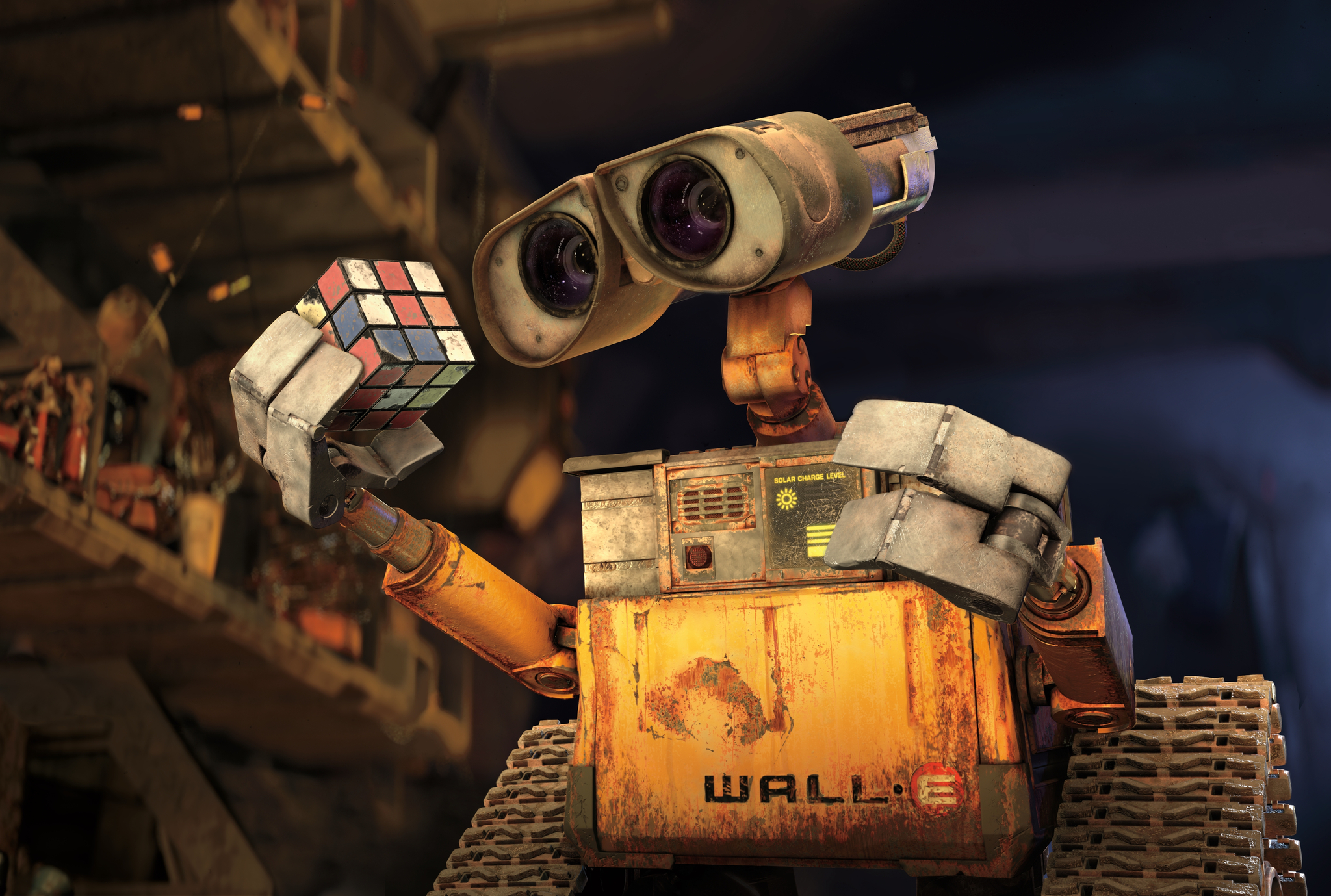
Just as a smartphone’s lock screen is the first touchpoint, a film’s opening scene is its “unlock” moment. In those crucial first minutes, you must set the tone, spark intrigue, and hook the audience—or they’ll mentally swipe away. Think of WALL-E (2008): a lonely robot sifts through a desolate Earth, wordlessly pulling us into its world with visuals and music. In India, Masaan (2015) opens with a quiet, intense scene in Varanasi, instantly grounding viewers in its emotional stakes. It’s your swipe-to-engage moment—make it bold, clear, and irresistible.
Takeaway: Design your opening like a lock screen—simple, striking, and impossible to ignore.
Testing Scripts Like Apple Tests Devices
Apple’s rule was clear: a child should use a device without instructions. Filmmakers can apply this to scripts: can someone unfamiliar with your story or genre grasp its emotional core in minutes? Test early drafts with a “cold audience”—friends or strangers who know nothing about your project. If they’re confused, your story’s “interface” needs work. Parasite (2019) nails this, introducing a poor family’s hustle through vivid, universal visuals, no backstory needed. In India, Court (2014) uses sparse dialogue to make a legal drama’s stakes crystal clear, passing the cold-audience test with ease.
Takeaway: Test your script like a new app—ensure it clicks instantly, even for outsiders.
Why Simplicity Wins in Storytelling
Smartphones hide complex code behind a sleek interface. Great films do the same, letting audiences feel the story’s flow without seeing the structural gears. Overloaded dialogue or clunky exposition is like a cluttered phone menu—it frustrates users. Mad Max: Fury Road (2015) hurls viewers into a chaotic world with minimal words, using action and imagery as its “touchscreen.” In Indian cinema, Lagaan (2001) tells a tale of colonial resistance through cricket matches and village life, letting visuals carry the emotional weight. Simplify dialogue, sharpen emotional beats, and let images guide the journey.
Takeaway: Make your story a touchscreen—intuitive, visual, and free of verbal clutter.
Early Access, Early Learning
Tech companies test devices with fresh users to ensure the journey feels natural. Filmmakers can do the same, sharing rough cuts with audiences who know nothing about the story. If they connect quickly, your narrative’s “operating system” is working. If they’re lost, it’s too complicated. The Lunchbox (2013) hooks viewers early with a simple premise—a misdelivered lunchbox—building emotional depth without overwhelming. Early feedback, like Apple’s user tests, helps refine the story’s flow.
Takeaway: Share your story early to ensure it’s as easy to follow as a child’s first app.

The Onboarding Sequence
A smartphone’s onboarding guides users seamlessly, teaching without feeling like a lesson. Films should introduce characters, stakes, and tone the same way—organically, not forcibly. The first 10 minutes are your setup screen; if it feels clunky, audiences mentally exit before Act Two. Gully Boy (2019) sets up its Mumbai rapper’s world through vibrant visuals and music, pulling viewers in naturally. Make your opening act a gentle guide, not a lecture.
Takeaway: Craft your first 10 minutes like an onboarding flow—smooth, inviting, and intuitive.
Visual Intuition Over Verbal Instructions
Kids don’t read manuals—they tap, swipe, and learn. Audiences are the same, craving visual storytelling over heavy exposition. “Show, don’t tell” is cinema’s golden rule, like a device that explains itself through use. Tumbbad (2018) weaves a dark Indian folktale with haunting visuals, letting imagery tell the story. Avoid dialogue dumps; let subtext and visuals be your interface.
Takeaway: Use visuals like a child’s taps—let them explore the story without a manual.
Why This Matters Now
Today’s audiences, like kids with screens, have endless choices—Netflix, Hotstar, or a quick scroll on X. Attention is fleeting, and complexity kills engagement. A child-first approach ensures your film’s emotional “interface” feels instinctive, not forced. In India, where streaming platforms dominate, films like All We Imagine as Light (2024) succeed by blending simple narratives with profound depth, resonating globally. Your job isn’t to simplify stories but to make them feel effortless, like a toddler swiping to their favorite cartoon.
Takeaway: In a distracted world, intuitive storytelling isn’t just effective—it’s essential.
From Touchscreens to Timelines: Simplifying Production
Apple’s philosophy extends to workflows, making complex processes feel simple. Filmmakers, especially in India’s chaotic shoots, can apply this to production. In pre-production, centralize schedules and permits like a phone’s home screen, as seen in The Lunchbox’s streamlined Mumbai shoots. On set, use clear cues and assignments to keep crews in sync, like Gully Boy’s Dharavi coordination. In post-production, organize assets for editors like a photo gallery, as Tumbbad did with AI-driven tools. When workflows feel intuitive, creativity shines, and the audience feels the polish in the final cut.
Takeaway: Design your set like a smartphone—every step clear, letting art take center stage.
Conclusion
Apple’s child-first philosophy—designing for instinct over instruction—transforms filmmaking. By crafting scripts as intuitive as a touchscreen and workflows as seamless as an iPad, filmmakers create stories that grab audiences and linger long after. From WALL-E’s wordless opening to The Lunchbox’s quiet charm, the best films feel effortless, hiding complexity beneath clarity. In India, where cinema is a cultural heartbeat, this approach can elevate stories from Film City to global screens. Make your film a swipe, not a struggle, and it won’t just play—it’ll stay.
